Our Highlights From Milan Design Week
By The Gloss
Decoding the 64th year …
I’ve been visiting the Salone del Mobile for 25 years; it’s arguably more impressive than Milan Fashion Week – combining all of the sartorial flair for which the city is known with a much more eclectic ‘frow’ made up of hip interior designers, starchitects and fashion insiders.
MDW not only encompasses the main exhibition space in Rho Feira on the outskirts of the city, but also the so-called Fuorisalone where cutting-edge events and installations take over the “village” of Brera and trendy Zona Tortona district. This year, there were some 1,900 exhibitors from 32 countries. The loose theme of the event was “A Matter of Salone” though the main MO was to impress. Needless to say, the fashion houses led the way.
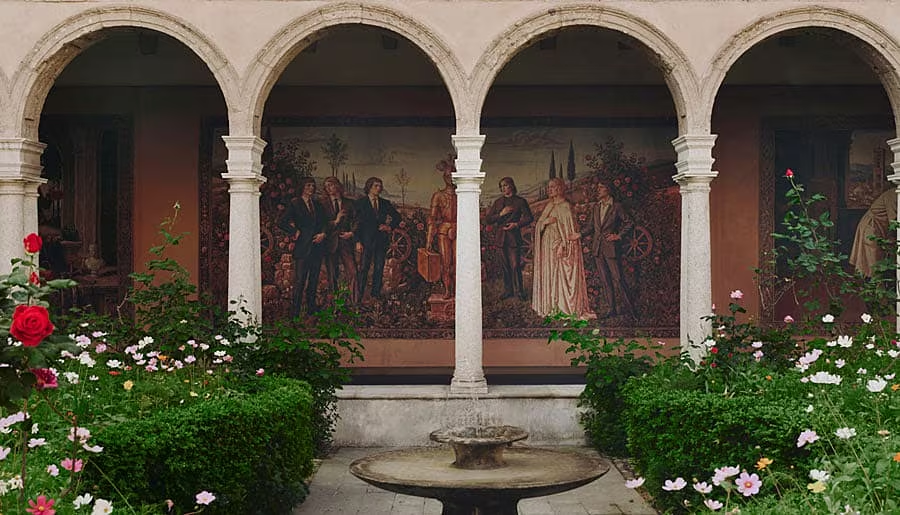
Gucci invited guests to a secluded garden planted with wildflowers inside a 15th-century monastery, where twelve tapestries traced the fashion house’s history – from Guccio Gucci’s time as a porter at The Savoy, London, to the various eras of the house under creative designers Tom Ford, Frida Giannini, Alessandro Michele, Sabato Sarno and now Demna. Of note were special vending machines dispensing Gucci Giardino drinks.
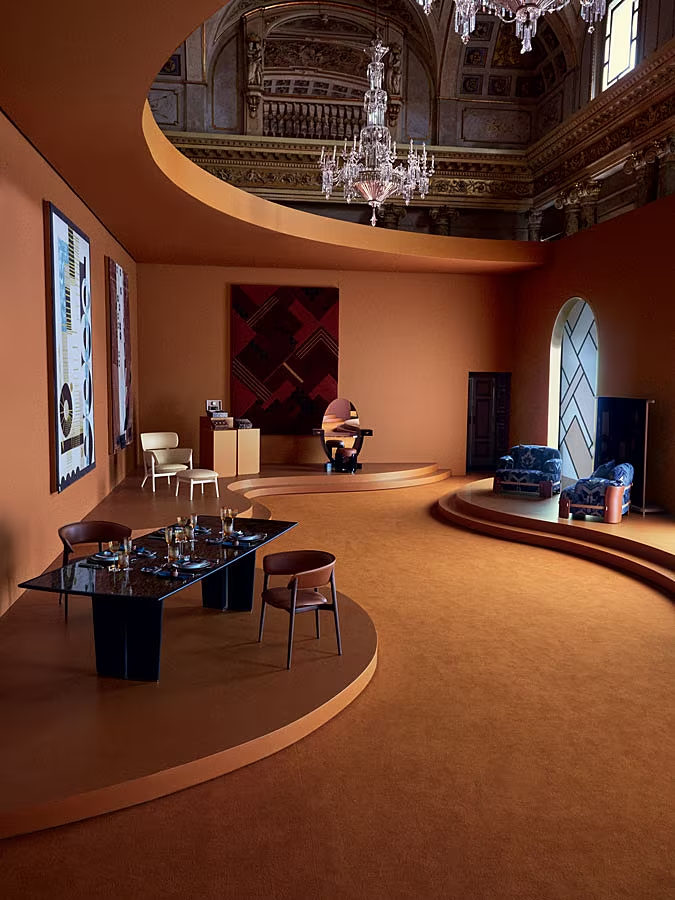
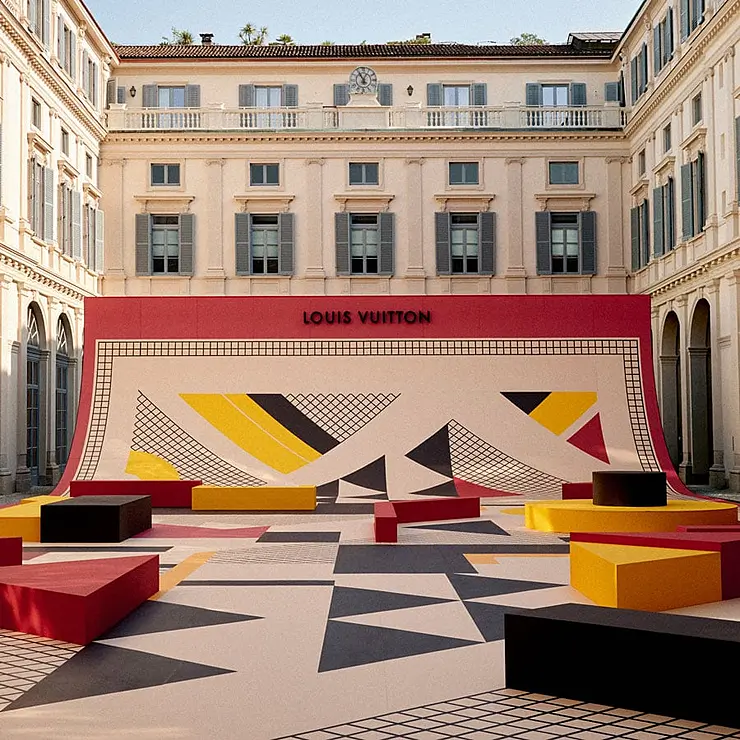
Louis Vuitton presented its new Objets Nomades collection alongside iconic trunks in the historic rooms of the Palazzo Serbelloni, arranged around bold colourways and offering a unique journey from Art Deco to the present day.
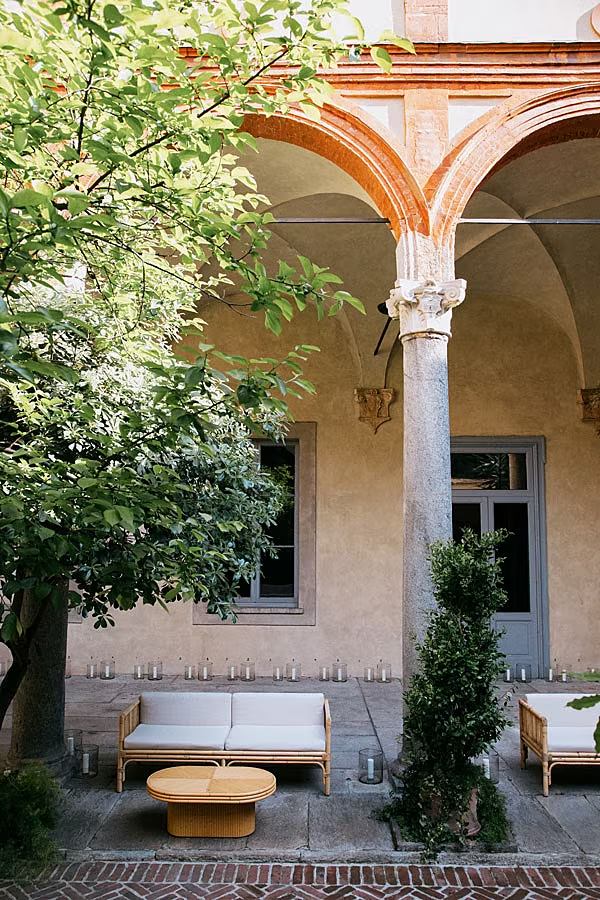
Dior Maison unveiled its new collection of nomadic Corolle lamps designed by Noé Duchaufour-Lawrance: a tribute to one of the two emblematic lines of the revolutionary New Look, created by Mr Dior for his first triumphant show in 1947. Displayed in the historic setting of Palazzo Landriani in Brera, the décor of this space evoked the gardens of Villa Les Rhumbs in Granville, Christian Dior’s home and childhood paradise.
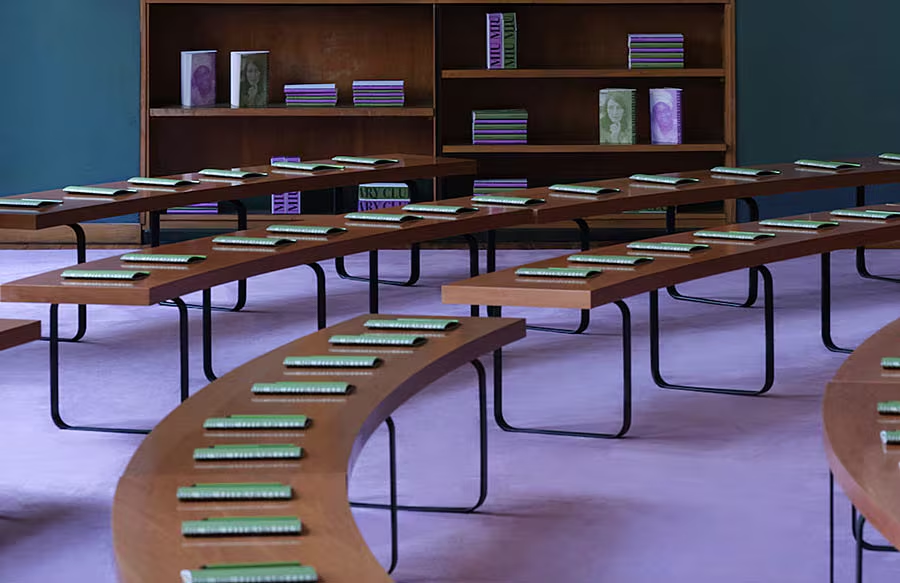
Other designers took a bookish, intellectual approach. Jil Sander’s creative director Simone Bellotti launched the Reference Library, an exhibition of 60 titles chosen by his friends including Swedish singer Lykke Li and film director Sofia Coppola. Miu Miu returned with its book club, exploring the politics of desire through the writings of French novelist Annie Ernaux and Ghanaian author Ama Ata Aidoo. Prada’s annual symposium Prada Frames looked at the role of image-making as a feature of contemporary culture with speakers including Lea Melandri, Wayétu Moore and cultural theorist Olga Goriunova.
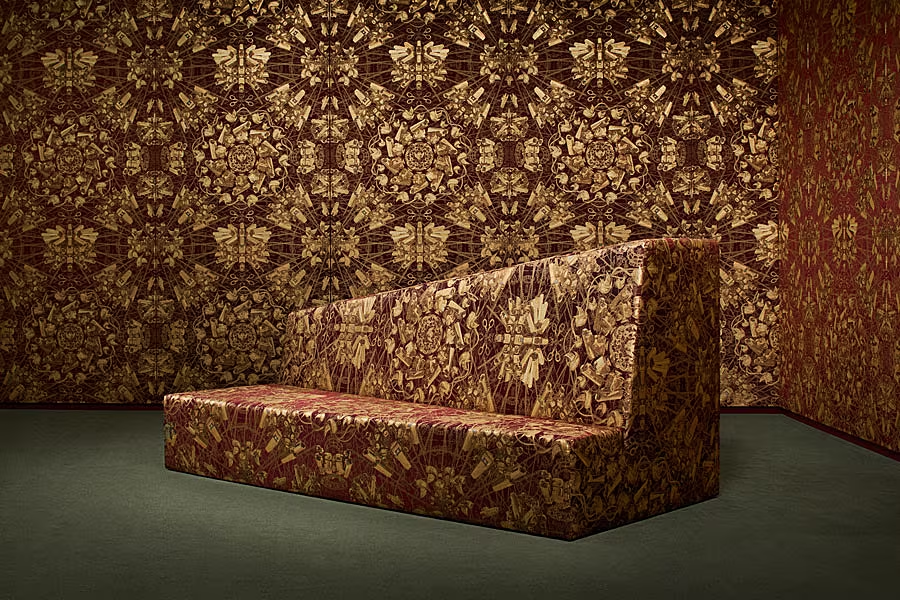
Bottega Veneta’s light installation by Kwangju Lee and Rubelli’s collaboration with artist Ai Weiwei, who translated socio-political messages into silk, were talking points. The Rubelli showroom was transformed into a scenic box where visitors were not only a spectator, but an integral part of the work.
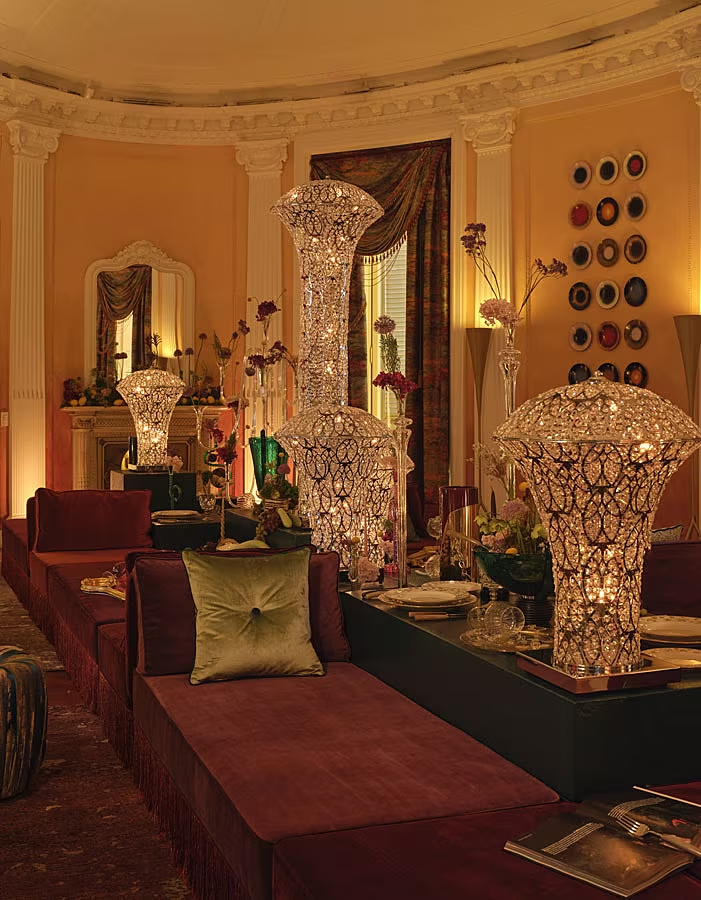
Also immersive was Artemest’s L’Appartamento in the historic Palazzo Donizetti where David Rockwell and his Rockwell Group (who have created staging for the Oscars) created a theatrical dining room inspired by the vibrant spirit of Naples.
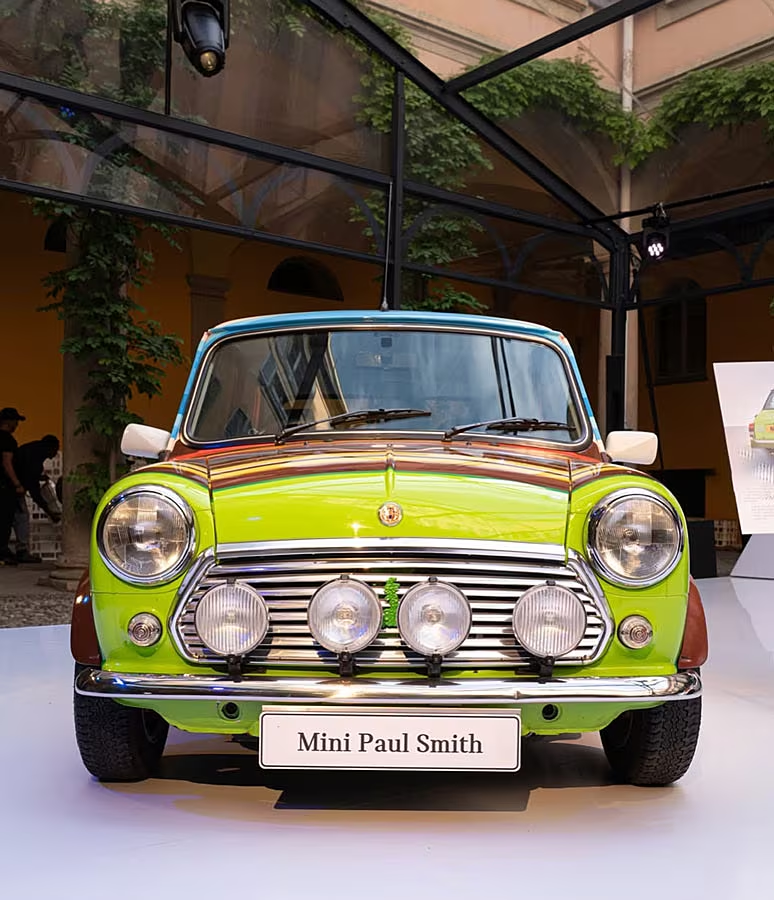
British designer Paul Smith, who has collaborated with Mini for the last three years, created Sir Paul’s Garden of Curiosity at Palazzo Borromeo d’Adda with tall grasses, timber walkways and discreet stripes. The new Mini Cooper Convertible Paul Smith Edition was tucked into the garden as a discovery rather than a centrepiece. In the courtyard of Portrait Hotel, Zaha Hadid Architects built The Origin for Audi: a titanium-coloured fibreglass portal set above a reflecting pool. The concept was the installation as antidote. Audi’s chief creative officer Massimo Frascella explained: “In a world getting busier every day, design must help people filter the noise, find clarity and reconnect with what truly matters.”
The launch of Hyundai’s Ioniq 3 focused on The Art of Steel; an installation around the design journey of this exciting new Aero Hatch created specifically for the European market.
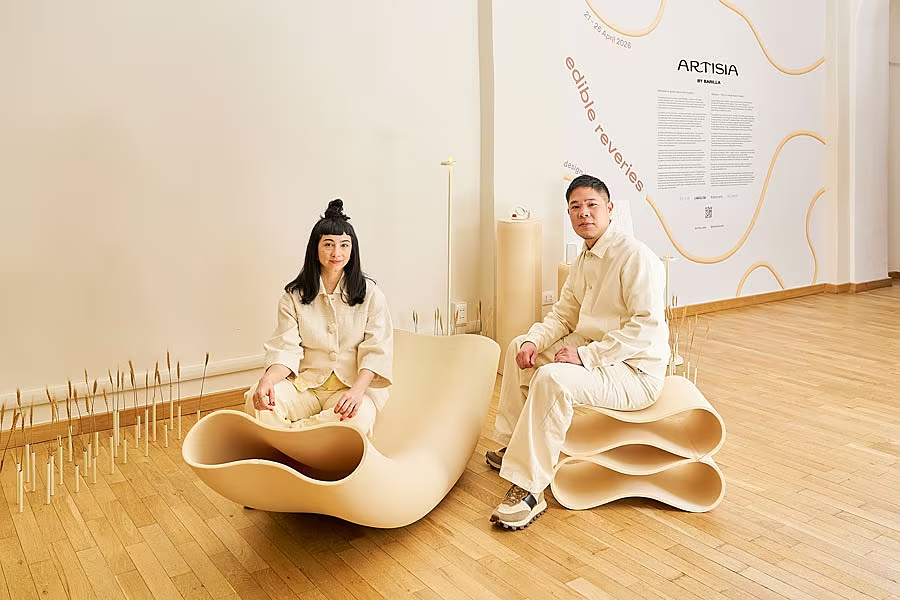
As with every year at Salone, there was plenty of provocative and playful ideas in between cocktail parties. The installation Edible Reveries by Studio Yellowdot for ARTISIA featured Tattile, a series of pasta-inspired furniture pieces, alongside edible forms. Also memorable was Lara Bohinc’s shiny aluminium Compulsion chair physically held within the arms of a reclining mahogany copy of the chair. Was it art or functional? Bohinc said that her mission was to introduce a “subtle misbehaviour” into the home. At Milan Design Week, there are not many rules – the spirit of experimentation is what keeps drawing us back every year.
SEE MORE: A Glossy Guide To Milan