Off The Beaten Track: What To See And Where To Stay In Naples
By The Gloss
This unique museum-gallery-hotel in Naples is a hidden gem …
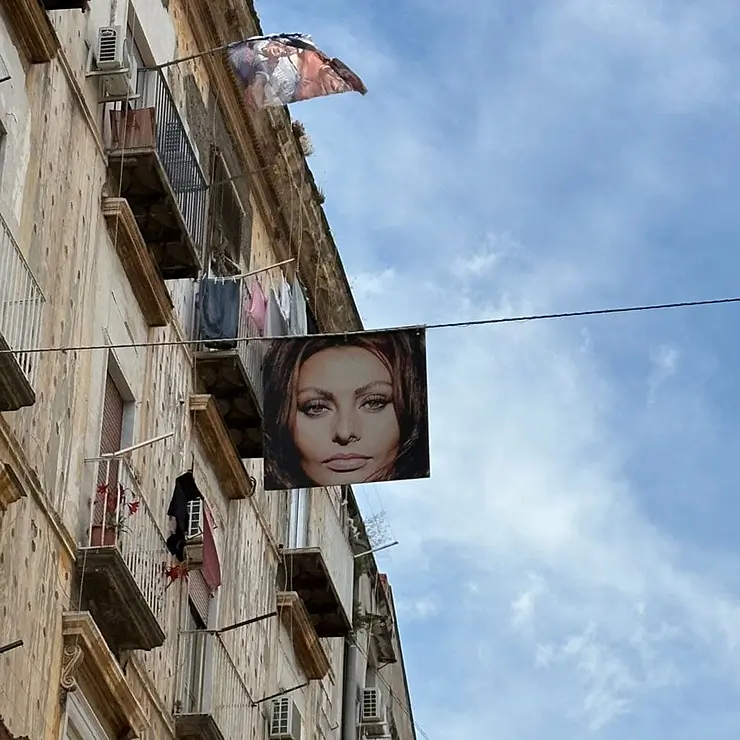
On a recent trip to Naples, I discovered the arty Sanità and Borgo Vergini neighbourhoods, far removed from the (often tacky) tourist areas. It was in La Sanità that Sophia Loren famously kneaded pizza dough in Vittorio De Sica’s film L’oro di Napoli (Gold of Naples), so as soon as I stepped out of a taxi her image fluttered above me. It all made sense later when I found out that the street, Via Dei Cristallini, was once home to an open-air cinema and the local residents were honouring the greats of Italian cinema from La Loren, also known as La Diva di Napoli, to Massimo Troisi and Totò, the so-called Prince of Laugher.
The edgy and chaotic Sanità (literally, meaning health) and Borgo dei Vergini (meaning virgins) districts have both experienced a renaissance in recent years yet have always been home to craftsmen and artists, their workshops tucked into courtyards and up hidden stairways. The appeal of these “Rione” (districts) is in their authenticity and diversity, from ancient Greek burial sites like the Ipogeo dei Cristallini to contemporary street art murals, the neighbourhoods brim with stories and noise. The soundtrack is a mix of Vespas honking, Pino Daniele songs (another local hero) blasting from apartment balconies and market vendors loudly selling their wares.
Notable sites are the Basilica of Santa Maria della Sanità, one of the most important examples of Neapolitan Baroque. It’s known locally as the church of San Vincenzo ‘O Munacone (St Vincent the Big Monk) because of its famous statue of St Vincent Ferrer. According to tradition, the statue was carried in procession in 1836 when the city was struck by a cholera epidemic. Thanks to the Saint’s intercession, the disease miraculously stopped and the ritual has been repeated ever since on the first Tuesday of July. If you’re in Naples in early July, the procession is worth seeing.
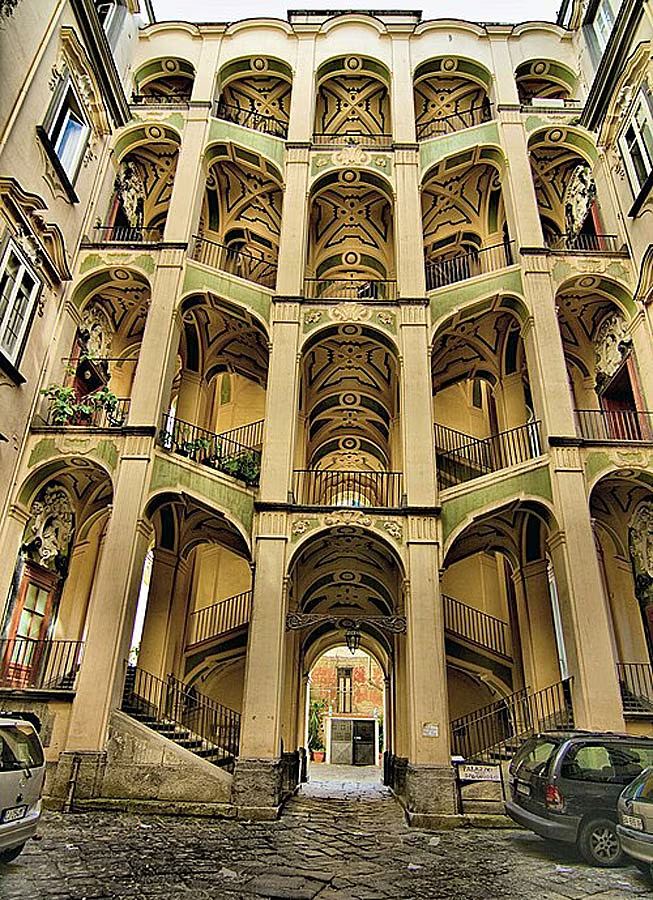
Also interesting are the Catacombs of San Gaudioso filled with frescoes and macabre tombs decorated with skulls, and the extraordinary Cimitero Delle Fonatelle (spoiler – it’s filled with skulls!), plus the Palazzo dello Spagnolo with its “hawk wing” staircase.
For an original memento from the city, head to Omega Guanti, a fifth generation glove shop founded by Alberto Squallace in 1923 whose family has been stitching leather gloves for the likes of Dior. There’s also the otherworldly studio of sculptor Michele Iodice, located in a spectacular 18th-century quarry, the space is littered with his mixed media sculpture and furniture. The studio featured in the film, Napoli Celaya (Naples in Veils) directed by the Italian-Turkish Ferzan Özpetek.
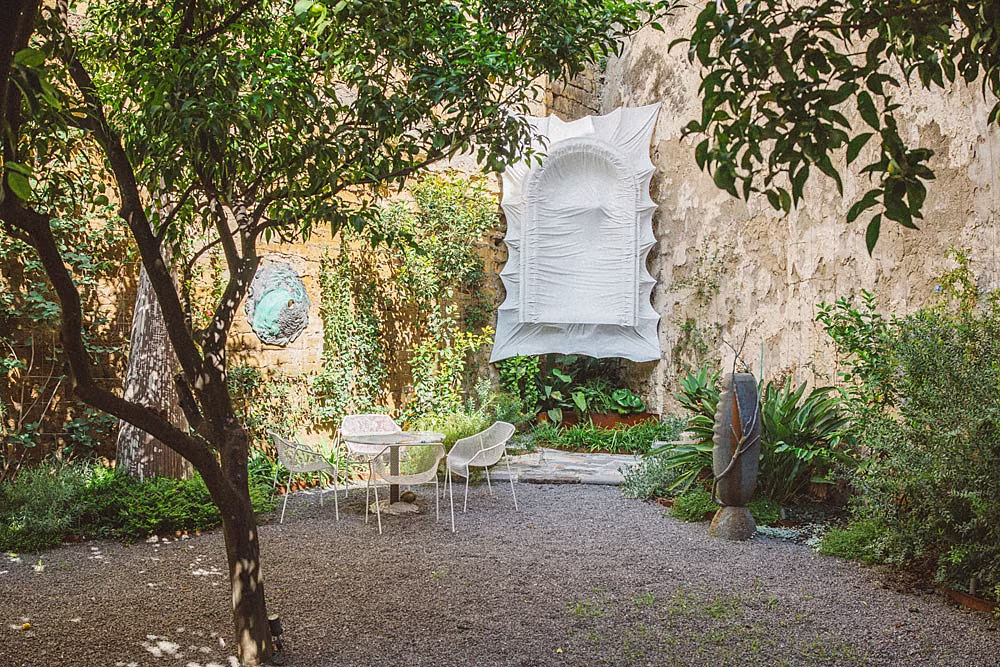
The district’s lively Mercato dei Vergini serves up further local colour and flavour (I can still taste the cherries). After a visit, I enjoyed a leisurely, delicious breakfast in the hidden garden of Atelier Inès Arts & Suites, framed by fragrant jasmine and bougainvillea, lemon trees and art made by its owners sculptor Vincenzo Oste and artist Inès Sellami. They have created something special in this boutique hotel, which also serves as an art studio and gallery.
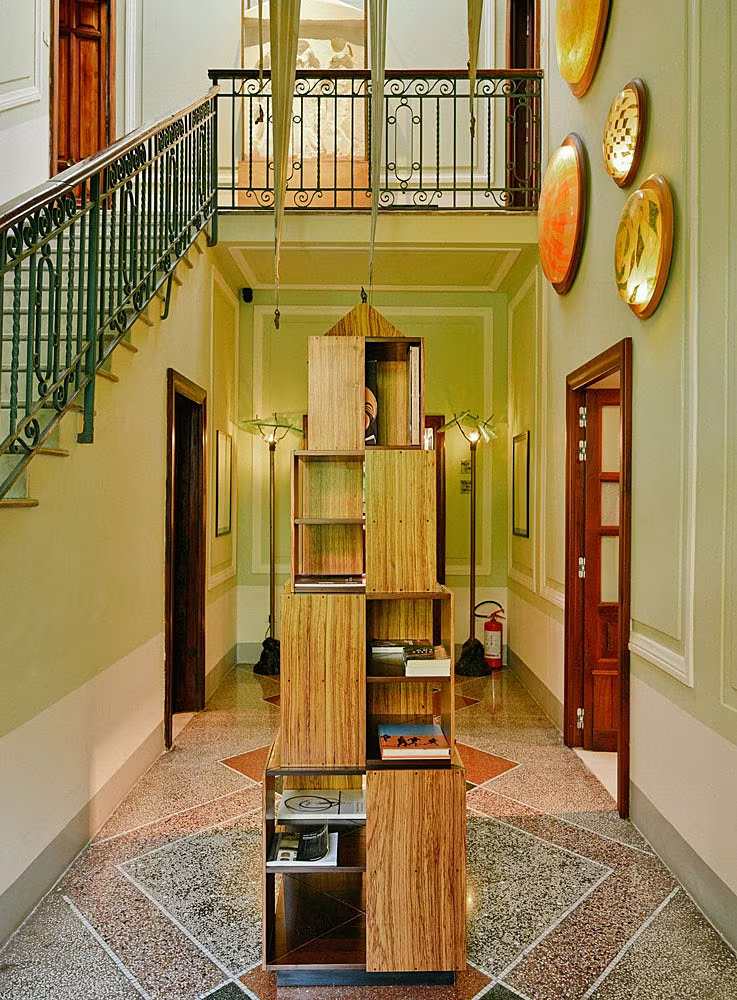
Vincenzo has a very personal attachment to the property, a 1940s villa that originally belonged to his grandfather, a timber merchant. The hotel contains many original features such as chestnut wooden doors, Venetian flooring and a wrought-iron staircase he lovingly preserved.
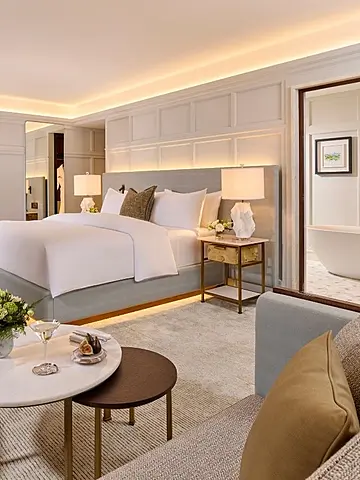
Each of the nine airy, minimalist rooms and suites are individually decorated, and are in fact living works of art housing sculptures and furniture created by Vincenzo and his father Annibale, a renowned sculptor. Their pieces are juxtaposed with mid-century designer furniture by Gio Ponte, among others.
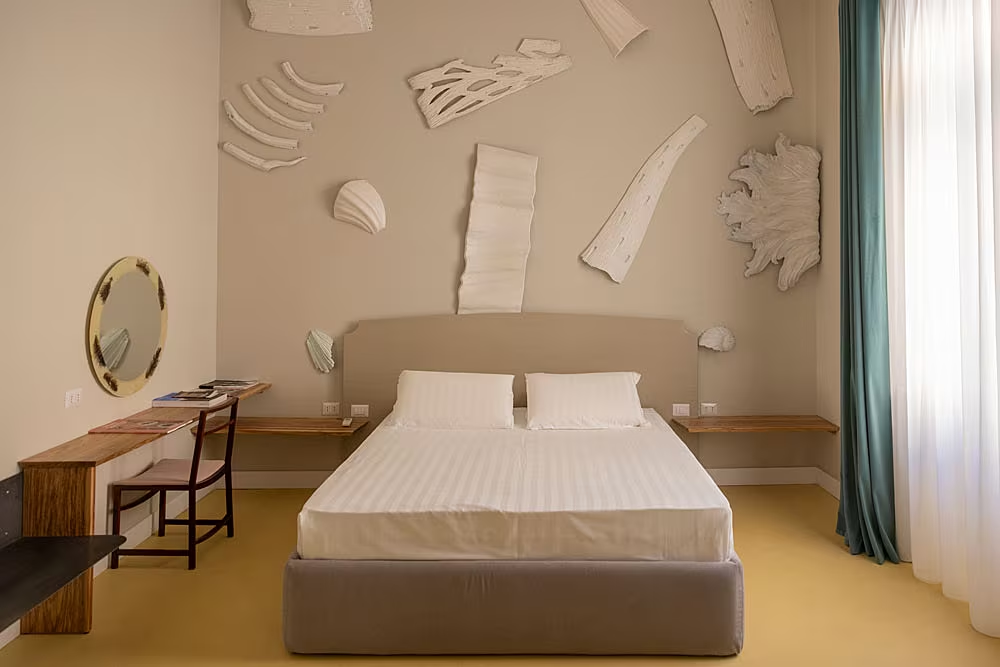
Rooms are romantically named (Cerchio Perfetto, Vortice, Tenda della Grata, Soffio di Vento) and overlook the garden or a lively courtyard – once an open air cinema – some with balconies. They’re serene spaces, minus televisions. Who needs one when you have Naples outside?
Bathrooms are particularly beautiful, decorated with handmade tiles and, in some cases, bronze sculptures, gorgeous light fittings and Ortigia’s Ambra Nera bath products. Amenities include Nespresso machines and an impressive selection of books as there’s a small library space on the ground floor. In the basement is a well-stocked wine cellar that can be used for private tastings – the Cantina Apogea. La Dispensa di Inès serves freshly baked cakes and bread.
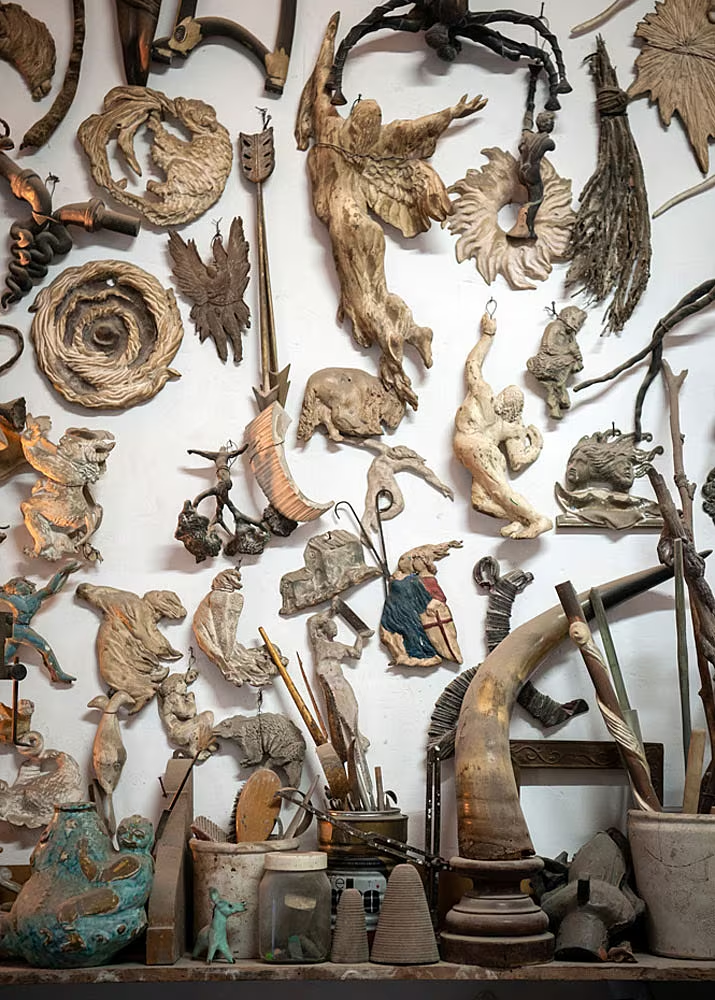
What’s special about Atelier Inès is that guests can freely explore Vincenzo and Ines’s art laboratory and workshop to see where and how their sculptures, jewellery and illuminated furniture take shape. They can also participate in art and jewellery workshops. Experimentation is one of Vincenzo’s signatures – he blends metals and vibrant materials to create jewellery and pendants that double as wearable sculptures; citing Ettore Sottsass Jr., Alessandro Mendini and Nanda Vigo as influences.
After a day spent exploring the city, the Atelier is an oasis of calm and a lovely spot for an aperitivo before dinner. There’s no restaurant onsite, but plenty of options nearby. Inès is always on hand to share tips on how to enjoy Naples authentically and elegantly. For pizza, try Isabella de Cham who was born and raised in the Sanità neighbourhood. She runs the city’s first all-female fried pizza spot and is known for her tiny montanare pizzas filled with cheese, vegetables and ham. Or Concettina ai Tre Santi, owned by the Oliva family for over 60 years. It got a nod from the Michelin guide, and offers more imaginative and modern pizzas like the Sott e’ Ngopp (“under and over,” describing the concept of the dish) and a tasting menu.
For those who appreciate craftsmanship and off beat places, this is one address to add to your Little Black Book where a supremely warm welcome is guaranteed. @atelierines_arts_suites
SEE MORE: How To Spend A Splendid Weekend In Valletta, Malta