The Enduring Fashion Influence Of Famed Director Alfred Hitchcock
By The Gloss
The stories behind the costumes and Hitchcock’s lasting influence on designers, from Alexander McQueen to Jonathan Anderson …
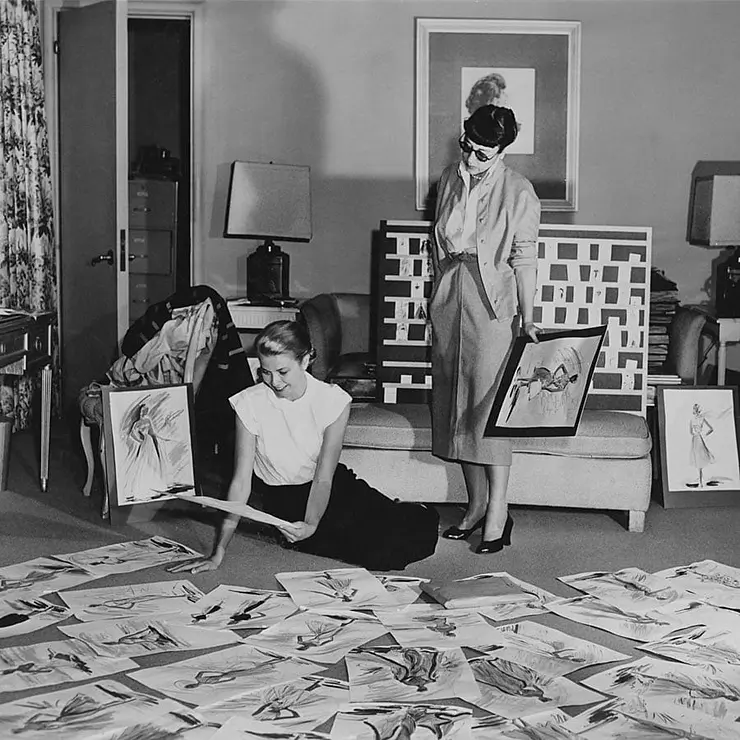
Image; Grace Kelly with Edith Head looking over sketches from To Catch A Thief.
There’s nothing like the look of a mid-century Hitchcock heroine, hair swept into an up-do, suits impossibly well-tailored, ready to take on whatever the director’s thrillers will throw at her. We all carry an image of her in our minds. She’s the epitome of cool elegance in an eau de nil suit as she fights off a flock of angry birds, a flirtatious double agent on board a train in a black-and-white suit and a sweep of champagne-blonde hair, or in a grey suit while bathed in green mist, as if she’s emerging from a gothic fantasy.
It was the Master of Suspense’s partnership with legendary costume designer Edith Head that helped shape many of these looks. They worked together on twelve films, including the costumes for Grace Kelly in Rear Window and To Catch a Thief, Tippi Hedren in The Birds, Kim Novak in Vertigo, Doris Day in The Man Who Knew Too Much and Vera Miles in Psycho.
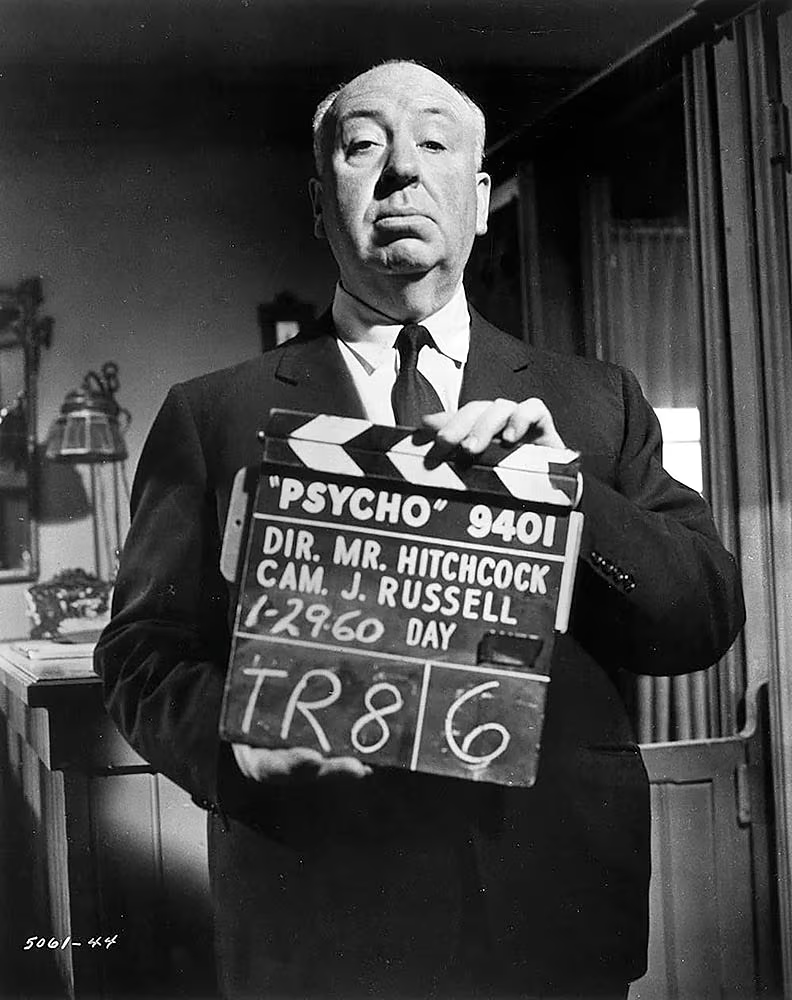
Alfred Hitchock.
They first collaborated on Hitchcock’s 1946 romantic thriller, Notorious, in which Ingrid Bergman was an impeccably dressed undercover agent trying to deny her love for Cary Grant. When Hitchcock signed a deal with Paramount Pictures in the early 1950s, he and Edith were reunited for Rear Window and then To Catch a Thief, where they met their style match with Grace Kelly. Her Rear Window wardrobe sparked a fashion frenzy as audiences lusted after the perfect blend of gowns and suits for New York cocktail hour. She was the epitome of the elegant It girl who knew exactly how to dress for the right occasion. Every item served a symbolic purpose in the narrative. Watching it now, we can’t help longing for a time when hats and gloves were essential for stepping out.
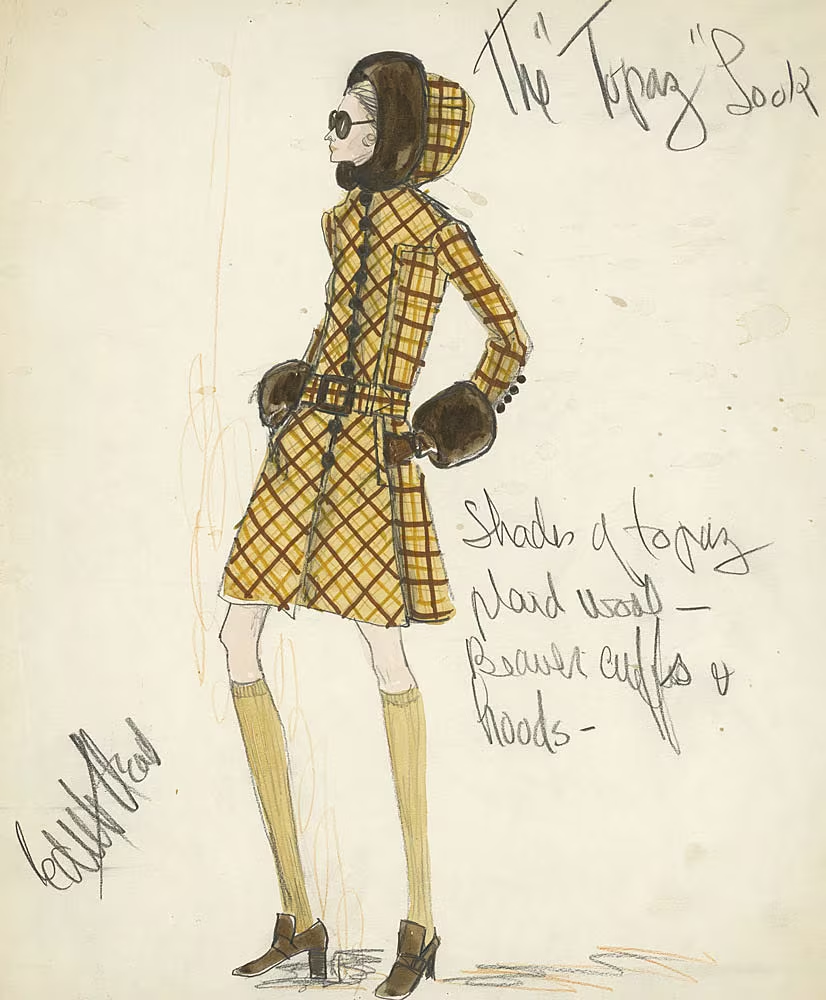
Topaz Costume Sketch.
Colour mattered to Hitchcock as much as the motifs he placed on handbags, glasses and hats. Typically, Hitchcock planned out the colours of the costumes while the script was being written, as it helped him shape the characters and their psychology. Red was a warning sign: the crimson roses on Eva Marie Saint’s black cocktail dress in North by Northwest; the red lace dress worn by Grace Kelly in Dial M for Murder (designed by Moss Mabry). He loved dressing his leading ladies in eau de nil. There was also the grey suit – think Doris Day in The Man Who Knew Too Much and Kim Novak in Vertigo. “Hitchcock loved those grey suits,” Edith Head once said.
“He was maniacal about detail, particularly in clothing,” said Janet Leigh, whose character, Marion Crane, in Psycho, was also dressed symbolically, the contrast of black and white reflecting her good and bad sides. “Too often a director thinks as long as it looks good on the actress and with the background, it’ll do. They don’t really think of it as making its own statement.”
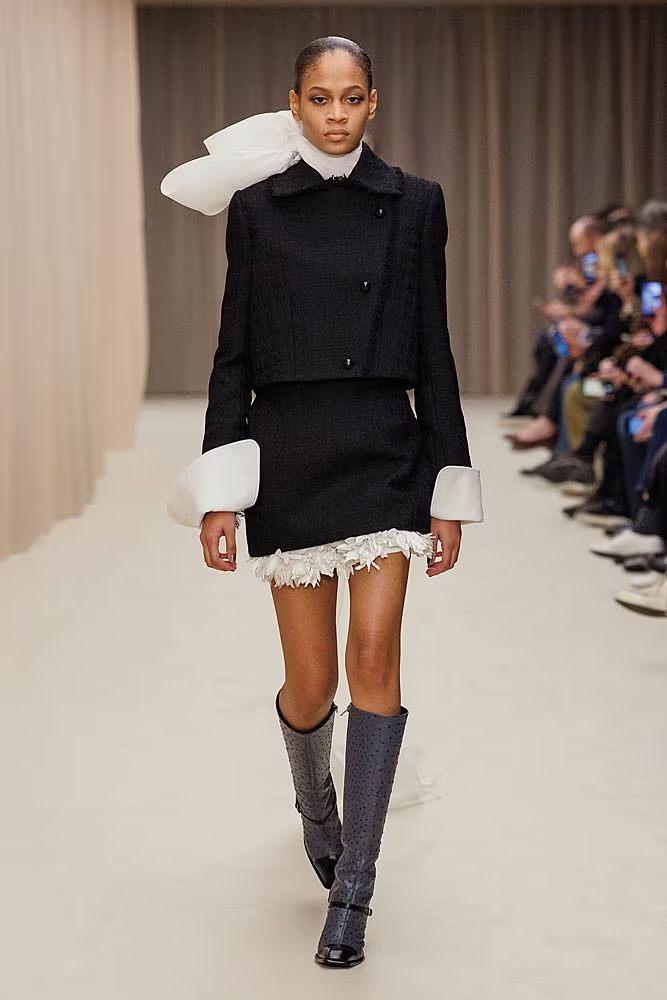
Alexander McQueen AW26.
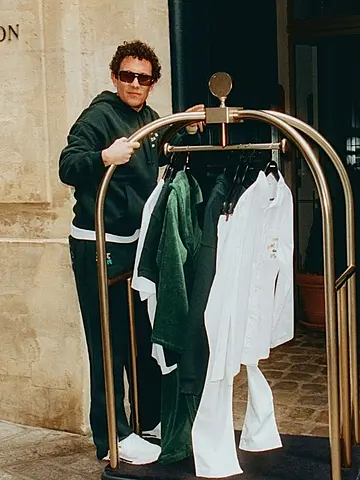
Designers still can’t get enough of the director. Alexander McQueen found the look of the Hitchcock heroine so irresistible that he based two collections on it. “The Birds” for spring-summer 1995 featured pencil skirts, little jackets and models with birds in their hair.
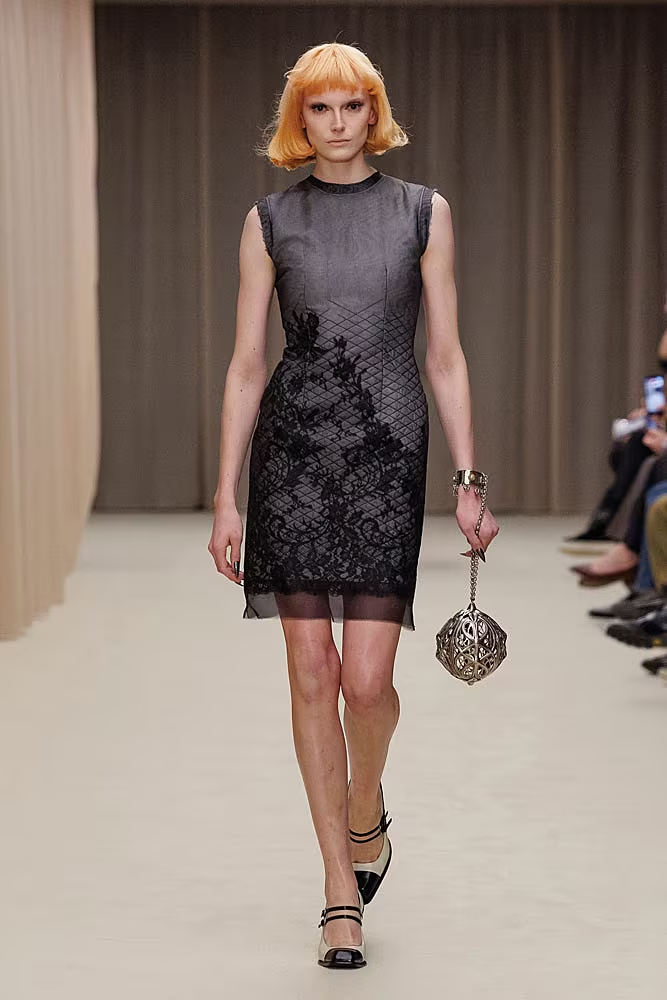
Alexander McQueen AW26.
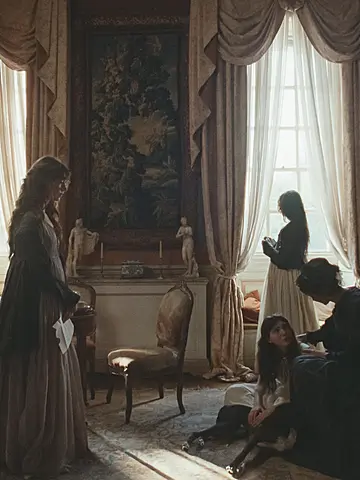
“The Man Who Knew Too Much” for autumn-winter 2005 interpreted Head’s tailored, ladylike designs in muted palettes from the 1950s and 1960s. This theme came back full circle for AW26 when Alexander McQueen’s creative director Seán McGirr took on Hitchcock’s gothic romanticism.
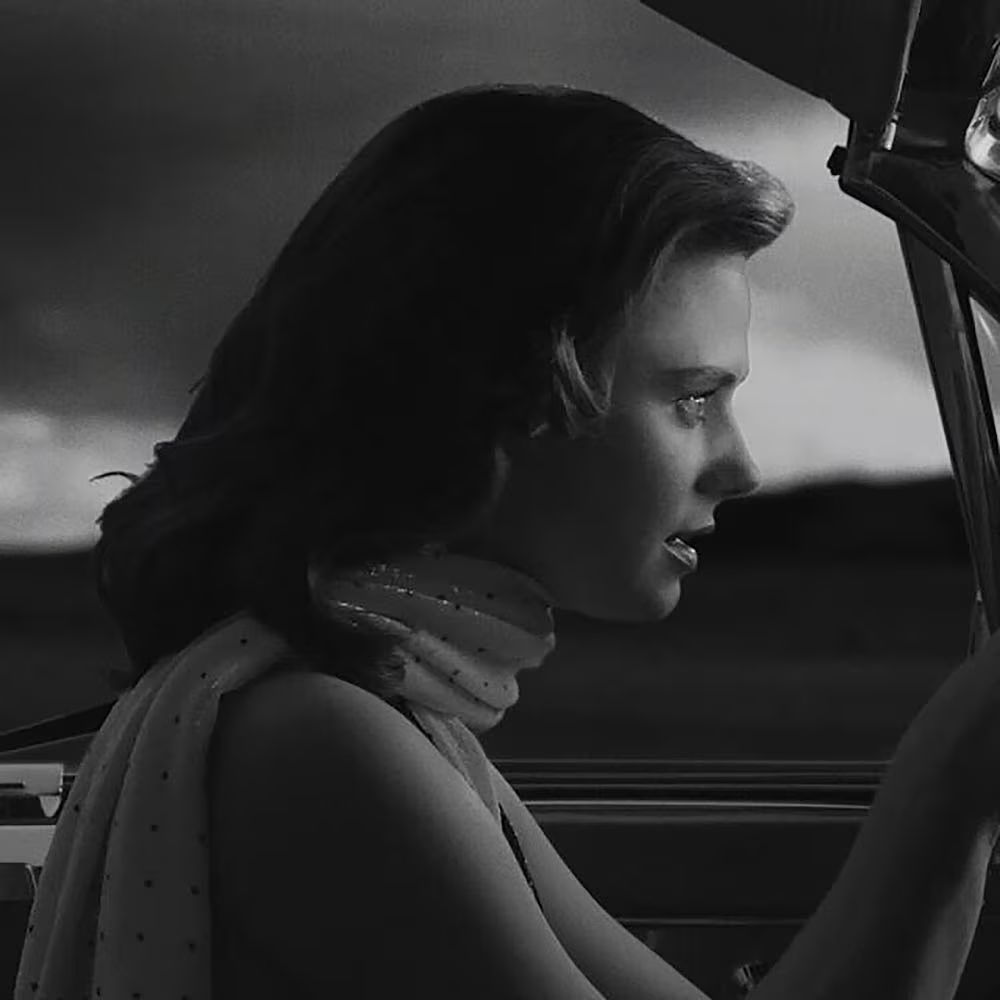
Dior Cruise 2027.
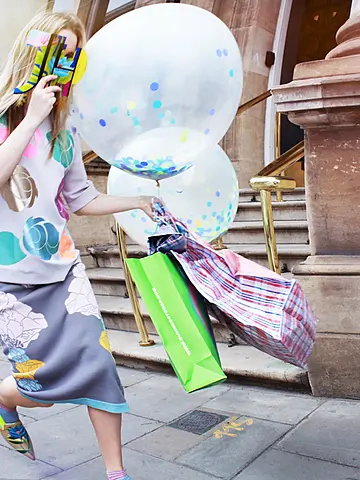
Sarah Burton described her AW25 debut collection at Givenchy as “quite Hitchcock in a way”, returning to a simpler 1950s aesthetic with pure fabrics and a constructed silhouette. For her SS26 show, Jenny Packham was inspired by Hitchcock’s leading ladies, particularly Kelly’s chiffon dress in To Catch a Thief and the film’s saturated colours. And Chloé’s “Female Vertigo” collection, named after Hitchcock’s most hypnotic film, played with the idea of fantasy and cinema. Jonathan Anderson’s teaser video for Dior Cruise 2027 features Irish actress Alison Oliver channelling a Hitchcock heroine.
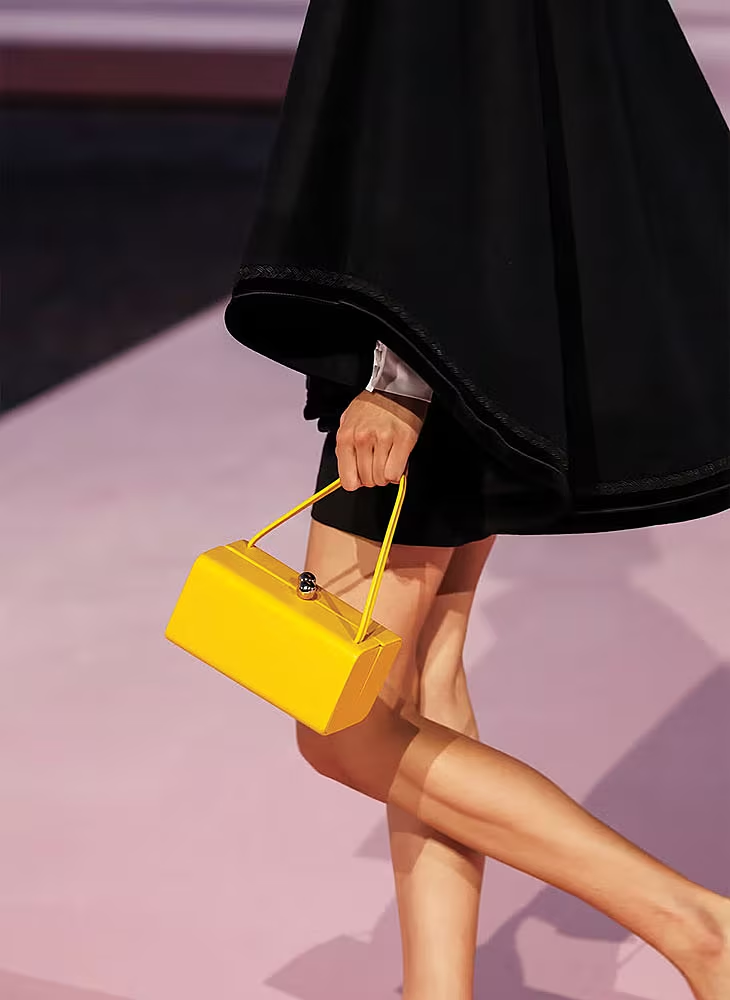
Carolina Herrera SS26.
Hitchcock’s films continue to fascinate because they combine a glossy sheen with dark undertones. And they take us back to a more glamorous, simpler time long before the stresses of the social media age. Much has been made of Hitchcock’s obsession with his leading ladies. But his true fixation was on creating a total look, a seductive slice of cinematic style shaped by every gloved hand, low-heeled shoe, gleaming brooch and sleek chignon.
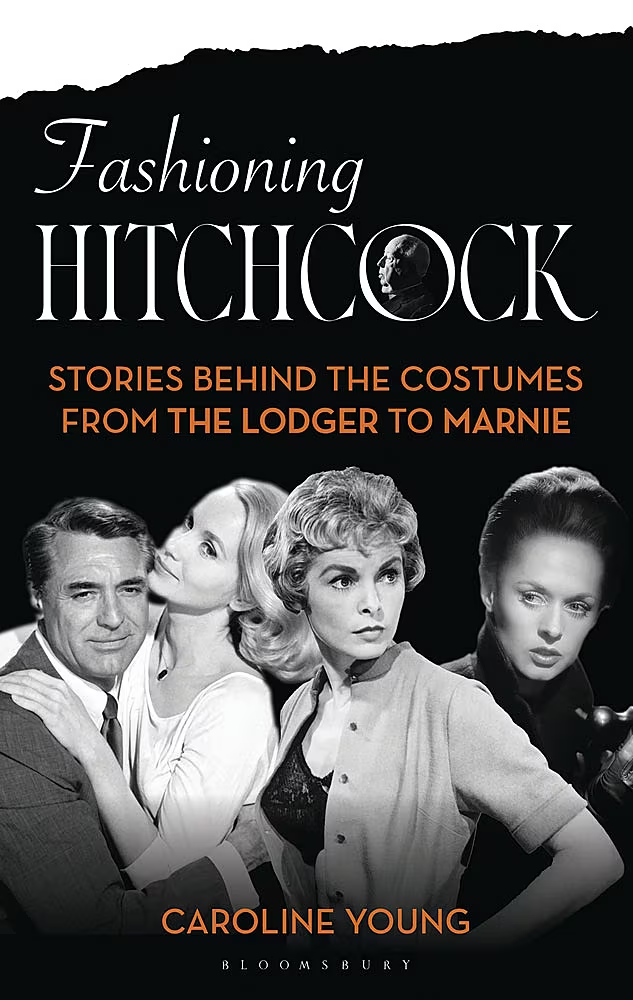
Fashioning Hitchcock: Stories Behind the Costumes, from The Lodger to Marnie by Caroline Young (Bloomsbury Academic).
SEE MORE: Eve Arnold’s Grandson On Marilyn Monroe