Shayne Brady: The Irish Designer Lighting Up London’s Hospitality Scene
Brady’s spaces are adaptable, engaging and sociable …
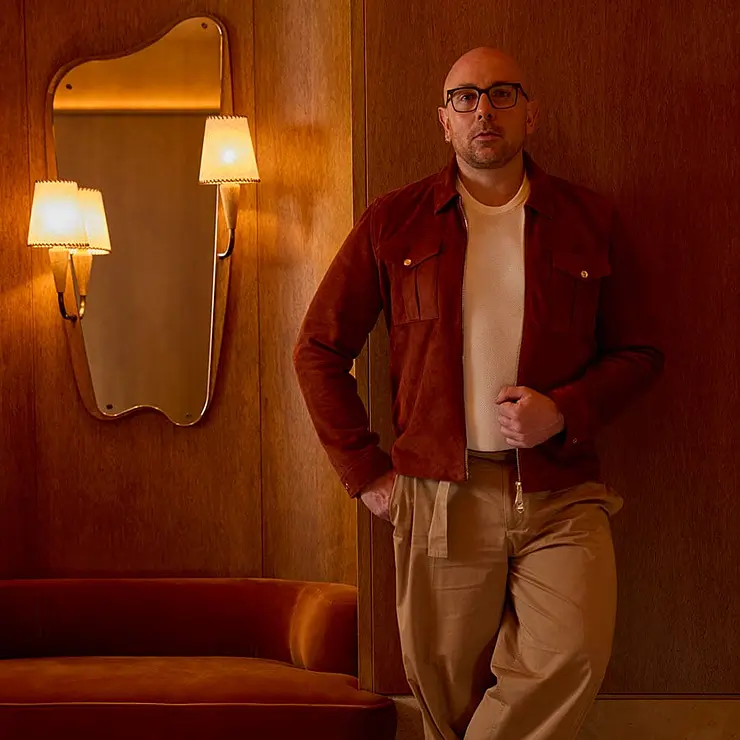
The revival of Simpson’s in the Strand, one of Britain’s most storied dining institutions, is the hottest opening in London this year – bar none. It’s part of Irish interior designer Shayne Brady’s impressive portfolio which includes projects at The Savoy, and Mandarin Oriental.
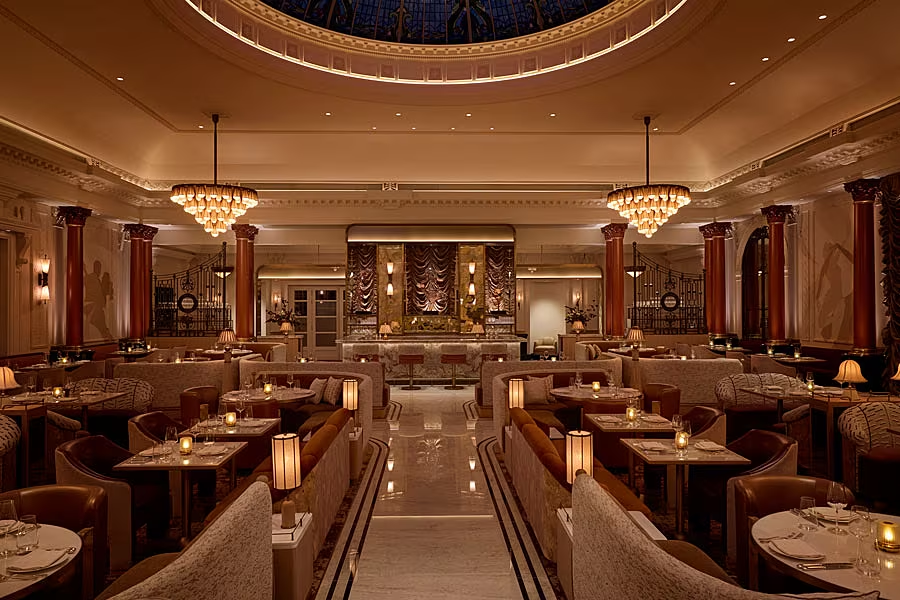
Originally from Co Kildare, Brady is the founder of London-based Studio Shayne Brady, renowned for its narrative-driven hospitality interiors. After graduating in interior architecture from TU Dublin, he trained with Oppermann Associates before relocating to London. After several years in practice, he founded his studio aged 29 and now leads a team of 22, overseeing projects around the world from London to Doha and Macau. His design ethos is rooted in history and often grand classical interiors defined by their respect for craftsmanship, and an understanding of materiality, people and place. “It’s our job to listen, compromise, respect our clients and guide them with honesty,” he says.
Taking an intuitive and layered approach, Brady doesn’t follow a strict formula, instead allowing ideas to emerge organically from the brief, site and experience. He admits; “I often don’t know how a design will come together. I don’t sit in the studio and wait for an idea or a solution to a design problem. I stop thinking about it then suddenly – at 3am – it emerges.”
This is a big year for the studio. Already acclaimed is his revamp of Simpson’s in the Strand, the grande dame restaurant owned by Jeremy King, whom Brady also worked with on The Park.
In 1915, PG Wodehouse said of Simpson’s, “It is a pleasant, soothing, hearty place – restful temple of food.” Brady has built on Simpson’s multi-layered history, nodding to the restaurant’s cultural heritage – a dramatic blend of chess, theatre, literature and politics – found throughout the impressive Grade II listed building at 110 Strand.
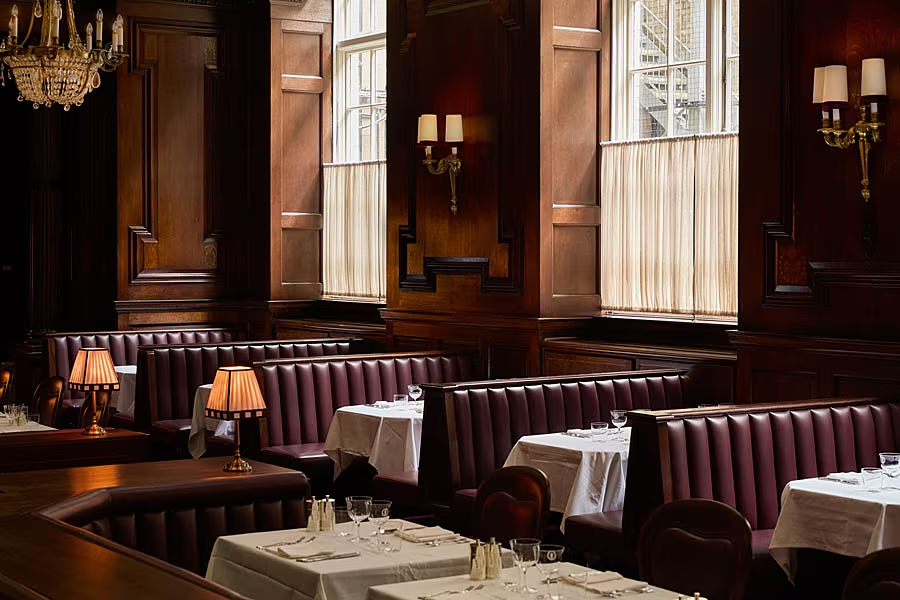
Simpson’s houses two restaurants, two bars and a small ballroom for private events. The Grand Divan dining room is at the heart of the project and has been carefully restored in its original Edwardian style with original chandeliers. Other details include timber panelling with distinctive marquetry work, deep red velvet and leather upholstery, and a new layout with high-backed settles along two sides of the room. If you can get a booking, this is the place for a celebratory dinner where its famous silver trolleys and Master Carvers add to the sense of occasion or enjoy one of its famous breakfasts – called The Ten Deadly Sins – with all the trimmings.
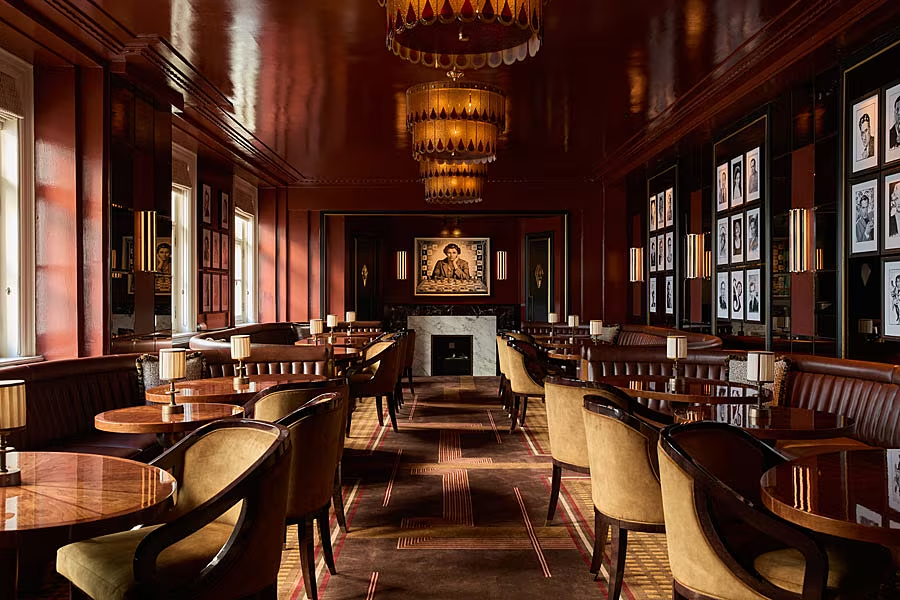
More casual is Romano’s restaurant, flooded with light from huge windows on two sides. Named after an influential bohemian restaurant at 400 Strand where the atmosphere “was highly charged with greasepaint”, it’s a lively Grand Café with mirroring, faux marble columns and marquetry tabletops, Wedgwood-inspired friezes, green accents and leather upholstery, chequer-board carpet and portraits of famous playwrights from the 20th century that encircle the room. (No surprise that it’s already a favourite with Joan Collins and Liz Hurley). Brady also created Simpson’s Bar that’s cosy and elegant with early art deco styling.
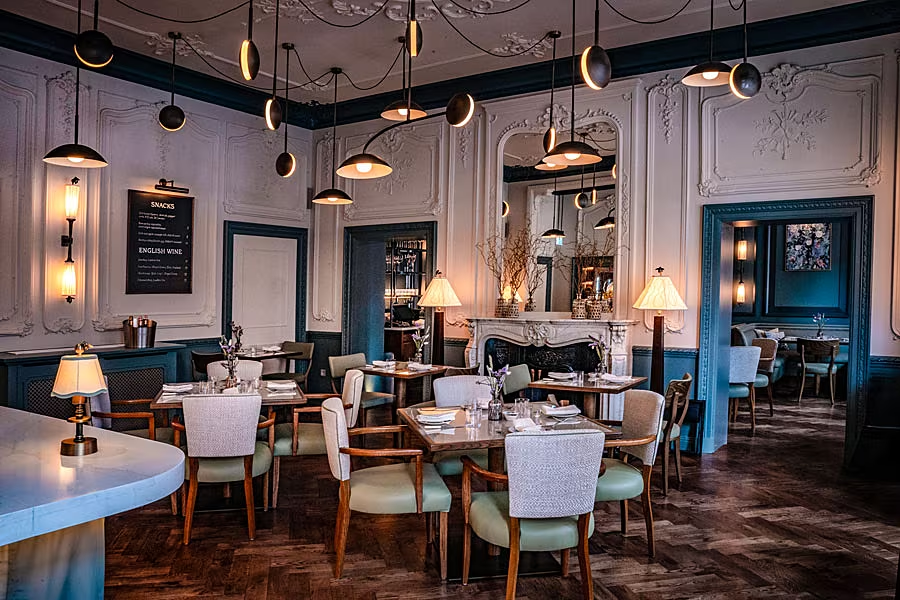
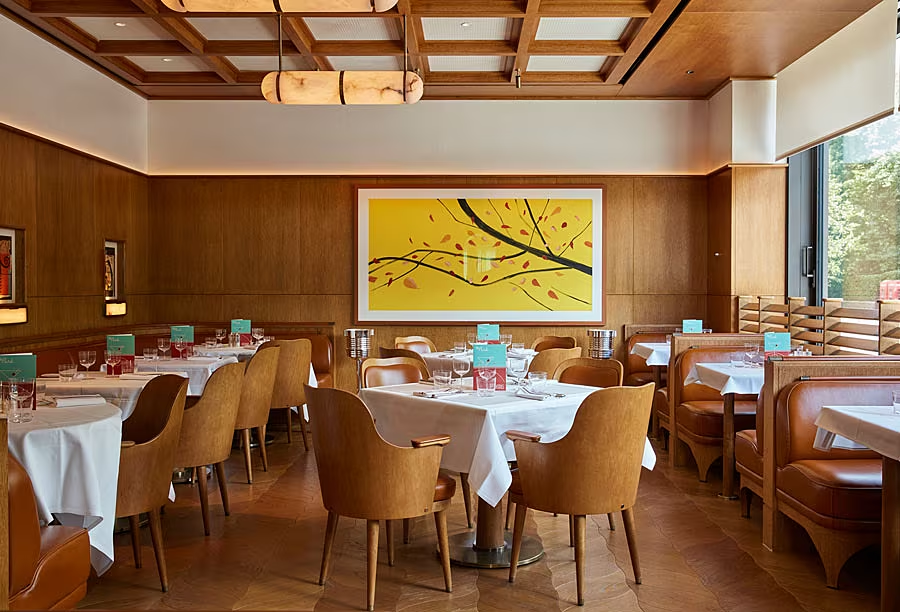
Having worked with Belmond hotel group, Brady and his team have just finished a refurbishment at The Cadogan, close to Sloane Square (where Oscar Wilde was famously arrested in 1895). Brady explains; “Our vision for The Cadogan was to celebrate Chelsea’s heritage without being bound by it. The history of the King’s Road and its market gardens gave us the starting point – craftsmanship, agriculture, abundance – and we translated that into a contemporary British bistro, Willett’s, layered with warmth and character”.
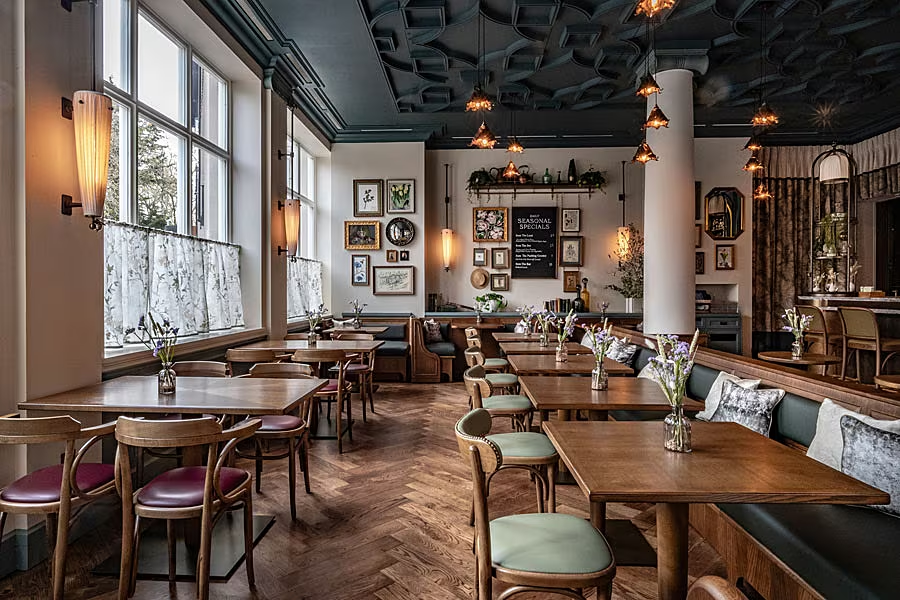
The restaurant is centred around an open kitchen with chef’s counter seating overlooking the dining room. The colour palette is of heritage greens matched with neutrals to complement the original 1887 herringbone flooring, elevated by bronze detailing and antique mirrors. Focus has been paid to lighting, softened by linen café curtains. The layout also has intimate booths and an understated private dining option that feels relaxed rather than formal.
In a landscape where venues must work harder than ever, Brady’s spaces are adaptable and engaging. He and his team are leading a much-needed shift in the industry towards more thoughtful and enduring design, saying; “True hospitality design should be timeless, sustainable and built to become part of a city’s fabric: it should be an institution.” @studioshaynebrady
SEE MORE: An Exclusive First Look At The New Renovation Of The Manor, Mount Juliet Estate