See Inside Patrick Frey’s Polished Parisian Apartment
By The Gloss
A gorgeously layered and characterful apartment …
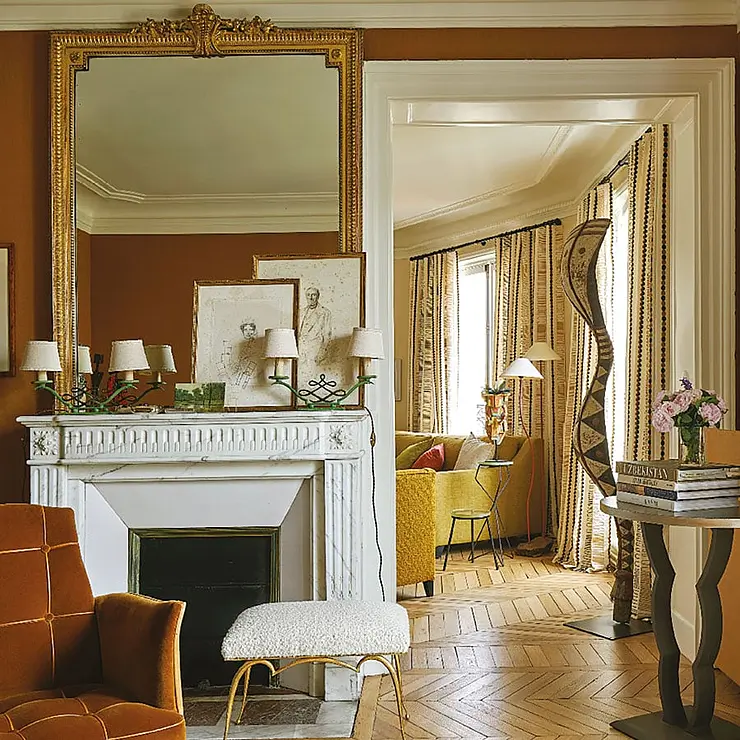
Everything in this magnificent, highly individual Parisian apartment – with its daring and multiple combinations of colours, textures, furnishings and objets d’art – has a story. It’s home to passionate collector Patrick Frey, president and artistic director of famous French fabric company Pierre Frey with his wife Lorraine. They bought it five years ago, and totally transformed it to create a bright and airy space for their many varied belongings.
Founded by Patrick’s father in 1935, Pierre Frey is well known internationally for its fabrics, wallpapers and furniture yet this apartment is not a showroom designed to represent what the company manufactures, but a private space with “personal choices, sometimes old, sometimes new, always cherished”, says Patrick of its interiors. Eclectic is a favourite word of his when describing his aesthetic tastes. “In this apartment, I love to mix all styles and our souvenirs.”
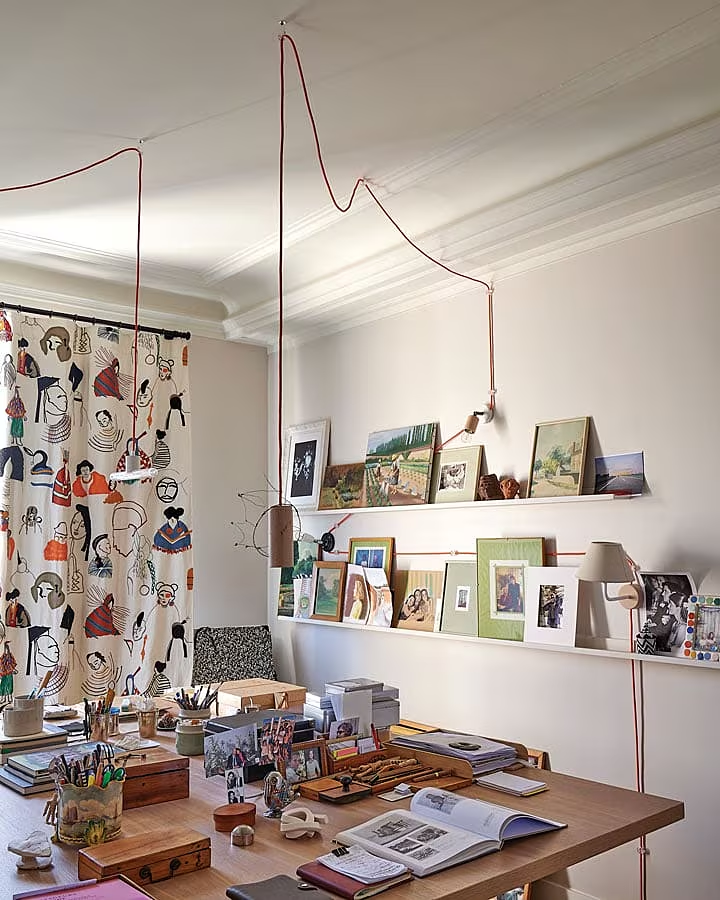
The curtains in Lorraine’s studio are made from Pierre Frey La Smala fabric.
On the fifth floor in a 19th-century building on the Left Bank, from the period when Baron Hausmann oversaw a renewal of central Paris, the apartment on a street behind the Musée d’Orsay has views from its reception rooms of familiar landmarks like the Place de la Concorde and the Tuileries Gardens. Frey explains that it’s one of several apartments the family has lived in over the years, but one that he likes the most. He renovated it with architect Jerome Bouet and two longstanding collaborators whom he has known for 40 years “and masterfully orchestrated the harmonies and structure – it was almost like getting remarried”.
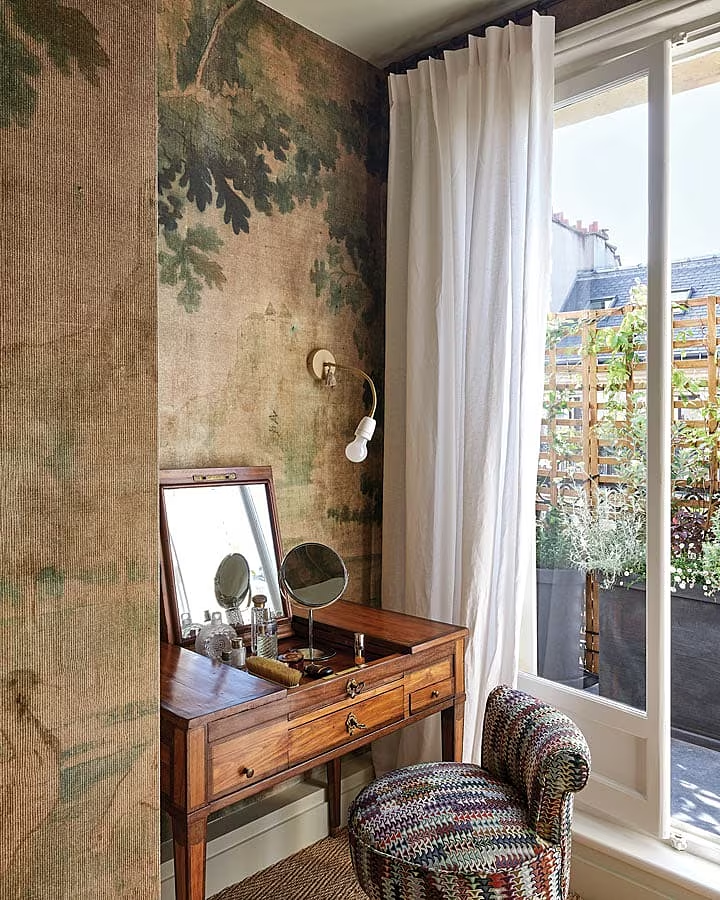
The dressing room in Pierre Frey Au Bord du Lac wallpaper.
Charming, charismatic and dynamic, Frey’s love of craftsmanship and heritage led him to make his mark on his father’s business by acquiring many historic French textile companies and other specialists that might not otherwise have survived, including the famous Braquerie and its toiles de Jouy wallpapers and fabrics favoured by Marie Antoinette. The Frey textile archives (which can be visited by arrangement) range from the 1700s “until yesterday”, says Patrick. He also acquired Thorp in the UK, well-known for its screen-printed fabrics and wallpapers, and five years ago, bought the Irish tweed collection of Mary Shaw, called Sequana, which will be relaunched in September. “Donegal tweed is really chic and elegant,” says Patrick.
He attributes his instinct and eye to his mother Genevieve who was the daughter of renowned French Art Deco era decorator and designer René Prou, responsible for designing everything from ocean liners to luxury trains and hotels. “I was an only child and my mother brought me all over Europe from the age of eight – she trained my eye. A lot of people look but few people see, so you learn how to look.” He also attributes time spent with Brunschwig & Fils in New York, famous for some of the world’s most celebrated interiors, as a seminal point in his career.
Following one of his mother’s maxims that an object you never move becomes invisible, he says that “in our home, things are always on the move”, from a 1940s shell console by a friend of Jean Cocteau and a sculpture by French-American artist Arman to two early 19th-century chairs and a painting by Sandrine Courau, an artist who collaborates with Pierre Frey on fabric design.
A prominent feature is a famous chandelier by Ingo Maurer, playfully constructed as a 3D notice board, while the console and lamps by René Prou were designed for wagon lits and weighted for stability in movement.
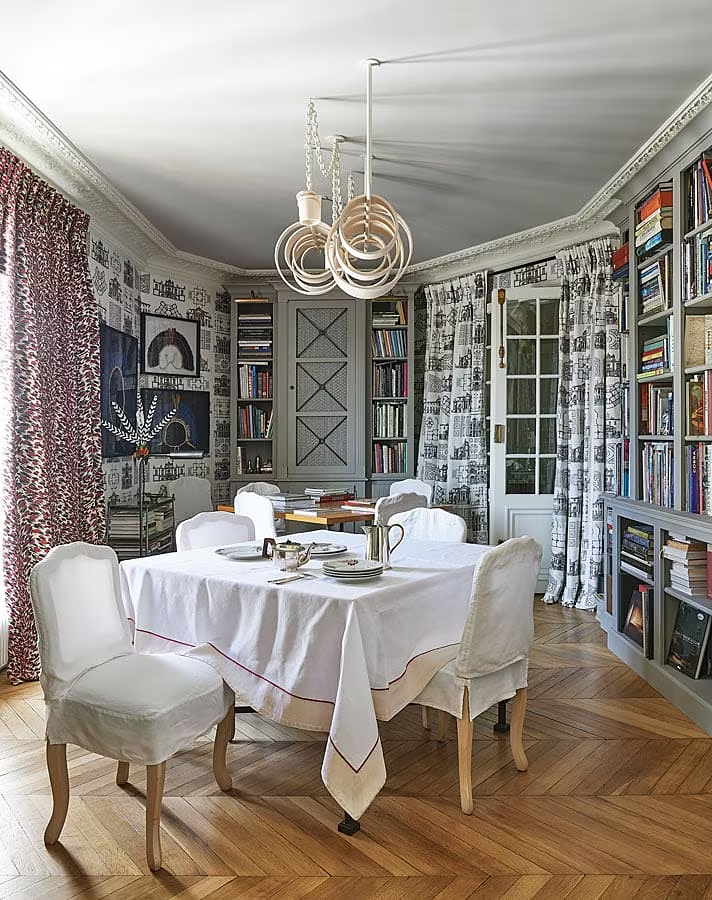
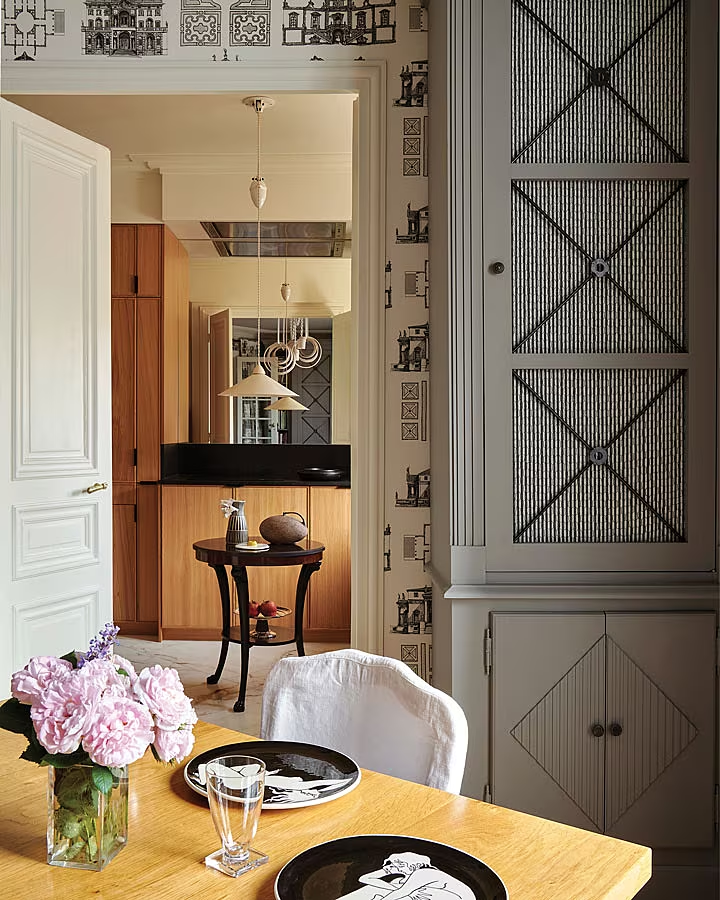
French apartments are notable for enfilade – one room opening onto another – and the entrance opens onto the dining room and the kitchen, allowing a smooth flow between spaces. “We don’t use it as a dining room much as there are only the two of us, but it can be a multi-purpose space. You can leave books and flowers on the table, you can do different things with it,” he says. The ceramic chandelier was specially made by Johanna de Clisson for Hiromi, the plates are from a print originally designed for a fabric by Patrick, while the silver cutlery engraved with red lacquer is another René Prou heirloom.
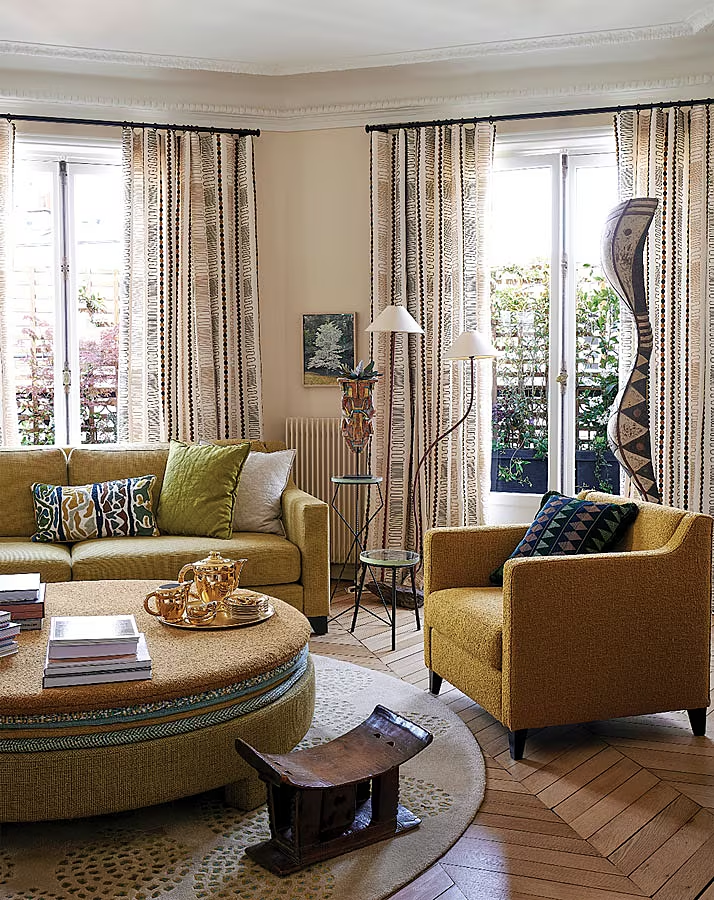
The living room with floor-to-ceiling windows has Pierre Frey furniture, curtains and coffee table contrasting with an African wooden stool.
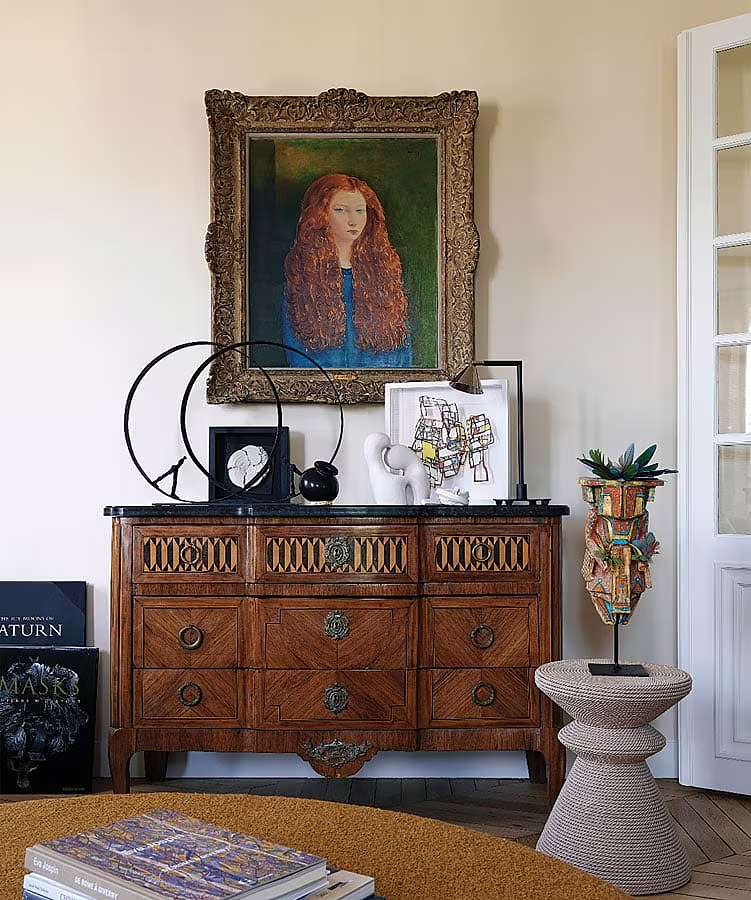
A painting of a blue-eyed redhead by Polish artist Moise Kisling that belonged to Patrick’s father hangs over a Louis XVI chest of drawers. Elsewhere, a Picasso work found in Los Angeles is a counterpoint to an abstract portrait of Patrick created in shredded book pages by English artist Georgia Russell.
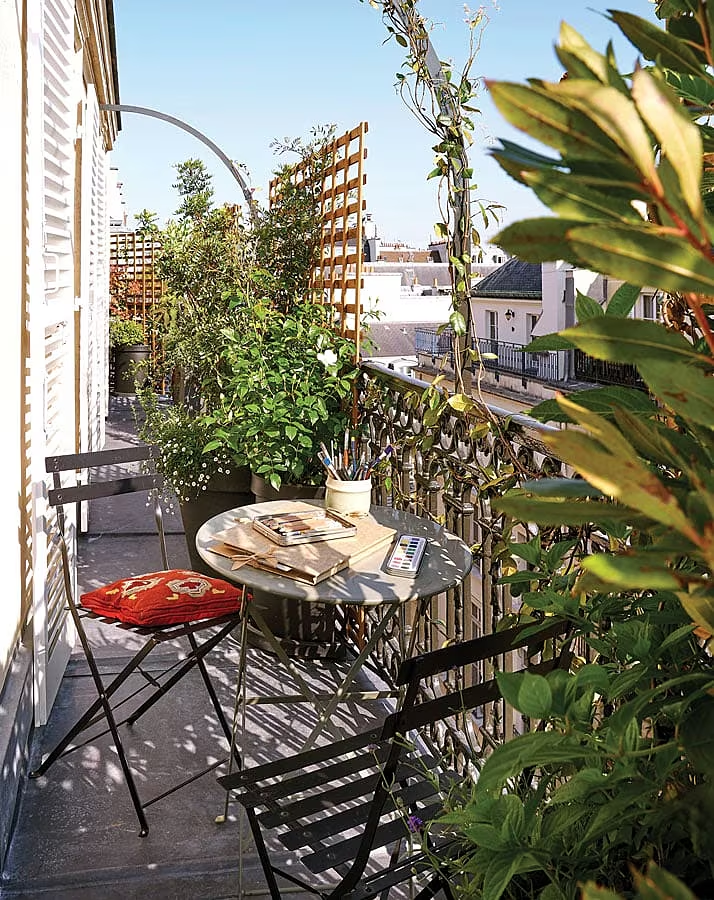
These are just some of the examples abounding in this apartment, each one containing its own fascinating history. I asked Patrick what he would never put in his living space. “I’m an optimistic person and I don’t like to have anything sad or dull. I love colour, happiness, fun and family, beautiful things and harmony. I think it’s very important to have optimism around you.”
SEE MORE: Inside A North London Home Recalibrated As An Alpine Sanctuary