


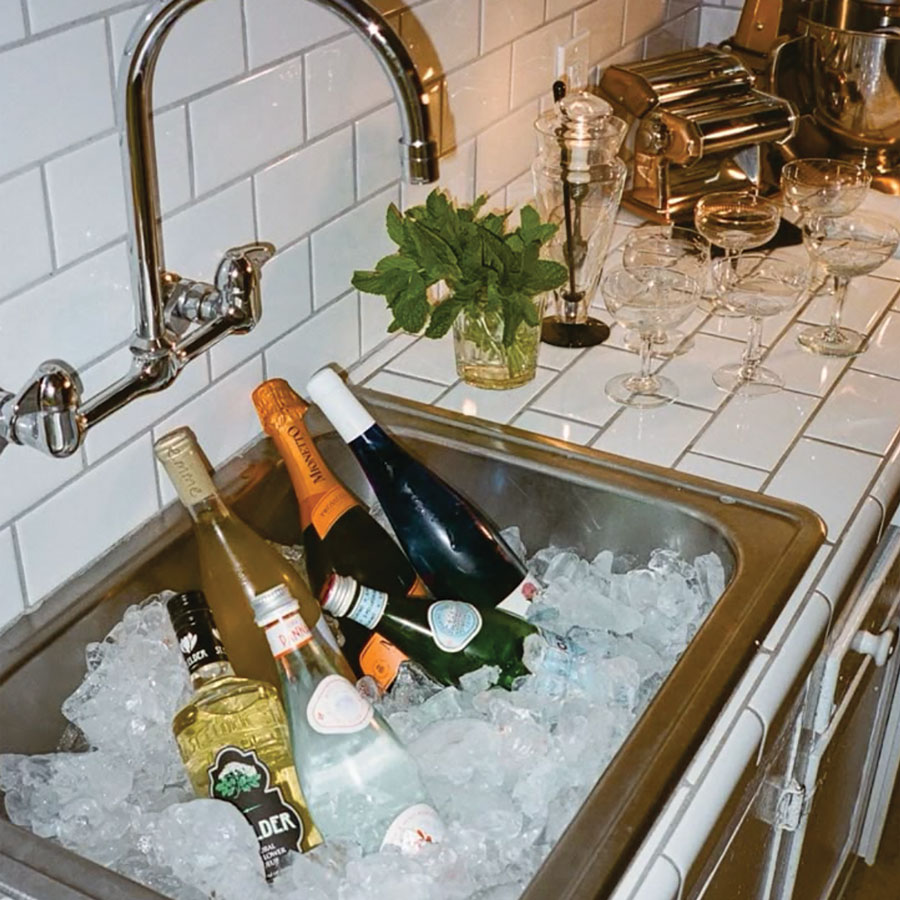
Some of Ireland’s top chefs recommend their favourite wines …
When I started my career as a sommelier in the early 2000s, the kitchen and the floor were two entirely separate worlds. Chefs stood over simmering sauces, while waiters polished cutlery and sommeliers quietly restocked the wine fridge. There was little crossover – no shared tastings, no real discussion of pairings – and one unspoken rule prevailed: never interfere with the kitchen.
Thankfully, that divide has mostly disappeared. Today, the most exciting restaurants are those where collaboration thrives – where chefs, sommeliers and maître d’s exchange ideas, challenge each other, and shape the dining experience together.
To explore this shift, I spoke to some of Ireland’s leading chefs about wine – what they drink, what they pour, and the pairings that truly excite them. What struck me most is how differently chefs approach wine. It is less about language and theory, and more about instinct, practicality – and, often, a touch of rebellion.
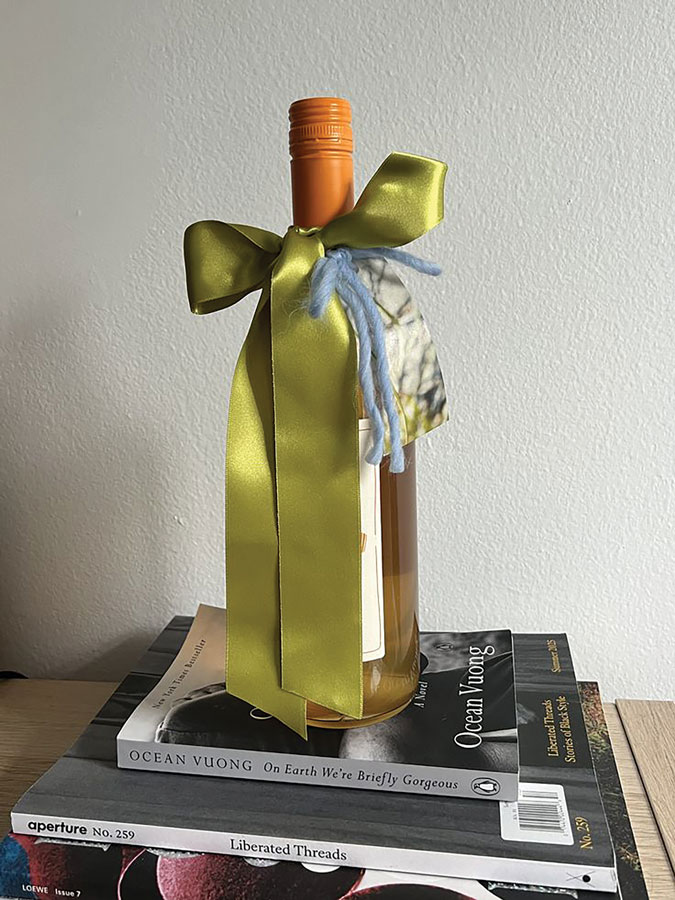
So what do chefs bring to a dinner with friends, or a summer picnic? For Jess Murphy of Kai Café in Galway, dinner with friends calls for an interesting talking point – often a Romanian wine. For a picnic, she leans towards something more easygoing, like a classic Muscadet from Domaine de l’Écu or even a couple of wine cans from Djuce.
For Domini Kemp, chef and co-owner of Lottie’s in Rathmines, the choice is less predictable. Unless she knows exactly what the host enjoys, she will often arrive to a dinner party with a bottle of exceptional olive oil or Valentia Island vermouth instead. Ed Cooney, Executive Chef of the Merrion Hotel, is looking forward to hosting a barbecue and sharing with friends a bottle of legendary Queen drummer Roger Taylor’s new Provence rosé – a wine he has been eagerly awaiting.
For many chefs, pairing is less about textbook matches and more about feeling, context, and timing. A summer barbecue, for instance, does not call for a heavy red. Lighter styles – even slightly chilled – are increasingly the go-to. Chef-patron of Dede in Baltimore, Co Cork, Ahmet Dede favours low-alcohol reds from Savoie or Jura. Jess Murphy champions chilled Beaujolais for its freshness alongside protein-heavy grilling.
Others lean towards contrast and structure. Neven Maguire of MacNean House in Co Cavan is partial to a ribeye steak with Valpolicella Ripasso, while John Coffey, chef and owner of Thyme in Athlone, insists there is nothing better than lamb off the barbecue with a crisp glass of Albariño.
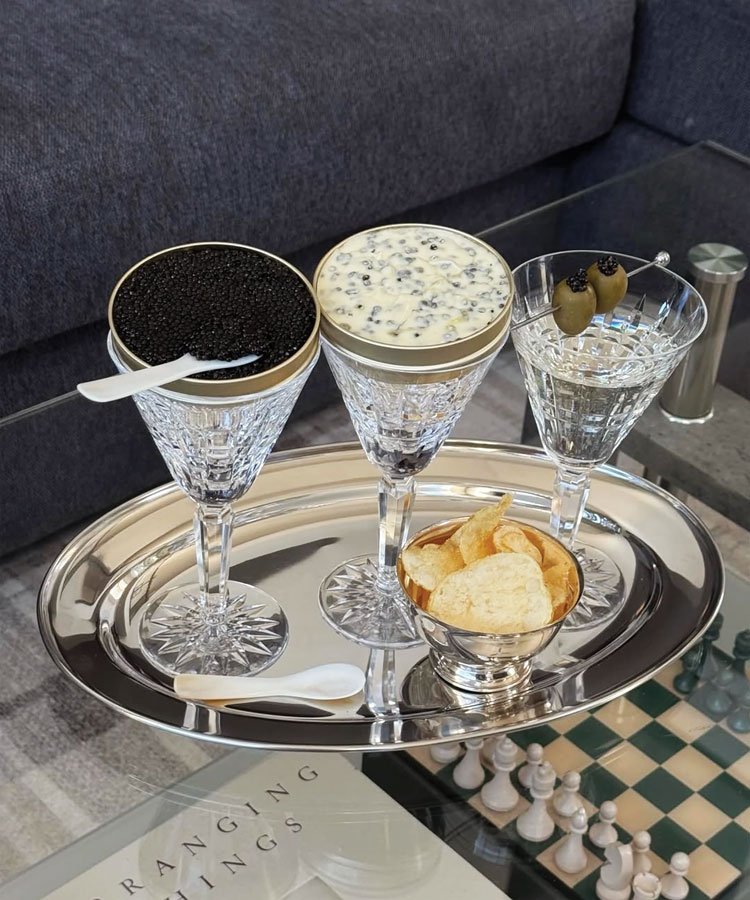
What is striking is the absence of dogma – there is no single “correct” pairing. If there is one thing chefs do agree on, it is that wine should never feel intimidating. For Damien Grey of Liath in Blackrock, Co Dublin, that might mean Champagne with unexpected dishes – even something as simple as an omelette elevated with caviar and truffle.
Or it might mean embracing wines that sit outside the traditional norms altogether. At Dede, for example, the team has begun importing Turkish varieties like Sungurlu and Karasakiz. Across the industry, there’s growing excitement around lesser-known grapes and regions, as well as the continued rise of Eastern European and orange wines.
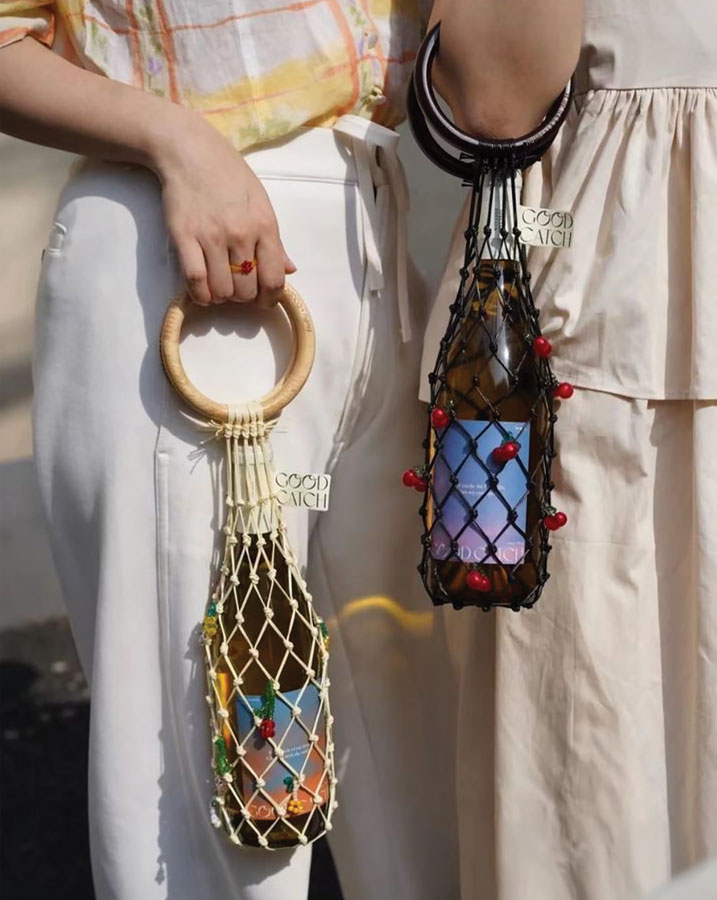
Even sparkling is being reimagined. Pét-nat, once niche, is now championed as a versatile, food-friendly alternative to Champagne. And for Kieran Glennon of Restaurant Patrick Guilbaud, summer dessert calls for the simple pleasure of chilled Moscato d’Asti with red fruits or pavlova.
The message is clear: curiosity matters more than correctness. Yet for all the experimentation, there remains a deep affection for the classics.
Champagne remains a constant – not just for celebration, but as an everyday indulgence, whether for a picnic or as a reliable pairing, from seafood to strawberries. White Burgundy, from Chablis to Chassagne-Montrachet, continues to hold its place, alongside the quiet luxury of Riesling, the versatility of Chenin Blanc, and the elegance of Pinot Noir.
Alongside this appreciation for classic wines, many chefs also spoke of their deep respect for local producers, sharing some of their favourite Irish ingredients and the wines they love to pair with them.
John Coffey highlights the richness of Young Buck cheese matched with Killahora Apple Ice Wine, while Ahmet Dede turns to Fastnet Farm on Cape Clear, whose delicately sweet lamb he pairs with a juicy, floral Pinot Noir. For Kieran Glennon, it’s the quality of Irish seafood that stands out – Gareth Doyle of Prime Seafood supplies exceptional prawns, best enjoyed with a mineral-driven Chablis.
Perhaps the most significant shift is happening not in kitchens, but among diners themselves. Across the board, chefs are noticing the same trend: Irish customers are more curious, more confident, and more willing to experiment.
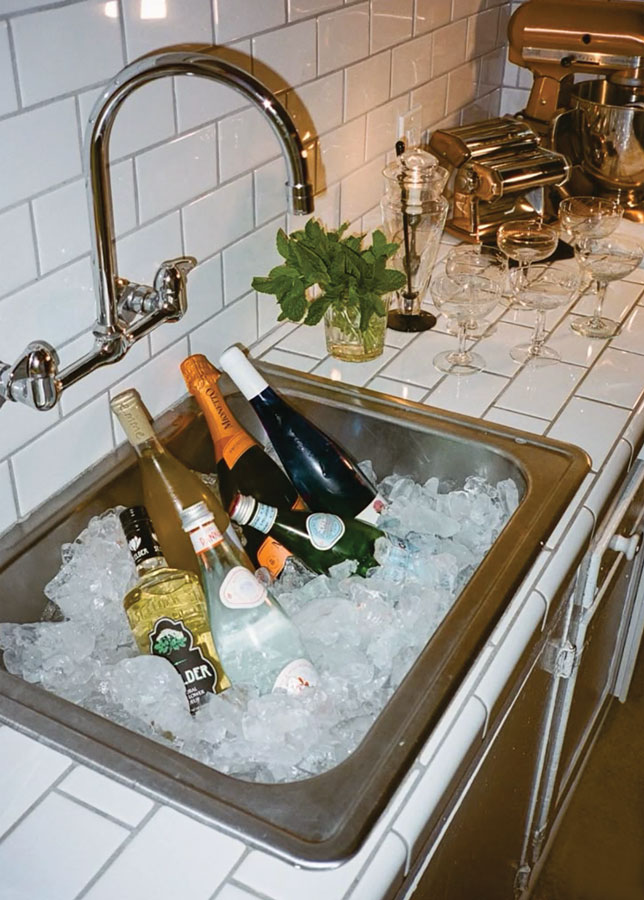
Where once Sauvignon Blanc and Rioja dominated, there is now growing interest in lesser-known grapes, emerging regions, and wines served by the glass to encourage exploration. Tasting menus with carefully selected pairings are thriving, off ering a guided way to discover new styles without commitment. Even natural wines – once divisive – are finding a broader audience.
Still, there’s balance. Familiar favourites have not disappeared – nor should they. Instead, they sit comfortably alongside newer, more adventurous choices. If there is a single thread running through all these perspectives, it is this: wine is meant to be enjoyed, not overthought. In the end, the best pairing is never about rules or reputation – but about context: the food, the company, the moment.
BE-THE-BEST-GUEST BOTTLES
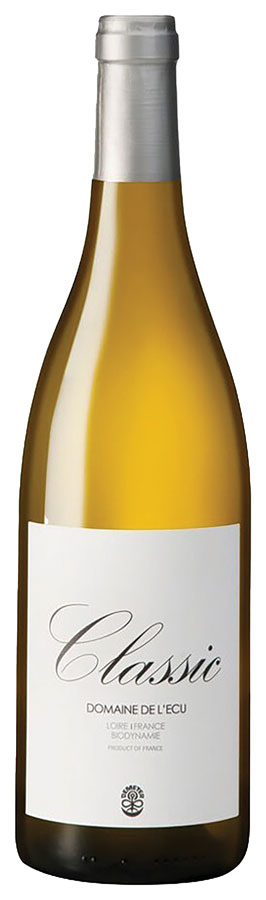
Muscadet “Classic”, Domaine de l’Ecu, France, €24.50; www.64wine.ie.
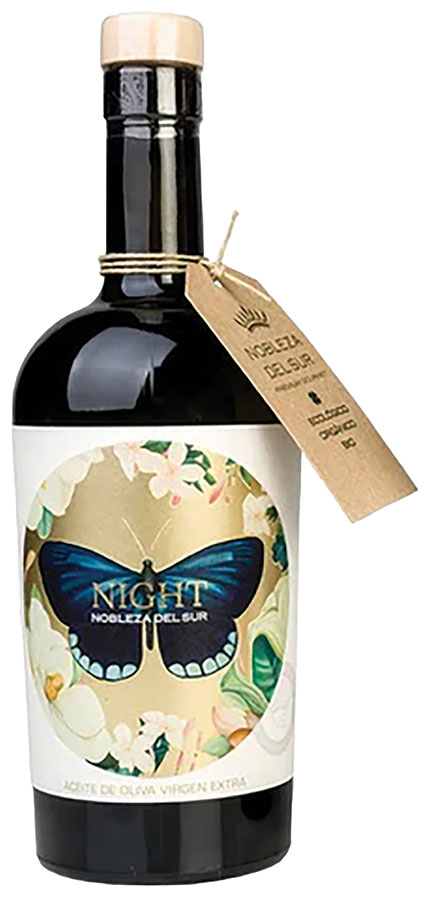
Extra Virgin Olive Oil, Nobleza del Sur, Night, Spain, €28; www.sarahandolive.com.
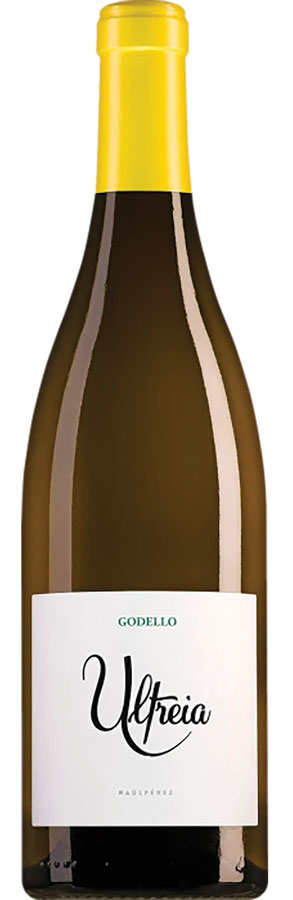
Godello “Ultreia”, Raúl Pérez, Bierzo, Spain, €27; www.whelehanswines.ie.
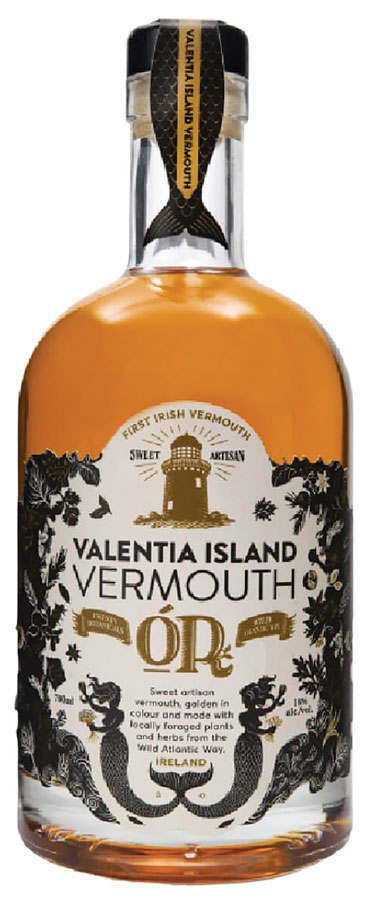
Valentia Island Vermouth, Ireland, €36; www.obrienswine.ie.
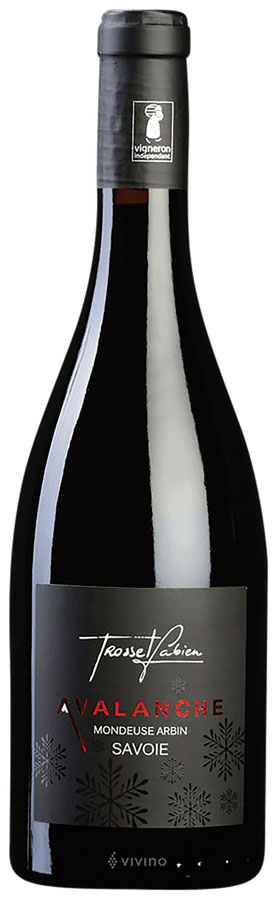
Vin de Savoie Arbin, “Avalanche”, Fabien Trosset, France, €29; www.siyps.com.
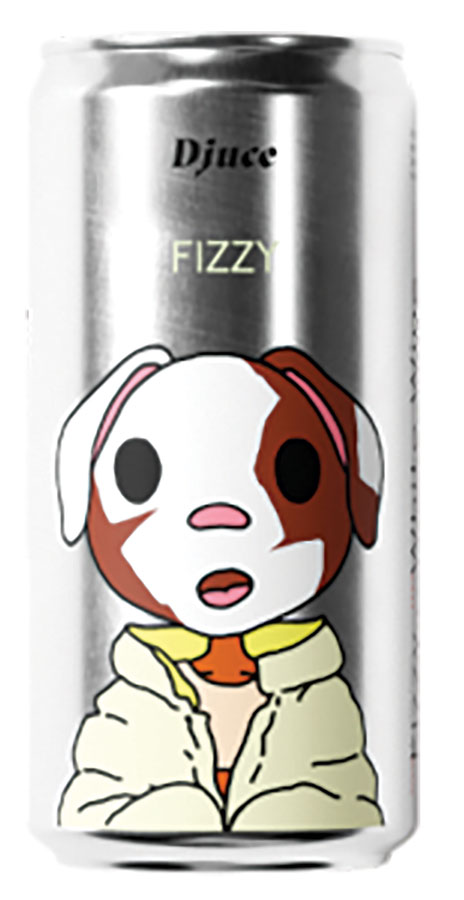
Red wine can, Djuce, Italy, €7; www.greenmanwines.ie.