Exciting Design Hotels To Visit In Europe’s Designer Capitals
By The Gloss
These hotels in Europe’s design capitals are as stimulating as a wake-up-call shot of espresso …
Contemporary design hotels are more than places to stay; they are immersive environments where architecture, interiors and culture converge. Across Europe’s design capitals in particular, from Paris to Copenhagen, London to Lisbon, exciting hotels blend historical context with good design, creating spaces that are as visually compelling as they are experiential. Good design hotels tell stories, whether rooted in local culture, historical context, or the designer’s vision. Many of these hotels occupy historic buildings, their rich backstory reinterpreted through contemporary interiors. There is also a shift towards a holistic approach, where architecture, interiors, food, and atmosphere are integrated into a fully “designed” experience. Not forgetting the opportunities for inspirational and stumilating browsing and shopping on their doorsteps.
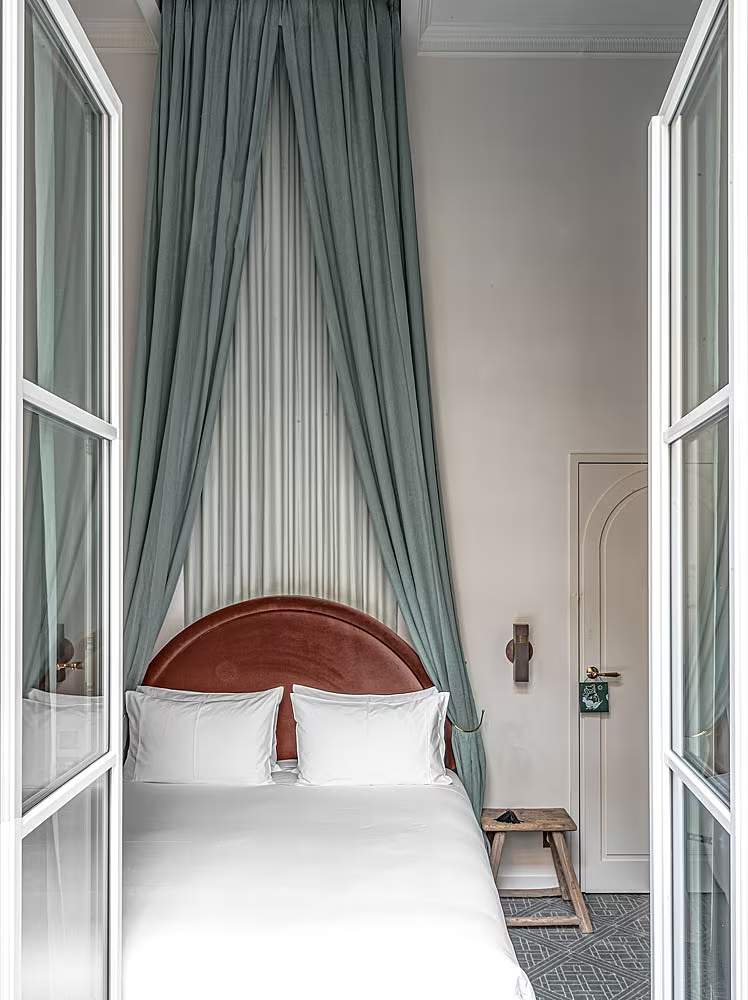
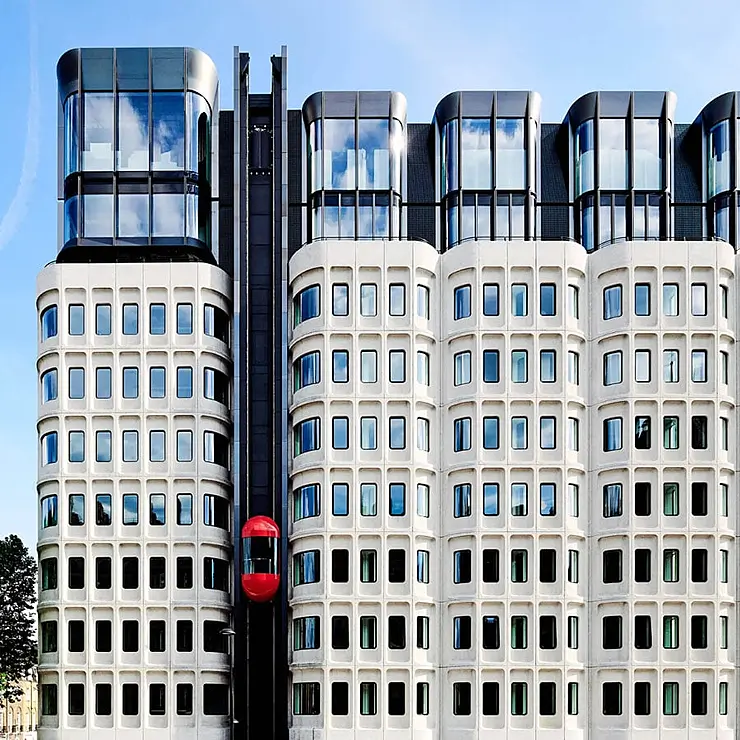
UK boutique group Experimental Hotels is designing some of the most exciting interiors in hospitality right now. The Grands Boulevards Experimental in Paris, designed by the legendary Dorothée Meilichzon, reimagines an 18th-century building with playful romanticism – canopied beds, pastel colours, and a glass-roofed courtyard. The design balances nostalgia and modernity, creating a layered aesthetic that feels both historic and fresh, with fabrics and colours that evoke the 18th century while being unmistakably contemporary. In Paris, the Experimental Marais has a refined, atmospheric interior. Designed by Tristan Auer, the hotel combines a near-monastic calm with restful materials – stone, dark wood, and soft lighting – to create a cocoon-like retreat in the heart of the Marais. A Roman-inspired spa and intimate cocktail bar have a quiet luxury that feels modern and timeless.
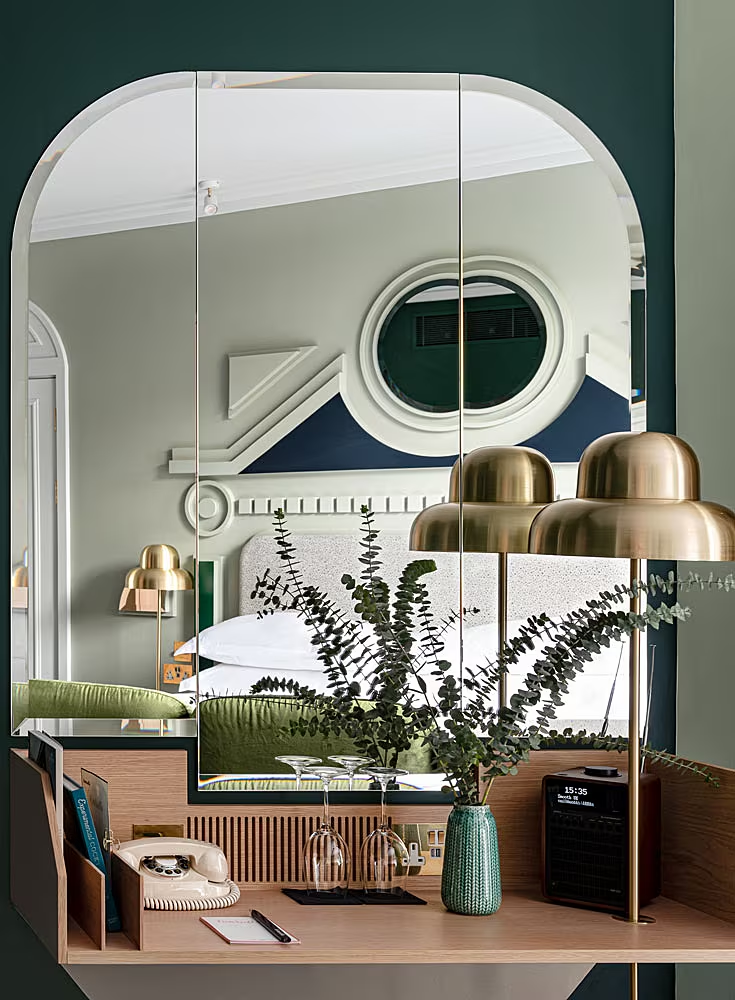
London’s Henrietta Experimental continues this narrative of expressive boutique design. Set across Georgian townhouses in Covent Garden, it combines a bold colour palette – forest green, navy, blush pink – with Art Deco-inspired detailing. The interior, again by Meilichzon, makes the most of soaring ceilings and original architectural features, with contemporary furniture and finishes creating a vibrant, almost theatrical atmosphere.
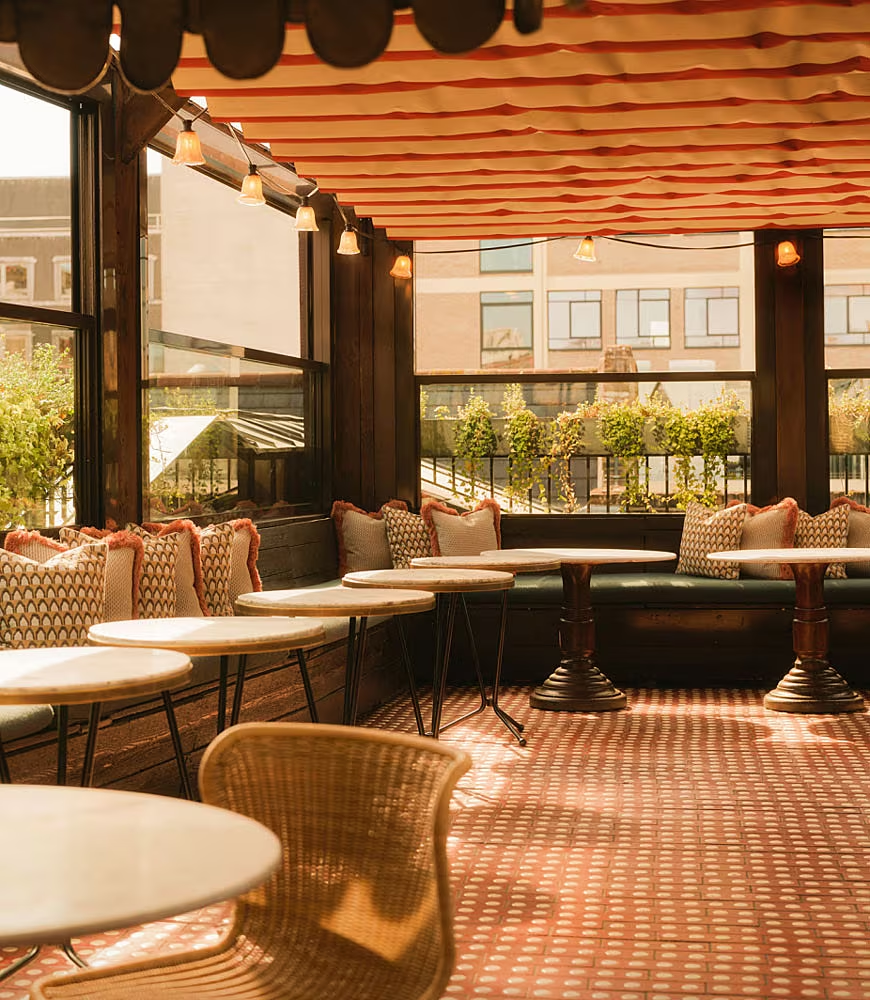
Soho House London at 40 Greek Street is a favourite bolthole of Irish interior designer Suzie McAdam. Its members’ club aesthetic is less about statement-making interiors and more about creating a lived-in, residential feel. Vintage furniture, layered textiles, and eclectic art collections create spaces that feel personal and informal, blurring the lines between hotel and private home – very welcome after a day of pounding the pavements.
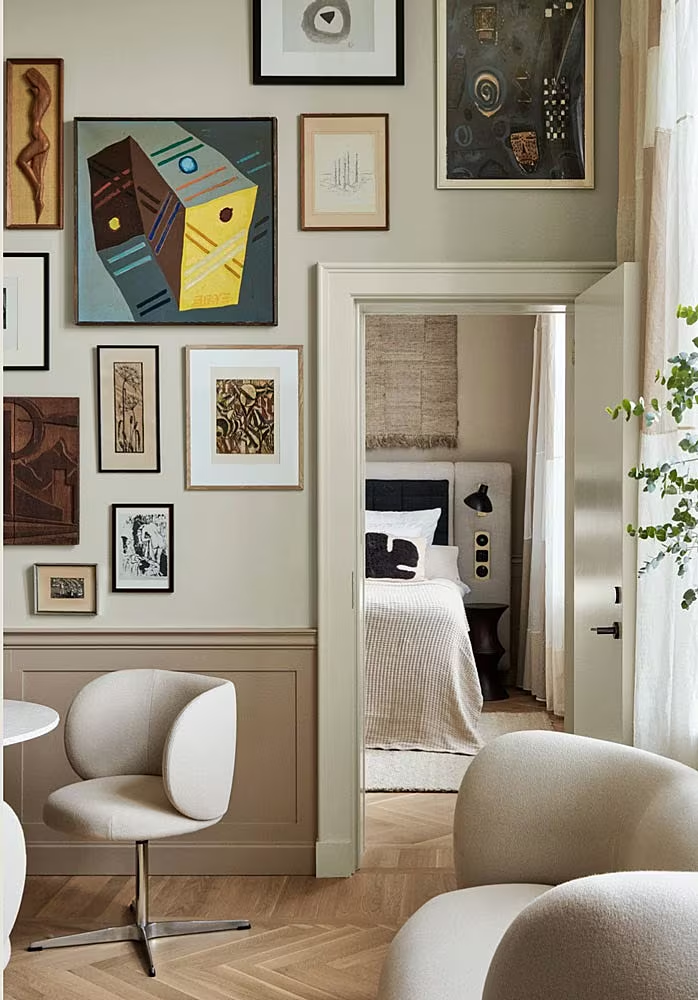
In Copenhagen, contemporary design hotels exist in dialogue with a serious modernist tradition. Villa Copenhagen a former post office, became an exciting hotel that merges heritage architecture with clean Scandinavian minimalism. Its design emphasises sustainability, light, and openness – key principles of Nordic design. Special mention here for Ett Hem in Stockholm designed by Studio Ilse Crawford, where the personal homely vibe (hem means “home”) and easy Scandi charm is underpinned by impeccable attention to every detail.
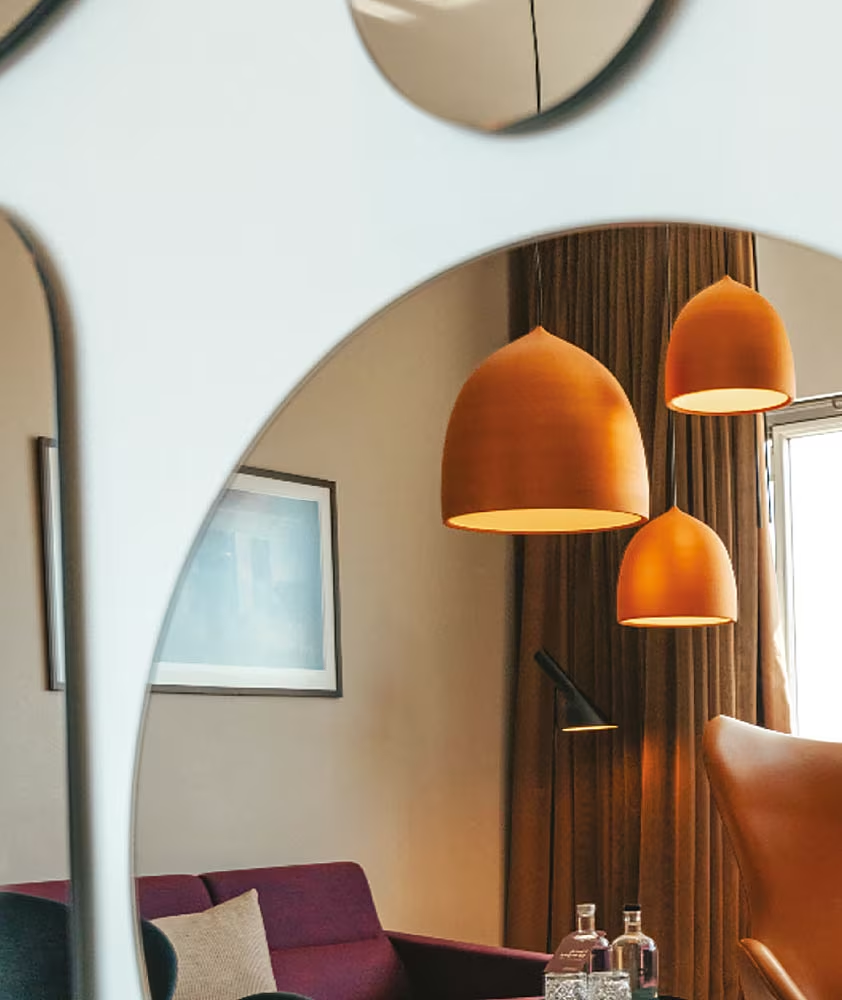
The modern sensibility of certain purpose-built hotels can be traced back to the Radisson Collection Royal Hotel, Copenhagen, originally the SAS Royal Hotel, designed by Arne Jacobsen. Opened in 1960, it is often described as the world’s first design hotel, a total work of art in which Jacobsen controlled every detail, from the facade to the furniture, even the cutlery. Jacobsen’s iconic Egg and Swan chairs remain symbols of midcentury modernism, and the building itself represents a foundational moment in the evolution of design-led hospitality. Contemporary hotels, in many ways, build upon its legacy of holistic design thinking.
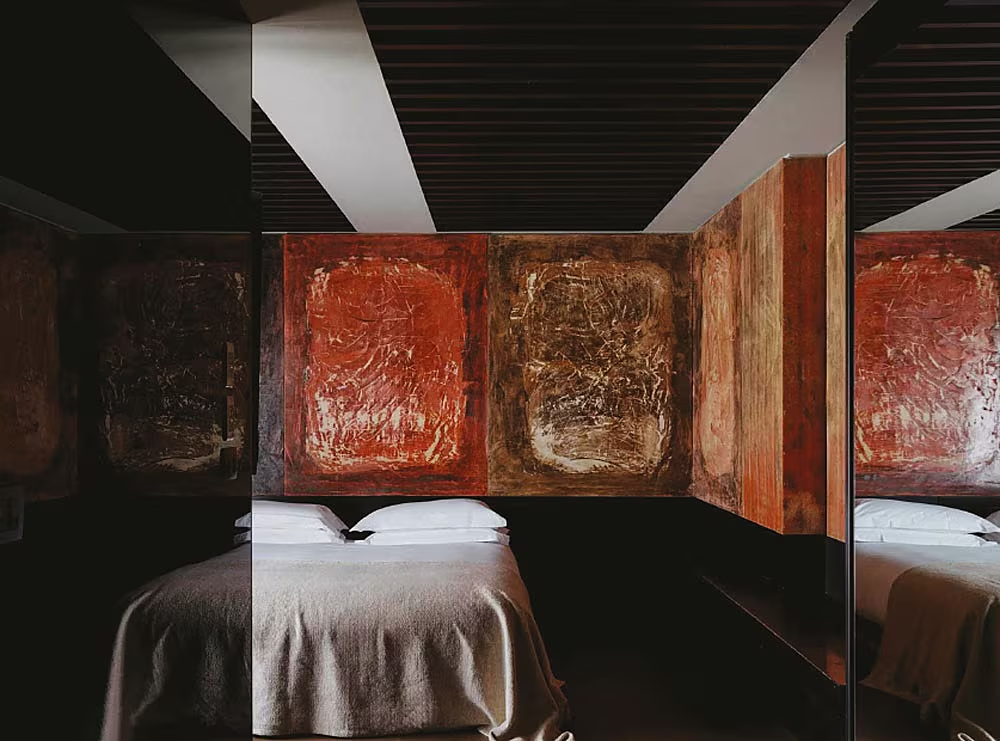
One of Milan’s smartest design hotels is STRAF hotel, near the Duomo. Its period facade gives no hint of its minimalist contemporary interior, with its polished concrete, brass, distressed leather, and modernist furniture. The cinematic interiors feel more like an art installation than a hotel. It perfectly captures Milan as capital of contemporary design. Also a delight to stay in are Casa Brera and the Bulgari Hotel, both with inspiring contemporary interiors.
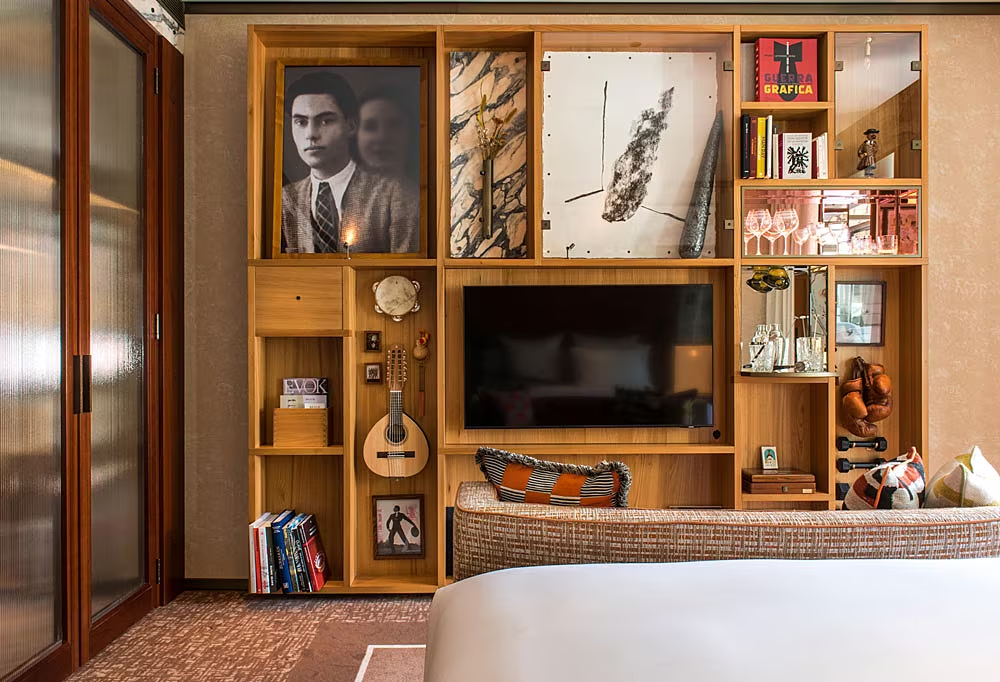
In Madrid, the recently opened Brach Madrid was designed by Philippe Starck. Starck often blends surrealism with narrative, and Brach is no exception: sculptural forms and unexpected juxtapositions create interiors that feel like a stage set, inviting guests to inhabit a carefully constructed imaginative world.
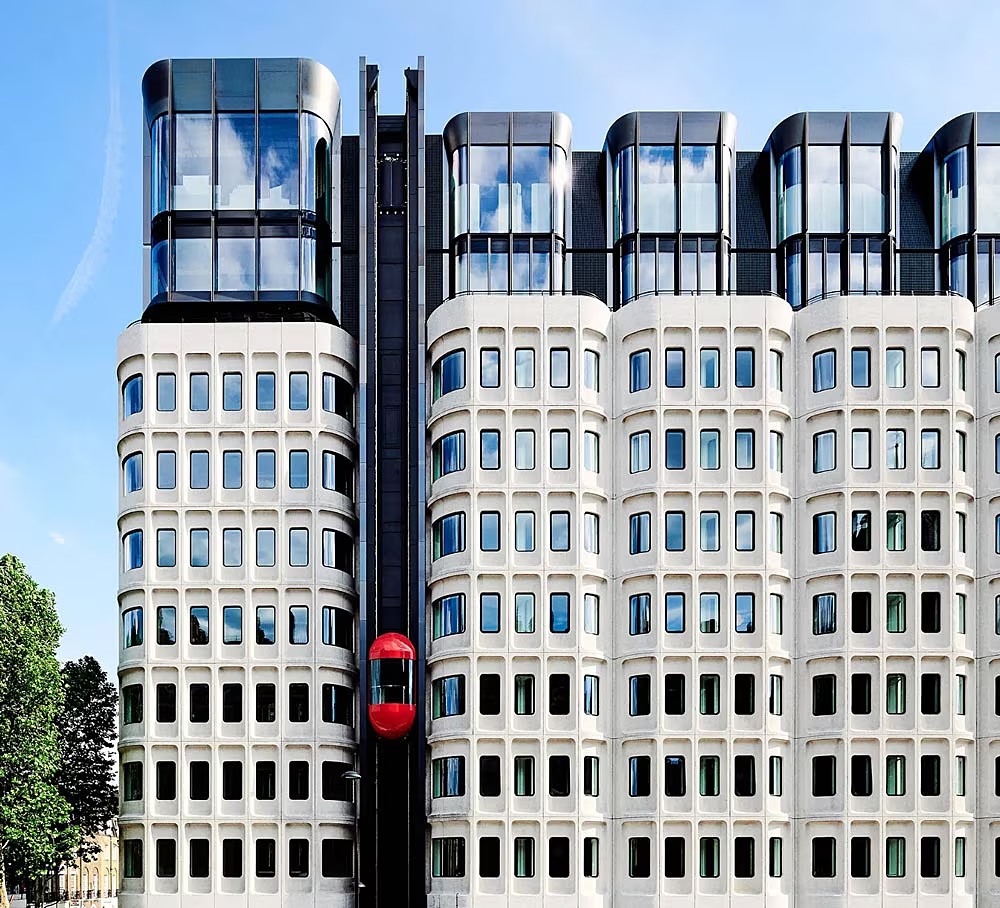
The new Standard Lisbon brings the Standard brand’s signature boldness – clean lines, vibrant social spaces, and a focus on urban culture – to the Portuguese capital. The Tivoli Avenida Liberdade Lisboa blends classic luxury with contemporary styling, successfully demonstrating how established hotels can evolve from an interior design perspective while maintaining their historical identity.
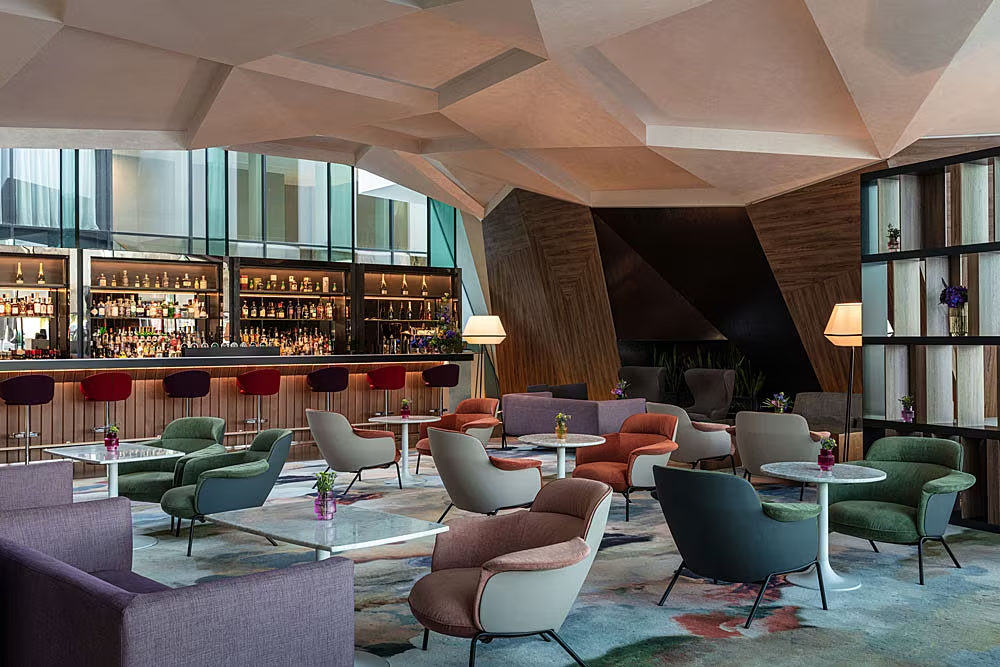
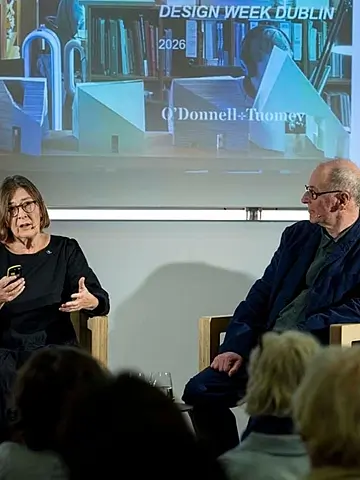
Dublin’s Anantara The Marker Hotel, in Grand Canal Dock, designed by Portuguese architect Manuel Aires Mateus, has stood the design test of time since it opened in 2013. Its bold geometric facade and minimalist interiors reflect a distinctly contemporary Irish aesthetic. With full-length windows affording views over Grand Canal Square, and a cool city buzz, it’s no wonder it’s the venue for the events of Design Week Dublin, which this year will be held in September. @designweekdublin