Beyond Michelin: The Restaurant Guides Worth Knowing
By The Gloss
Look beyond the stars to find restaurants, trattorias and hidden gems that tell much more about a country’s cuisine …
Michelin has just added six Irish restaurants to its latest selection, bringing Ireland’s total to 117. The new additions are Mongoose, Díon and China Hunan in Dublin, alongside Bearú in New Ross, The Grain Store at Killruddery in Wicklow and The Universal in Galway.
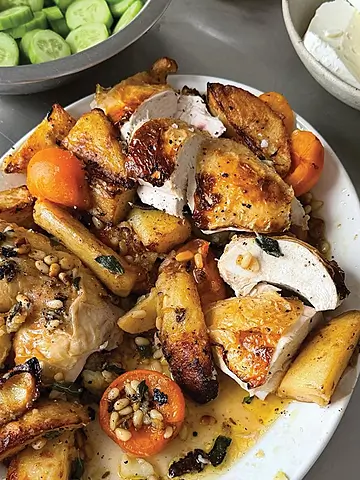
Mongoose, from the team behind Variety Jones, has already become something of a hospitality favourite, helped by its Sunday and Monday opening hours. Expect seasonal cooking, homemade pasta and whole wood-roasted chicken. China Hunan received its nod for its hot pot, generous portions and good value, while Díon brings those 360-degree city views. Bearú, The Grain Store and The Universal round out the additions with their respective focuses on quality produce, country-house dining and Irish ingredients.
None has received a star or Bib Gourmand, but obviously inclusion in the guide is an accolade in itself. Perhaps the more useful takeaway is this: Michelin can be a brilliant starting point, not necessarily the finishing point. When you’re travelling, find out which guide the locals are reading. That’s usually where the fun starts.
Ireland
Closer to home, McKenna’s Guides is the obvious place to start. John and Sally McKenna have been charting Ireland’s food scene since the 1980s, with their annual 100 Best Restaurants in Ireland offering a great alternative to the Michelin hierarchy. It can be an excellent resource for finding destination restaurants and places, where the emphasis is on Irish produce and a strong sense of place.
UK
Across the pond, The Good Food Guide is worth checking. Its inspectors and readers seek out everything from serious restaurants to tiny neighbourhood spots, pubs and seaside bistros, making it good for finding places that don’t necessarily need a Michelin star to be worth the journey. Its 2026 100 Best Local Restaurants is a handy resource.
Italy
In Italy, make Gambero Rosso your friend. Its Ristoranti d’Italia guide covers thousands of restaurants, but it’s not just all about fine dining. Trattorias, wine bars and more casual places all feature, making it a brilliant way to dig a little deeper into Italy’s regional food culture. Its top restaurants are awarded Tre Forchette, or three forks.
France
Gault & Millau is the French guide to know alongside Michelin. Its famously yellow guide uses a toque system rather than stars and covers everything from ambitious fine dining to more relaxed restaurants. It’s also worth watching for emerging chefs and newer restaurants that haven’t necessarily become household names yet.
Spain
Guía Repsol‘s Soles system is well respected and the guide covers a broad range of restaurants, from destination dining to more affordable spots. It’s particularly handy when you’re travelling beyond Madrid and Barcelona and want to get a feel for regional food scenes.
New York
New York is slightly different and, personally, I’d look beyond formal guides altogether. Eater NY is invaluable for keeping up with what’s happening across the five boroughs, from its regularly updated Eater 38 to its Heatmap of new and buzzy restaurants. The Infatuation NYC is another excellent resource, particularly for practical recommendations by neighbourhood, occasion and budget.
Australia
As any fan of Masterchef AU will tell you, The Good Food Guide is the one to bookmark. Its Chef Hats are a well-established measure of restaurant quality, and its coverage is particularly useful for Sydney and Melbourne. Unlike Michelin, which doesn’t currently offer Australian coverage, it gives you a fuller picture of where Australians actually like to eat.
Japan
Japan is where things get particularly interesting. Tabelog isn’t a traditional anonymous-inspector guide like Michelin, but it’s enormously influential with Japanese diners and an excellent resource for finding everything from sushi and ramen to izakaya and tiny neighbourhood restaurants. If you’re travelling there, it’s well worth checking what the locals are rating rather than simply following the stars.
And then there’s The World’s 50 Best Restaurants, which is less a guide and more a global snapshot of the most talked abou restaurants. The annual list is useful for spotting chefs and restaurants shaping the international food conversation, although it’s worth remembering that a ranking of 50 will obviously leave a lot of great restaurants off the table.