An Interview With Designer Dries Van Noten On His Next Move
After stepping back from his namesake label in 2024, designer Dries Van Noten has revealed his next act. Deirdre McQuillan met him in Venice
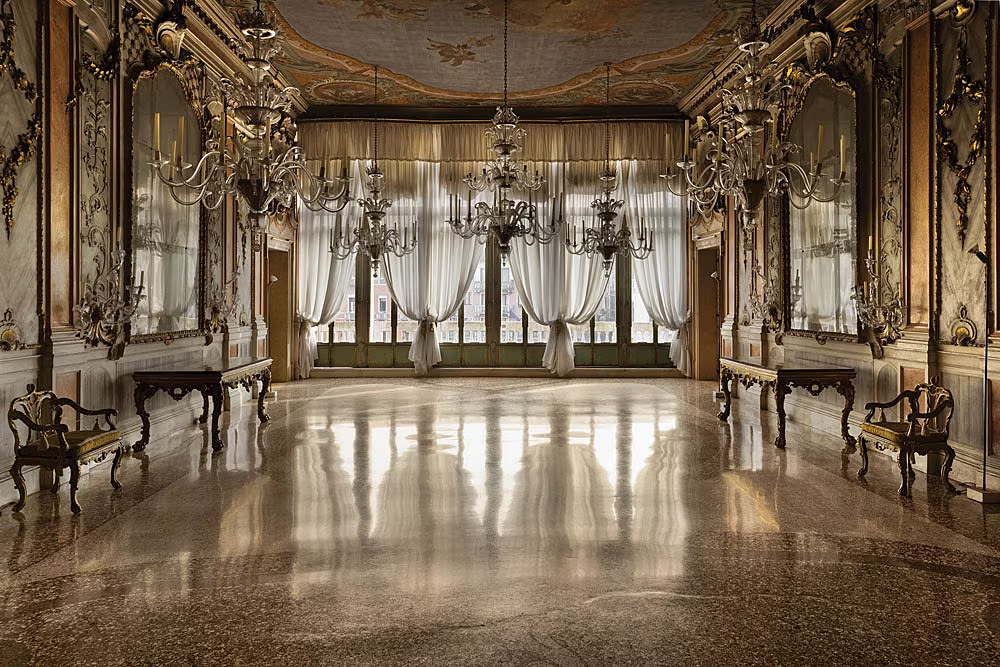
The inaugural exhibition, “The Only True Protest is Beauty”, at Fondazione Dries Van Noten in Venice, has become one of the city’s talking points, another compelling reason to visit La Serenissima. Located on the Grand Canal in the historic 15th-century Palazzo Pisani Moretta acquired by the Belgian designer and his partner Patrick Vangheluwe last year, it opened in April and is already attracting record crowds and publicity.
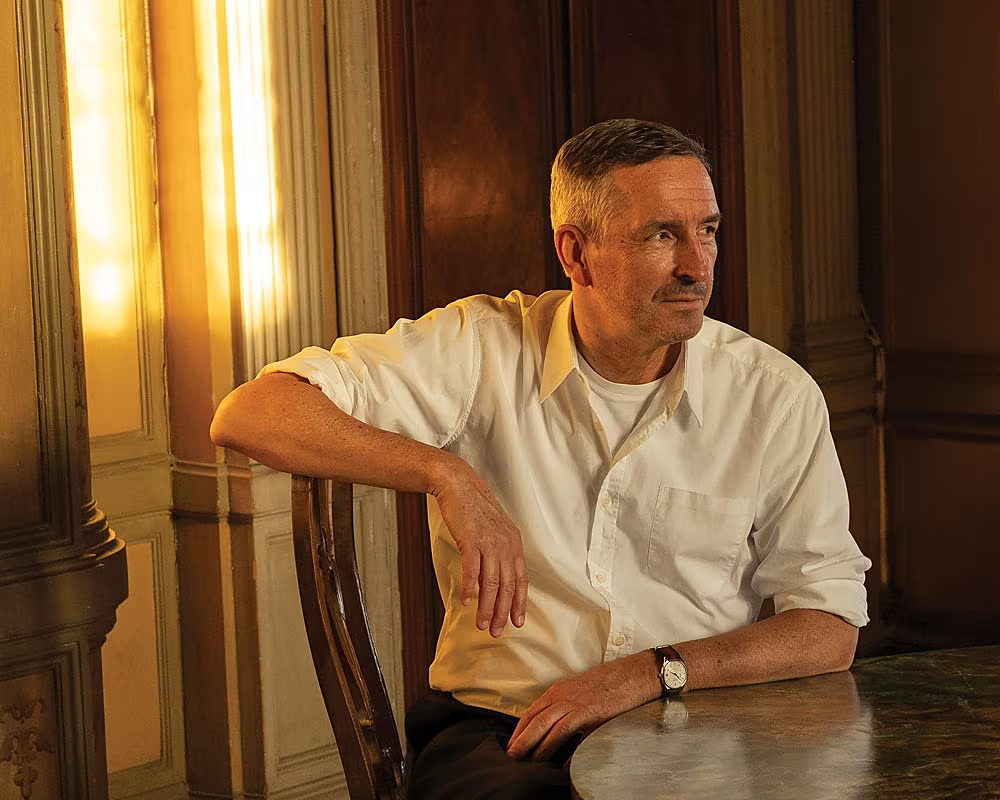
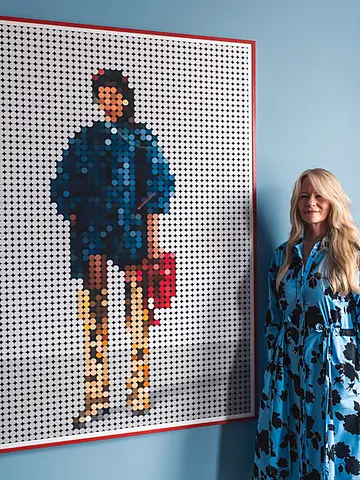
Dries Van Noten.
A celebration of craftsmanship in all its forms, its title draws from a 1960s protest song by US singer/songwriter Phil Ochs: “in such ugly times, the only true protest is beauty”. Spread over 20 rooms and curated by Van Noten with longtime collaborator Geert Bruloot, it features more than 200 works from some 50 independent artists represented by internationally renowned galleries that span fashion, jewellery, glass, furniture, ceramics, textiles and photography.
What makes the whole experience overwhelming is not just the opulent Venetian Gothic building itself with its 18th-century interiors and Tiepolo frescoes, but the selected pieces presented against this sensationally beautiful and detailed interior pushing the boundaries of what the human hand can produce. For Van Noten, who stepped away from his role as creative director of his namesake brand two years ago, this cultural space, a transition from his celebrated career as a fashion designer, grew from a desire “to expand the discourse around craftsmanship as something active and forward looking”.
For a designer who always drew references and inspiration from the art world for his fashion collections, it was often the clash between two artworks, the dissonance, that he found more interesting than the works themselves. I ask him how he explains the difference between craft and art. “For me there is not a lot of difference between the two and it is a question that is less relevant today. I wanted to create a space for coincidences and intuition. I don’t want to waste time , but I am trying to make a difference and for me what people make is much more important.”
“I have been a storyteller my whole life, and we have a story using this house.”
On the influence of AI on craftsmanship, while acknowledging that AI will improve, he stresses the importance of craft and human intuition in the face of its development. He offers an example: “Preparing food is pure intuition. When I have a recipe, I start with it and maybe then make my own changes because I get bored with it – and that is typical of human beings. You have a plan and you start to make it and halfway you change your mind and make something else, or you stop.” He cites the juxtaposition of master artisan Bruno Barban, a traditional Venetian woodcarver, with the disquieting wooden work of Czech sculptor Richard Stipl as two intuitive ways of working.
Such “coincidences and intuition” inform the whole exhibition, which opens with a dark, majestic and monumental sculpture in cardboard, iron and waste by Peter Buggenhout that dominates the ground floor entrance and immediately sets the tone.
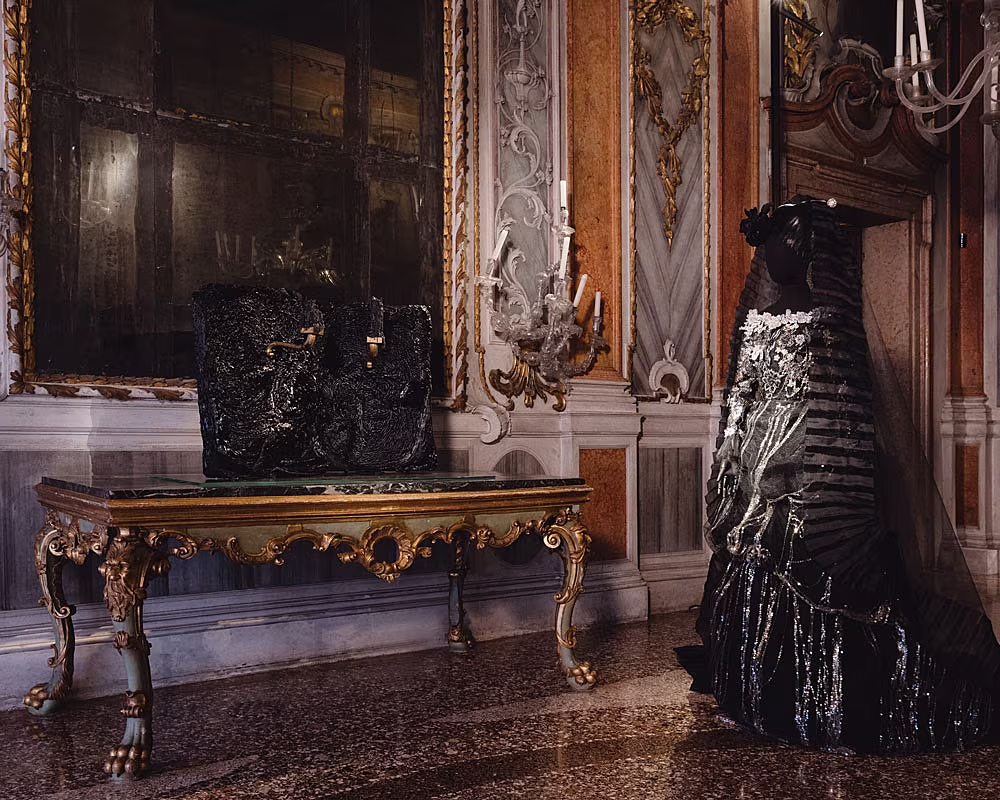
Christian Lacroix Haute Couture autumn/winter 1997, wig and headdress arrangement by Fabio Petri. Lionel Jadot “Black Moon Chandeliers”, 2025.
In the first salon, Steven Shearer’s photographs of sleeping subjects alongside memento mori jewellery masterpieces by Cogdonato (a lot of skulls and precious stones) are presented with statement couture pieces by Christian Lacroix, and Comme des Garçons’ concept-driven constructions. More than 20 behind the scenes videos offer glimpses into the process of making and feature brief conversations with some of the creators.
Fashion plays a significant role in the exhibition with some 15 silhouettes by Lacroix, many of which come from private collections, and voluminous sculptural outfits from Rei Kawakubo questioning conventional notions of beauty. It introduces a young Palestinian designer, Ayham Hassan from Ramallah, whose collection was created under occupation in Gaza with his mother’s help.
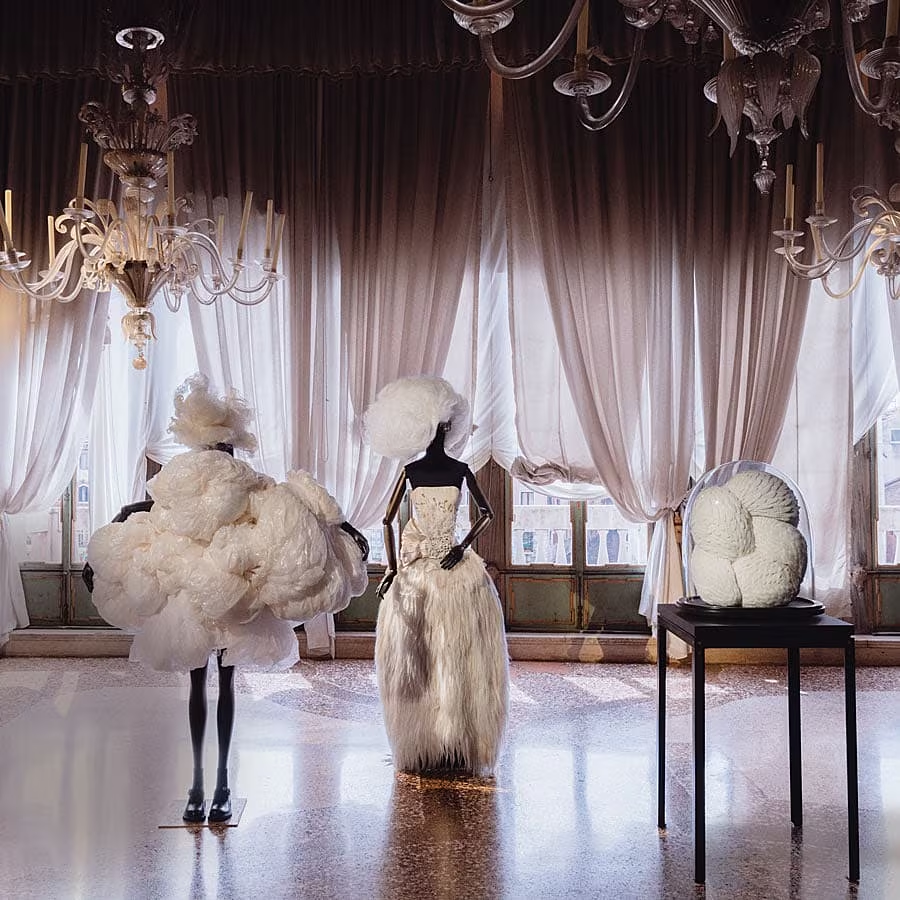
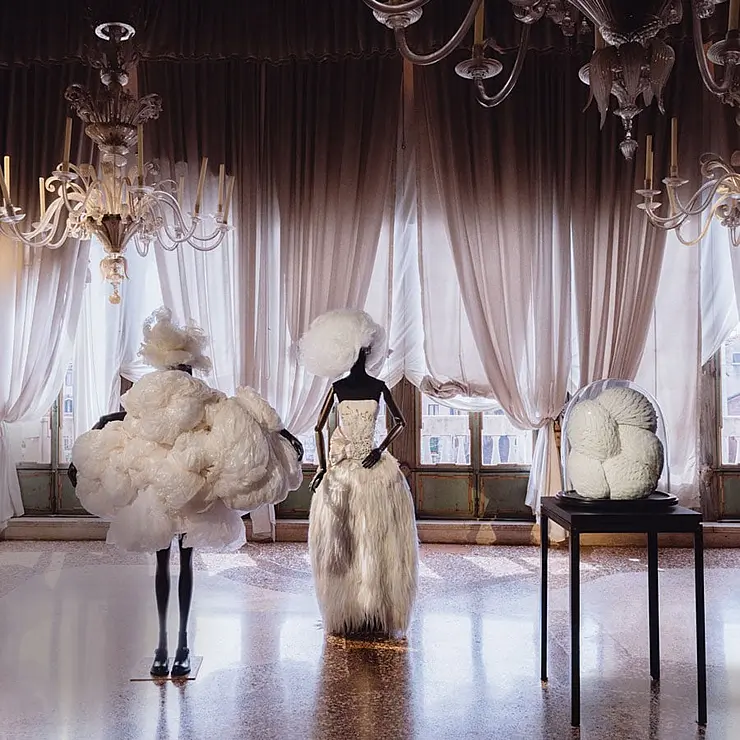
Comme des Garçons spring/ summer 2025, headpiece by Julien d’Ys; Christian Lacroix Haute Couture autumn/winter 2004, wig by Fabio Petri; Kate MccGwire’s “STIFLE”, 2008, white dove feathers in antique glass dome with black wood base.
There are so many intriguing and breathtaking pieces – too many to mention, but one of the most extraordinary centrepieces in the whole collection is by a young French sculptor, 23-year-old Joseph Arzoumanov. Made with volcanic stone, gold and silk embroidery it is guided by AI, a robotic arm that orchestrates a chessboard. It took three years to make this Chessboard of Dreams. “We helped him financially,” says Van Noten. “He is a dreamer and works so hard when other kids of his age are going online or out partying,” he adds admiringly. “I need young people around me so that I can help and guide them. I want to work around beauty and I want to ask questions.” The Foundation has many plans to continue the conversations with students from all disciplines, from musicians to winemakers, and throughout the year, curated presentations, collaborative projects, residencies and special events will be organised.
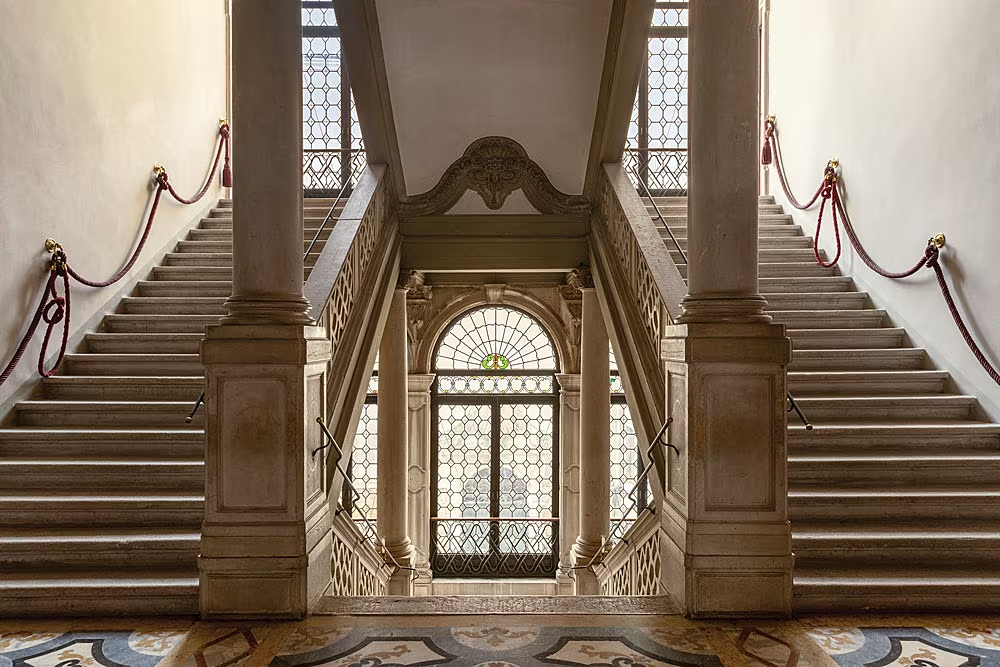
In some ways, the Foundation is a logical development from Van Noten’s career in fashion where his collections always had a certain dissonance with unconventional but successful combinations of colour, texture and form. Every aspect of such runway presentations demanded forensic attention to detail and narrative.
“I have been a storyteller my whole life,” he says, “and we have a story using this house.” He also credits his subversive questioning approach to his DNA, his background and his rejection of his Jesuit education as a young gay person. “The Jesuits tried to mould and destroy my personality so I had to resist. They didn’t manage to do that, so it opened my eyes because I had to escape.”
He still maintains a beautiful home and garden in Antwerp and argues that Antwerp and Venice have a lot in common. “They both have a lot of water and a lot of history. But Venice is more welcoming than Antwerp; in less than a year we have made more friends here – and many of them young people – than I ever had in Antwerp.” This non-profit mission to dissolve boundaries between disciplines, to safeguard heritage, nurture new talent and honour the skills of those who work with hand, heart and head makes the Fondazione a timely counterweight to an increasingly digitised world.
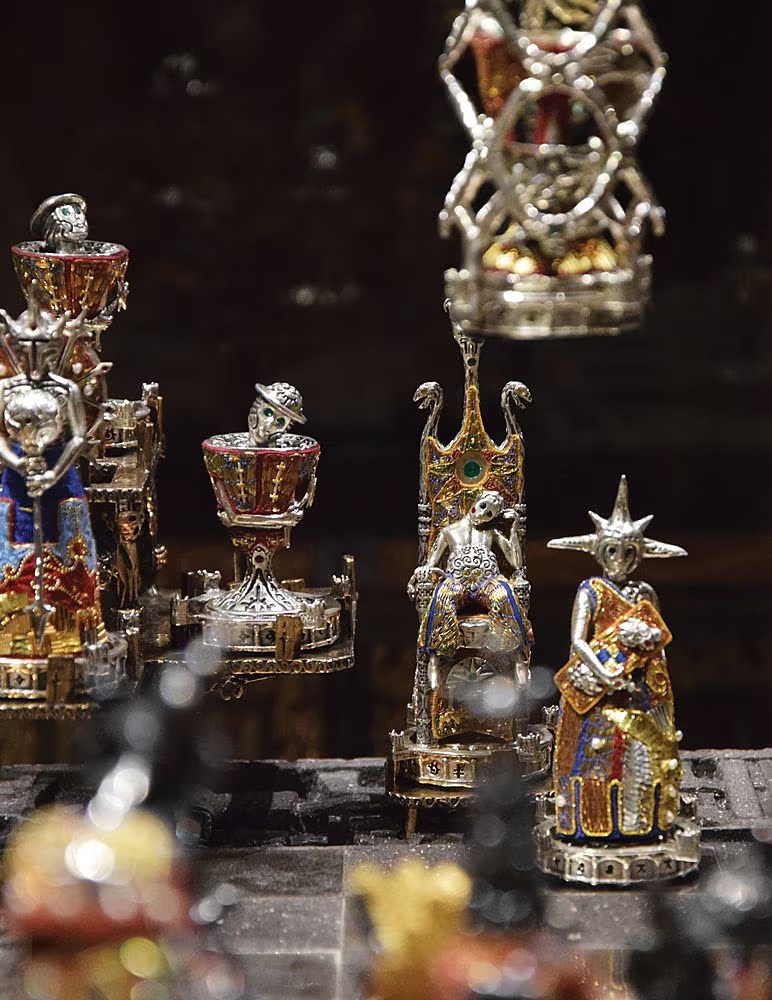
Joseph Arzoumanov “L’Échiquier des Songes”, 2026.
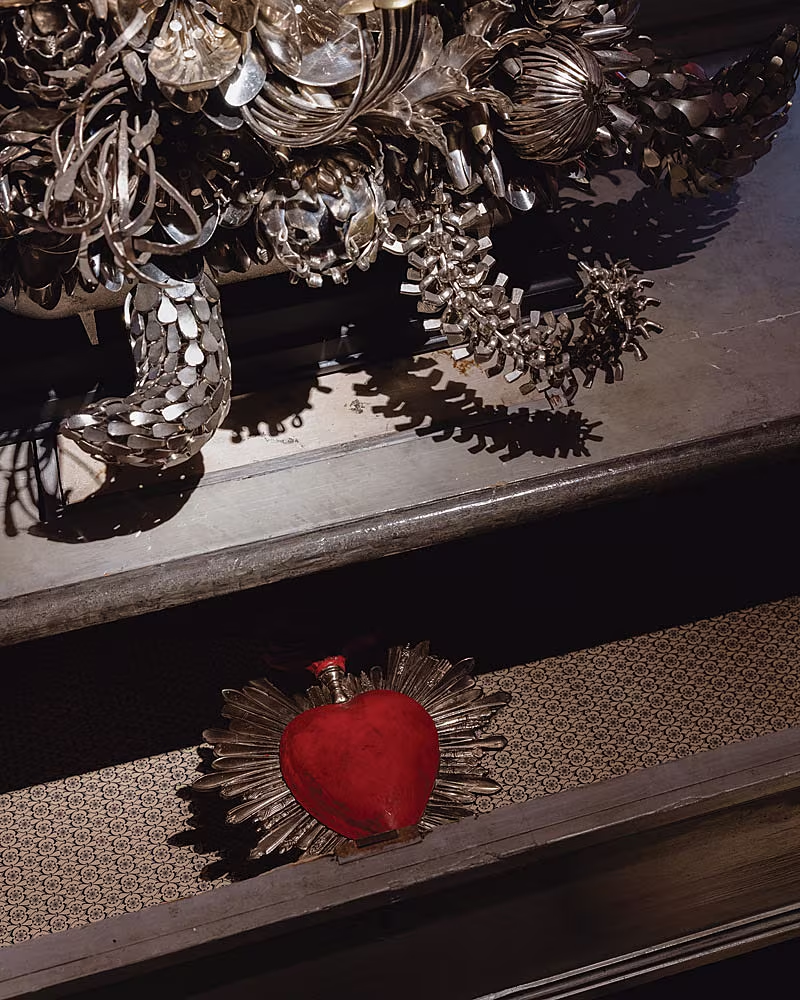
Ann Carrington’s “Persian Slipper”, 2026.
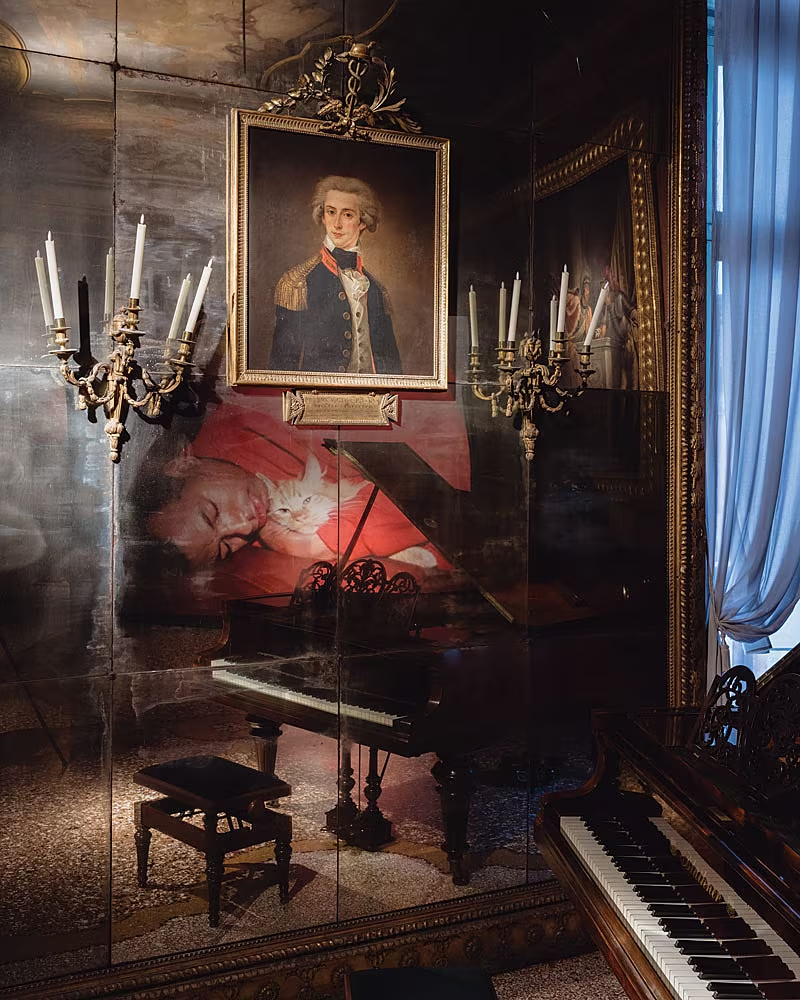
Steven Shearer’s “Whiskered Sentinel”, 2024 is juxtaposed with an 18th-century portrait of Pietro Vettor Pisani by an unknown artist.
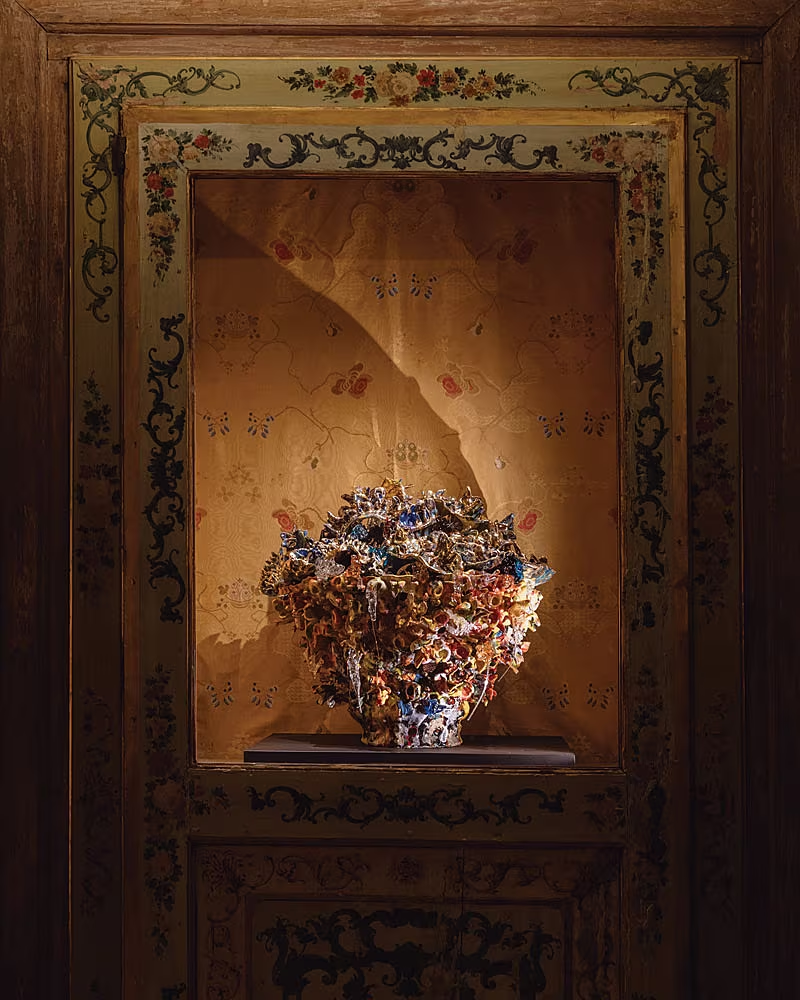
“A Frock Will Hide All Those Sticky Out Bits He Said” by Virginia Leonard, 2026.
Need to know: “The Only True Protest is Beauty” at Fondazione Dries Van Noten runs until October 4. www.fondazionedriesvannoten.org. @fondazionedriesvannoten
SEE MORE: Pioneering Photojournalist Eve Arnold’s Grandson On Marilyn Monroe