3 Must-Read Books This Summer
A true story, a literary tome and a memoir …
The Must Read
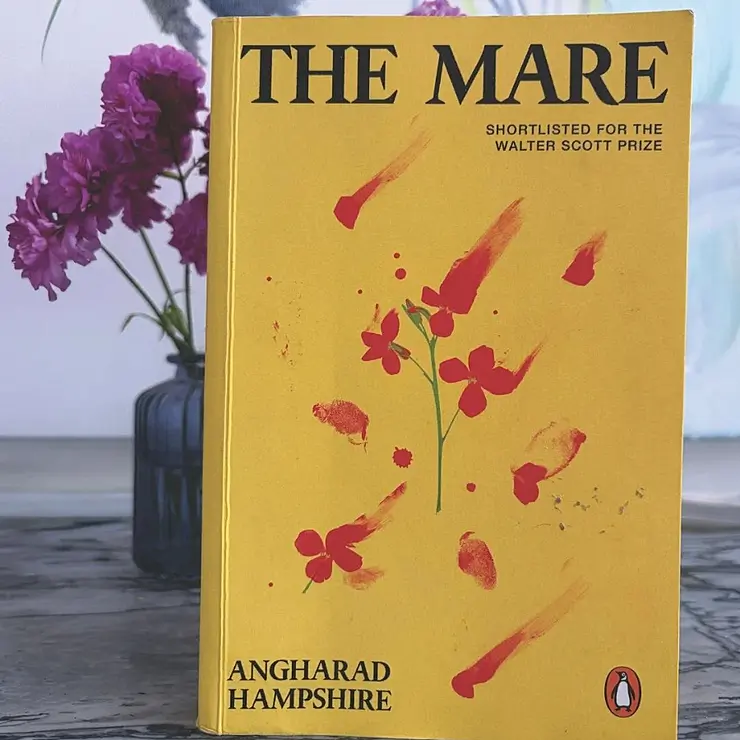
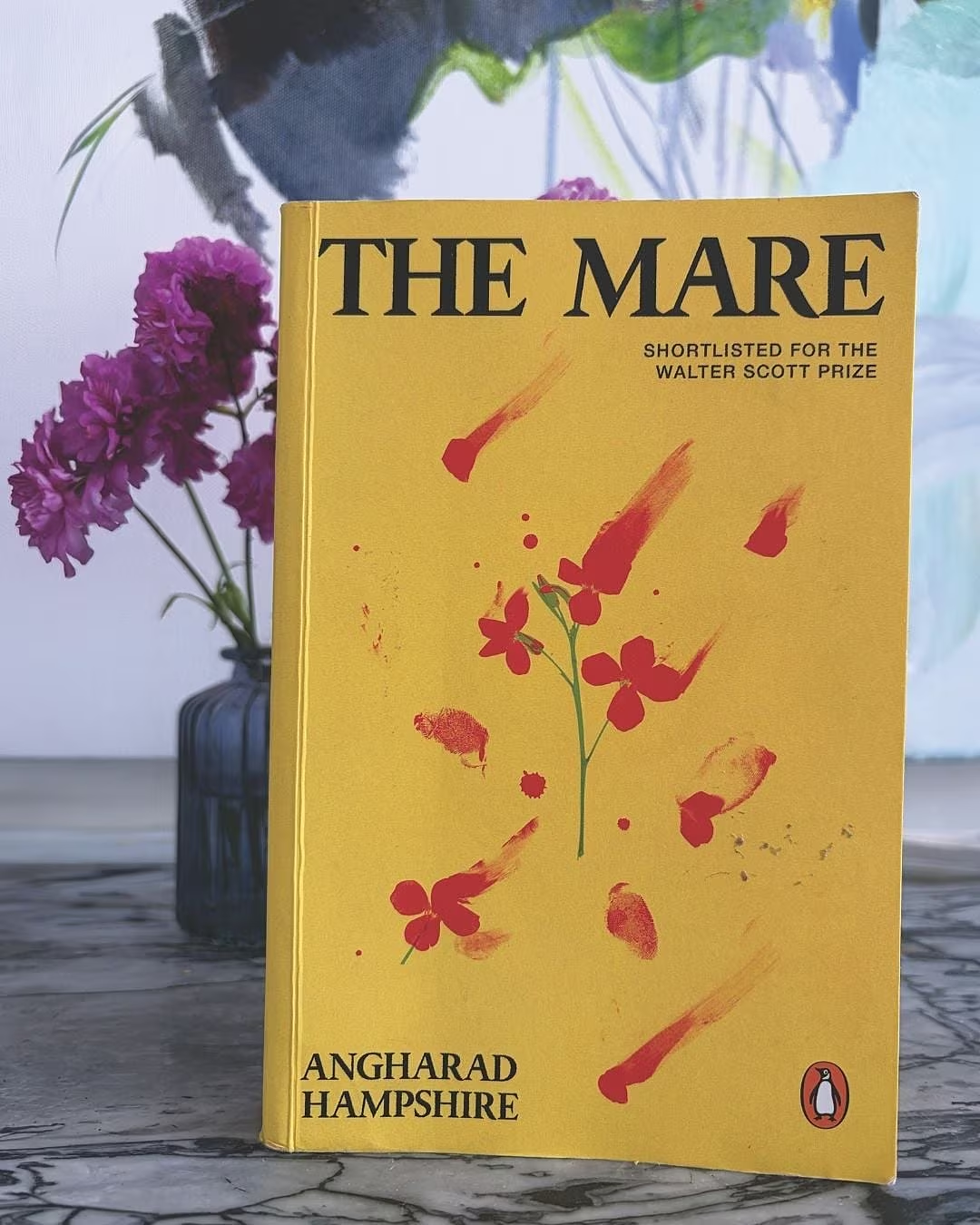
THE MARE (Penguin, €11.50, August 22) by Angharad Hampshire is as far as possible from your frilly holiday read. Based on a true story, the novel attempts to trace how an ordinary person becomes a monster. It cuts between Second World War Germany and the decades beyond, as we discover the terrible past of our trusting narrator’s new wife. It’s all told in the present tense, making it feel painfully current, and it has a filmic quality; there are scenes reminiscent of The Zone of Interest. The female protagonist is devoid of empathy and it’s often unbearable to be in her company. This Holocaust novel, shortlisted for a prestigious historical fiction prize, is dedicated “To those who stand up”.
The Literary Read
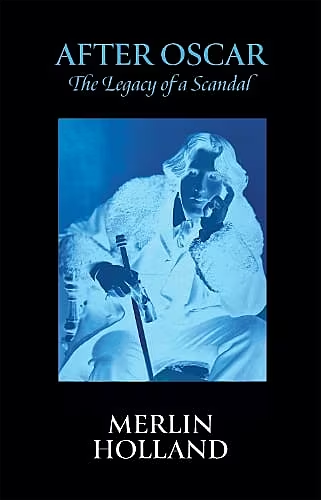
AFTER OSCAR: THE LEGACY OF A SCANDAL (Europa Editions, €33) by Wilde’s only grandson, Merlin Holland. We know that Oscar Wilde died in Paris in 1900, exiled, exhausted and with his reputation in tatters. But we know little of the reverberations of the scandal in the decades that followed. Merlin Holland charts the extraordinary afterlife of one our finest writers and thinkers, blending scholarship with a memoir that sparkles with Wildean wit and insight.
The Memoir
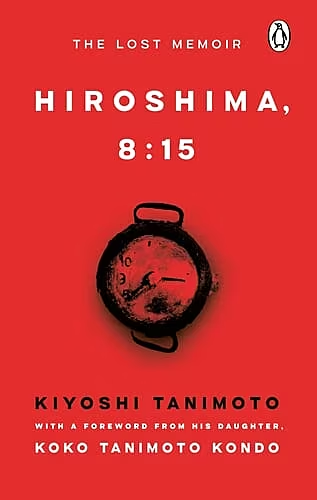
HIROSHIMA, 8:15 (Ebury Press, €19) is the most extraordinary thing I’ve read this month. It’s an eyewitness account of August 6, 1945 by Kiyoshi Tanimoto, a Methodist minister who was to become one of the most well-known of the survivors. At the moment of the “strange flash”, he writes, “not one person knew it was an atomic bomb.” Tanimoto’s memoir was only discovered among papers in 2022, and it’s a painfully honest and factual retelling. The moment when he meets the copilot and captain of the Enola Gay, the plane that dropped the bomb, is heart-stopping. There are unforgettable images. “It was then that black drops of rain, as big as blackberries began to fall – rain caused by the atomic bomb.” Tanimoto was heroic yet humble. He spent the rest of his life working for peace and understanding, becoming something of a reluctant celebrity. Hiroshima is the sequel to Oppenheimer in a way, and is set to be made into a film as well. I was fascinated by journalist John Hersey’s vital role: he interviewed Tanimoto and other survivors for The New Yorker in a piece that was “one of the greatest journalistic achievements of the twentieth century”. The foreword to Hiroshima by Tanimoto’s daughter, who was nine months old in August 1945, now a peace activist, provides a wise overview: “I worry that the error of August 6, 1945 is about to pass out of living memory. The price of forgetting it is humanity itself.” Astonishing.