A Bright Extension Has Transformed This Terraced Period House
By The Gloss
By adding less than 20 square metres, a bright extension is transformational …
Many transformational home extensions are characterised by high-design, big-budget improvements that involve rethinking the flow of the spaces into larger open-plan or multi-level arrangements. While the complex challenges of this terraced period house might have warranted similar scaled-up thinking in the hands of other clients or designers, architect Robert Bourke’s sustainable plan provided an elegant solution without breaking the bank.
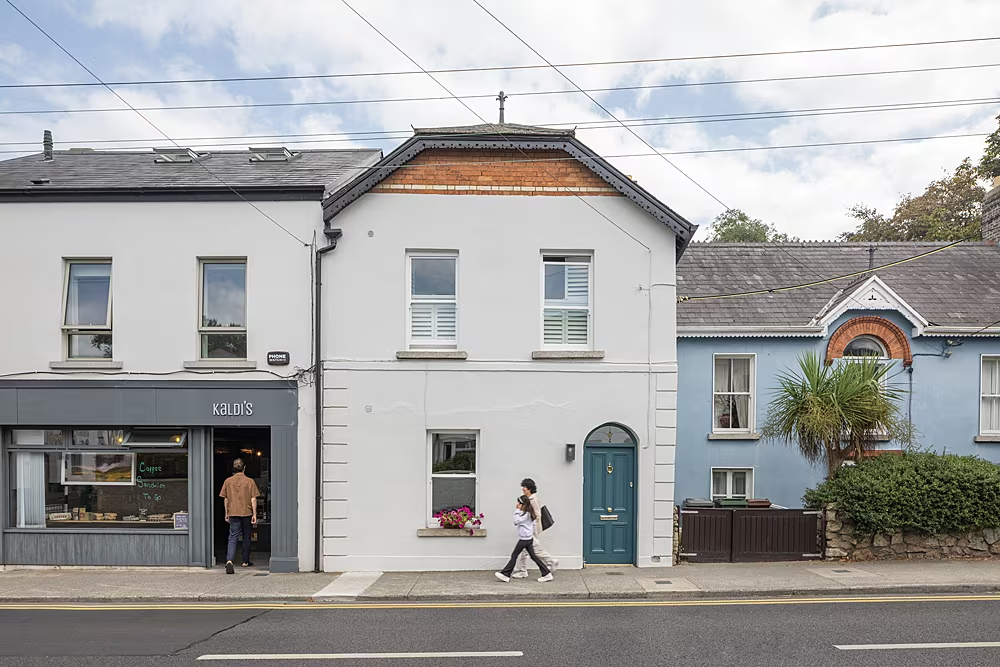
A traditional on-street facade opens to the airy indoor-outdoor flow of spaces within.
The house had been extended twice in the past with limited success. One aspect of past failures to reconfigure the space might have been the constraints posed by a terraced house – specifically the lack of access for construction and the absence of off-street parking. Negotiations with the primary school to the rear of the property resulted in the boundary wall being opened temporarily, so that demolition waste could go out, with windows and materials brought in.
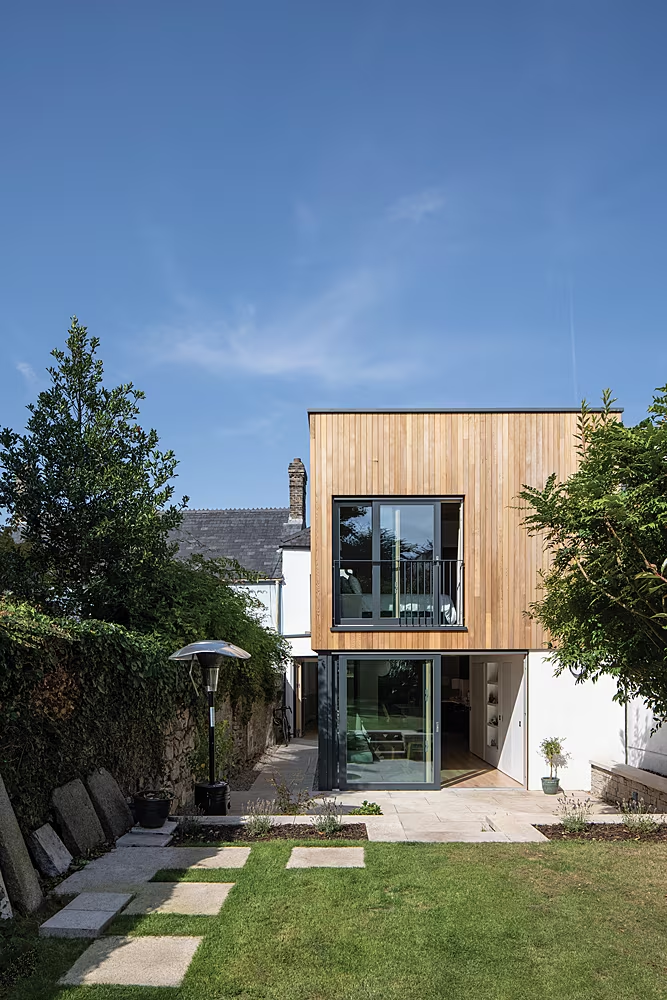
The oiled cedar cladding on the first floor extension is naturally durable.
Robert engaged a problem-solving builder, Rostyslav Ishchuk, R&U Construction, to reuse as much as possible of the existing structure to reduce the cost of materials, and to take the energy rating from the lowest to the highest possible. A breathable cork-lime internal insulation system, underfloor heating, powered by a heat pump and supported by PV panels, together with a continuous extract ventilation system, transformed the home’s energy performance, raising its BER from G to A.
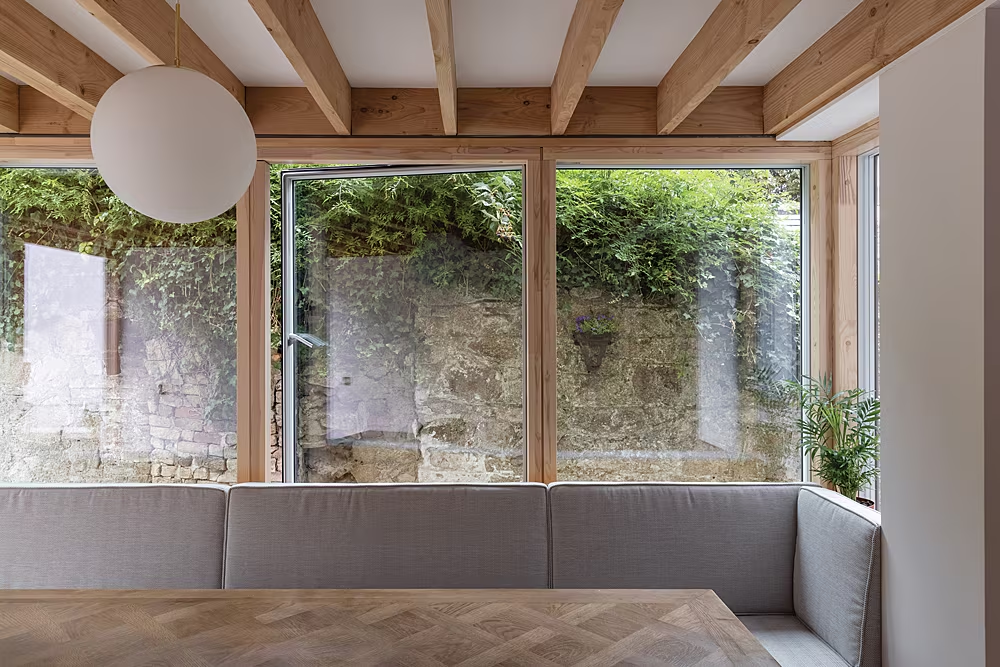
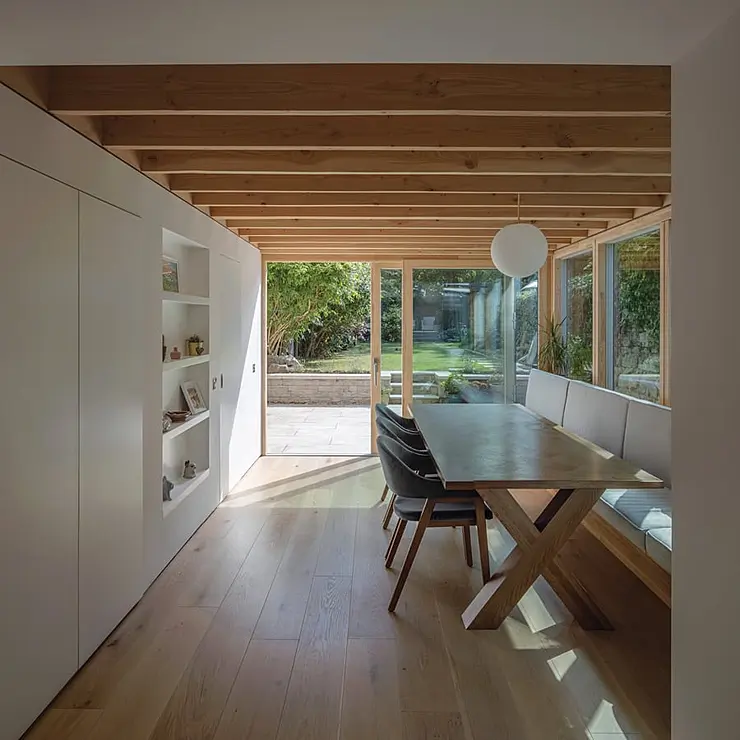
A built-in banquette transforms the dining area into an informal multi-use social and work space.
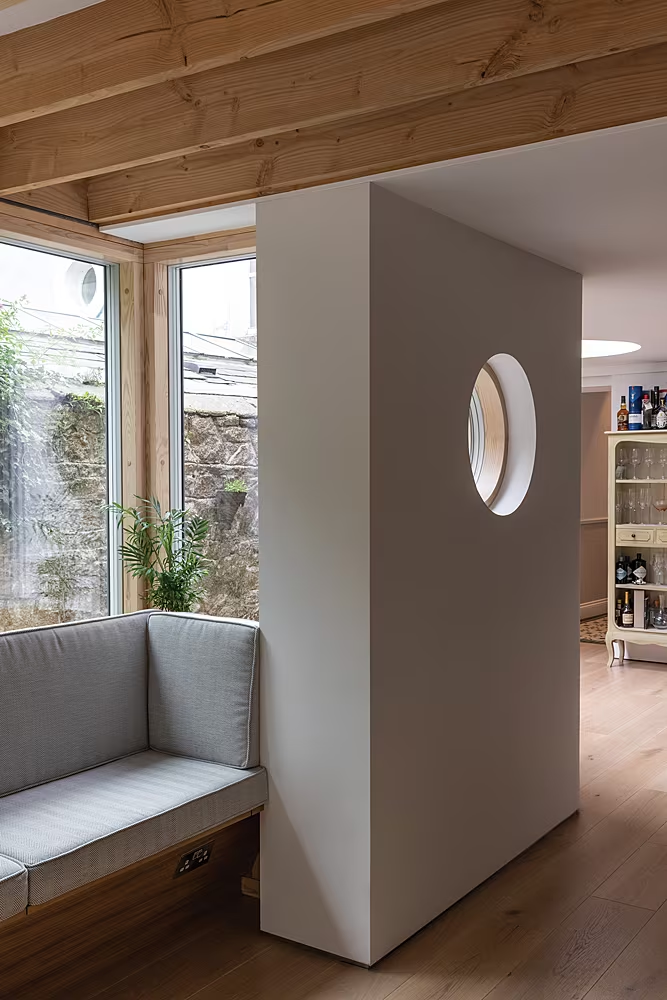
The new layout allows linking and expansion of the living spaces with unifying elements like the oiled oak flooring and timber beams. Every opportunity to bring light in has been exploited with an angled circular lightwell punctuating the ceiling.
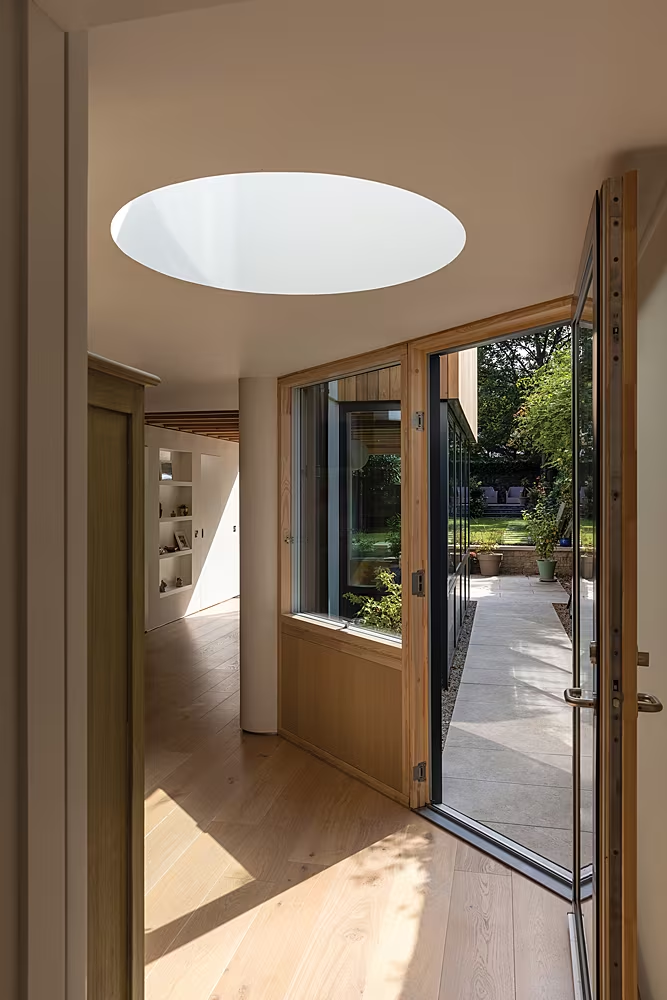
A collaborative and exploratory design process with his clients was key to achieving this unique design, according to Robert. “The design centres around a cedar-clad, timber-framed extension, which enlarges and reshapes the ground level. A single storey link at the rear of the hallway, illuminated by a circular roof light, now provides a direct connection to the kitchen, which had previously been reached only through a rear reception room.” The use of timber provides both high durability and faster construction times, but it also has low thermal conductivity, making it feel warmer to the touch than concrete or steel. It reduces thermal bridging, aiding in overall thermal efficiency.
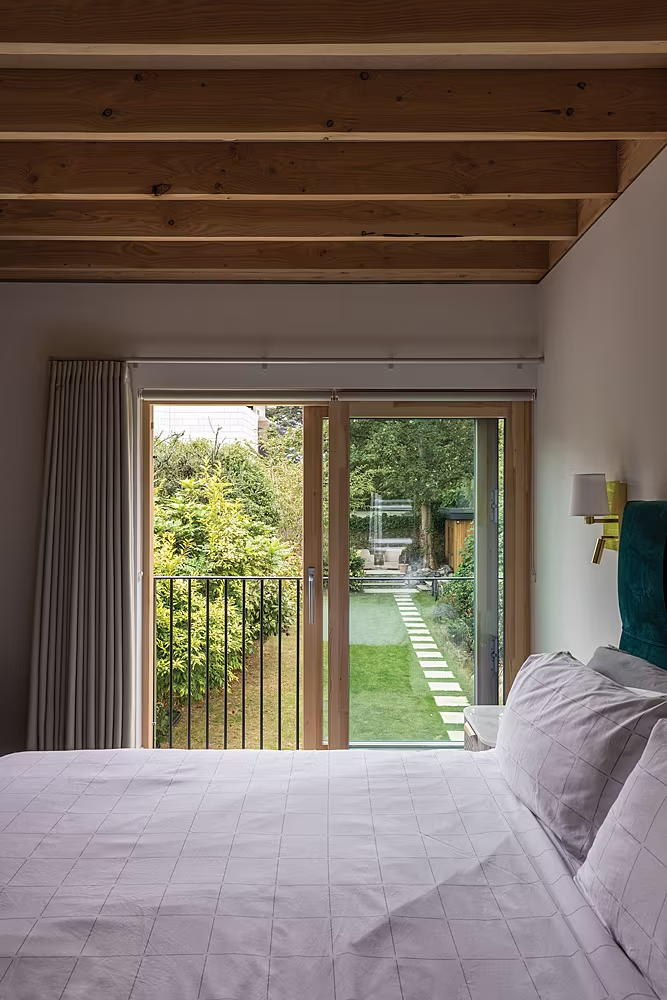
The principal bedroom with sliding doors to the garden.
The existing 1980s extension was reconfigured and enlarged to accommodate a new master bedroom with en suite, which overlooks the garden. Full-height sliding doors open to a metal rail outside which gives the impression of a balcony. Beneath this, an expanded dining area features an upholstered oak window seat, which makes for a sociable and comfortable multi-use space. Two central panels open at 180 degrees to bring in nature and sun from the south-facing newly landscaped courtyard. @robert.bourke.architects