Writer’s Block With Sara Baume
On home, roots, writing, reading and bookshops …
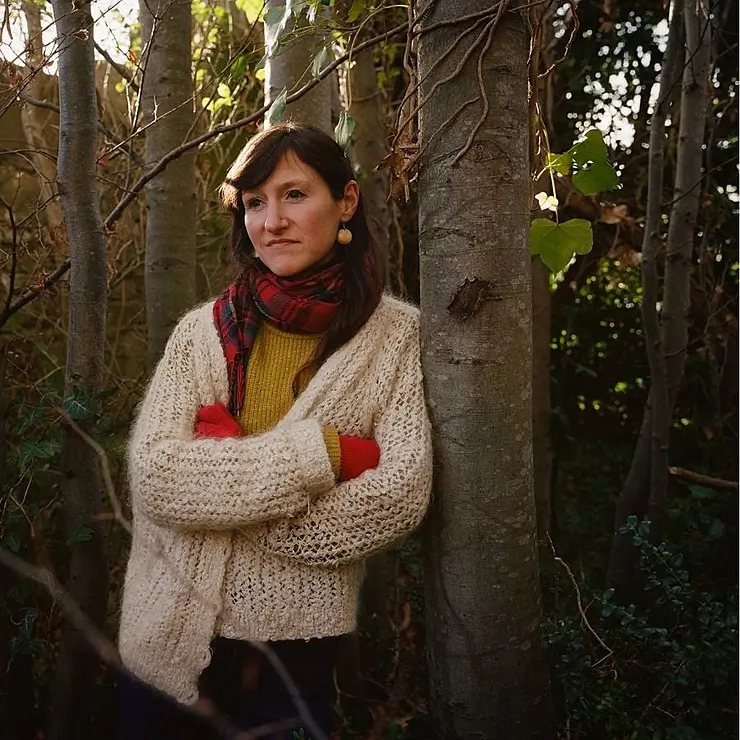
Sara Baume is the author of the novels Spill Simmer Falter Wither, A Line Made by Walking and Seven Steeples, and the non-fiction work Handiwork. She has won the Geoffrey Faber Memorial Award, Rooney Prize, Hennessy New Irish Writing Award and an Irish Book Award. She has been shortlisted for the Goldsmiths Prize, Dylan Thomas Prize and Folio Prize, and nominated for many more. In 2023, she was named as one of Granta’s Best of Young British Novelists. Sara lives in West Cork. Her new book, Opening Night (Granta Books), is out now.
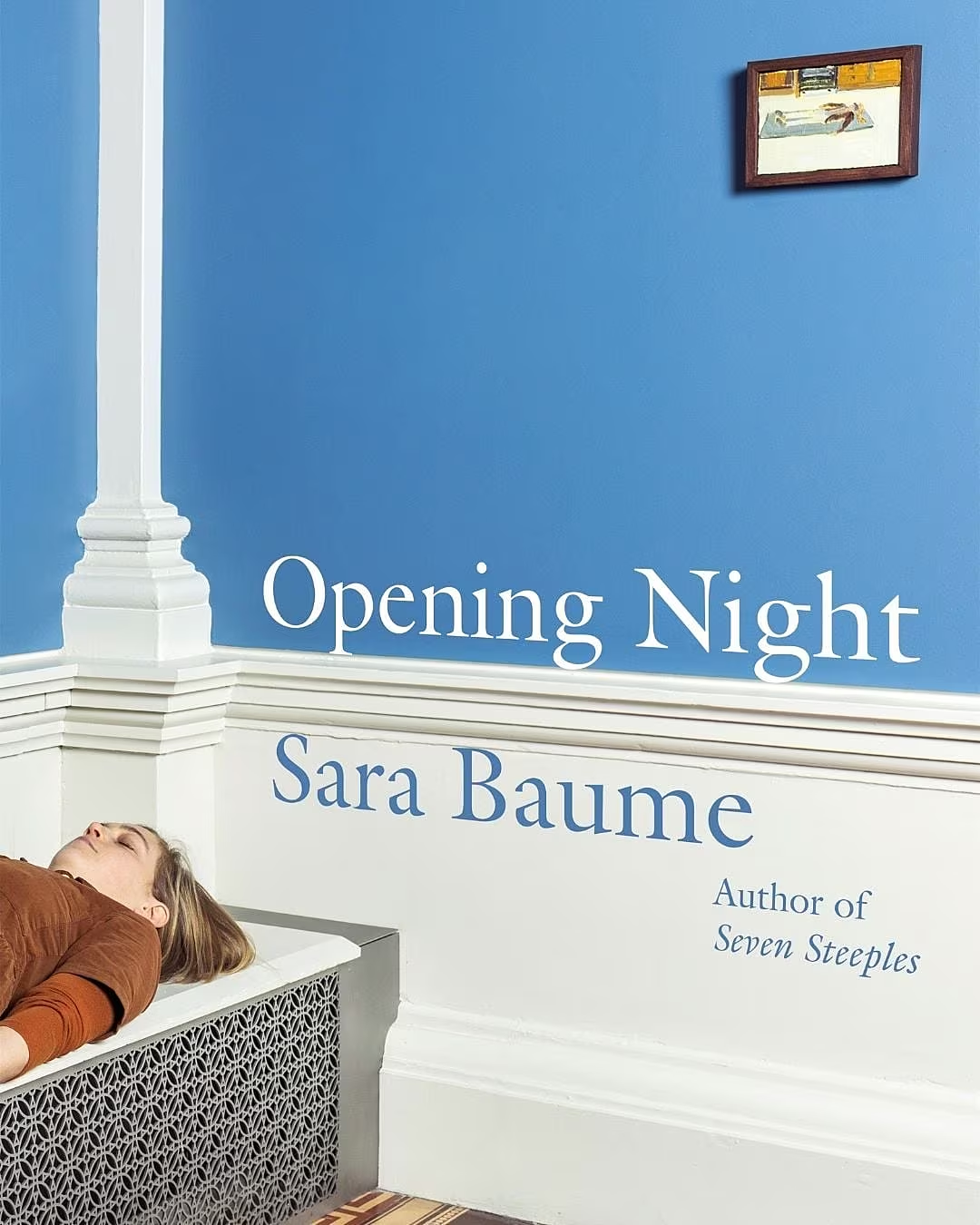
ON HOME I’ve lived in West Cork for the past ten years, on a windswept hill close to the coast, in a characterful old farmhouse replete with books, ethnic rugs, birds’ nests, spider webs and unfulfilled art projects. I adore it here, but the fact is that I’m a renter in my forties. Like very many people in this country right now, I am living without any realistic possibility of ever being able to afford to buy property, and especially in this region, which is increasingly falling prey to rural gentrification, and is something I have written about in my new book, Opening Night.
ON ROOTS The whole idea of belonging and connection to place is a recurring theme in Opening Night, which charts the early years of my friendship with an American painter called Mollie Douthit. When she and I first met, we were each working on projects that relate to our maternal grandmothers, who were both emigrants. Neither Mollie nor I come from a family with deep roots in a particular geographic location, and this is a condition we have each been drawn to explore through our respective mediums.
ON WRITING On a daily basis, I tend to feel as if I am being an unproductive writer, but then when I look back over the years I’m generally surprised by how much I’ve done. I’ve spent long periods of time working on art installations – a fleet of model container ships, a collection of appliqué handkerchiefs, a medieval–style pseudo altarpiece – when I probably ought to have been writing, but I’ve also come to understand that I need to balance desk work with craft work or I’ll go insane. Everything in my life is narrowed toward my work of multiple forms, and I’ve learned to accept that it’s OK to be hesitant, so long as you are also patient and consistent, and maintain faith in the slow accumulation.
ON MY WRITING SPACE I am well aware of how lucky I am to have a whole room in the house where I live, designated specifically for writing and related activities. I’ve written three books in this room, so far. There used to be a bit of floor space, but it has been eaten up significantly over the years by little piles of books, notebooks and assorted documents that each represent a project in progress or – as aforementioned – a project as yet unfulfilled. Then there’s an old kitchen table that I use as a desk with a smelly duvet underneath where the dogs snooze while I am working.
ON READING This year, I’ve started contributing an infrequent column to The Irish Times, reviewing translated fiction. It doesn’t entail a lot of writing, so much as a tremendous amount of reading, and already I have been awed by the quantity and variety of titles from all over the world that are being published every year without getting the attention they deserve. It had led me to discover some fascinating authors, such as Marie Darrieussecq, Ana Paula Maia, Agnes Lidbeck, Mieko Kawakami and Martina Hefter. But I still make time whenever I can to read my peers; this summer, I have loved Caitriona Lally’s hilarious, subversive memoir, Home Economics, as well as the stunningly poignant collection of personal essays by Oona Frawley, This Interim Time.
ON BOOKSHOPS My favourite bookshop is Worm Books in Schull. It’s tiny, but they always have a terrifically interesting selection, old and new, national and international. I must admit that I also listen to a lot of audiobooks, which always feel like a betrayal of physical books, but allows me to “re-read” or get through some extravagantly long, brilliant classics such as, most recently, The Singapore Grip by J. G. Farrell.
SEE MORE: Books On My Bedside Table – What Is Karin Slaughter Reading?