Life In The Shadows: Author Karla Cornejo Villavicencio’s Debut Novel Reflects Reality
By The Gloss
Ecuadorian-American author Karla Cornejo Villavicencio’s novel, Catalina, is a timely portrait of an undocumented immigrant’s life at Harvard University …
By Caelan McMichael
Under the Trump admisistration, undercover ICE (Immigration and Customs Enforcement) officers are patrolling communities across America in search of undocumented migrants. Armed with search warrants, they are forcefully entering homes and workplaces with the aim of deportation. A crackdown on international students – including at elite institutions like Harvard, where student visas are being revoked – has intensified political fear and an already aggressive antiimmigration narrative.
This sense of surveillance and exclusion has altered the perception of the American dream of hard work, opportunity, and upward mobility. For Ecuadorian- American writer Karla Cornejo Villavicencio, it means something else. “I thought living the American dream was to be in charge of my own destiny,” she explains. Freedom centred on agency – a right many immigrants are currently being stripped of.
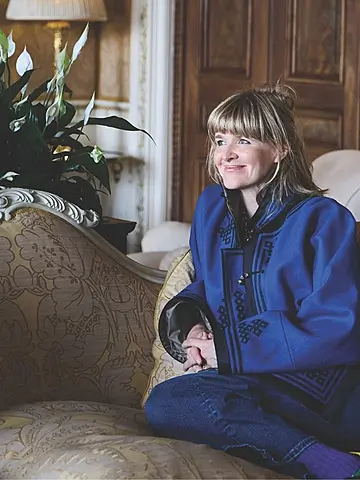
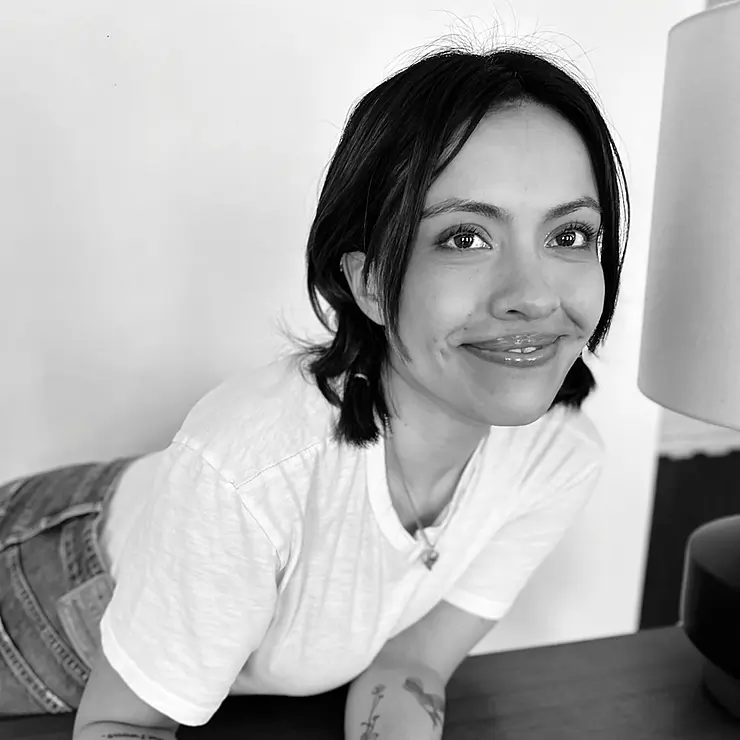
Villavicencio, the daughter of undocumented parents who emigrated from Ecuador when she was 18 months old, is the author of The Undocumented Americans, a collection of essays illuminating the rich inner lives and identities of undocumented immigrants, often flattened or vilified by news headlines. Villavicencio humanises a community long targeted by political leaders and asserts their right to be seen, heard, and understood. In her debut novel Catalina (longlisted for the US National Book Award in 2024 and published in Ireland in August) she draws on her own experiences to create an intimate and honest portrait of life in the shadows.
“I have lived through many dark things, but my family and I have had a very gallows-humour reaction to them, so I wanted to write something that was also fun.”
Villavicencio describes Catalina as being “loosely based on the autobiographical skeleton of my life”. As an avid reader growing up in Queens, New York, books provided Villavicencio with escapism and comfort – and unexpectedly, attention. “As a young, poor girl, without any kind of social or cultural capital, writing got me noticed,” she says. Villavicencio was offered an education at a private Catholic school in New York, funded by a wealthy benefactor who saw her potential. That support paved the way for her admission into Harvard University.
Like Villavicencio, the novel’s protagonist Catalina is an undocumented immigrant navigating the elite world of Harvard, a world in which, Villavicencio says, she was surrounded by extreme wealth and classmates whose lives had been shaped by privilege and nepotism. She studied history and literature, but also learned about social hierarchies and how to navigate them. Always on the lowest end of the power dynamic, she sometimes used flirting as a way to disarm people and get her foot in the door – a survival instinct she also gave to Catalina. The novel has a fun, flirty, girlishness to it, capturing the experiences of college life. “Immigrant stories are often very traumatic, dark and retraumatising. I have lived through many dark things, but my family and I have had a very gallows-humour reaction to them, so I wanted to write something that was also fun,” she says. Catalina captures the darkness while also reflecting the reality she grew up in, one marked by resilience and strength.
The desire to share this narrative stemmed from her feeling like an object of study and fascination for people throughout her life. “I’ve had a very chaotic life, and felt really invisible when I was a child. I often felt dismissed, disdained and ignored,” she says. “As a young girl who was poor and marginalised, it felt like I was an object, one of study and curiosity, but I didn’t really have my own voice.”The story of Catalina is about that girl – one who is often dismissed or overlooked.
“Fiction allows us to focus on a little spot of humanity and enriches our understanding of the political situation.”
Villavicencio mentions the sense of imposter syndrome experienced by immigrant children – those who feel they are living a life for their parents. She wants to break that heavy cycle. “You can live a life of purpose and gratitude and humility and dignity, but I don’t think it’s healthy to live your life in debt,” she says. “There are different ways of honouring your family and their sacrifices that aren’t tied to debt.” Catalina is a product of her family and their stories, but is also very true to herself. While writing Catalina Villavicencio became protective of the protagonist. “She didn’t feel like my child, but it felt like I was her guardian,” she explains. “Because she was a young girl, I felt like she was entitled to all of the messiness and character growth that war heroes are allowed in books. You can’t judge a 20-year-old for acting like a 20-year-old.”
Catalina is silly, witty, intelligent, and prone to self-sabotage (who isn’t at that age). Navigating expectations, she learns to balance survival with self-discovery. Although she has earned her place at Harvard, a dark cloud of potential deportation hangs over her (and the reader) amid an increasingly shaky political landscape.
With Catalina, Villavicencio offers more than just a coming-of-age or campus tale; she presents a counter-narrative to traditional immigrant trauma storylines. “It’s something that’s impossible to wrap your head around if you’re only reading about it in the form of a crisis or in a newspaper or seeing it in a documentary,” she says. “But fiction allows us to focus on a little spot of humanity and enriches our understanding of the political situation.” With Catalina, one thing is clear: this girl, once overlooked and invisible, has always had a voice – it just needed to be heard.
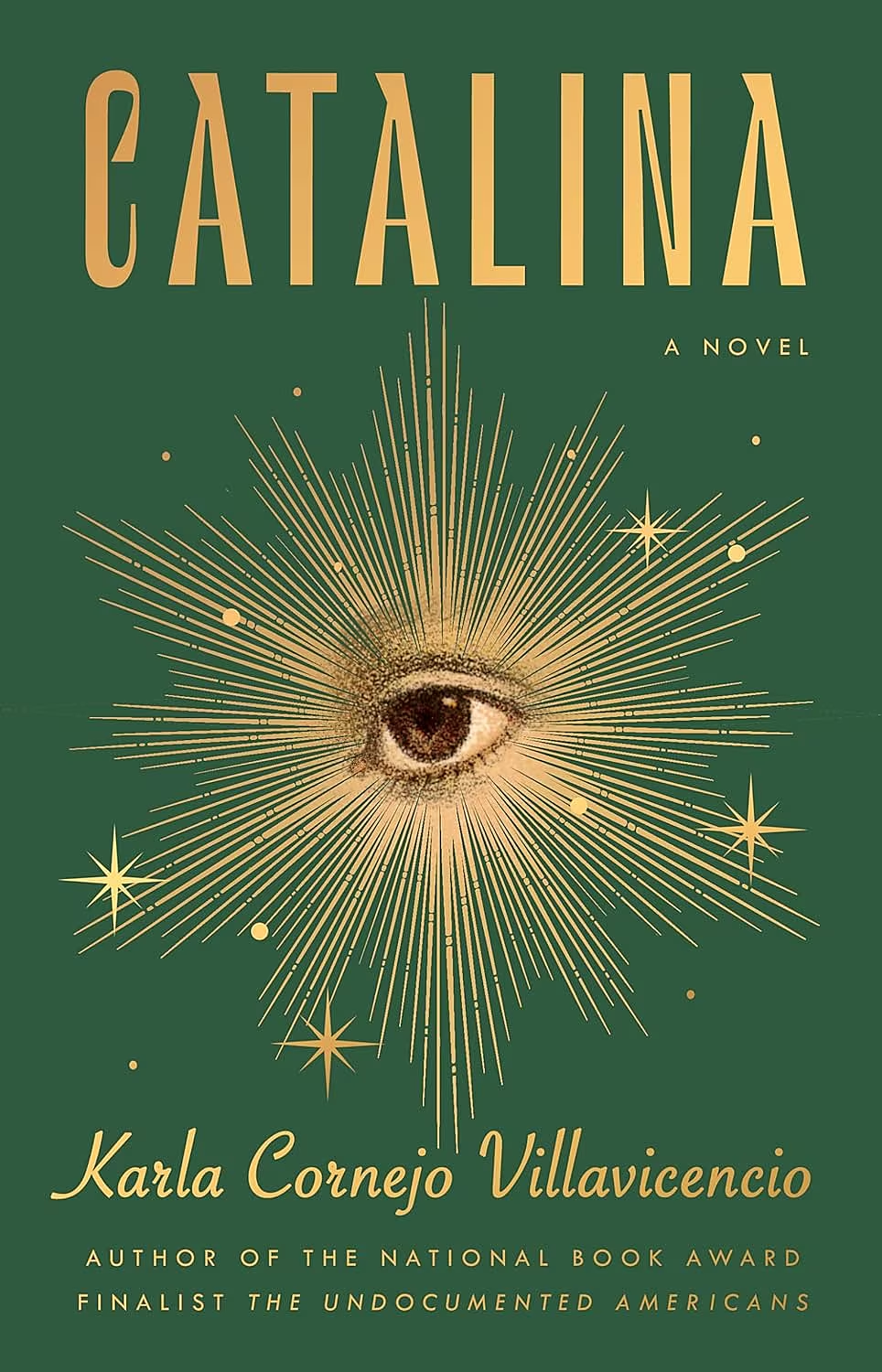
Catalina by Karla Cornejo Villavicencio (Hutchinson Heinemann) is available now.
SEE MORE: Acclaimed Author Roddy Doyle On The Book On His Bedside Table