



Cleansing myths, truths and trends …
Should I double-cleanse my skin, using two separate products? The idea of needing to do a double-cleanse every day is one of my biggest bugbears. It’s a money racket, and it all comes down to social media. When I first started out, no one talked about double-cleansing. The only time you might double-cleanse would be if you’re using heavy stage make-up, or if you are a swimmer using a thick and pasty sunblock. I can’t see any other reason to do so. Double-cleansing strips the skin of its natural oils, making your skin dry, which makes it produce more oil. And it disrupts the skin barrier. It is important to remove your cleanser properly, so I’d advise: cleanse once, rinse twice.
Is there a downside to doing more than this? Think of it like flossing your teeth: do you floss again in the morning? No, because you haven’t eaten anything. It’s the same with skin. Overnight, you’ve had no sunblock on, your skin hasn’t been exposed to sweat or pollution. So all you need is a wet muslin cloth in the morning to wake yourself up. When patients come to me with stripped, dried-out, sensitive skin, and their upper epidermis is not intact, I try to get them to stop over-cleansing. Cleansing in the morning is really only necessary for those with excessively oily skin, and they are a tiny minority.
If you have acne and you overwash, your skin just gets oilier.
What’s the recommended cleansing routine? Cool or slightly warm water is best. I’ve seen a trend for people putting their face into ice in the morning, and you can if you can face it. While it won’t do any harm, it’s not necessary in a normal routine.
I’m a big advocate of the muslin cloth, for many reasons. First, they are eco-friendly and will last forever. Second, muslin cloths are gentle enough for a baby’s skin, so they’re definitely gentle enough for adults. And they get into every nook and cranny of the face, far better than a flannel; a muslin cloth gets right into the side of the nose, eyebrows etc, giving a lovely gentle deep cleanse.
Your cleanser doesn’t have to cost a fortune. I have two cleansers and alternate them according to my skin’s needs: a creamy nourishing hydrating one, Biologique Recherche Lait VIP O2, which nourishes the skin while cleansing, and an active glycolic cleaner by Jan Marini. If my skin is dull, congested with sunblock or I’ve used fake tan, I use the glycolic for a deep cleanse – it gives radiance and doesn’t strip the skin. If, for example, I’ve played tennis outdoors and have windswept, drier skin, or after a treatment such as microneedling, I use the creamy one.
I’d endorse pharmacy brands Avène, La Roche-Posay and CeraVe, all inexpensive and with decent ingredients. The ranges tend to be very wide, so choose carefully or get advice on what’s right for your skin. Thirty-five years ago we didn’t have sophisticated skin products. I’ve seen so many people’s skin changing now thanks to good-quality ingredients.
Masks can be nice for cleansing too – for example a deep clean mud, like La Roche-Posay Effaclar Purifying Clay Mask, or Biologique Recherche’s Masque Vivant. Personally, I use an inexpensive eye make-up remover by La Roche-Posay.
SEE MORE: Top Cleansers That Actually Work
Less is more. Young people in their 20s are coming in to me and they’re using 13, 14 products.
What should we avoid? I ask them to stop for two weeks, and to use simply a muslin cloth with a cream cleanser – followed, of course, by moisturiser/sunblock. In two weeks they will see the difference, and their skin will be back to normal.
Don’t remove cleanser with cotton wool. This will leave a film on your skin, which causes further sensitivity. Your face will feel sandpapery and rough on areas like the chin and forehead. This is a very common skin issue.
The worst thing? Wipes, of every type – they have no role at all in skincare. They are a gimmick. I feel the same about micellar water. You must fully remove products/chemicals that are not designed to be left on your face, otherwise they can lead to irritation and overgrowth of a mite present on most of our faces, Demodex. This can ultimately lead to redness, dryness and rosacea.
Toners are for printers! A complete waste of money, and again, they leave too many chemicals on your skin.
Most are too harsh and contain alcohol, which strips the skin. If your skin is extra sensitive, and you have a tendency towards eczema and rosacea, you must use fewer chemicals. We have very sensitive Celtic skin in Ireland, and almost two out of three people attending my clinic have rosacea. The only time to use one might be if skin is incredibly oily, to help control the oil. Treatment lotions, such as Biologique Recherche P50, are different, and can be a good addition, as long as you get the right one to suit your skin.
How should we exfoliate? I recommend exfoliation, unless you’re using a lot of very active products such as retinols. Exfoliation gets rid of the build-up on the stratum corneum, the top layer of the skin, and gives added radiance, as well as preparing the skin for better absorption of products.
When skin looks dull, with what I call a ‘crazy paving’ look – dry, scaly skin usually first visible on the central forehead – that’s often caused by over-exfoliation, or by overuse of retinol (fewer than 30 per cent of Irish people can actually tolerate it). Over-exfoliation, like over-washing, causes a breakdown of the barrier. Think of the skin as a brick wall; the top layer, or epidermis, should be intact. Exfoliation is for when there’s moss on top of the wall – you just need to brush it off once a week. I do it every Friday; by doing it on a specific day, I won’t forget or repeat it by mistake.
The worst thing, in my view, are daily micro-exfoliants (there’s a well-known one I can spot a mile away). They can cause sensitivity, allow penetration of germs, chemicals etc, and expose the deeper layers of skin to the elements. Beware of over-scrubbing, too – always massage in your skincare very gently.
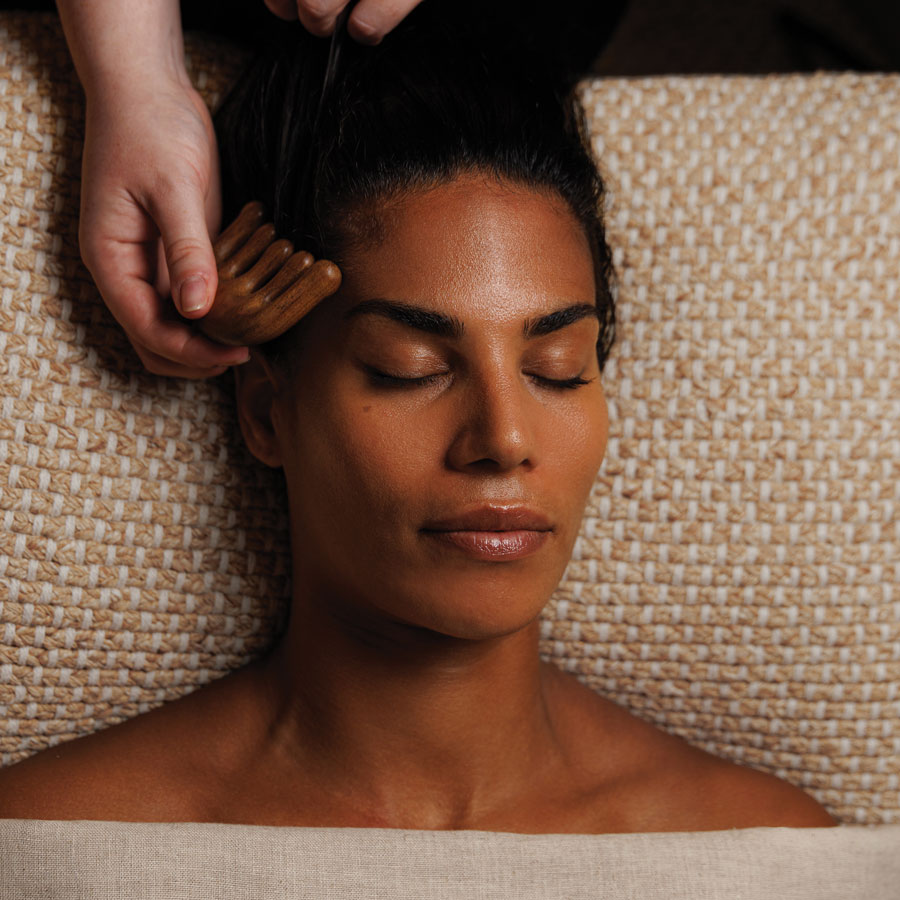
Are facials necessary? A good facial can change your complexion. They can be beneficial for lymphatic drainage, and I also tend to send patients for a facial if they have really deep blackheads, to clear them out. Another reason might be to do a deep cleanse on blackheads on the back, or to treat lots of milia – there’s no other way to get them out. I love a monthly Biologique Recherche facial with Vera Blok.
One vital thing … It’s impossible to overstate the importance of wearing sunblock. Put your money into a good one: it’s the cornerstone of every skincare routine.
SEE MORE: 10 Beauty Trends For 2026
We may earn a commission if you buy through affiliate links on our site