Artistic License: Daniel Lipstein
The Donegal-based artist on his new exhibition …
I was born in Tel Aviv, Israel and have lived in Ireland for 42 years, since moving here in my early twenties. My grandmother was a painter and she taught me how to paint when I was five-years-old. We used to paint together in gauche and oil. My main influence at that time was Vincent Van Gogh.
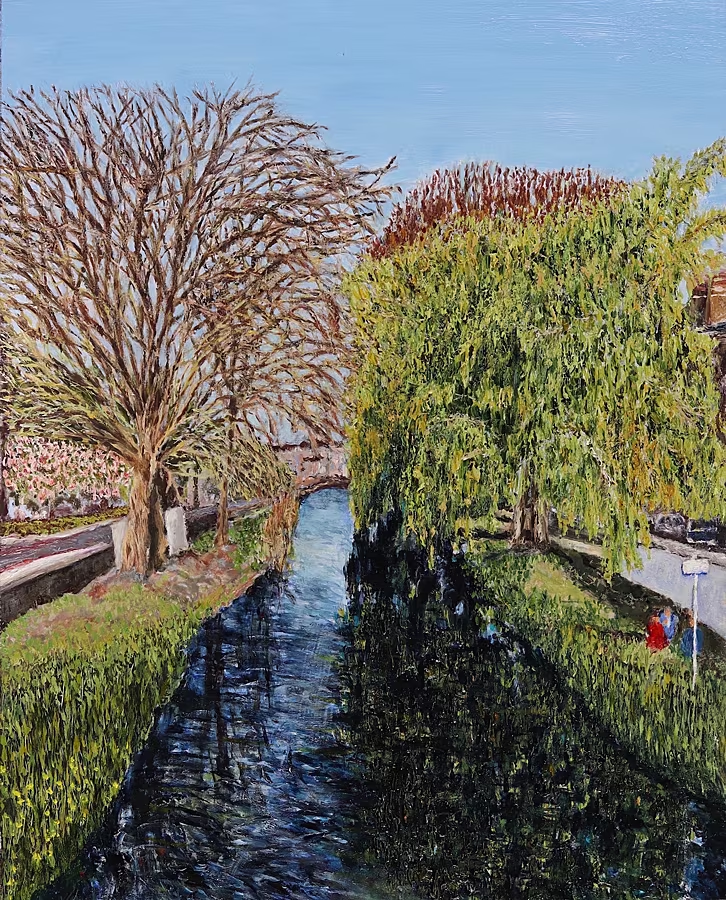
‘Portobello, Grand Canal, Dublin’
I had a career in natural medicine during my first ten years here, but I left it to get back to drawing, painting and writing. I joined the Graphic Studio Dublin where I discovered etching and aquatint were mediums that I loved. I was accepted to NCAD as a mature student, and when I finished my bachelor degree in the fine art print faculty, I received the CAP Foundation Award. This allowed me to do large-scale oil paintings, which were exhibited at the Mews Studio Gallery in Dublin.
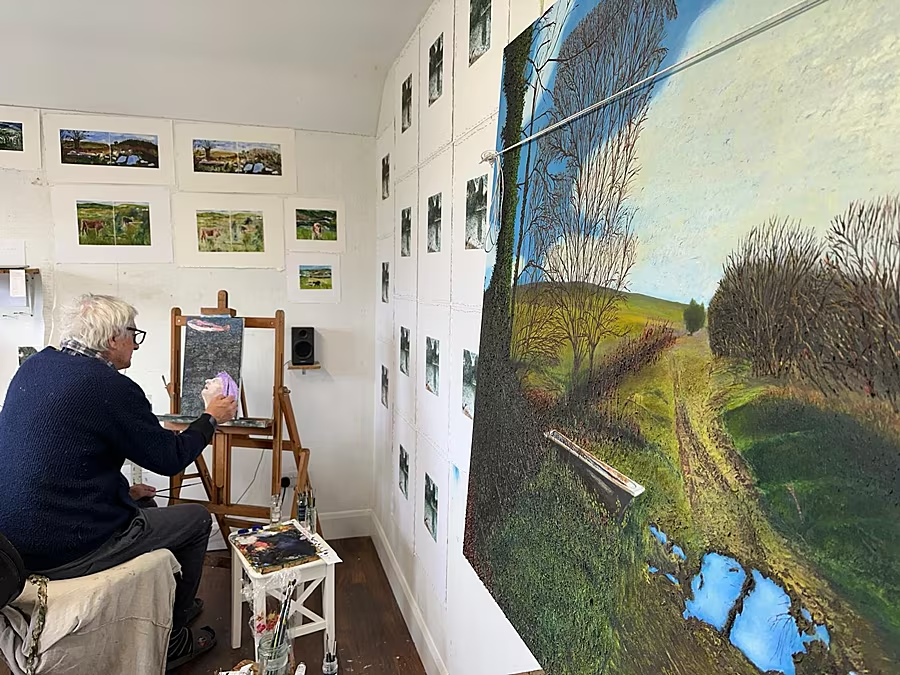
Where and how do you work? I work in my purpose built studio at home in Donegal for painting and printmaking. I have a printing press and an aquatint box, but mostly I work on paintings. For several decades now, I’ve been in the habit of recording my dreams. I write these down and this is where most of my visual ideas come from. I mix what I see in my locality with my dream-visions and metaphysical ideas. In this way, I create visual compositions that are deeply meaningful to me.
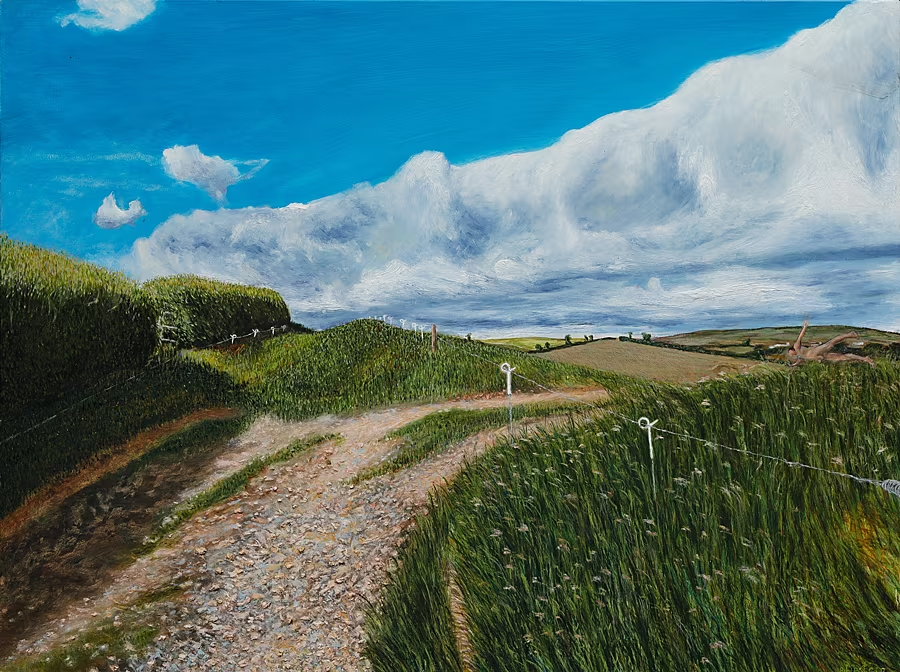
‘Late Summer Levitation’
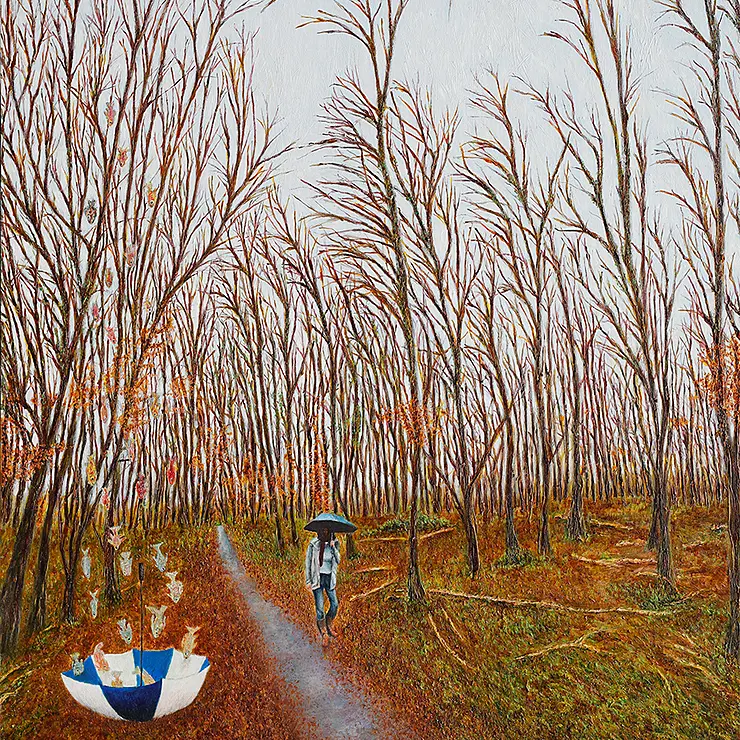
What was the starting point for your new exhibition? This exhibition of paintings includes elements of my visual language that I’ve developed over many years. My treatment of surfaces with pigments is abstract expressionist in style and I use the psychology that emphasises the power of the mark, seeing the surface as a harmony of tones, textures and colours. This expressive power also serves my figurative compositions, and the emotional and metaphysical content of these compositions infuses me with a deeper motivation to execute the paintings through all of their stages. In each individual painting, the appearance of different elements are very specific. I include fish, for example, in many paintings and in each they play a different role. Overall, they represent the antiquity of species and the origin of living forms, depicting the unknown of our prehistorical past. Another element prominent in these paintings are scratch marks in paint over gold leaf or as pencil on gesso panels over which I use glazes. This way, the surface of each painting becomes an energy field organised and empowered by the visual projections of the mind through different mediums.
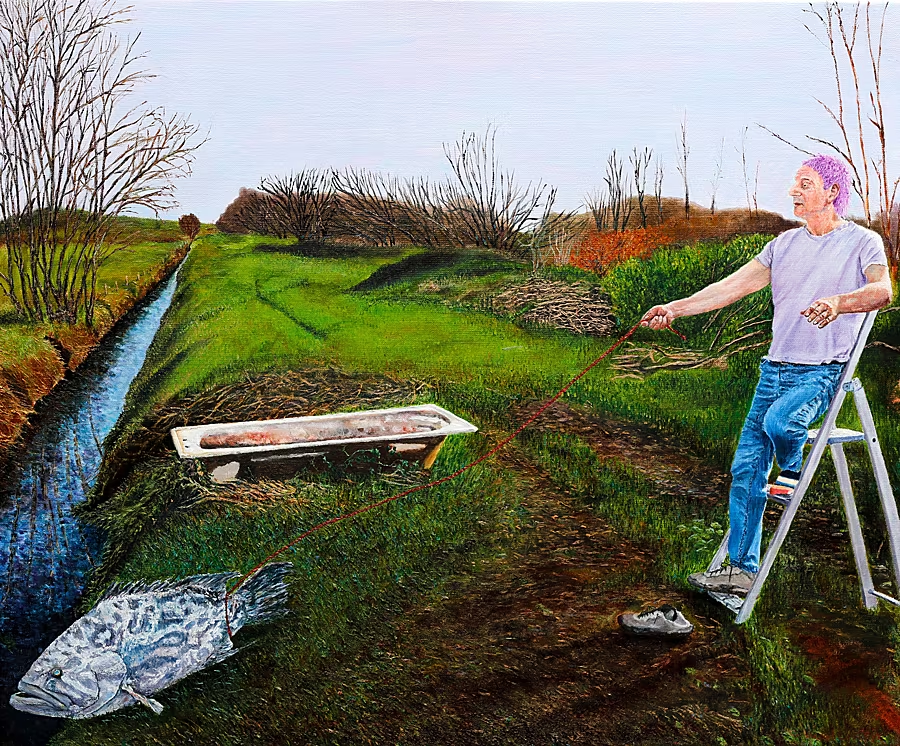
‘Self Portrait with A Pet and A Bathtub’
Bathtubs are another interesting element in these paintings … Bathtubs are in the fields around my studio, where farmers often arrange them arbitrarily in the landscape for their animals to drink from. Once an intimate function in a household, now these are curious shapes in open spaces, resembling alienation and corrosion on their way back to the elements of metal and earth.
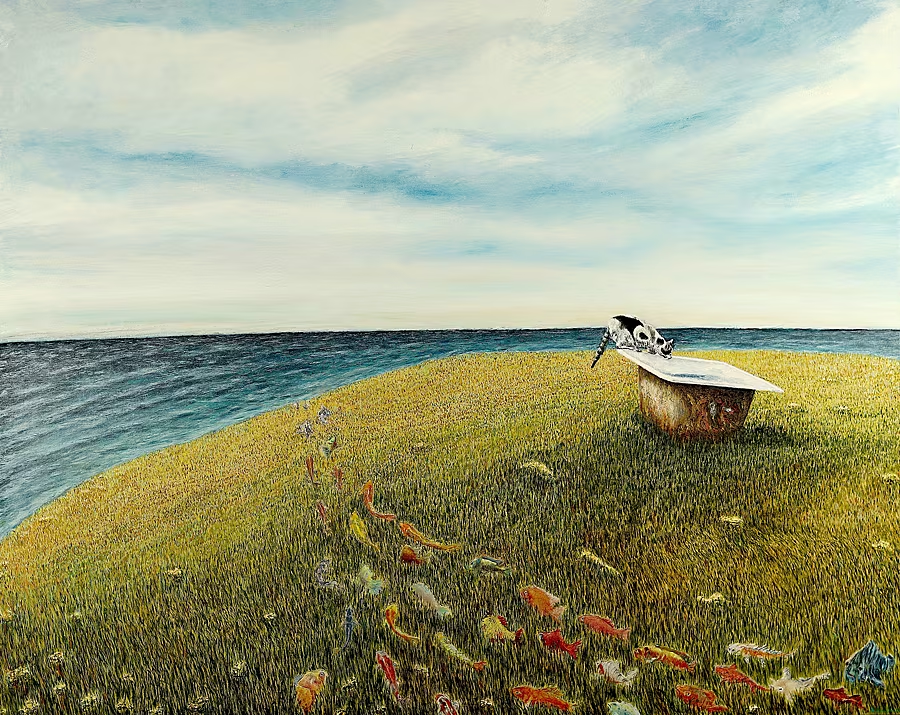
‘Water’
Have you any favourite artworks? “Arnolfini Wedding” by Jan van Eyck from 1434 is very significant to me because of its compositional arrangement. “Summer Afternoon” by Emile Nolde, painted in 1903 in a state of trance, and many others by Nolde are important because of their explosion of colours. It’s difficult to understand how he achieved this.
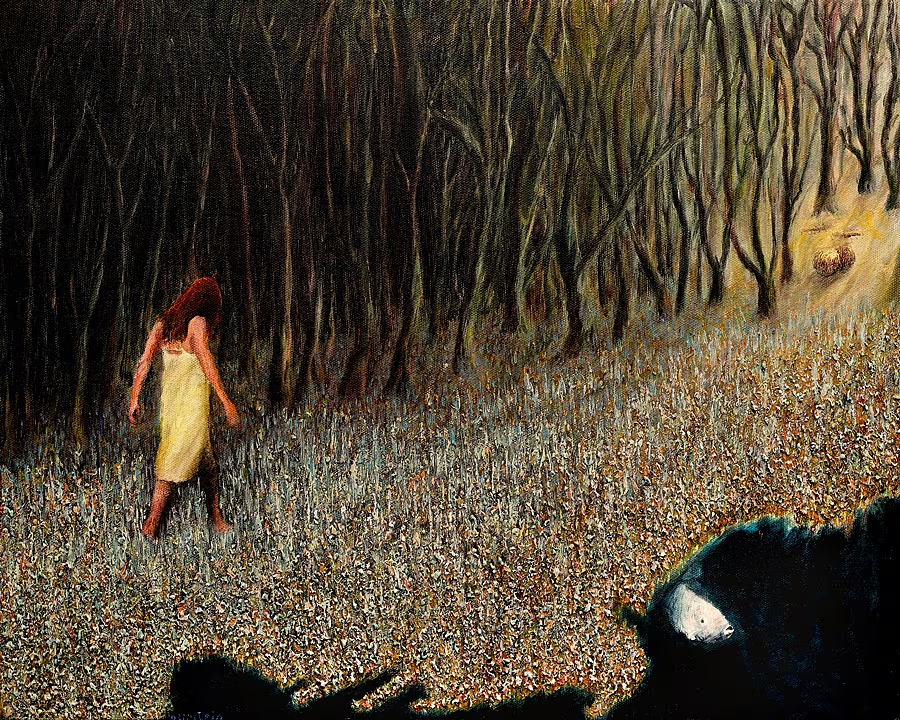
‘Spirit Walking Towards Light’
Need to know: Daniel Lipstein‘s solo show “Self Portrait with a Pet and a Bathtub” is at the Olivier Cornet Gallery in Dublin until November 2.
SEE MORE: Artistic License – Donald Teskey