Women’s Prize: Winning And Shortlisted Books To Add To Your Reading List
The winners of the 2026 Women’s Prize for Fiction and the Women’s Prize for Non-Fiction were announced this week …
In London yesterday, the Women’s Prize Trust – the charity building a better future by championing women’s writing – announced the winners of the 2026 Women’s Prize for Fiction, the largest annual celebration of women’s creativity in the world, and the Women’s Prize for Non-Fiction, recognising excellent, original and accessible narrative non-fiction written by female thought-leaders, changemakers and experts. The winner of the 2026 Women’s Prize for Fiction is The Correspondent by Virginia Evans. The winner of the 2026 Women’s Prize for Non Fiction, The Finest Hotel in Kabul: A People’s History of Afghanistan by Lyse Doucet.
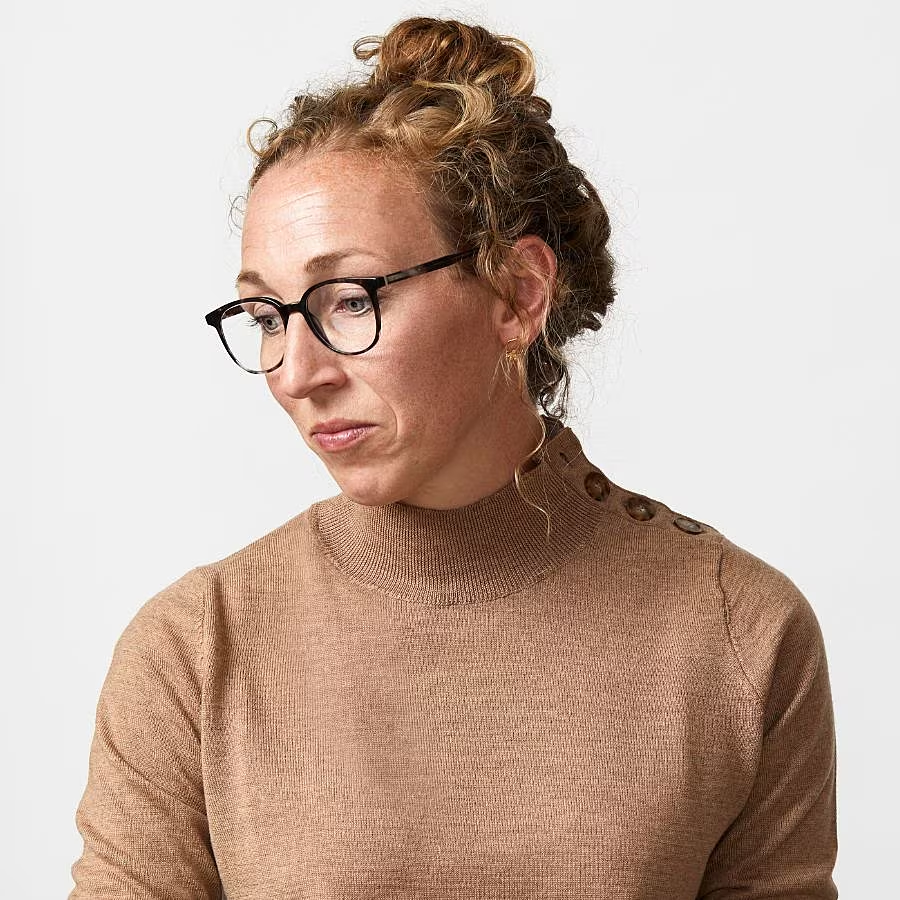
Winner of the 2026 Women’s Prize for Fiction, Virginia Evans. Photograph by Austin Joffe.
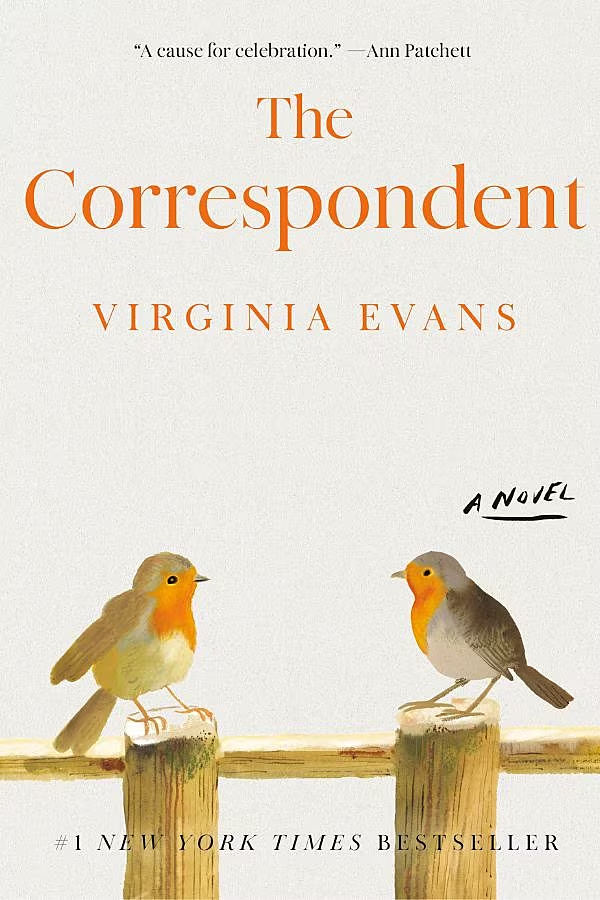
The Correspondent is an uplifting story by Trinity College Dublin alumna Virginia Evans. Born in the US, Evans relocated to Dublin to study at the Oscar Wilde Centre for Irish Writing, writing under tutors such as celebrated novelists Claire Keegan and Kevin Power. She now lives in Winston-Salem, North Carolina. Her debut novel reveals the life of 73-year old Sybil Van Antwerp through letters to family and friends. She is stubborn, cantankerous and opinionated. Yet as the clock begins to tick, the need for a few postscripts to the life she’s led becomes clear. The Correspondent is a witty book about “great joys, small tragedies and unexpected second chances.”
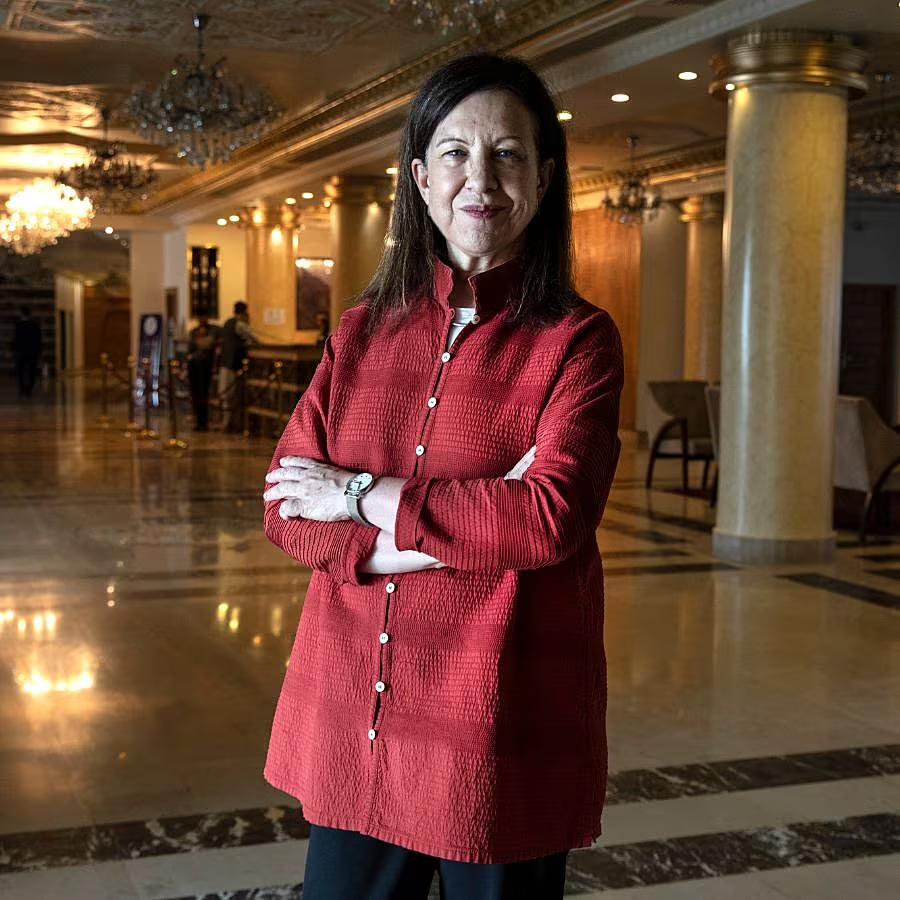
Winner of the 2026 Women’s Prize for Non-Fiction, Lyse Doucet. Photograph by Paula Bronstein.
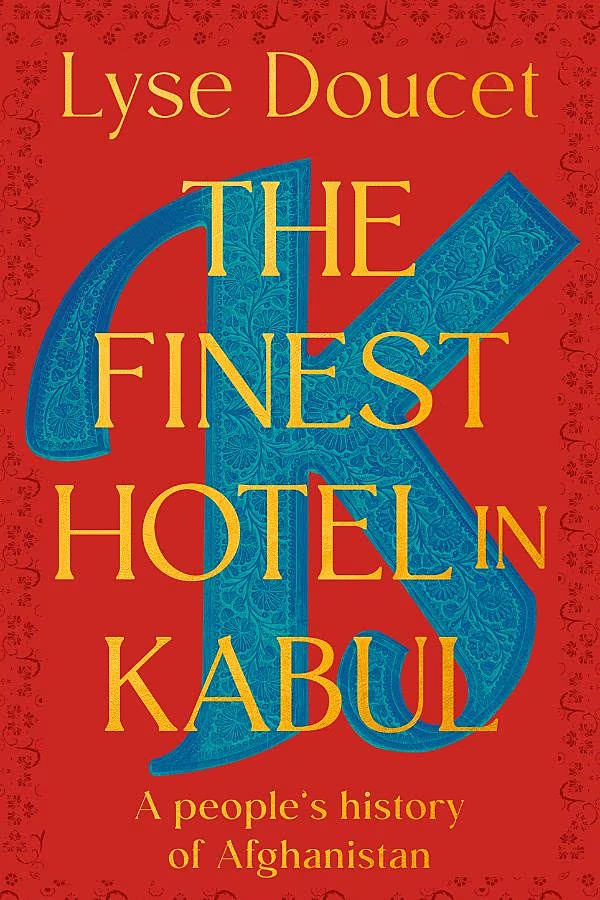
The Finest Hotel in Kabul: A People’s History of Afghanistan (Hutchinson Heineman) by Lyse Doucet is the debut book from the BBC’s Chief International Correspondent. Canadian journalist Doucet places the Inter-Continental Hotel in Kabul at the heart of her recent history of modern Afghanistan. The judging panel described it as ‘a perfect work of narrative non-fiction’. Doucet first arrived at the Kabul Inter-Continental Hotel on Christmas Day 1988, at the age of 29, as a junior BBC reporter covering the withdrawal of Soviet troops following their decade-long occupation of Afghanistan. She has led BBC coverage of events ranging from the Arab Spring to the Sudanese Civil War. She still visits the Inter-Continental Hotel whenever she is in Afghanistan. She counts many of its staff and fellow guests among her close friends and in The Finest Hotel in Kabul, she tells their stories for the first time.
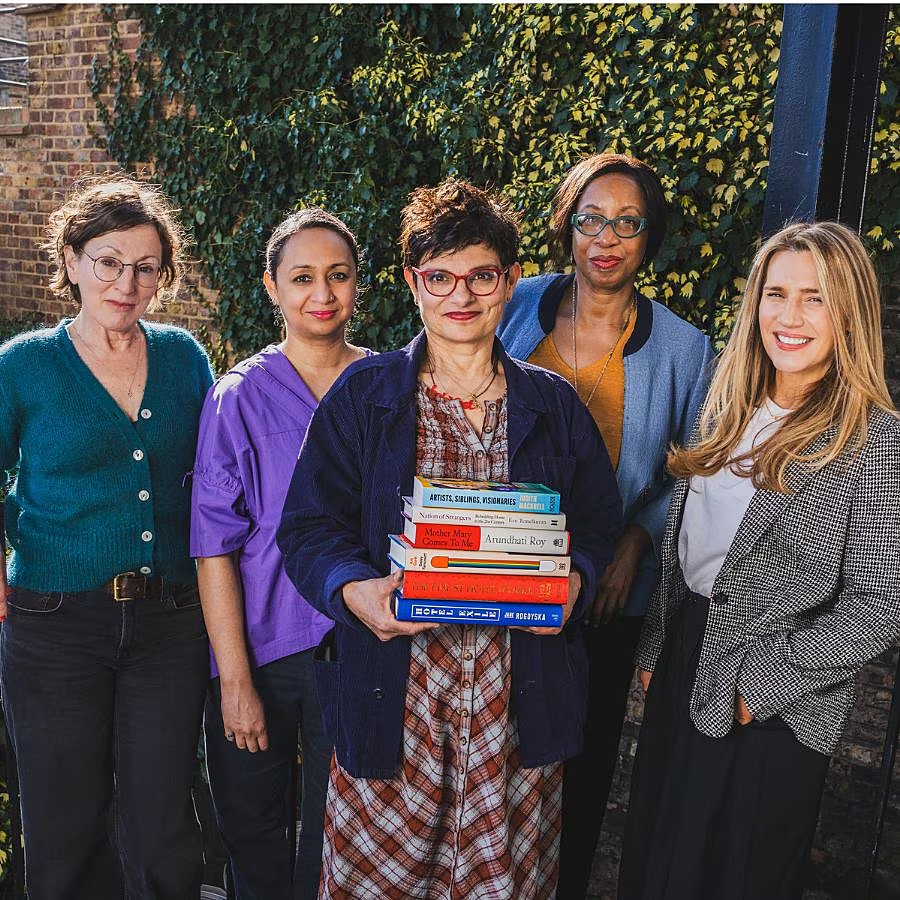
The Non-Fiction judging panel included Thangam Debbonaire, CEO of UK Opera Association, cultural strategist and politician; Roma Agrawal, engineer, author and broadcaster; Nicola Elliott, founder of NEOM Wellbeing; Nina Stibbe, novelist and memoirist; and Nicola Williams, Crown Court judge and thriller author.
Claire Shanahan, Executive Director of the Women’s Prize Trust, said: “The work we do at the Women’s Prize Trust – the charity behind the Prizes – is inspired by our mission to build a better future for everyone by championing women’s writing. We are living through challenging times: amplifying women’s voices and their power to inspire change is as important now as it ever has been, perhaps even more so. The 32 extraordinary books recognised over this year’s Prizes are a compelling affirmation of what women’s words can achieve and I urge readers to buy, borrow and share these exceptional books.”
Add these shortlisted books to your holiday reading pile …
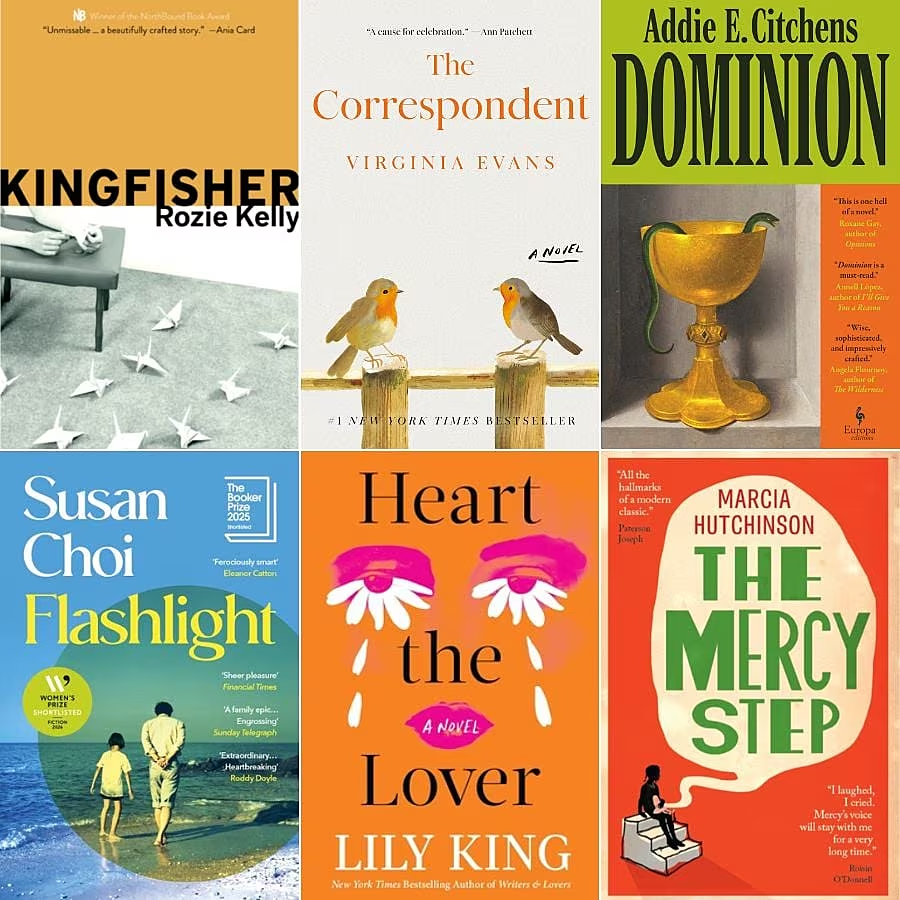
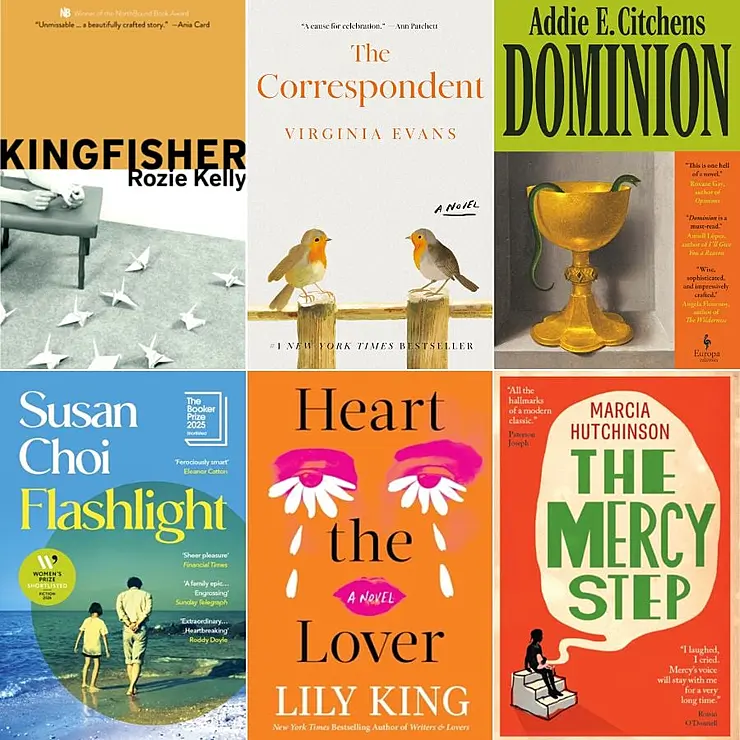
The shortlist for the 2026 Women’s Prize for Fiction was: Flashlight by Susan Choi (Jonathan Cape, Vintage, Penguin Random House UK); Dominion by Addie E. Citchens (Europa Editions UK); The Correspondent by Virginia Evans (Michael Joseph, Penguin Random House UK); The Mercy Step by Marcia Hutchinson (Cassava Republic Press); Kingfisher by Rozie Kelly (Saraband); Heart the Lover by Lily King (Canongate).
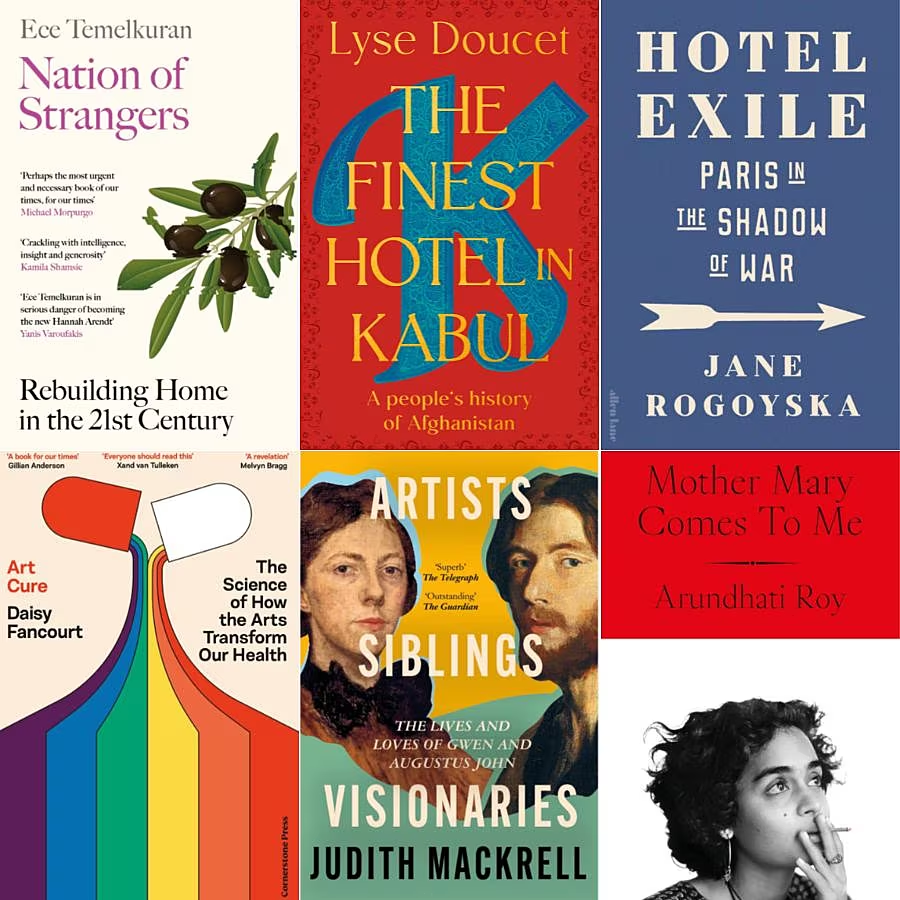
The shortlist for the 2026 Women’s Prize for Non-Fiction was: The Finest Hotel in Kabul: A People’s History of Afghanistan by Lyse Doucet (Hutchinson Heinemann, Cornerstone, Penguin Random House UK); Art Cure: The Science of How the Arts Transform Our Health by Daisy Fancourt (Cornerstone Press, Cornerstone, Penguin Random House UK); Artists, Siblings, Visionaries: The Lives and Loves of Gwen and Augustus John by Judith Mackrell (Picador, Pan Macmillan); Hotel Exile: Paris in the Shadow of War by Jane Rogoyska (Allen Lane, Penguin Press, Penguin Random House UK); Mother Mary Comes to Me by Arundhati Roy (Hamish Hamilton, Penguin General, Penguin Random House UK); Nation of Strangers: Rebuilding Home in the 21st Century by Ece Temelkuran (Canongate).
SEE MORE: Brilliant New Books And Too Often Overlooked Authors To Add To Your Reading List