Rewilding Ballyfin: Landscape Architect And Designer Catherine FitzGerald
By The Gloss
Blending romance, restraint and a deep reverence for landscape in Co Laois, on one of Ireland’s grandest estates …
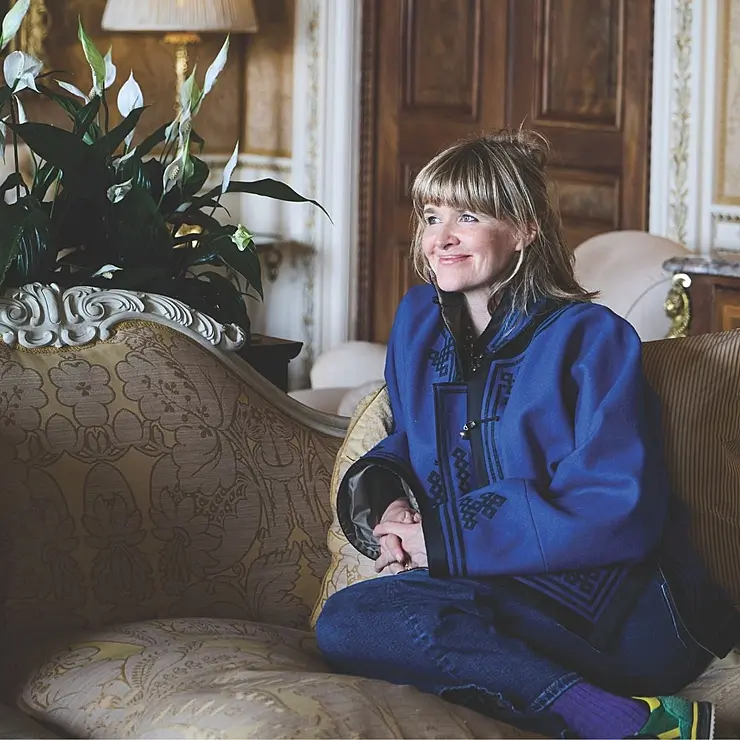
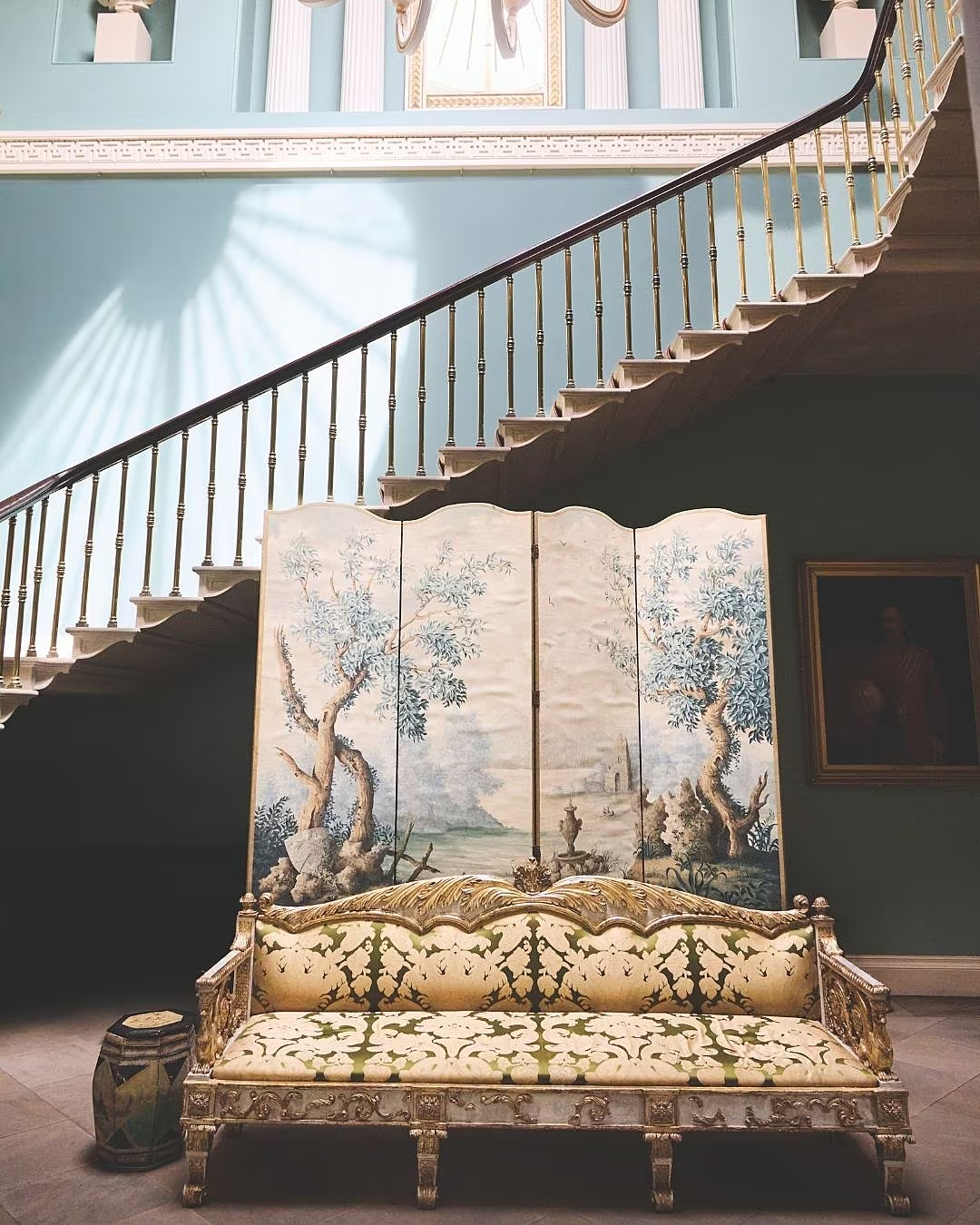
The great thing about Ballyfin is the scale of it – 600 acres of land which has not been intensively farmed so there are acres of wildflowers and rolling meadow grasses in green parkland, so you are immersed the minute you come in,” says Catherine FitzGerald, acclaimed Irish landscape designer explaining what makes the place so special. We meet in the formal Gold Drawing Room of the famous estate where she is now casting her horticultural magic over its gardens. Situated in the foothills of the Slieve Bloom mountains in Co Laois, the neo-classical mansion owned by the Chicago-based Krehbiel family who opened it as a luxury hotel in 2011 after an extensive and costly restoration, has since won many awards and global recognition including the inaugural Condé Nast Traveller Triple Crown Award this year.
Based between London and Ireland, her many projects in conjunction with London-based architect Mark Lutyens (great-great-nephew of the famous architect Sir Edwin Lutyens) have included Hillsborough and Glenarm Castles in Northern Ireland, a Physic Garden in Edinburgh, as well as small private London gardens. The love of gardening was fostered growing up in Glin Castle on the Shannon Estuary (where she still lives today) followed by horticultural studies at RHS Garden Wisley and the founding of her company. She maintains another home near Somerset with a garden of rambling roses and fruit trees.
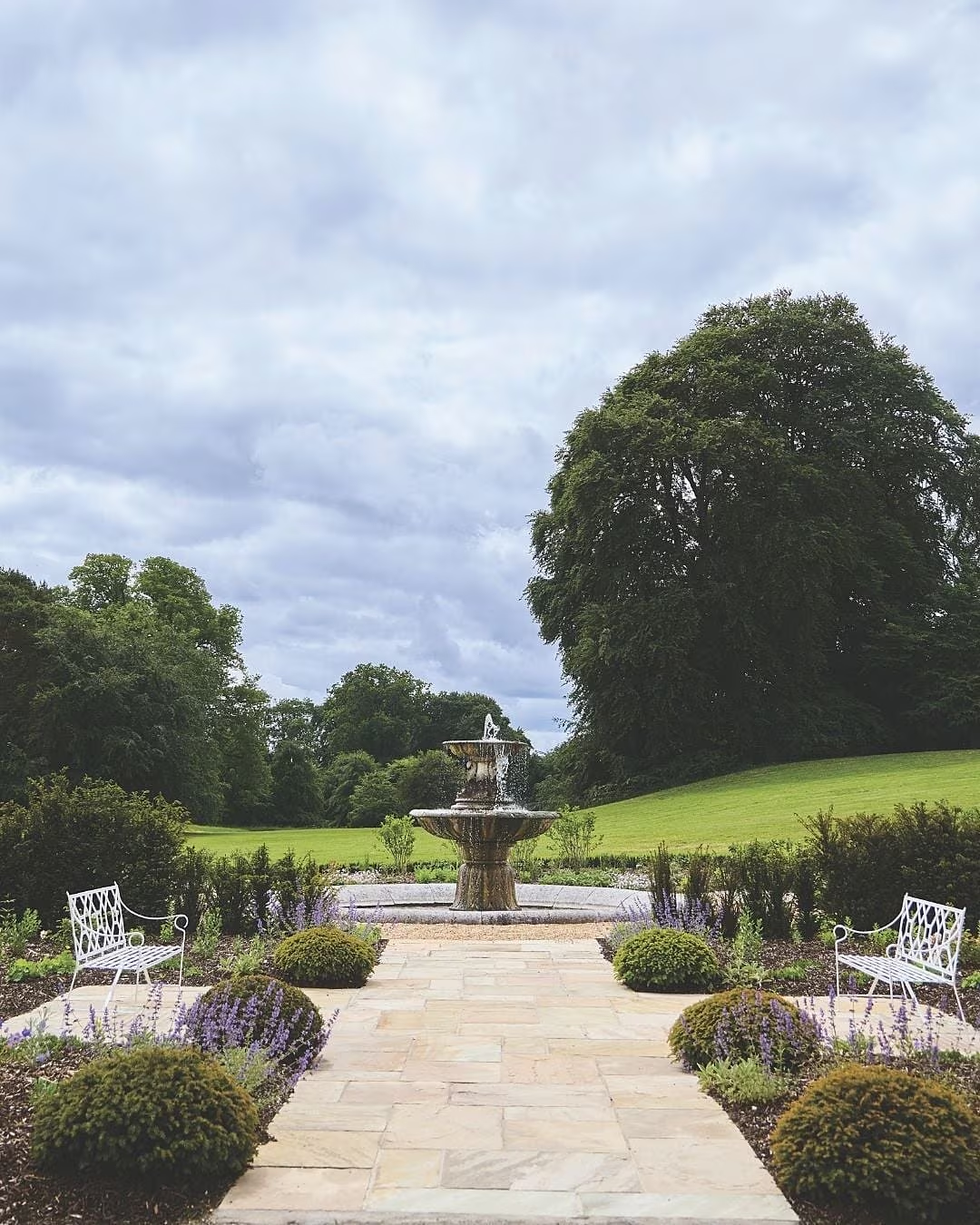
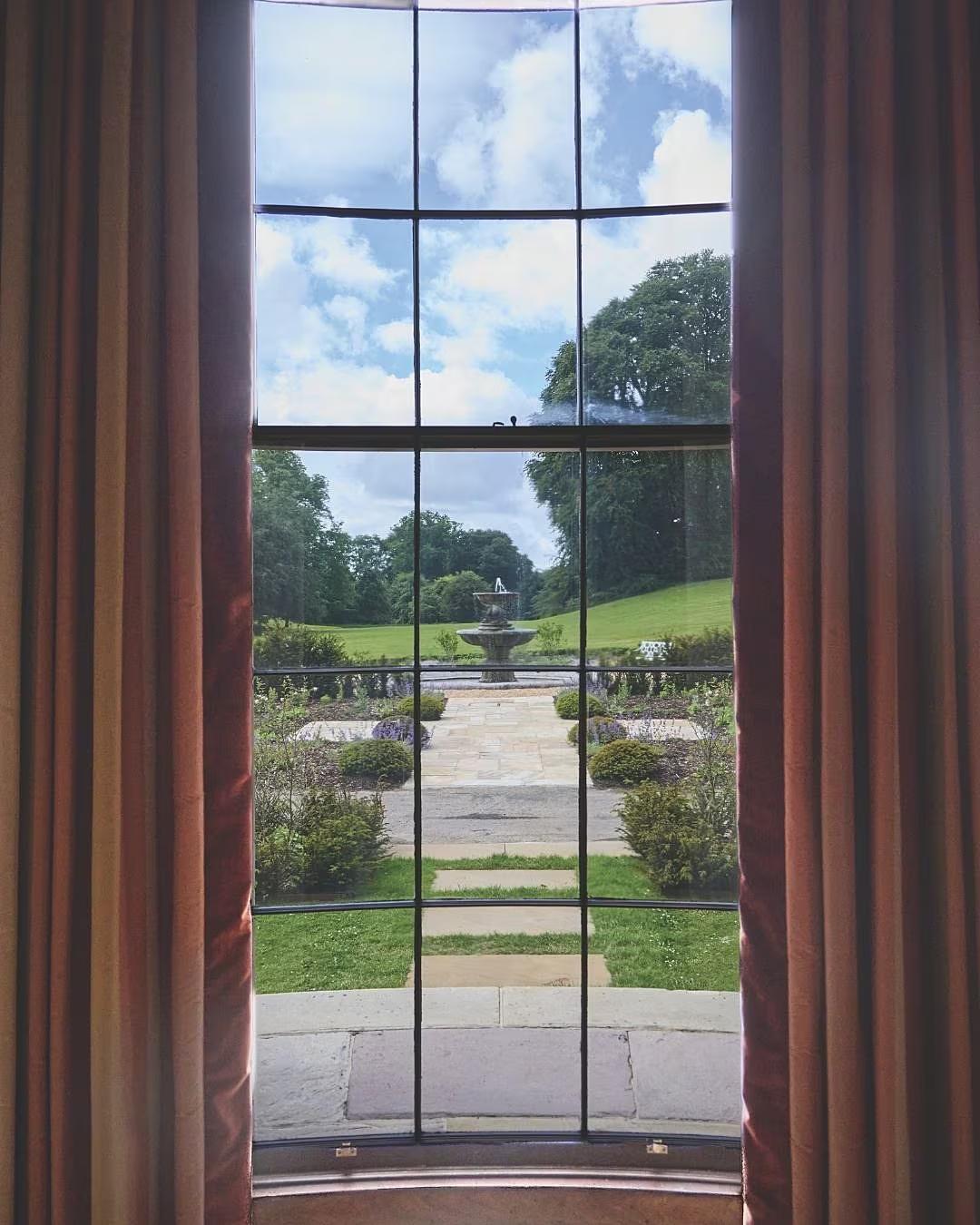
“What we are doing (here in Ballyfin) is respecting what Jim has done – he was such a seminal figure in Irish gardens in the 1990s – and it’s a running programme as we are doing something every year,” she explains. FitzGerald describes one of her first changes, a space outside the conservatory for guests to sit and have a drink. “It seemed to be missing a trick beforehand and we started with the big fountain and using that space, anchored by two giant urns, the architectural elements with a backbone of scooped out yew hedging,” she explains. “It has to be a hardworking space with plants and flowers that flower for a long time, not too delicate. It has a soft and romantic centre within a stony structure with atmospheric planting – roses, artemisias, bellflowers and winter flowers like daphne (Eternal Fragrance) and hellebores, so there is always something coming and going with carpets of snowdrops in early spring. It’s quite a classic style.”
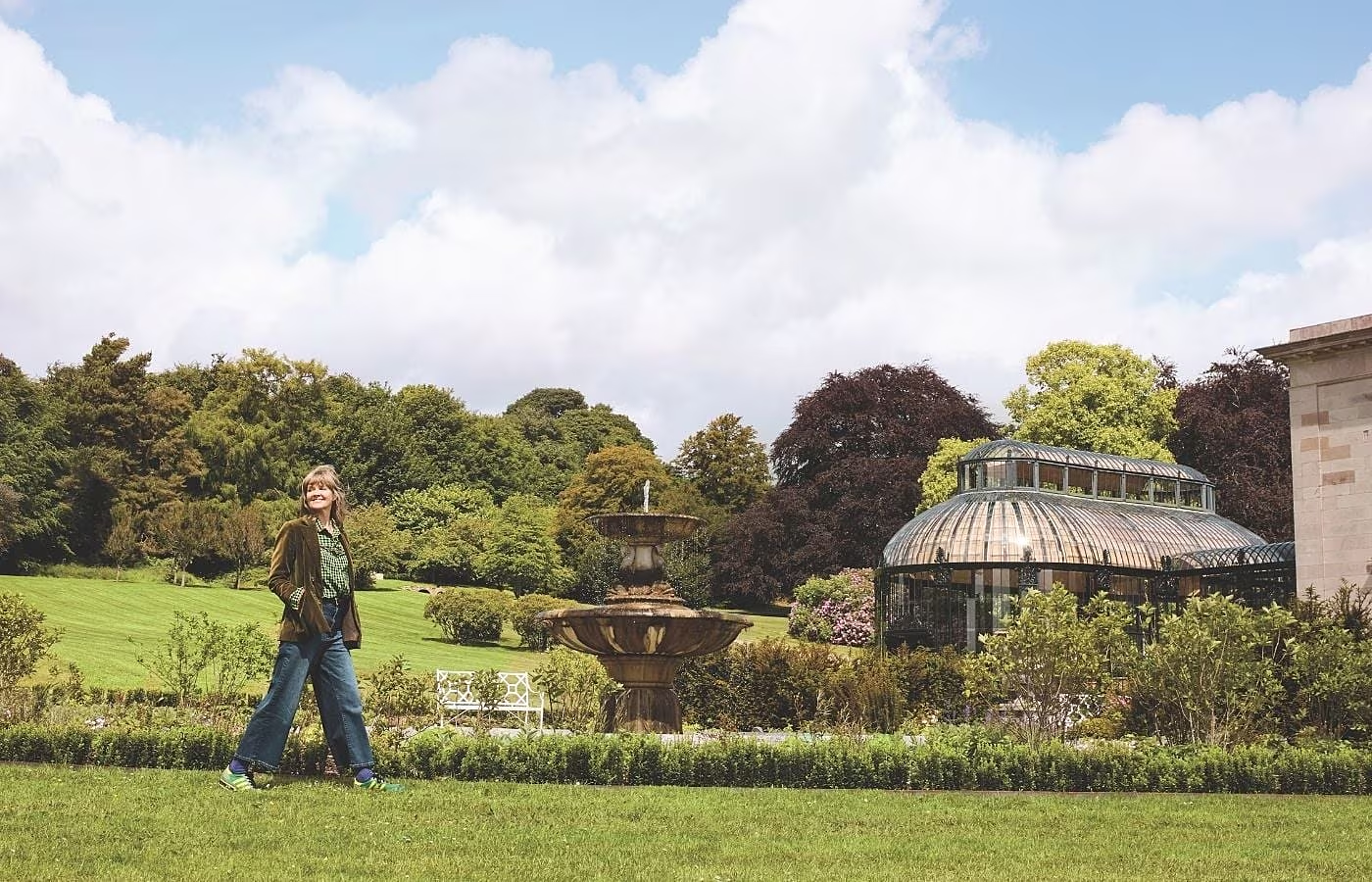
With a dismissive swipe of the hand, she points to the view of the lake from the imposing windows of the room – “those will have to go somewhere else”, she says of the motorised buggies parked at the entrance blocking an otherwise unimpeded vista. Other plans include planting ornamental trees, cherries and crab apples beyond the cascade “as our mission is to bring things into focus, to soften, to make it more inviting. Bordering the mown paths with blossoming trees and more bulbs will blend in with the greenery”. She also wants to bring the rock garden back to life: “it’s a hidden gem in Ballyfin and tucked away”.
Stronger colour will be used in the walled garden and the kitchen garden will become more productive, championed by head gardener Kayleigh Keenan, FitzGerald having been so impressed with Darina Allen’s vegetable garden in Ballymaloe. The whole process is “phased and organic. You have to let the place feed into your bones so you have time to mull things over. It’s about visualising what’s in your mind. The atmosphere has to feel grounded into the landscape and I want things to blend seamlessly with the water. It is about seeing what is here and embroidering on it and adding little extra things to lift it,” she says. She enthuses about wildlife around Ballyfin – the hares, swans, swallows and pine martens along with acres of walks and meadows.
“The Krehbiels are committed to a holistic approach to nature. This is very much a landscape which is being managed with careful intervention,” she explains. Her own decision to become a landscape designer happened almost by chance when she was twelve years old and had what she calls an epiphany in Kerry. “I came across Dereen Garden and Rossdohan both remarkable with giant tree ferns and rhododendrons going down to the sea. I remember thinking this is thrilling and this is what I want to do. It’s a William Robinson plan of garden and he is my hero,” she says. Robinson (1838-1935) was a famous, influential Irish gardener and journalist, and, ahead of his time, champion of the wild garden “and his ideas of that mix of native and exotic growing naturally in the conditions that suits them best is how people are thinking now – that gardens should be less labour intensive and more holistic, adapting to conditions in a natural way”.
One of her four children, Christabel aged twelve, is already showing signs of horticultural interest and she shows me proudly a picture of her standing beside her trellis of sweet peas. As she manages homes between the UK and Glin in Co Limerick, she finds climate change particularly notable in the south of England where she works a lot. “I see the stress on trees and the amount of water needed to keep a garden growing. Sand and gravel gardens now are quite commonplace. The tap roots go down to the soil which keeps them hardy and resilient and the plants fill up in a couple of years. Sage, lavender, cistus in soil would not work, but under sand they thrive because they don’t need watering. So there is a real change in how people are planting. We don’t have that problem , but we are also in an experimental mode because winters are wetter and windier and storms more frequent.”
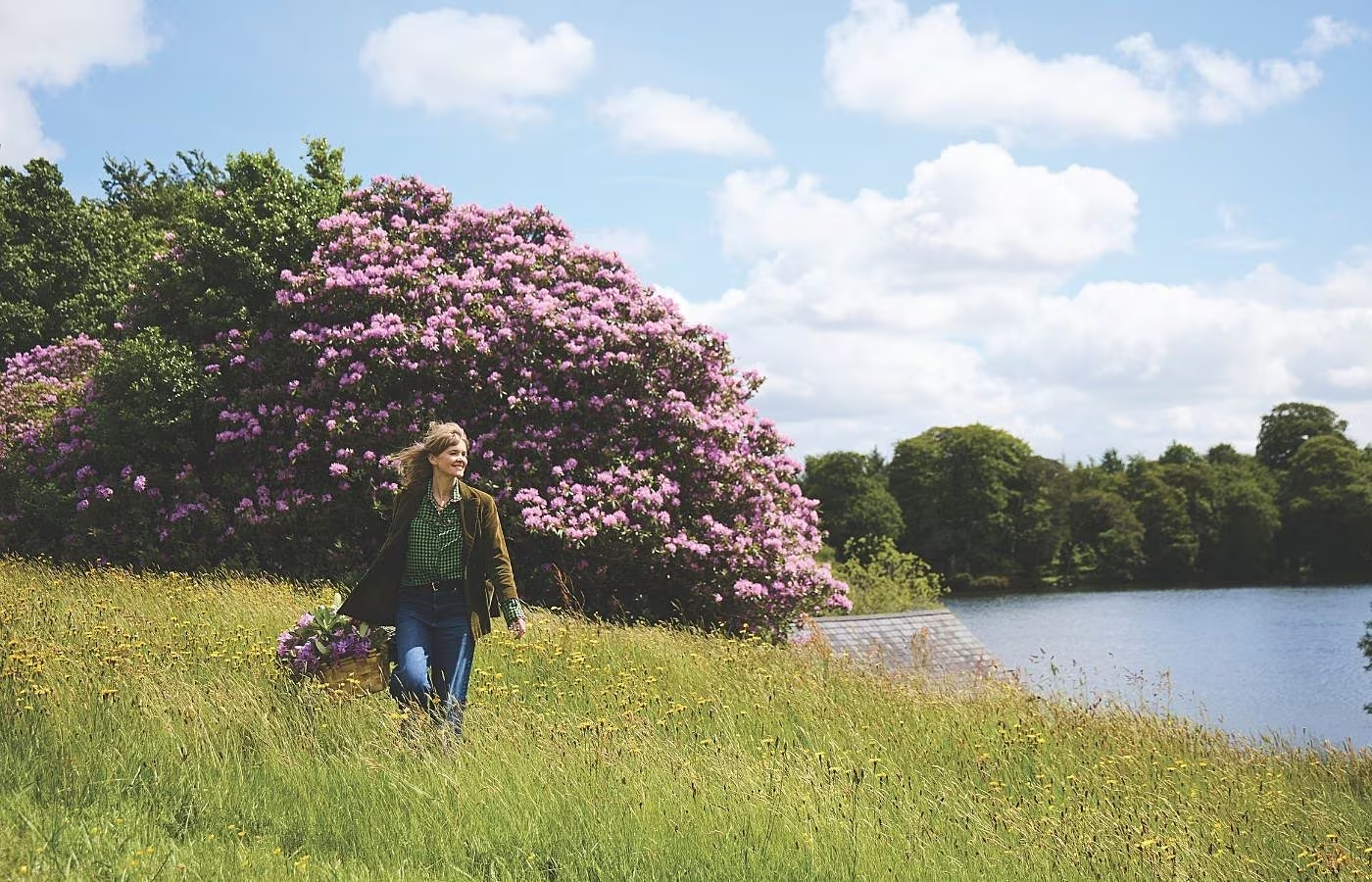
Gardeners visualise the future in their own particular way and she is passionate about her work. “Creating atmosphere and emotional resonance is something I think about when designing,” she says. In 2023 she co-founded the Festival of Gardens and Nature in Ballintubbert House which attracted some 700 visitors this year as well as speakers that included James Hitchmough, a specialist in ecological gardening.
At Ballyfin her vision will be realised organically and slowly with a famously subtle but effective touch, fitting in with her guiding philosophy that gardens should inspire and delight, and respecting the principles of “genius loci” – the protective spirit of the place. “Leave some long grass, let wildflowers grow, let hedgerows thicken out – you don’t have to do the full rewilding, but you can go halfway – plant hawthorn, blackthorn and rose hips, bomb the place with wild roses. Let nature in.”
SEE MORE: Sara Dolan From Mount Congreve Gardens Lives In A Pretty Gardener’s Cottage