On Swiss Time: Find Out What Makes A Luxury Watchmaker Tick
Taking a trip to discover what makes a luxury watchmaker tick …
First, let’s go back in time. In 1839, Polish entrepreneur Antoni Patek partnered with watchmaker Franciszek Czapek to establish Patek, Czapek & Cie in Geneva, the company specialising in high-quality pocket watches for European aristocracy. Czapek left the partnership in 1845 and Patek joined forces with French watchmaker Jean Adrien Philippe, inventor of the keyless winding mechanism which allowed watches to be wound and set using a crown rather than a key, an advancement that soon became the industry standard.
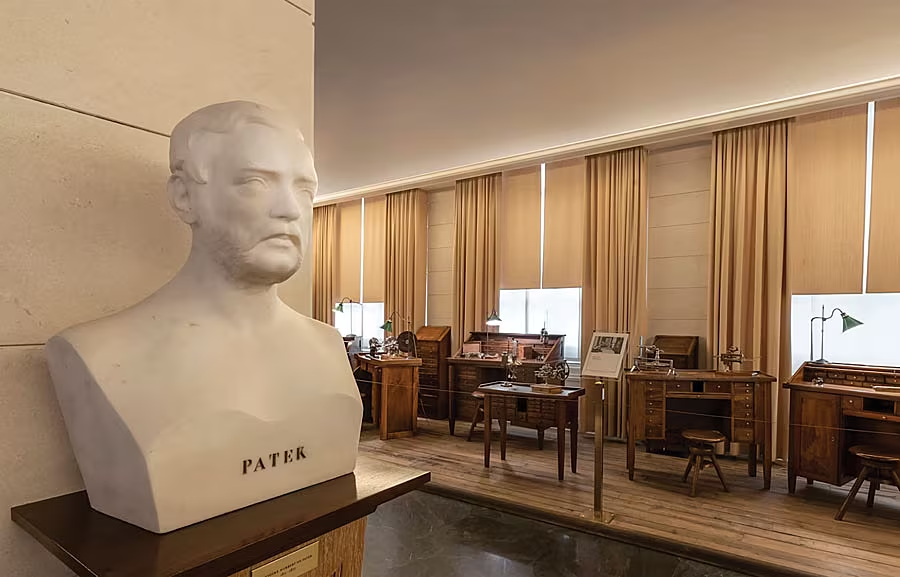
Innovation was the name of the game. Throughout the late 19th and 20th centuries, Patek Philippe produced some of the most complicated mechanical watches ever created, including perpetual calendars, minute repeaters, and splitseconds chronographs, building a reputation for exceptional craftsmanship and design alongside technological innovation. In 1932, the company was acquired by the Swiss Stern family, who still own and manage the brand today, a rarity in the modern watch industry. The Sterns – now the fourth generation – carefully preserve the firm’s independence and commitment to traditional watchmaking.
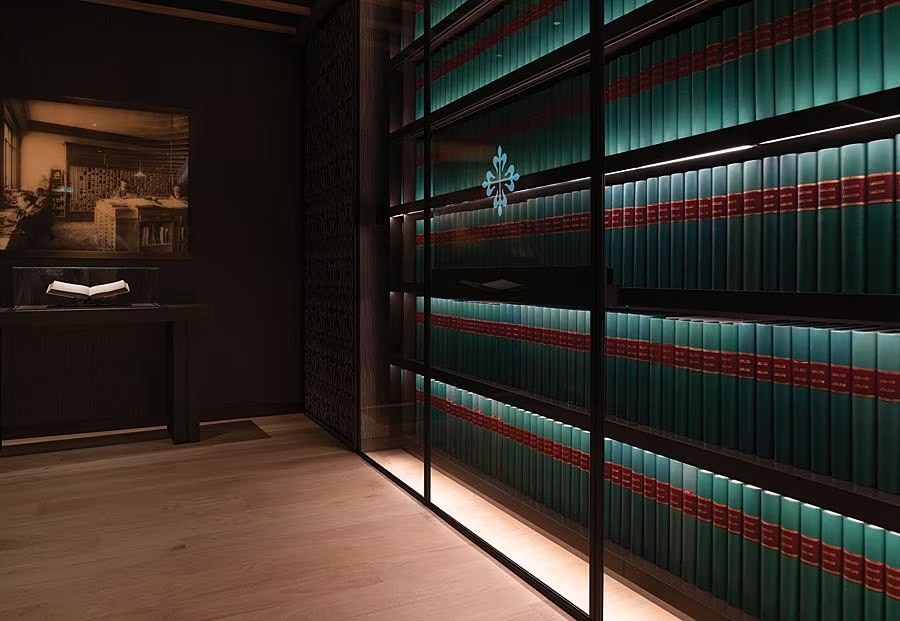
“Green Books” at Patek Philippe’s manufacture at PP.
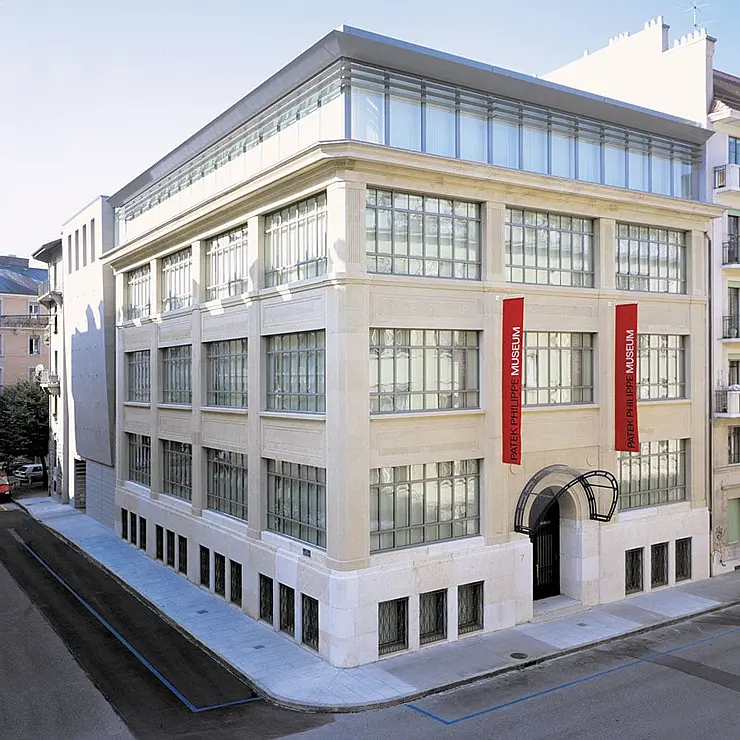
In the Patek Philippe Museum in the centre of Geneva, which opened to the public in 2001 in a restored early 20th-century building that once housed a production unit, a charming and precise expert guide shows us the highlights of one of the most important horological collections in the world, with its 2,500 watches, automatons, and decorative objects spanning five centuries of watchmaking history. The collection includes Patek Philippe’s own creations from 1839 to the modern era, revealing groundbreaking technological achievements and craftsmanship. There are exquisite timepieces made for Empress Josephine, Queen Victoria, American presidents. There are pendant watches, pocket watches, locket watches, châtelaines, tiny wrist watches, each one more unusual and exquisite than the next.
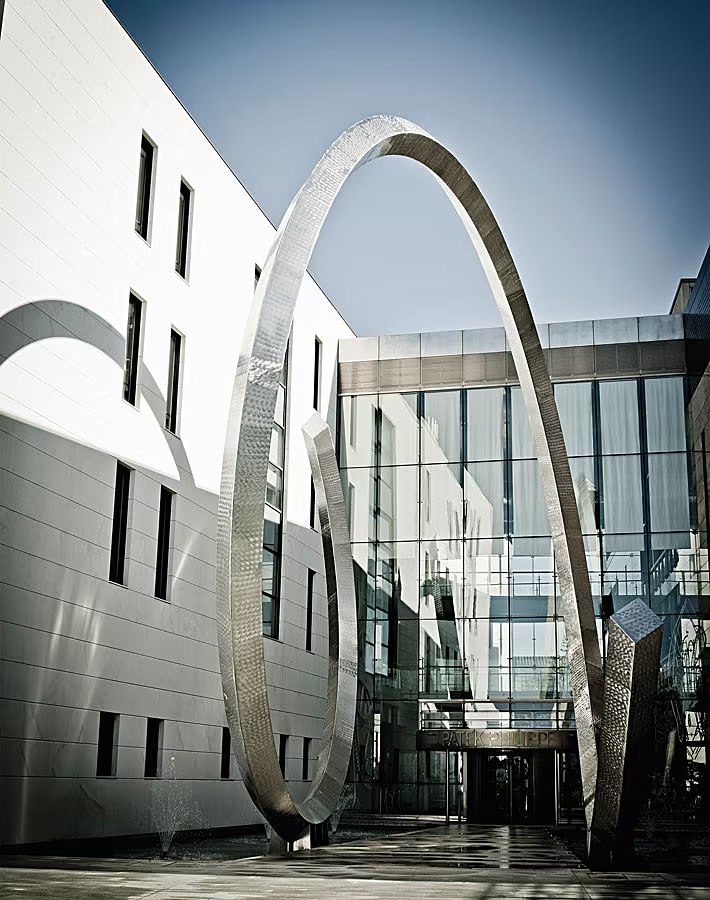
PP6, state-of-the-art manufacture.
In the Geneva suburb of Plan-les-Ouates, Patek Philippe operates one of the most advanced watchmaking facilities in the world. The company first centralised production there in 1996 to bring together many of its workshops under one roof. In 2020, the company inaugurated a massive new extension to this site – the PP6 building. This state-of-the-art manufacture spans ten floors and more than 130,000 square metres, providing space for production, research, restoration, and training of uber-skilled white-coated artisans and watchmakers, combining new technology with traditional methods on every floor.
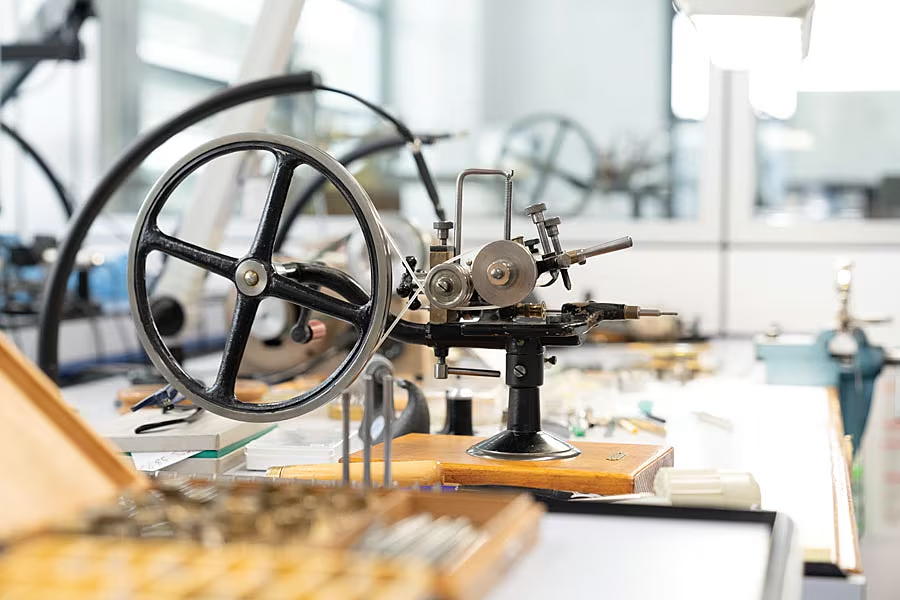
Original tools are used to restore historial watches.
Specialised departments include movement production, gem-setting, case and bracelet making, and the “Rare Handcrafts” ateliers where traditional decorative techniques such as engraving, enamelling, marquetry and guilloché are preserved and cultivated. By consolidating these skills – from polishing a pinion scarcely bigger than a grain of sand, to “snow-setting” diamonds into a watch bezel, to creating the tiny hammers, gongs and chimes inside a mechanism – under one roof, Patek Philippe ensures complete control over production. An archive contains the famous “green books” – a record of every single timepiece ever made, with serial number and watchmaker noted. Perfection defines Patek Philippe.
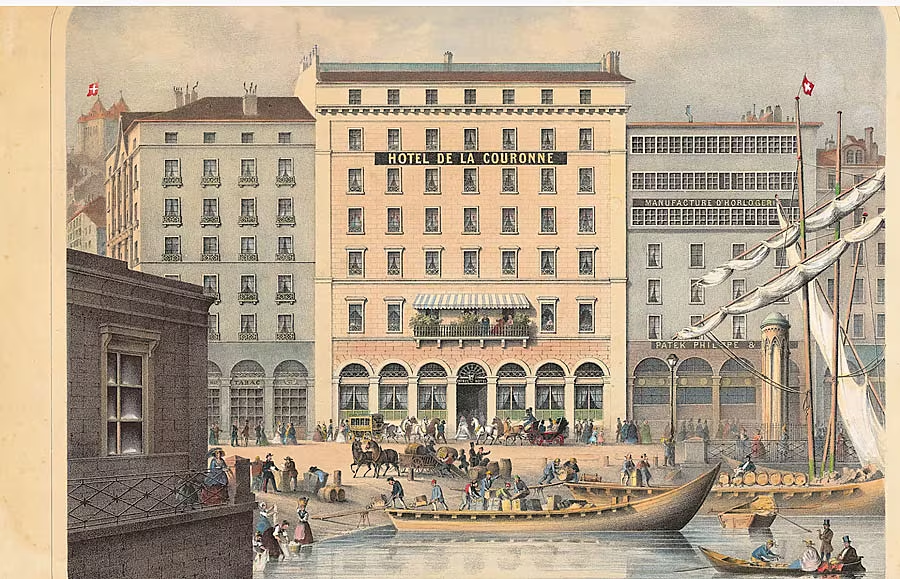
The original Patek Philippe manufacture at Quai des Bergues, Geneva.
The company produces a relatively small number of watches each year, emphasising quality over production. The cost of a Patek Philippe watch varies widely, depending on the model, materials, and complications – extra mechanical functions. These watches are among the most expensive in the industry, with entry-level models costing in the region of €20,000, all the way up to Grand Complications from €180,000 to over €1m. Rare collectors’ pieces command several million dollars at auction. Creating something exceptional takes time, and money.
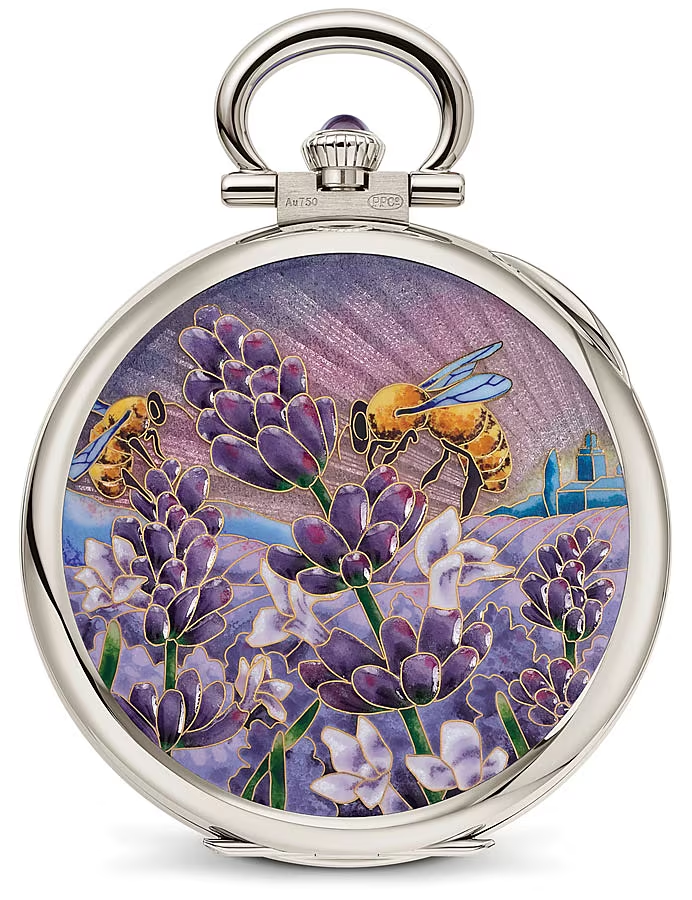
A detail of a Rare Handcrafts timepiece.
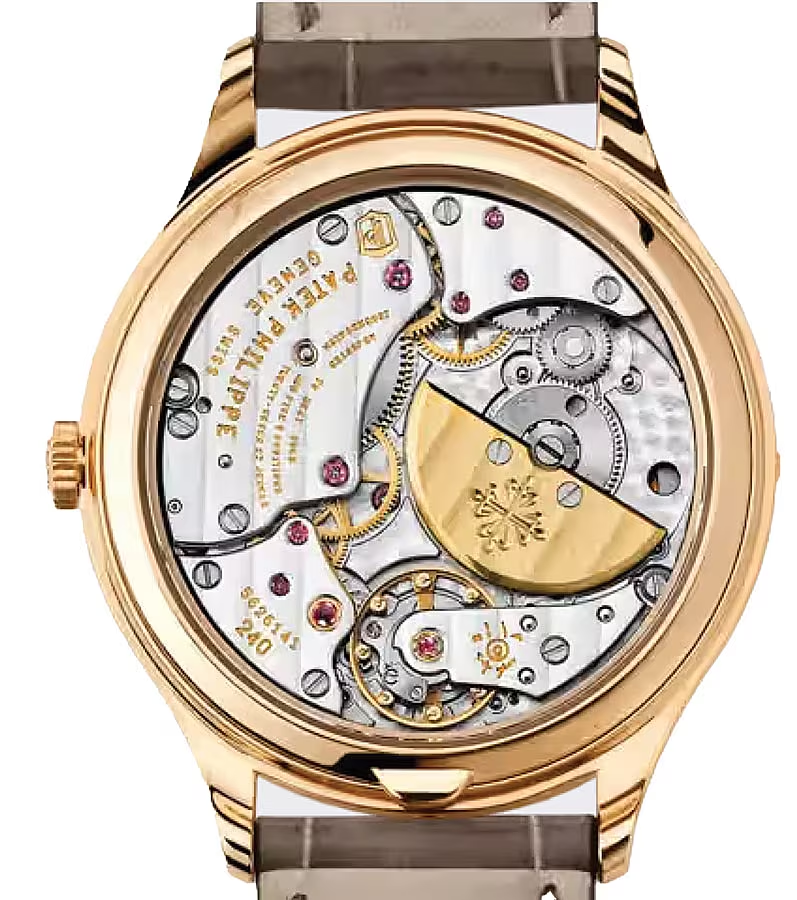
The perpetual calendar mechanism.
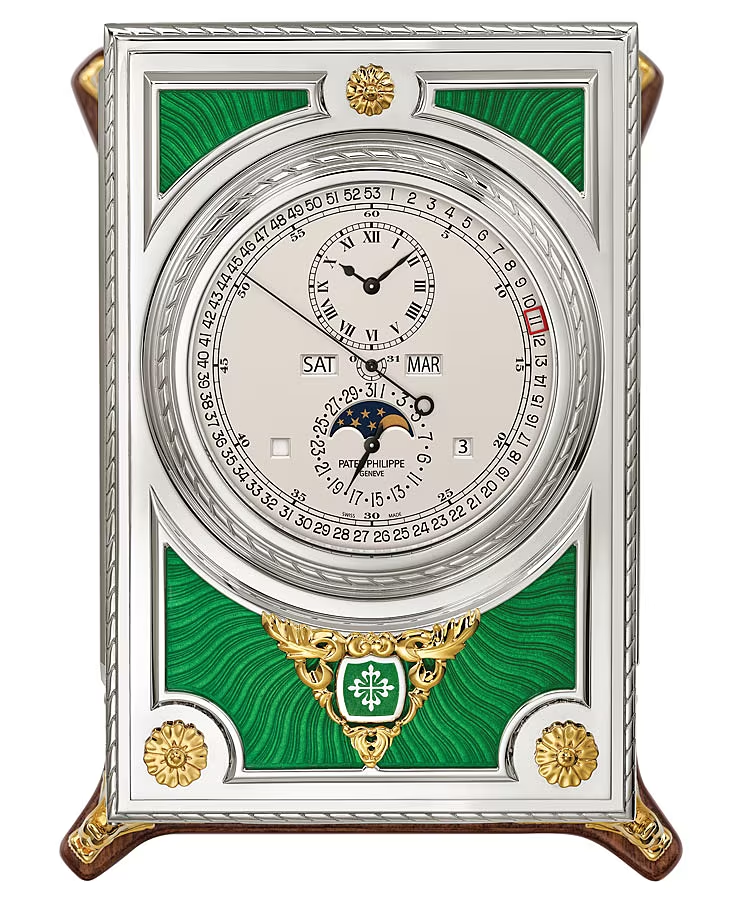
Rare Handcrafts clock.
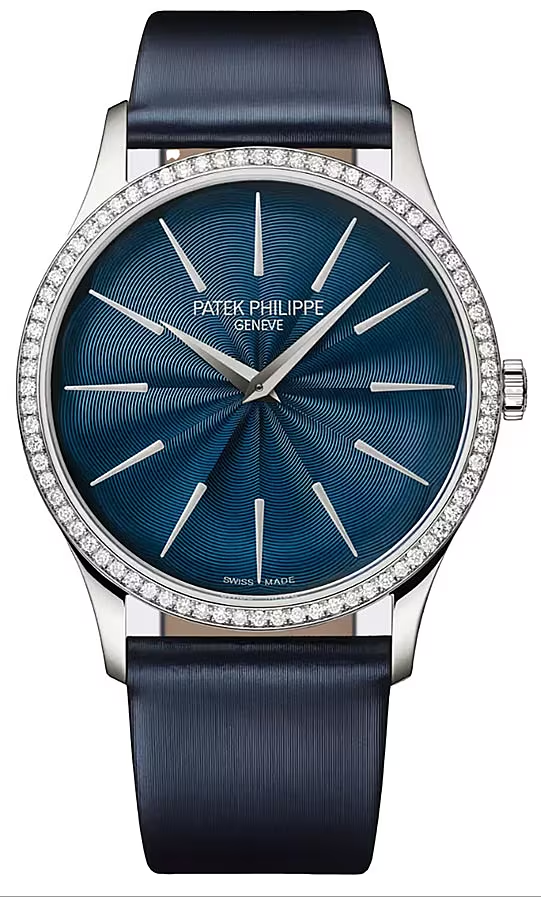
The Calatrava model.
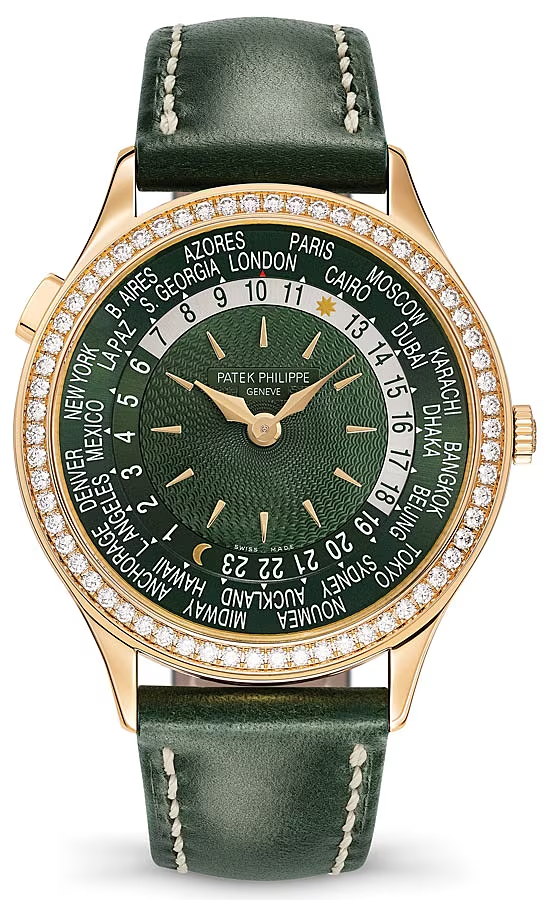
The World Time model. Weir & Sons, Dublin and Keanes, Cork are official partners of Patek Philippe.
SEE MORE: Embrace Silly Season – It’s Time To Be More Whimsical!