Discovering Mapperton House In Dorset With Julie Montagu
How did the Countess of Sandwich inspire a scarf collection? Read on …
Earlier this year a mutual friend, interior designer Malcolm Winyard, introduced me to the 12th Countess of Sandwich Julie Montagu whose family home is Mapperton, the historic house in Dorset. I’ve been a fan of Julie’s since I first saw her on the reality television show Ladies of London over a decade ago. More recently, I’ve admired the enthusiasm with which she has embraced Britain’s built heritage through her YouTube channel American Countess where she champions historic houses, their collections and, most importantly, their custodians, from the majestic Blenheim Palace to the tiny Crooked House in Lavenham. Perhaps it’s her American background that lets her see Britain’s heritage with fresh eyes, introducing it to new audiences with characteristic energy.
Growing up in Ireland, its built heritage, and particularly its Georgian architecture, was a huge inspiration to me. It was an early influence that stayed with me and continues to inform my work and, really, every aspect of my life. I still seek out marvellous plasterwork whenever I visit great houses across Europe, and its often fantastical scrolls and languid acanthus leaves frequently find their way into the borders of my scarf designs.
With this in mind, I was particularly excited to meet Julie and discover how this all-American girl adjusted to life as the chatelaine of an historic English country house. We met in London, and the idea for a Mapperton scarf was born over a long lunch with Julie and Malcolm, where I thought it very novel to eat a sandwich with the Countess of Sandwich. We quickly discovered that we shared many interests, not least a love of the decorative arts, craft and the importance of preserving both. We also talked about the 6th Countess of Sandwich Louisa who grew up at Castle Coole in Co Fermanagh, whose story features in Julie’s book, Secrets of an English Country House: A Year at Mapperton (available September 24, 2026).
My first visit to Mapperton last May was magical in its enormous Chapel Room with a George III four-poster bed, ebonised Regency chairs, family portraits, a collection of Italian ceramics and an en-suite bathroom in a Tudor turret.
The family seat of the Earls of Sandwich is something of a downsize from the stately Hinchingbrooke, the family seat until 1955, but it’s by no means lacking in the historic layers that make the best houses so fascinating. Furniture, textiles, objets d’art and, crucially, the Montagu family archive document centuries of family life. Among its treasures are Louisa’s sketchbooks, including a wonderful drawing of Castle Coole. The preservation of this extraordinary accumulation of family history has become central to Julie’s work at Mapperton.
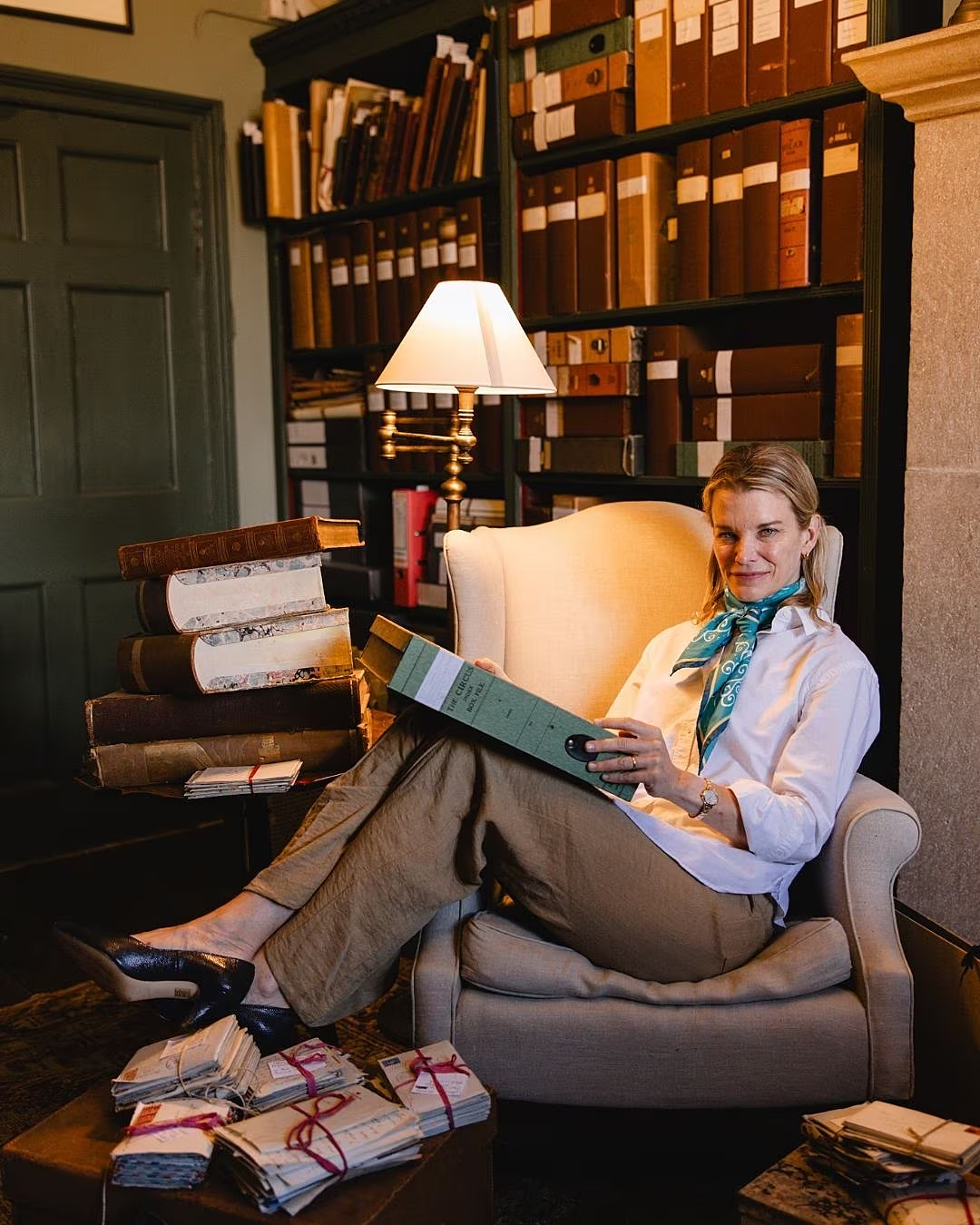
Julie isn’t the first American to marry into this illustrious family. The 9th Countess Alberta Sturges was a Chicago girl and, unsurprisingly, she’s the ancestor who most interests Julie. Among her projects has been the restoration of Alberta’s Charles Worth dress, which inspired our collaboration.
Mapperton has been called the most beautiful manor house in England, a charming mixture of Tudor and Georgian elements. But what struck me immediately was that, for all its beauty and history, this was very much a home. It reminded me of Huntington Castle in Clonegal, Co Carlow: another wonderfully layered family house where centuries of history coexist with the informality of a lived-in home.
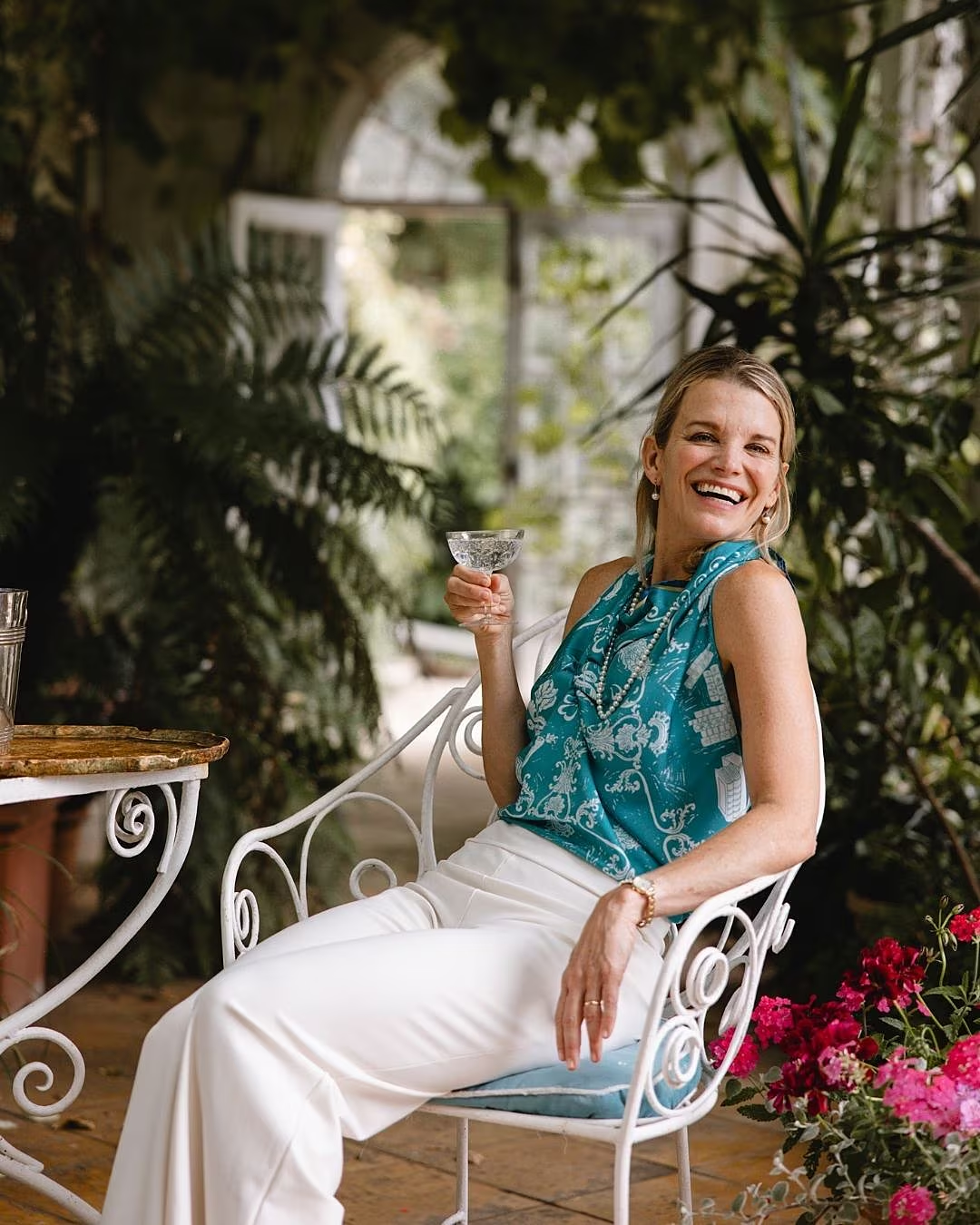
After a tour of the house and gardens, we had an aperitif with the Dowager Countess Caroline, then Julie made salad from ingredients gathered in the kitchen garden while Malcolm prepared fish that the Earl of Sandwich Luke caught. We lunched at the great scrubbed pine table from Italian majolica plates and Murano glasses, using mismatched antique silver engraved with generations of initials and crests. Great houses, we agreed, are as much about generations of craftspeople as they are about family.
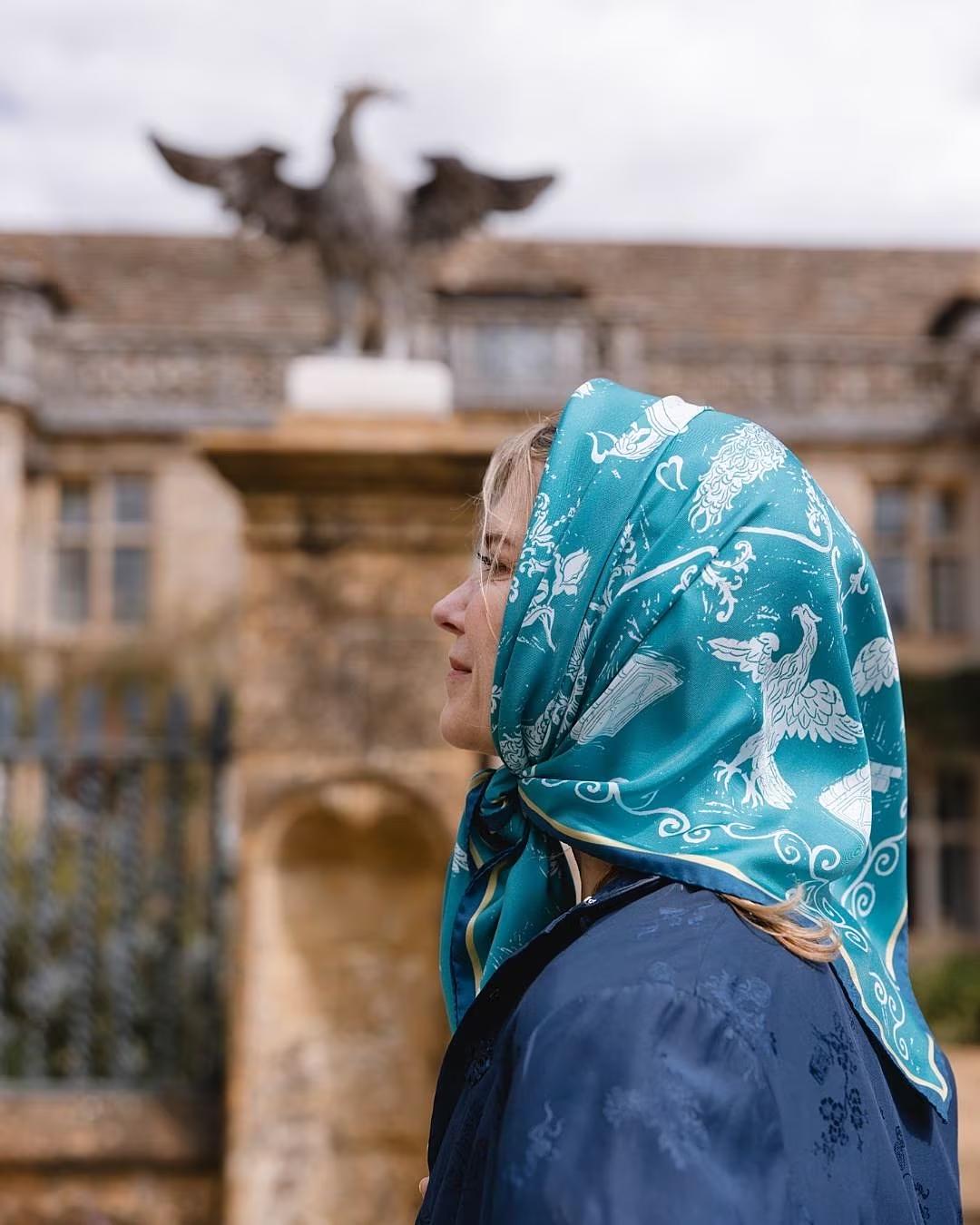
I was given the run of the house to draw and photograph, which became the beginning of the silk scarves Rory Hutton x Mapperton collection. We chose twelve motifs that resonated with her: a peacock from an eighteenth-century tapestry, flowers from Alberta’s Charles Worth dress, the Montagu Tiara that Julie wore on her wedding day and other fragments of history. I translated each into hand-carved linocuts with scrolling borders inspired by the Rococo ceilings, among the most important of their kind in Britain.
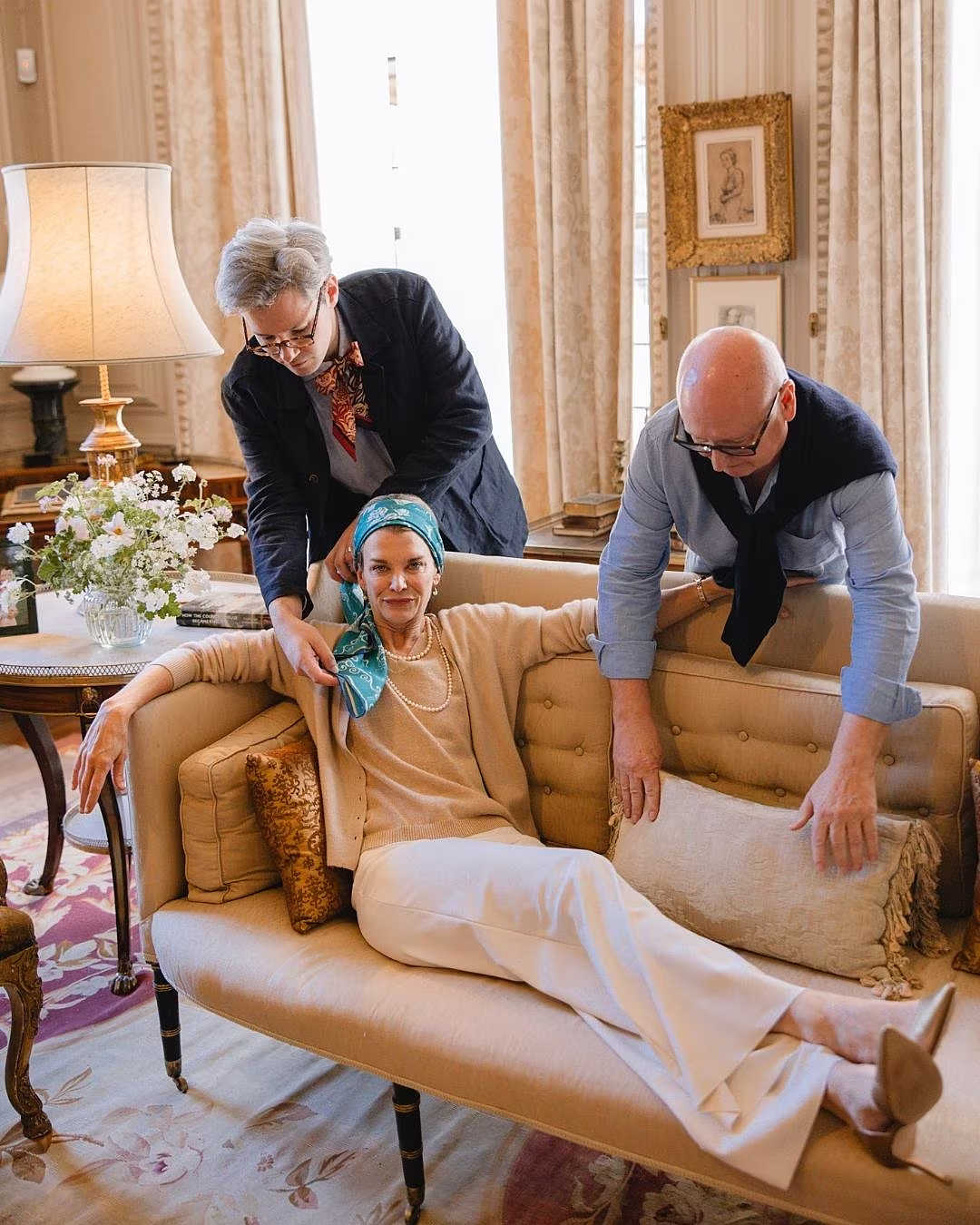
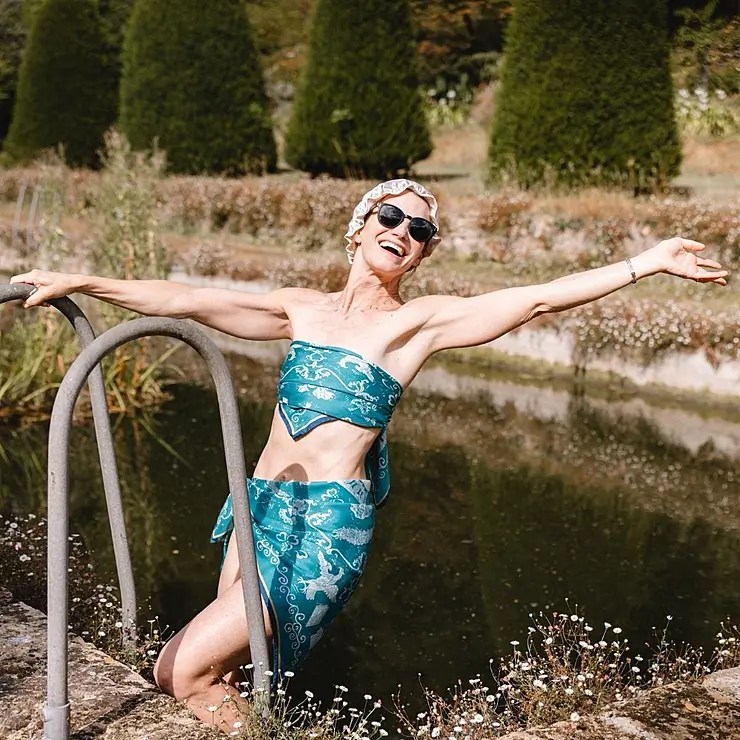
I wanted the scarves to feel almost like rooms in miniature, so Julie came to my studio while I carved the Mapperton peacock and I taught her to make her first linocut: a frilly swimming cap inspired by one she wears in her pool. Linocut reduces even the grandest object to its essential character, and that mixture of grandeur and informality is very Julie: a tiara and swimming cap together on the same piece of silk. Printed in Italy on silk twill, these fragments become new when they can be worn and enjoyed.
When it came to photographing the scarves, I returned to another longstanding source of inspiration. Growing up in Carlow, some of my earliest memories are gardening with my grandparents and visiting the great Irish plantswoman Corona North at Altamont. I remember her giving me packets of seeds and words of encouragement. I don’t think I had much success with the seeds, but she certainly planted a fascination with gardens that never left me.
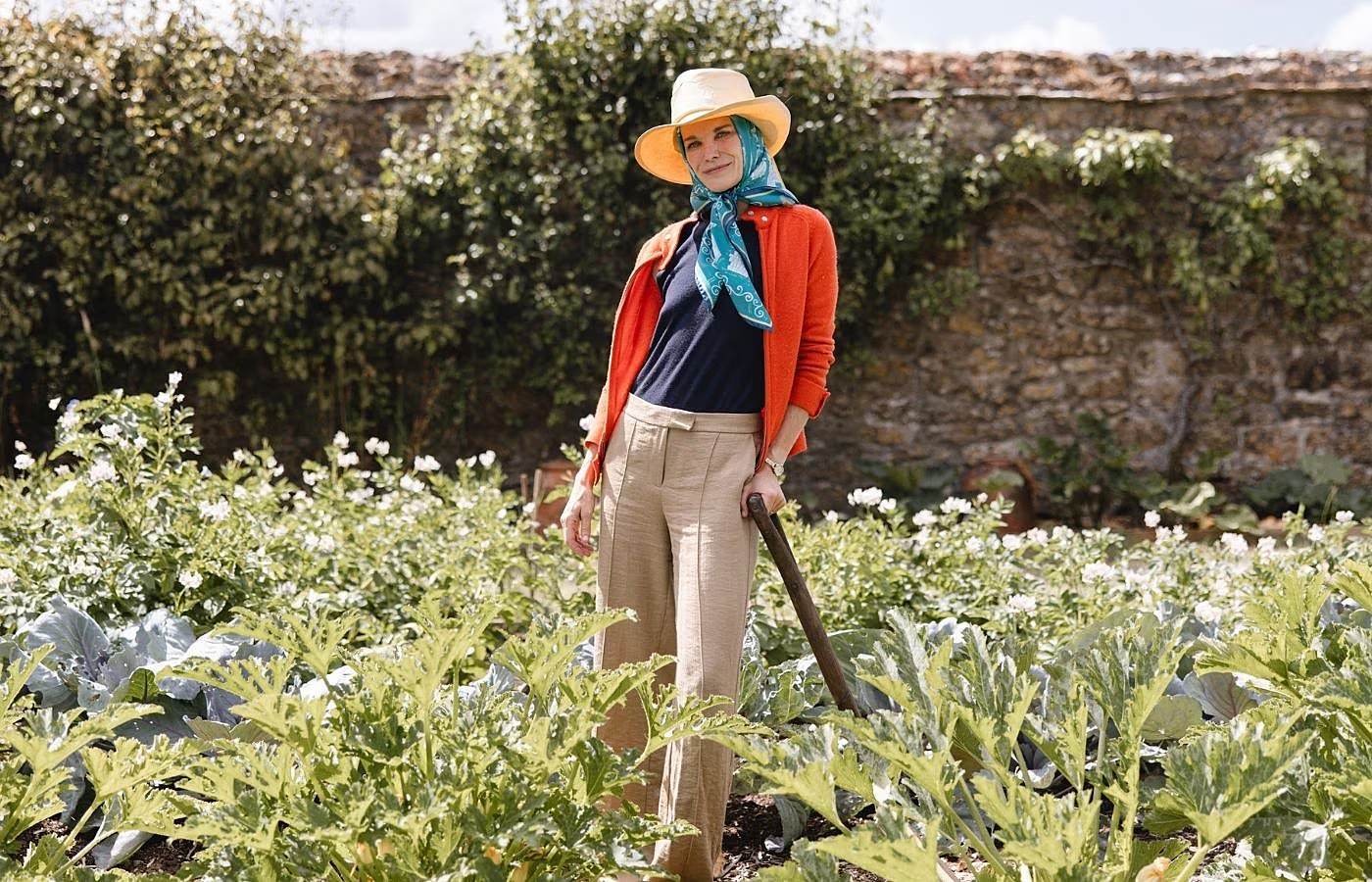
During lockdown when I created a garden-themed collection, one of my muses was the wonderfully eccentric gardener Lady Rhoda Birley who also grew up in Carlow. Valerie Finnis’s iconic photograph of Rhoda in her garden stayed with me and I’ve been burning to recreate it. Knowing that Julie is learning to garden and has become particularly focused on developing Mapperton’s kitchen garden, I saw an opportunity to realise something that I’d wanted to do for years.
Proceeds from the collection will help fund the restoration of Mapperton’s West Room, in which important pieces from the family collection can once again be displayed. It’s circular to take inspiration from Mapperton’s past to create something new and using it to help preserve the house’s future. In a century’s time, I hope that the West Room will stand as a testament to Julie’s vision. Perhaps one of our scarves will still linger in a drawer, waiting to be discovered by a future Countess. I’m proud to have played a small part in Mapperton’s story.
JULIE MONTAGU’S WEST DORSET
West Dorset is one of those special corners of England that deserves more time. It sits along the Jurassic Coast UNESCO World Heritage Site, a spectacular 95-mile stretch of coastline running through Dorset and East Devon. Explore Lyme Regis and Charmouth – famous for the fossil-rich coastline, striking cliffs and harbour – or the much quieter Eype, a village tucked between West Bay and Golden Cap.
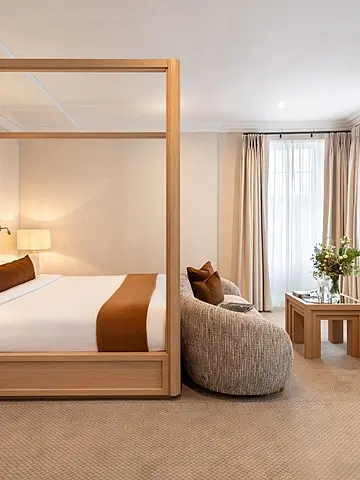
For a lovely end to the day, head to The Seaside Boarding House in Burton Bradstock overlooking Lyme Bay. If you don’t want to leave, you don’t have to: all nine bedrooms are within sight and sound of the sea.
SEE MORE: A Chic Guide To Cambridge