The Tenderness Cage: Caring For Elderly Parents When At A Pension Age
By The Gloss
It’s a strange set of circumstances when elderly parents are cared for by their pension-age offspring …
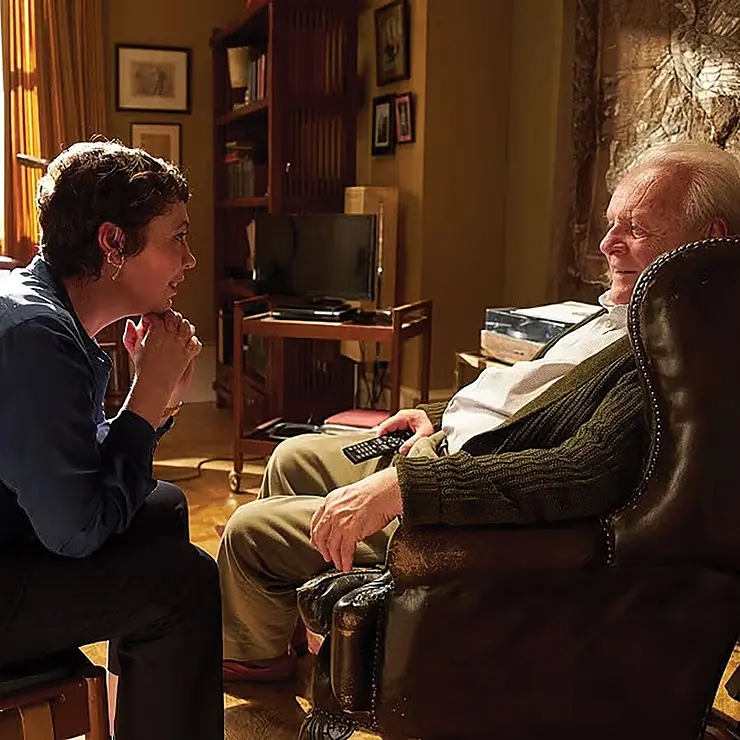
Here they come again, pouring back to the mothership – ie home – for a spring visit or a special birthday, with gifts, grandchildren, and goodwill! After a short time, you wave them off again as they return to Perth, Berlin or even the next county some 20 minutes away, these siblings you grew up with. You close the door, turn down the hall and go back to the kitchen, or perhaps the bedroom, where your sole remaining and incapacitated parent awaits your attention.
According to Family Carers Ireland, there are currently over 500,000 people looking after a parent or loved one, half of whom are between the ages of 40 and 59. Forty-two per cent of these are male and 58 per cent are female. Many of those care for their person alone, without much sibling assistance, and avail of whatever supports are available from the HSE and/or private care. It costs. It’s lonely. It’s sometimes frustrating. It is, however, also voluntary in most cases and done out of concern and love for someone very dear and very vulnerable.
But we are living longer now. In my book Sweep the Cobwebs off the Sky, I depict a woman of even older pension age who finds herself taking over the care of her 93-year-old mother. Frankie, the protagonist, is no angelic sweetie pie, delighted with her responsibility. Neither is she a demon. Opinionated, too often alone with her mother, her hours spent at the family home force her to confront uncomfortable and shocking childhood memories regarding herself and her adopted sister Tess. Furthermore, she dislikes many of the duties that become part of her day – the toileting of her mother for one thing, the dealing with a now fractious personality whose favourite response to any suggestion is quite often “No!”. And although there are regular clashfests between the two, Frankie recognises that her mother was not always like this – the novel brings us back to a period in which Elma was certainly charming if conflicted, witty, funny, and very glamorous.
Everyone who has ever cared intimately for someone else knows all about the silent tyrannies, and that there are times when there is simply nobody on hand to share the load. Visitors may arrive on occasion, laden down with raspberry muffins, but away they vanish again, leaving a mess of crumbs and coffee in their wake. None of us knows what springs up from the past to hijack good intentions. None of us knows how a grown child may have witnessed events in the past – as my character Frankie does – now remembered bitterly even as a decent attempt is made to look after a frail old lady.
I reckon you never really grow up until you have cared for an older person, wiped their bottom, and when they die, sold their house.
The idea behind the novel emerged in part from my own experience of minding my mother. I wasn’t even doing it full time, as I live elsewhere, but regularly enough for it to take a large wedge of time and energy from my days. I reckon you never really grow up until you have cared for an older person, wiped their bottom, and when they die, sold their house. These are the things that bring us to earth. And for my character Frankie, “adulting” is a very confusing thing.
People involved in caring roles are themselves often caged within several overlapping areas: their sense of themselves perhaps in middle age, with a growing family of their own, or their sense of themselves as a single person whom everyone assumes will take on the responsibility just because they are single. Some feel like the filling in the sandwich. No sooner have they half-reared their own children than they find themselves now responsible for an elderly parent, meaning full administration duties, and often the acquisition of an Enduring Power of Attorney. Instead of taking flight in their 60s, they find themselves addressing someone else’s domestic affairs, among them dealing with a parent’s beloved pets, basic housekeeping and cooking, and some predictable arguments as a dear parent finds themselves embattled and gradually losing autonomy.
In the case of my character Frankie, caring for her mother is a choice. She loves and often pities her mother, although she is impatient and angry with her, and resentful of many aspects of her own childhood. Yet she is dismayed by the language which attaches to vulnerable older people, its patronising quality. Because no group of people – young, middle-aged, old – is actually a group, so much as a collection of individuals with vastly differing ranges of experience.
Because Frankie is protective of her mother, she has little time for do-gooders or for people who use the vacuous vocabulary that sometimes accompanies care of the elderly. She dislikes hearing someone described as “losing it”, she is suspicious of some diagnoses of conditions such as Dementia or Alzheimer’s Disease, because she views it as too convenient a term with which to categorise some people who – even if they have severe memory loss – remain viable, interesting human beings with much to offer the world if people will only listen.
But too often the family member doing the caring may be surrounded by impractical or unwilling siblings full of lip service, smiling arm-rubbers who turn up every few weeks with a grandchild and say “Sure you’re great!”, and “Isn’t Mum – or Dad – looking marvellous?”, while the carer grits their teeth and gets on with it.
Finally, in my story, Frankie’s sister arrives home with a Mexican poncho for her bedridden, half-blind and dying country mother, as well as a comical, porcelain blue elephant.
Perhaps it’s time for us as a society to meet and greet the metaphorical elephant in the room, the one that isn’t acknowledged with honesty, and to face down the question of how sole carers need more than a flurried 40 minutes here and 40 minutes there from some State-supplied, underpaid person.
Societies throughout the world cannot be called “civilised”, until our youngest, our most disabled, and our elderly are provided with the unstinting care that they deserve. It should not be a privilege to be looked after, something that most family carers recognise. Older people have paid their dues to society in various ways throughout their lives, and like the rest of us have been as guided or misguided, depending on their personalities and circumstances. And yes, we do owe them.
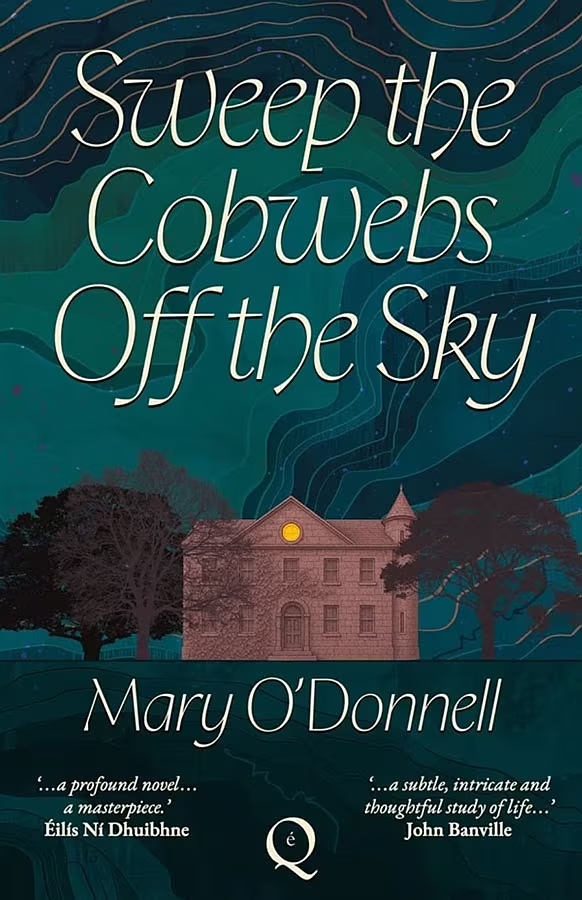
Sweep the Cobwebs off the Sky by Mary O’Donnell is out now.
SEE MORE: Returning To Work After Maternity Leave