




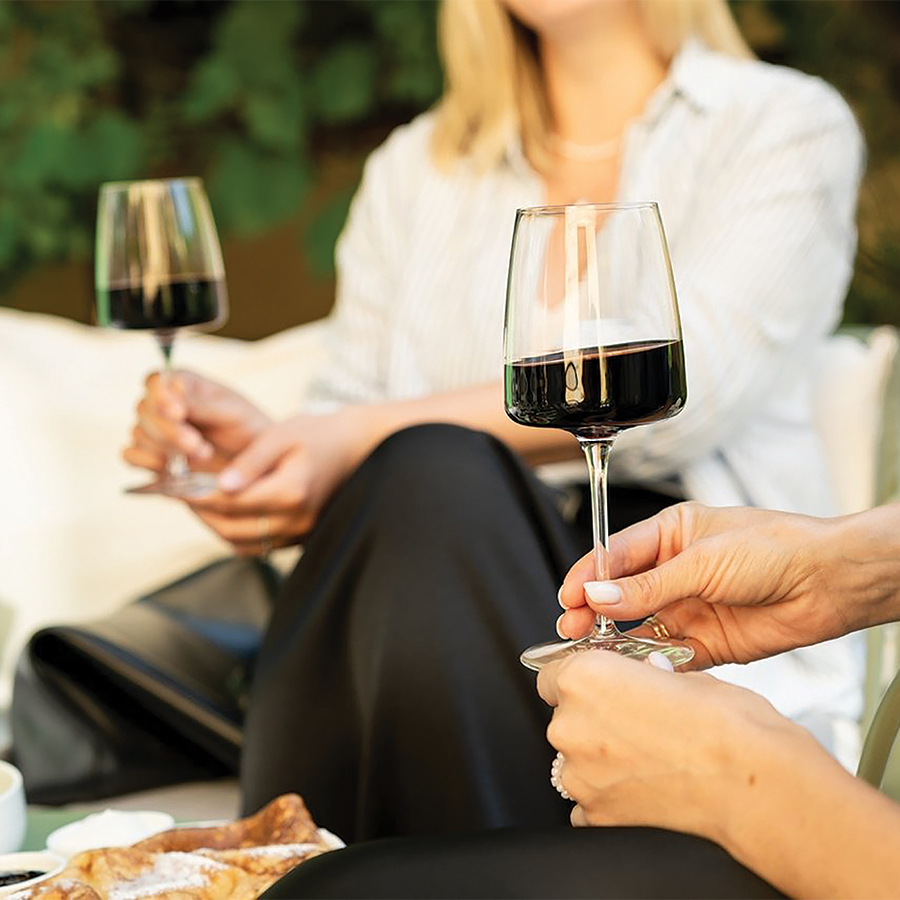
Ask Irish wine lovers about Rioja and you will likely see their eyes light up …
The affection is not new – and certainly not limited to Ireland. Since Rioja celebrates the 100th anniversary of its Denominación de Origen Calificada status (later elevated to DOCa, Spain’s highest wine classification) this year, it’s a good time to reflect on the region’s evolution.
Rioja wine is made from grapes grown in the autonomous communities of La Rioja and Navarre in Spain, and the Basque province of Álava. Rioja is further subdivided into three zones: Rioja Alta, Rioja Oriental (formerly Rioja Baja) and Rioja Alavesa. Many wines have traditionally blended fruit from all three regions, though there is a slow growth in single-zone wines.
Rioja is best known for its reds – typically blends led by Tempranillo, complemented by Garnacha, Graciano, and Mazuelo. These wines are often aged in oak and have aromas of baking spices and savoury notes of forest floor and leather, and a smooth texture.
In the late 19th century, as France battled the phylloxera crisis – a vineyard devastating pest – Bordeaux merchants looked abroad. Rioja caught their attention. Those Bordelais took with them the Bordeaux barrique and ageing techniques that would shape the region’s future.
Rioja’s ageing classification – Crianza, Reserva, and Gran Reserva – has been for many years tied not just to time in barrel and bottle, but also to the use of specific vessels: wines were required to be aged in 225-litre oak barrels. But now, responding to shifting tastes and a renewed respect for site expression, many Rioja producers are going back to their roots – making wines that let the land and grape varieties speak for themselves, often with little or no oak.
In rioja, white is the new red.
Underpinning this shift is Rioja DOCa’s new vineyard classification system, a terroir-driven quality pyramid that brings specificity to the label – much as you would see in Burgundy. It encourages producers to focus on where their grapes come from rather than how long their wines are aged. This pyramid has three levels: Vino de Zona, Vino de Municipio, and Viñedo Singular. Vino de Zona is the broadest, applying to wines made entirely within Rioja Alta, Rioja Alavesa, or Rioja Oriental. Vino de Municipio (village wine) narrows the origin further – it must come from a single recognised village. At the top is Viñedo Singular, or single vineyard wine. These must come from a specific, officially registered vineyard, with vines at least 35 years old and grapes harvested by hand.
In Rioja, white is the new red. The region produces some excellent white wines, most commonly from the grape Viura. Also known as Macabeo, Viura can yield fresh, floral, elegant wines that, in some cases, age remarkably well. Some of the finest white Riojas I have tasted are oak-matured, showing complexity, vibrancy and refinement comparable to dry Tokaji wines.
As for Rioja rosé and sparkling wines, they remain relatively niche but very much worthy of a mention. Usually Garnacha-based, Rosado Rioja offers a lovely balance of red and tropical fruit aromas, along with savoury notes reminiscent of dried herbs. A handful of producers – Lopez de Heredia among them – release their rosados only after several years of maturation, and the results are extraordinary. Vinous, complex, and deliciously oxidative, these wines have the calibre of grand cru bottlings. Yet, like hen’s teeth, they are hard to find. If you come across a bottle, don’t think twice – just buy it.
The first bottles of Sparkling Rioja were released in 2019, using the 2017 harvest as their base. Like Champagne and Cava, they are made using the traditional method, where a second fermentation takes place inside the bottle, creating carbon dioxide that dissolves into the wine to form the bubbles. Produced from the same grape varieties as white Rioja, these wines combine freshness and fruitiness. Sadly, only a handful are currently imported into Ireland.
Autumn brings some of the most exciting flavours of the year – butternut squash, pumpkin, apples, mushrooms, root vegetables and game are back on our plates. Rioja pairs beautifully with these earthy, savoury ingredients.
So whether you are “cheffing”, cooking, or just snacking with friends, there is a Rioja to suit. One hundred years into its evolution, Rioja is still finding new ways to keep us interested. @julie_dupouy
AUTUMN HITS

Rioja “Pies Negros”, Artuke, €24; www.pintowines.ie.

Rioja, “Sela”, Bodegas Roda, €31.99; www.jusdevine.ie.
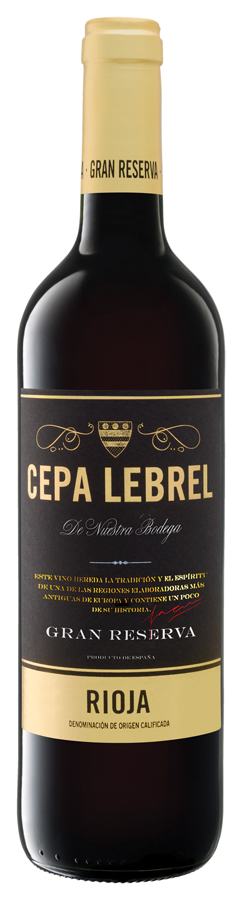
Rioja Gran Reserva, Cepa Lebrel, €11.99; www.lidl.ie.
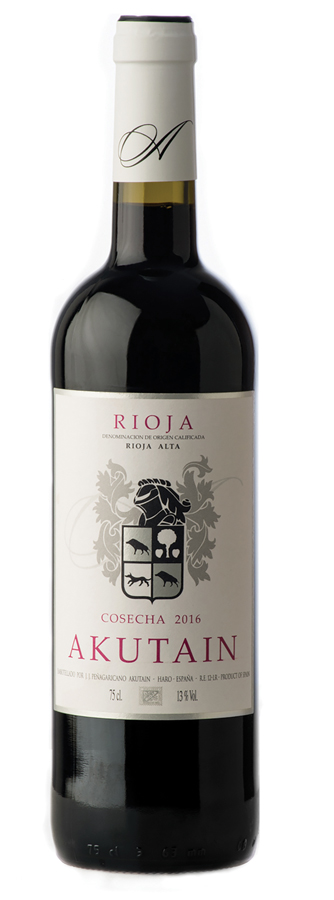
Rioja, Akutain, Rioja Alta, €20; www.baggotstreetwines.com.
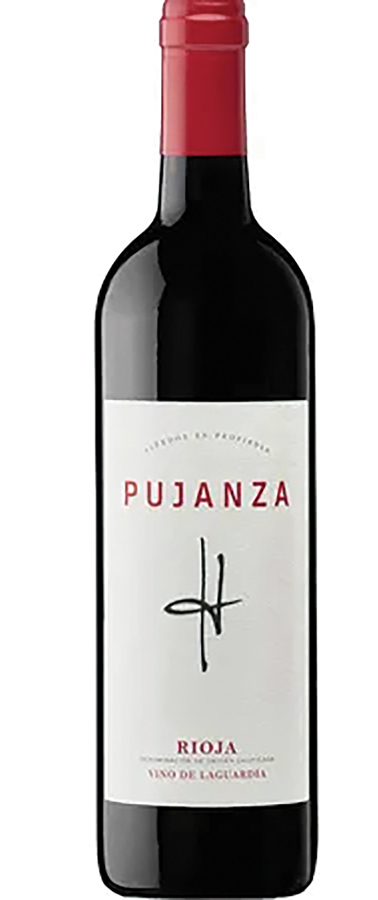
Rioja “Hado”, Bodegas Pujanza, Rioja Alavesa, €22; www.clontarfwines.ie.
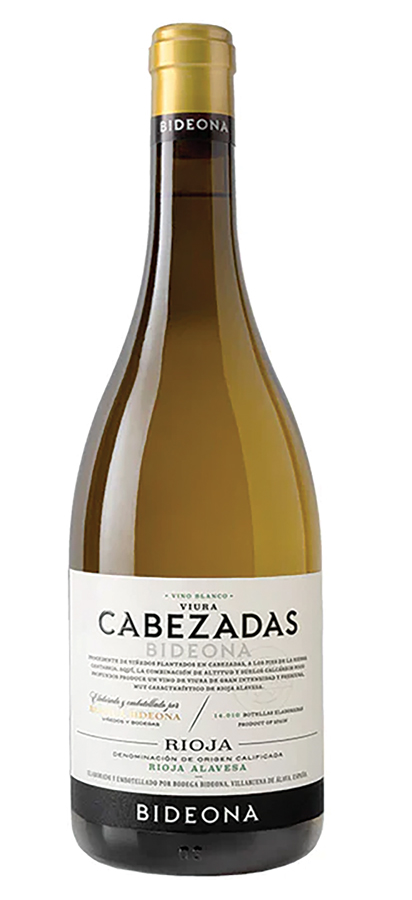
Rioja White, Bideona Cabezadas, Bideona, Rioja Alavesa, €20; www.lilith.ie.
We may earn a commission if you buy through affiliate links on our site.