

Romance novels can no longer be dismissed as predictable chick lit …
I know exactly when I fell in love with love stories. It was during my first term of secondary school, and I was rereading Veronica at the Wells, the second of Lorna Hill’s novels about aspiring teenage ballet dancers. I was barely twelve when I’d last read the book, and back then all I cared about was the heroine Veronica’s life at an elite London ballet school.
But now, at 13, I found myself more compelled by Veronica’s tempestuous relationship with the witty, arrogant aspiring composer Sebastian Scott. I was heartbroken when Sebastian’s stubbornness drove them apart. I swooned in the final chapter when he turned up to see her play her first starring role in Swan Lake. And I beamed with joy when he kissed her at the end, even though I already knew they were going to live happily ever after. It was like a switch had been turned on.
I didn’t know it at the time, but I had just become a romance fan. And over three decades later, I’m still reading love stories.
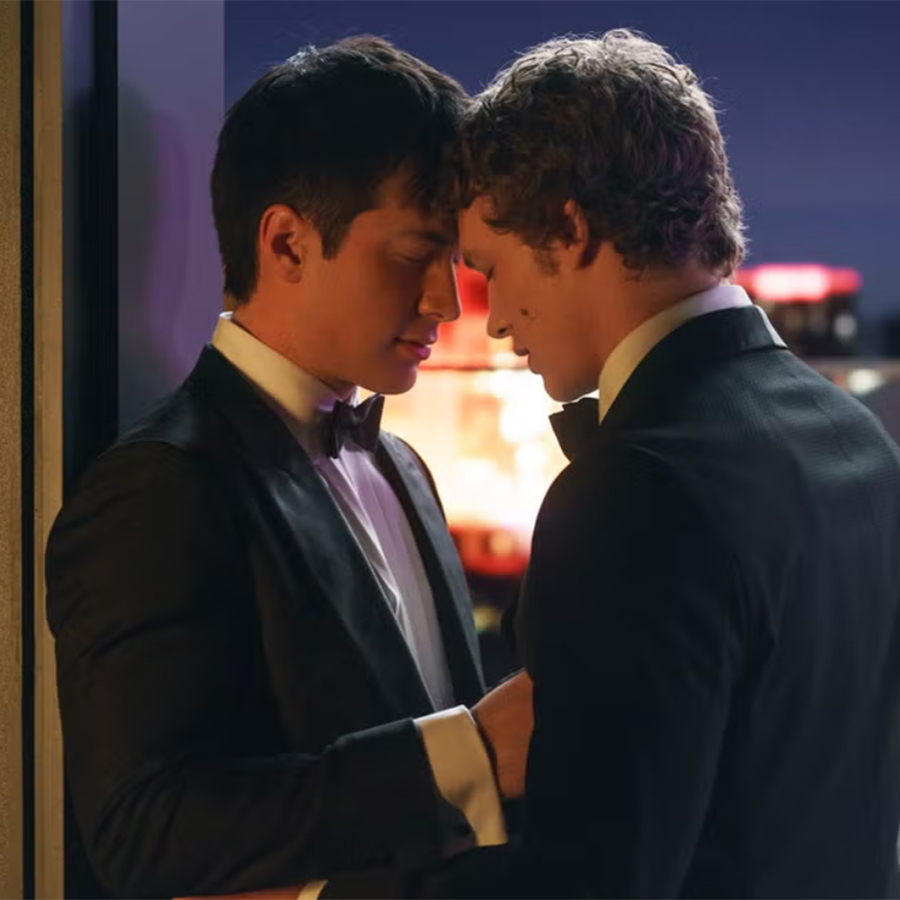
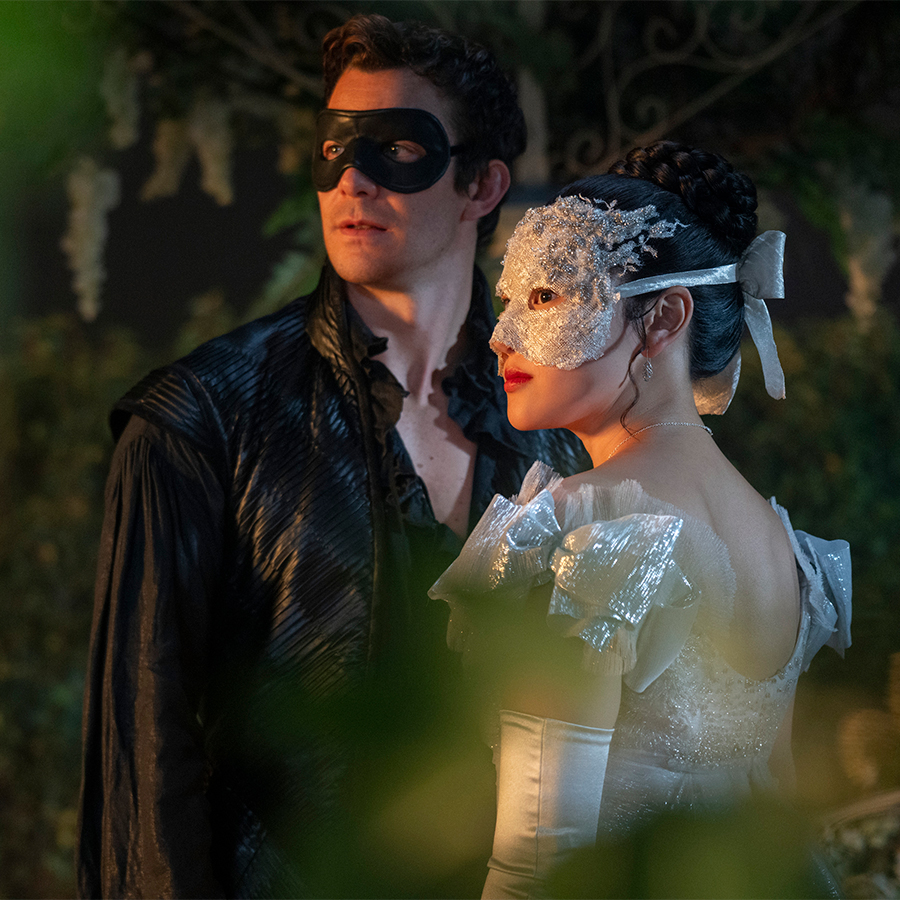
You may have noticed that romance is having a bit of a moment right now, and not just for Valentine’s Day. The most talked about show this winter has been Heated Rivalry, a very hot, heartfelt, queer love story based on a series of novels by Canadian author Rachel Reid. Irish romance writer Chloe Walsh’s books have been in the Irish top ten for the past year. Netflix’s adaptation of Julia Quinn’s Bridgerton romances is a phenomenon. Emily Henry’s Great Big Beautiful Life was one of the biggest books of 2025, while Netflix’s adaptation of her book People We Meet On Vacation recently went straight to the streamer’s top spot.
And this mainstream attention is long overdue. “Romance has always been and will always be the bestselling genre,” says bestselling Irish romance novelist Catherine Walsh, whose seventh book How to Write a Love Story will be published in March. “The only difference now is that readers no longer care if they’re ridiculed for loving it. Social media has played a huge role in providing spaces for romance fans to discuss and share their excitement for these stories, and books that might otherwise be ignored are now being championed.”
Knowing there’ll be a happy ending is part of the genre’s appeal and its power.
For Vicki Notaro, whose third novel Anywhere But Here will be published in July, romantic stories make perfect sense for a writer. “There’s nothing more life-altering than falling madly in – or out of – love, is there?” says the bestselling author of Long Story and Reality Check. “So it’s fantastic grist for the mill, and makes for a wonderful plot device. We’ve all yearned, all likely experienced some sort of heartbreak, and all loved someone, so it’s all very relatable.” And she understands why the genre appeals to readers. “People need escapism. The world is essentially on fire, the news is relentlessly miserable and everyone is a little bit frightened. The dating scene is also messier than ever before … I think a lot of readers just want to retreat in to a world in which it’s possible to meet somebody nice and fall in love.”
Knowing that there’ll be a happy ending is part of the genre’s appeal and its power. “A lot of people call romance predictable,” says Walsh, “But it’s all about the journey. Because readers know everything will work out in the end, more or less, as a writer I’m able to explore complex and serious topics without dragging everyone down.” How to Write a Love Story is a case in point. On one level it’s a funny, warmly romantic story about a writer and editor who fall in love while working on a book; on another, it’s a thoughtful exploration of grief and the creative process.
And, as all romance writers and readers know, not everyone understands that a book can be both. Walsh says that the biggest challenge she faces is other people’s perception of romance. “People never know how to react when I tell them I write romance,” she says. “It’s like there’s an ingrained urge among people to see it as beneath them. There’s also a lack of support at a broader level. Most bookshops don’t stock much romance despite incredible sales, and we rarely get serious coverage in the press or prizes. I know how much work and skill it takes to write in this genre, but it’s hard constantly having to justify my craft.”
This dismissal of romance can be rooted in misogyny. “Romance has traditionally been looked down upon because it’s something women enjoy,” says Notaro, whose podcast You Had Me At Hello invites guests to celebrate their favourite screen romcoms. “But really, it’s all I’ve ever wanted to write – books for women, about women. I am a proud big girly book author!”
And so am I. Two years ago, burned out after several years writing research-heavy historical fiction (and, in retrospect, reeling from the recent sudden death of my father), I knew I wanted to write the sort of book I needed to read. I wanted to finally write in a genre I’d loved since I was first captivated by Sebastian and Veronica all those years ago. I wanted to write something fun, something full of joy and heartbreak with a happy ending. I wanted to, well, write a love story.
I adored the challenges of writing a romance, trying my best to make it swoony but real.
So I did. I wrote a book about a woman whose former bandmate, now a hugely successful musician, asks her to finish a song they started writing together when they were in college. Our Song was published last summer and was nominated for Popular Fiction Book of the Year at the 2025 Irish Book Awards. But what meant more to me than any award shortlisting was the fact that writing this book was the most joyful creative experience of my life.
As my heroine, Laura, fell back in love with both music and her bandmate, I found myself falling back in love with writing. I adored the challenges of writing a romance, trying my best to make it swoony but real, to capture all the sexual tension and the heartbreak and the ultimate joyful declaration of love. And when I finished the first draft, I didn’t want to stop. So I started writing the follow up, another romcom called Love Scene which will be published in May, and to my relief I loved writing it just as much as its predecessor. For me, writing romance became a love story in itself. It’s made me so, so happy. And I want to keep doing it for as long as I can.
Because if reading romance for over 30 years has taught me anything, it’s that you should always seize the opportunity to live happily ever after.
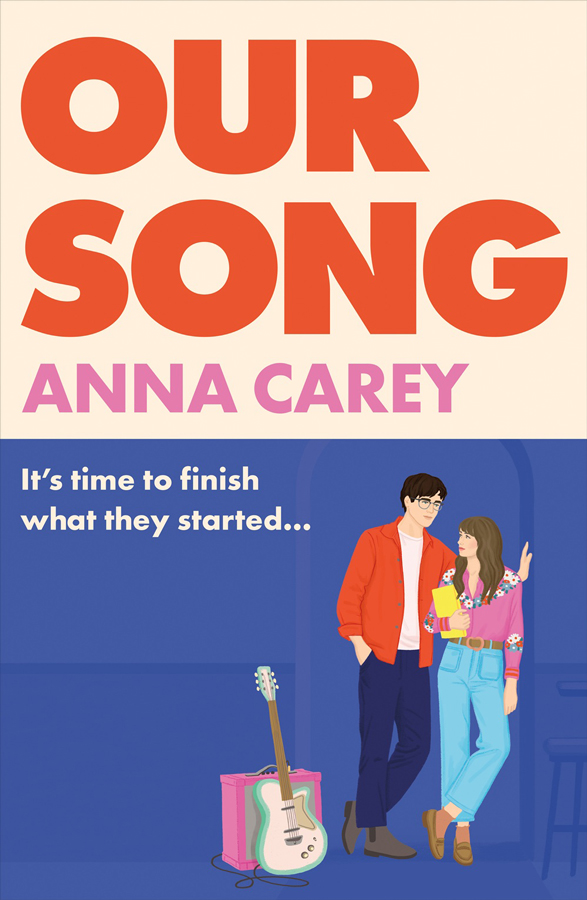
Our Song by Anna Carey is published by Hachette Ireland.
READ MORE: Lonely AF – Expert Tips To Beat Emotional Loneliness