Fraughan Sunday: Rediscovering A Unique Irish Summer Tradition
Find out more about this special ritual and foraging tips …
“Early summer, loveliest season
The world is being coloured in
While daylight blasts on the horizon
Sudden, throaty blackbirds sing.”
So said Seamus Heaney in his poem Summer, capturing the simple pleasures of the season. More familiar will be his foreboding poem on the pleasures and disappointment of Blackberry Picking (“Each year I hoped they’d keep, knew they would not”)!
Given Heaney’s rural upbringing and respect for Irish customs, he may well have been familiar with Fraughan Sunday – one of the country’s oldest summer traditions. Celebrated on the last Sunday of July, Fraughan Sunday (pronounced frockin) was a day when families went in search of fraughans, or wild blueberries, marking the beginning of the harvest festival Lúnasa. It was also a day for courting: a girl might bake a blueberry cake for the boy she liked best.
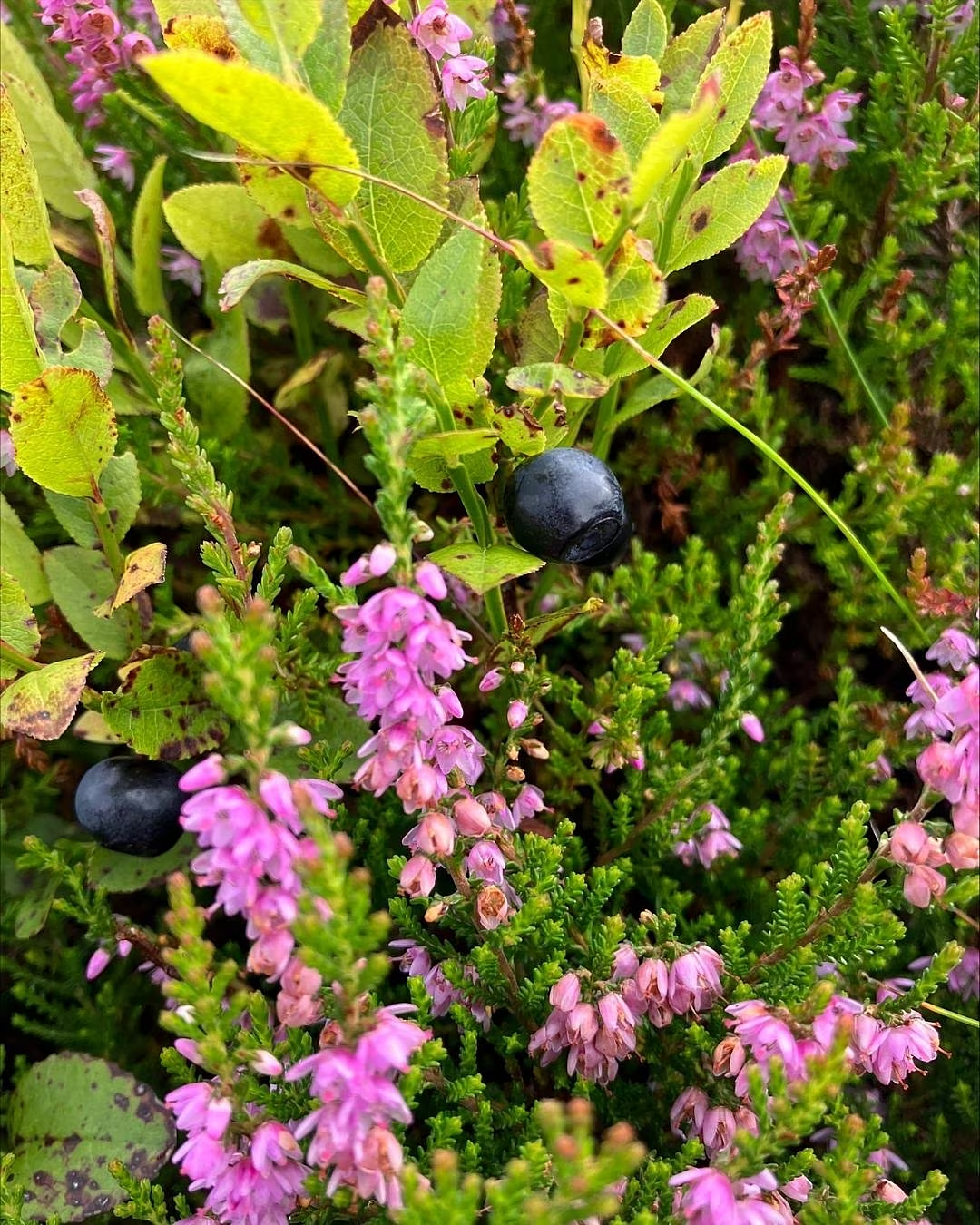
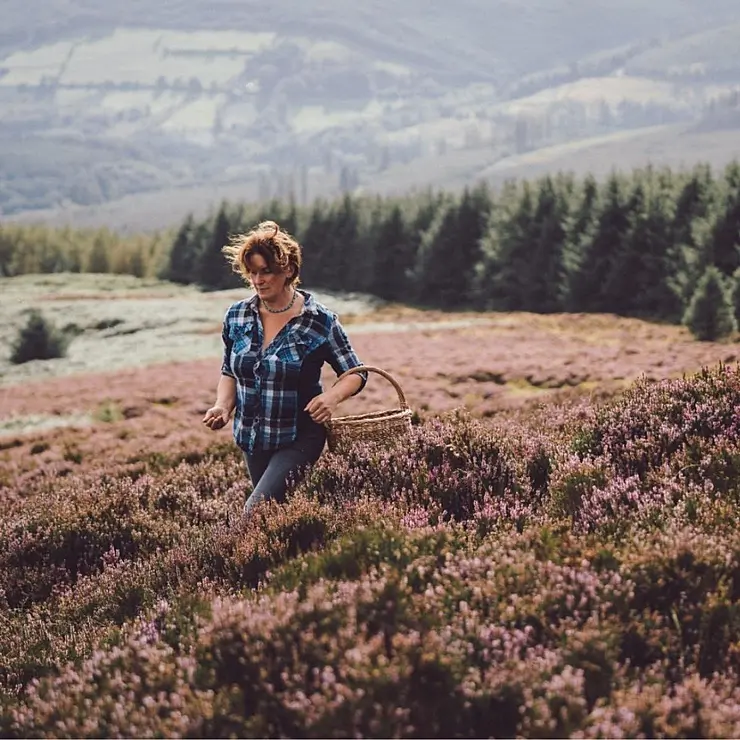
Fraughan comes from the Irish word for heather, fraoch, as fraughans like to grow where the heather grows, in acidic soil. You’ll find them among the heather in the black, peaty soil on the sides of the mountains or in old oak woodlands. As the ancestor of the modern blueberry, they are even more nutritious, being high in antioxidants and vitamins and, unlike the shop bought ones, have a purple juice that will colour your hands as you pick them. One of the former uses of fraughans was as a dye for wool, linen and other natural fibres used to make clothing and blankets.
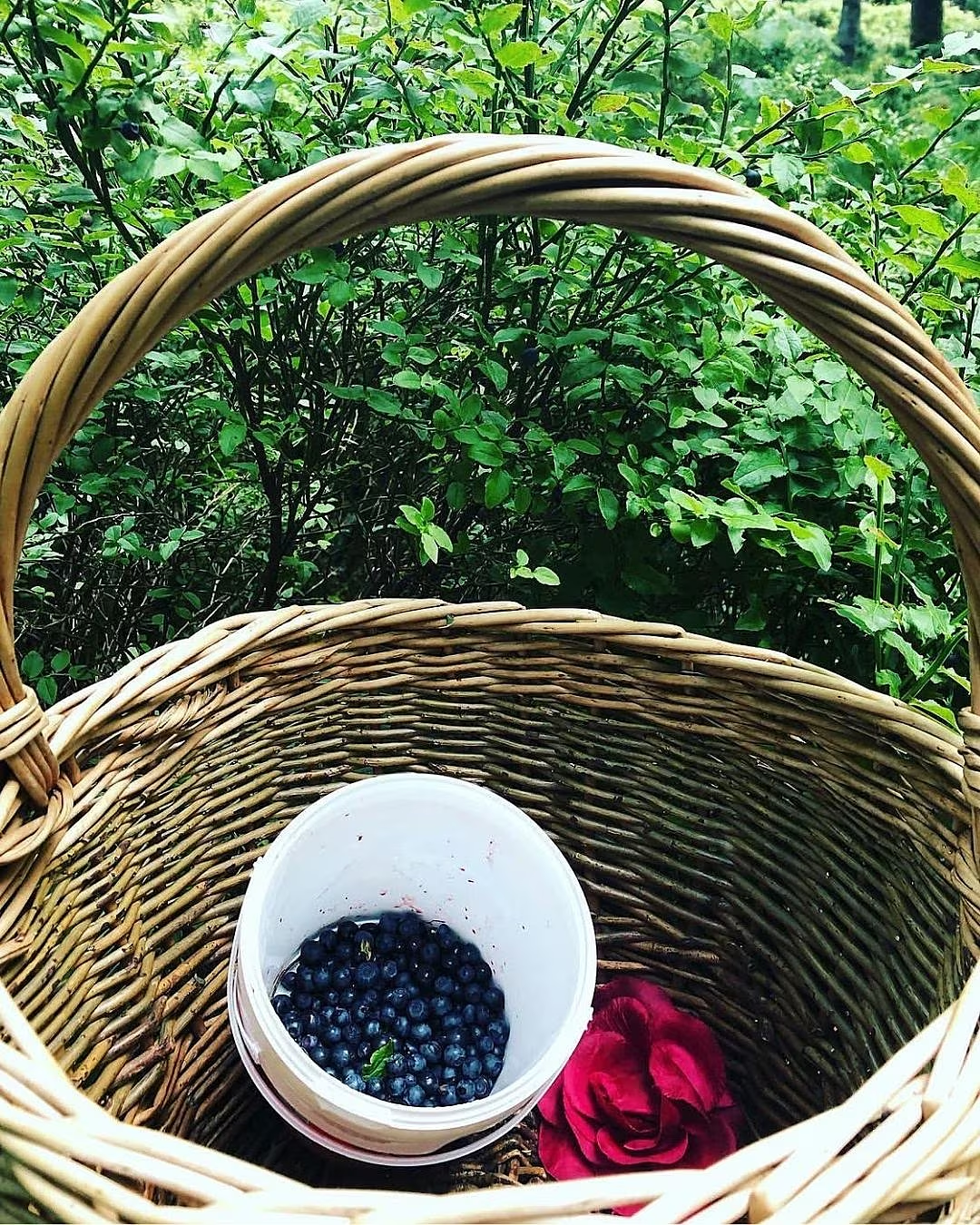
The tradition is connected to social history too. During the First and Second World Wars, families across the Wicklow Mountains spent the harvest season gathering fraughans to sell to buyers who collected them each evening. The income helped pay debts or buy shoes and schoolbooks. The berries were exported to England for jam-making at a time when the population was deficient in fresh fruit and were also used to dye soldiers’ uniforms.
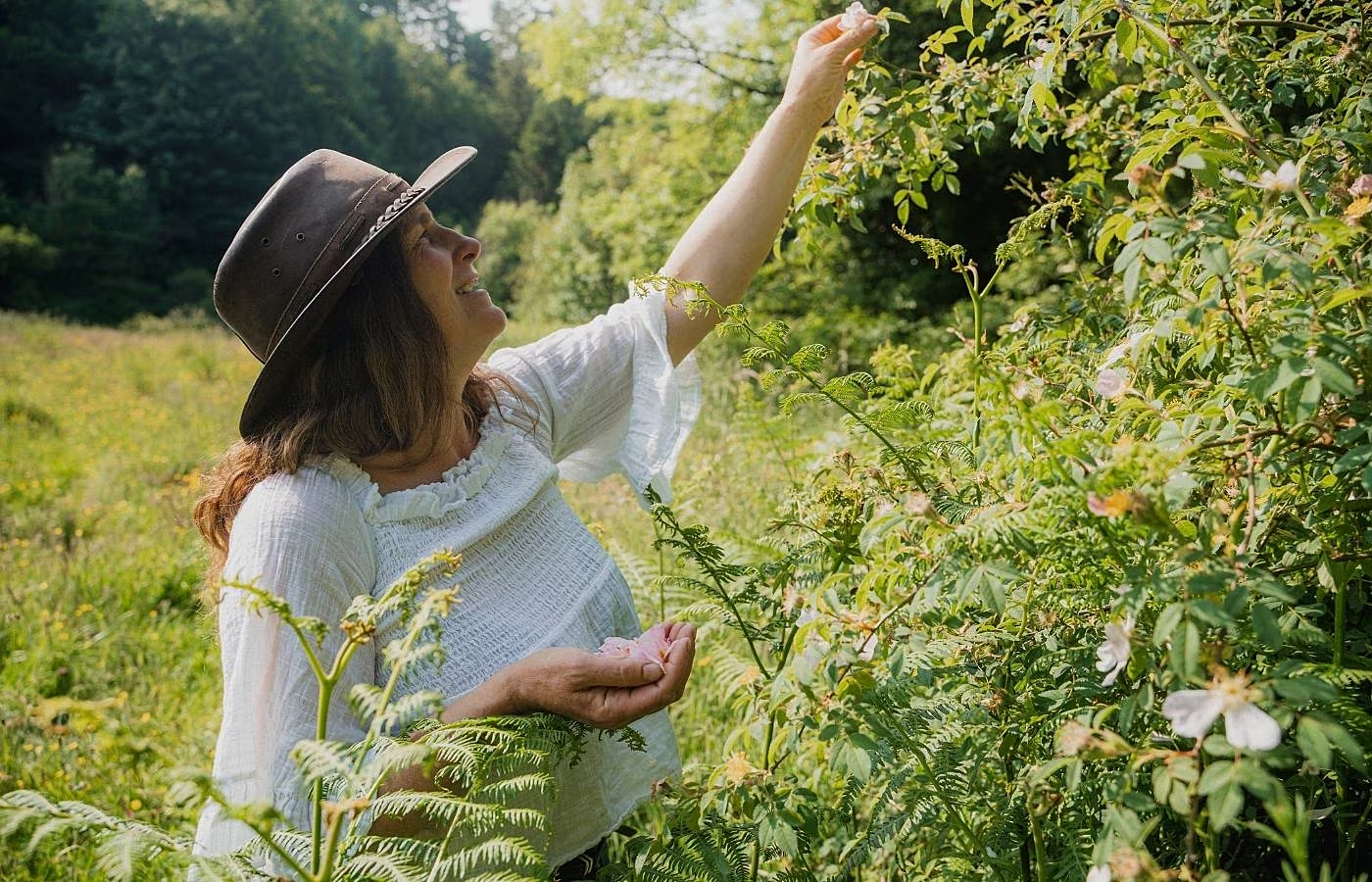
Every summer, full-time forager Geraldine Kavanagh heads into the Wicklow Mountains to hand-pick fraughans for use in Glendalough Distillery’s Summer Gin, where their more complex flavour sets them apart from store-bought berries. Geraldine picks entirely by hand rather than with mechanical tools. It’s a slower method, but one she prefers: hand-picking naturally drops some berries back onto the mountainside, helping the plants regenerate, and leaves plenty of fruit behind for the deer, birds and other wildlife. Tools, by contrast, tend to strip the plant bare and pull leaves in with the fruit.
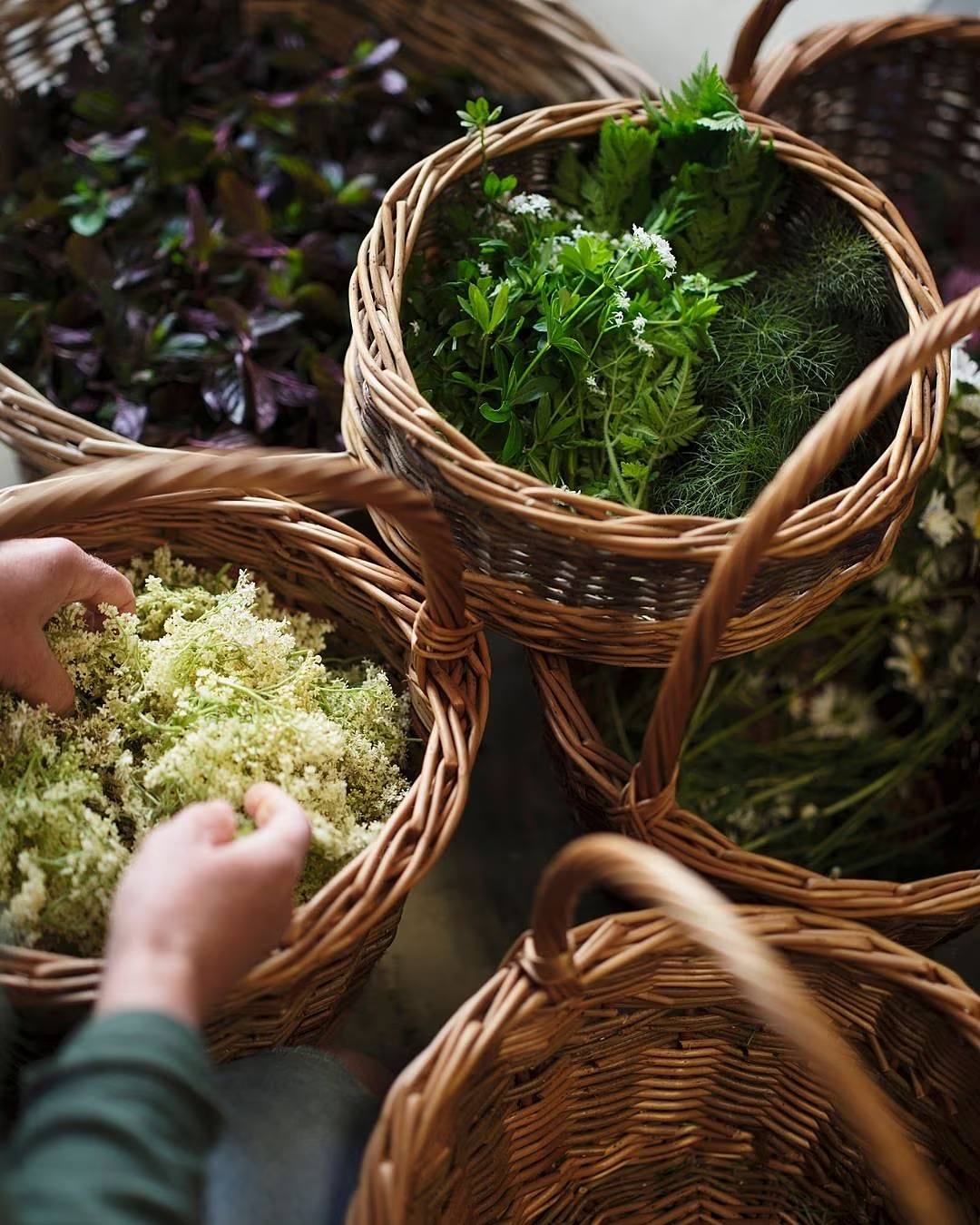
Some of the other wildflowers and berries you’ll spot at this time of year include the elderflower, with its clusters of creamy white flowers best harvested on a dry, sunny day. They are best used straight away in cordials, syrups and desserts, and delicious paired with fresh rose petals. (Note: only the flowers are edible; avoid the stems and leaves). Then there’s the pineapple weed that resembles chamomile, but its flowers taste just like pineapple! Try it in a bedtime tea or use it to make a cocktail syrup wherever a tropical note would suit. Wild raspberries can also be spotted along woodland paths or lanes where some sunlight breaks through. Slightly tarter and more complex than cultivated varieties, they’re wonderful in desserts or muddled into a summer cocktail.
Fraughans are a firm favourite in Geraldine’s kitchen, used in cakes, tarts, ice cream or a twist on the classic Collins, made with muddled wild berries.
Glendalough Distillery Fraughan Berry Collins (serves 2)
Ingredients:
20 wild berries (a mix of fraughans, wild raspberries and wild strawberries if you can find them)
2 dashes raspberry/strawberry syrup
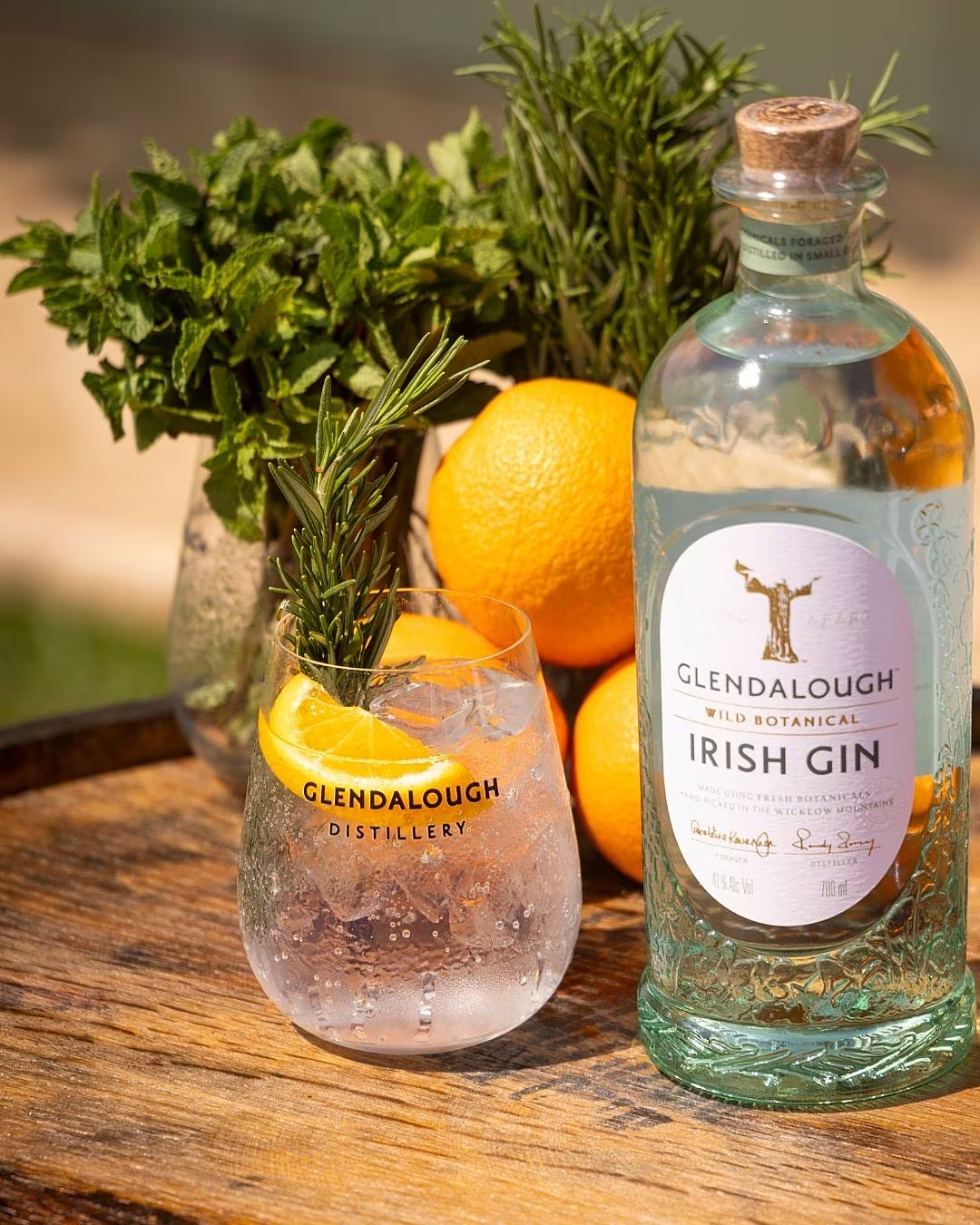
4 measures Glendalough Distillery Wild Botanical Gin
4 teaspoons lemon juice
Sugar syrup, to taste
Soda water, to top up
Method: Divide the berries and strawberry syrup between two highball glasses. Muddle well. Fill each glass with ice, then add the gin, lemon juice and sugar syrup, and stir. Top with soda water and garnish with wild berries or mint.