



Dr Des Fernandes’ advice on SPF and the best skin treatments …
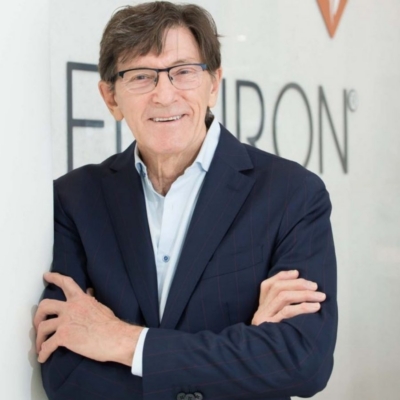
Dr Fernandes is a plastic surgeon based in Cape Town, South Africa. He founded Environ skincare and supplements in 1990, and is a pioneer in the use of topical vitamin A. While the Irish Cancer Society recommends SPF30+ for adults and SPF50 for children, his focus is on lower SPFs combined with antioxidants.
What’s your take on using SPF50 in summer? “I think that’s totally wrong. When we use an SPF of 50, we’re exposing our skin to much higher doses of the organic sunscreen. These so-called chemical sunscreens get absorbed into the skin and bloodstream. According to the FDA of America, we’re actually getting more sunscreen material into our bloodstream than recommended. We don’t know what these chemicals do. We don’t know that they’re safe, so that’s why I don’t believe we should expose ourselves to that risk.”
What do you recommend? “I like an SPF of about 15 to 20. I’ve constructed our suncream to have a very low organic concentration – an SPF of four or five – and the rest of it, the SPF 11, is made up of titanium dioxide. That means that I’ve got far fewer organic chemicals that are going to penetrate into the depth of the skin and into the bloodstream.
Another problem is that when you absorb organic chemicals into the skin, they can be struck by UV rays. We absorb the chemicals from the surface, so that means that there’s less protection on the surface. When the rays strike the organic chemicals, they absorb the energy and break down into free radicals, resulting in more free radicals in your skin. I recommend keeping your SPF low because, actually, your SPF is just an indicator of how much protection you’re getting against UVB.
Environ’s new RAD ACTIVÉ Antioxidant suncare range offers broad-spectrum protection against UVA and UVB rays, as well as antioxidants vitamin C, E and beta-carotene to enhance protection against free radical-induced photo-damage.”
What are the most common mistakes we make with sun protection? “One of the biggest problems is that people think because they’re using an SPF of 30, it gives them protection for the whole day. It doesn’t matter what sunscreen you’re using, you should reapply every one and a half to two hours.”
In your opinion, what are some of the best skin treatments? “I’m biased, but I think that microneedling is one of the greatest treatments that you can do. It can be done on any healthy skin. It’s an excellent way to slow down the process of ageing because you regenerate skin. It’s excellent if you’ve had acne, for example, and have scars because it will soften them or even make them disappear. It’s excellent if you have had a burn because we can make those scars flatter and even.
I personally recommend that you do microneedling once a week for about six weeks or less, it depends on the condition that you’re trying to treat. If you’re trying to deal with photoageing, then I recommend a course of three or four sessions every year. It will make the skin healthier and more resilient, but always combine it with vitamin A. When you add vitamin A to your skin needling treatments, you almost quadruple the effects of the needle.”
What’s your top tip for keeping skin radiant? “Without a doubt, if you want radiant skin then you should use vitamin A and antioxidants. If you’re only going to use one type of product for the rest of your life, make sure that it’s vitamin A. You hear about these fancy new ingredients that are supposed to be the best thing right now – people are talking about exosomes – without realising that you can’t get them without an injection. When brands say that exosomes are in their creams they’re after your money, not exchanging your money for healthier, more beautiful skin.”
What’s your final piece of advice? “The sun isn’t the enemy and the world is slowly understanding this. It’s overexposure without sun protection that’s the problem. If you’re applying and reapplying sunscreen responsibly, there’s no need to fear the sun. In fact, the skin has evolved to optimise its benefits for immunological and mental health, as well as physical wellbeing over and above the crucial synthesis of vitamin D.
For safety and efficacy, it’s all about dose and timing. It isn’t sensible to rely on SPF alone. Foreffective protection against photo-damage and the prevention of skin cancer, we must adopt a holistic approach, starting with the daily topical replenishment of vitamin A, antioxidants and supplements.
SPF is a highly commercialised concept and I believe it creates a false sense of security in the minds of the public. Much like believing that you can’t get any sunburn on a cloudy day! The truth is that SPF protection has been oversimplified and it’s only one of the factors in skin protection.”