Artistic Licence: Botanical Artist Isik Güner
By The Gloss
The acclaimed botanical artist describes her passion for specimen plants ahead of The Festival of Gardens and Nature …
I have always been interested in art since childhood. Drawing and painting were my daily activities yet I was equally strong in science, mathematics and chemistry. As I grew older, I thought I should lean towards science and keep art as a hobby. I therefore decided to study engineering at university.
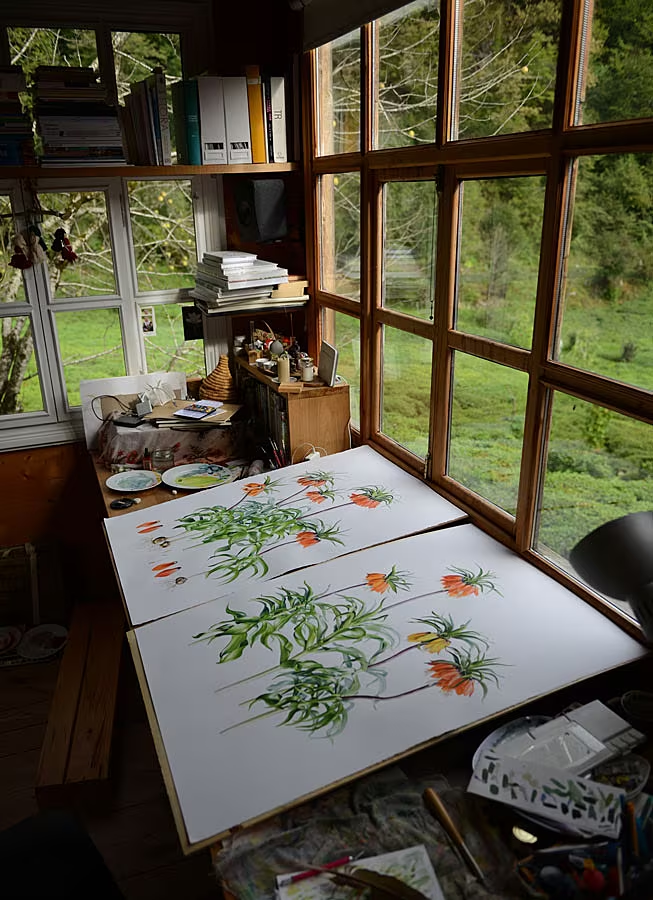
However, things did not quite go to plan. During my studies, I came to feel that I had to make a choice: I could be either an engineer or an artist as there simply would not be enough time for both. Even so, I kept painting throughout my years at university, fitting it in whenever I could.
Once I graduated, I decided to take a year out to draw and paint exclusively – to discover what it truly meant to create full time. That year was fantastic. Having grown up in a botanist family, I was already drawn to botanical illustration and I simply kept painting. By the end of that year, I had made my decision about the path I would follow. Since then, I have been a full-time botanical artist.
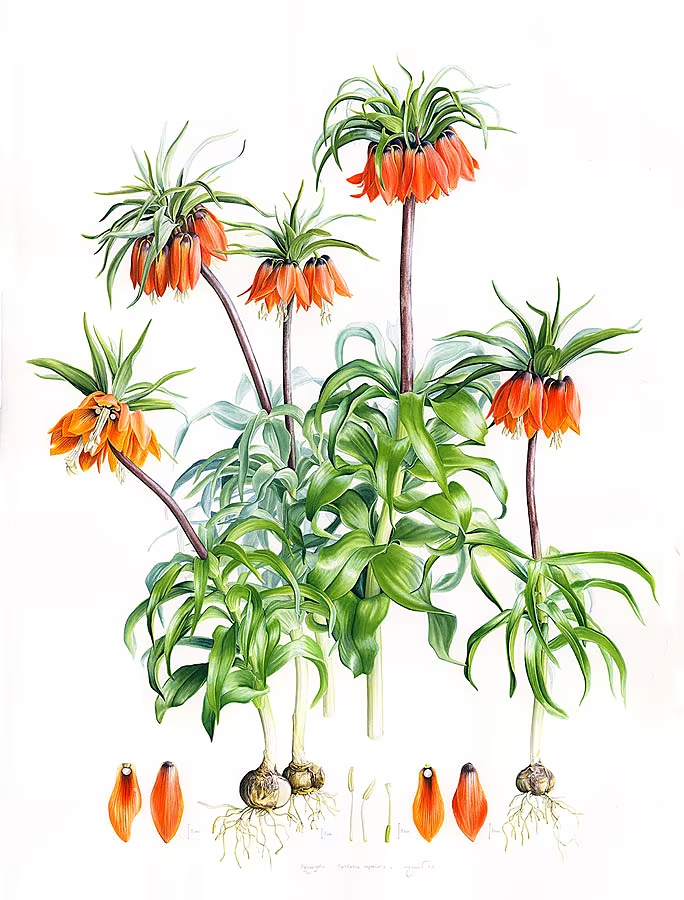
I try to depict plants with accuracy and I hope my illustrations will contribute to the description of species. While accuracy remains my priority – ensuring that all the necessary parts of a plant are clearly shown – I also aim to bring a certain aesthetic to each painting in the hope of drawing attention to wild plants and their importance. Wild plants are my sole focus and in pursuit of them I travel extensively, undertaking fieldwork to find and observe remarkable species from around the world.
Wandering aimlessly is something I do very rarely.
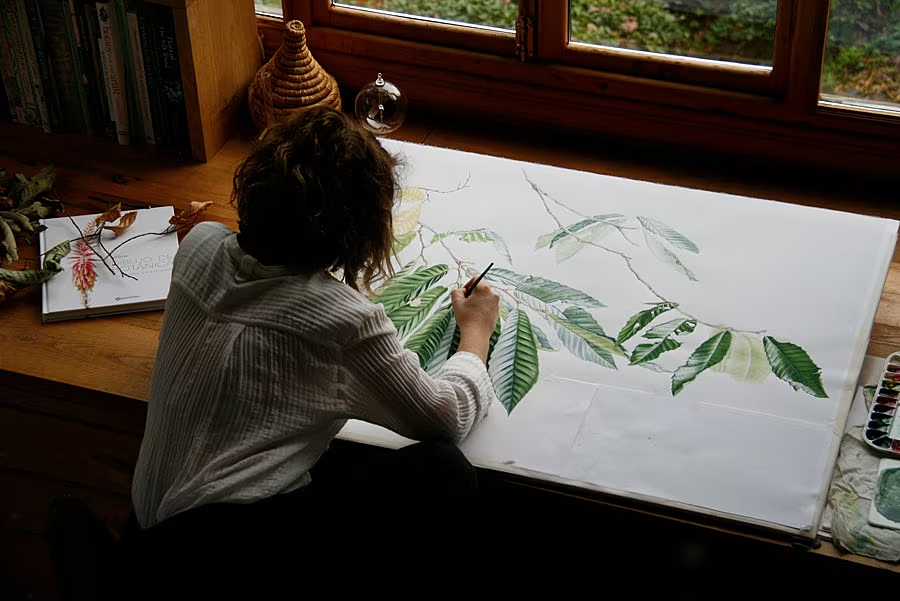
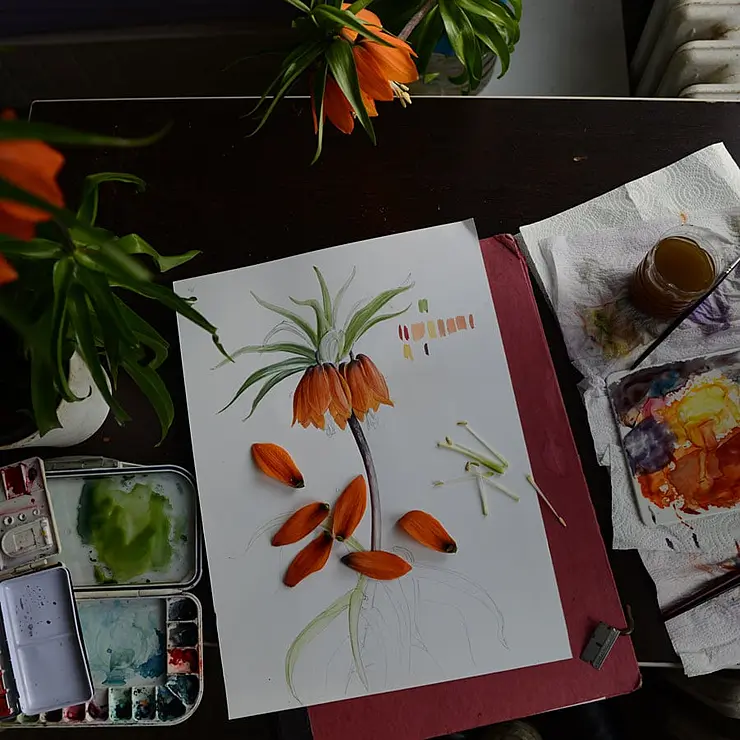
I undertake a great deal of fieldwork in search of my plants, though I always plan my routes and decide in advance which species I am looking for. Once in the field and having located a specimen, I work directly from this living material. My paintings are drawn and painted life-size, and I measure every part of the specimen carefully. I study the colour and texture of the plant through watercolour sketches, and take as many photographs as possible – both of the plant within its habitat and of the specimen I am working from.
Once I have gathered all the information needed to complete a final piece, I return home, which is also my studio. There, I refine my sketches and bring the fieldwork to its conclusion on the page.
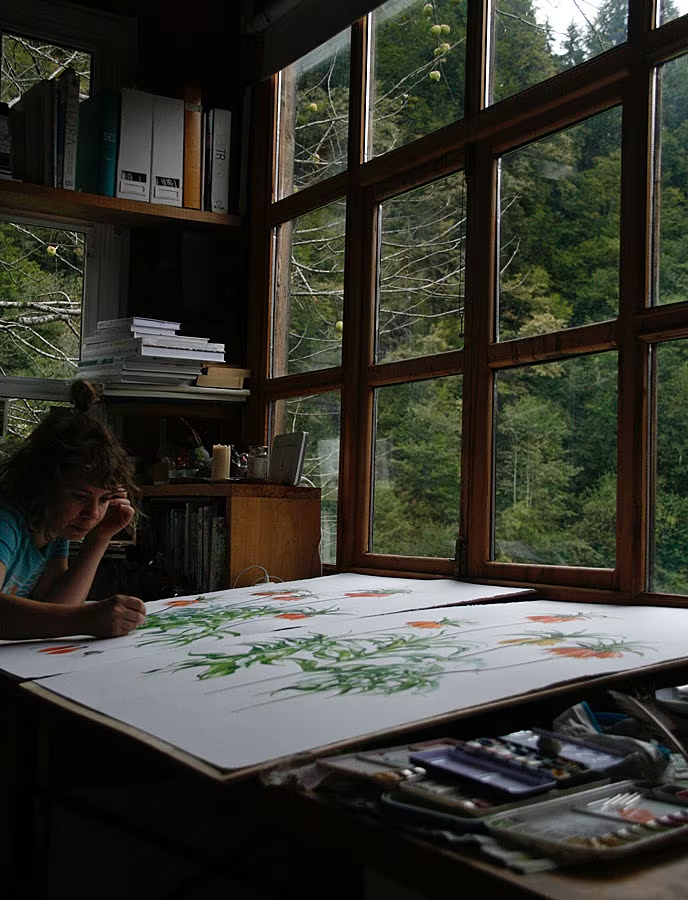
Fieldwork is the most enjoyable part of my work. Every spring, I venture out to wild lands – into the mountains, along off-road tracks and across meadows — in search of specimens. These journeys are at the very core of what I do.
I work with Jacqui Pestell from the RBGE, who holds a special place in my life. Discussing any project with her has a way of expanding its possibilities and simply dreaming up new ideas together is an endless source of inspiration.
I firmly believe that this kind of work develops through dedication and hard work far more than through natural talent alone.
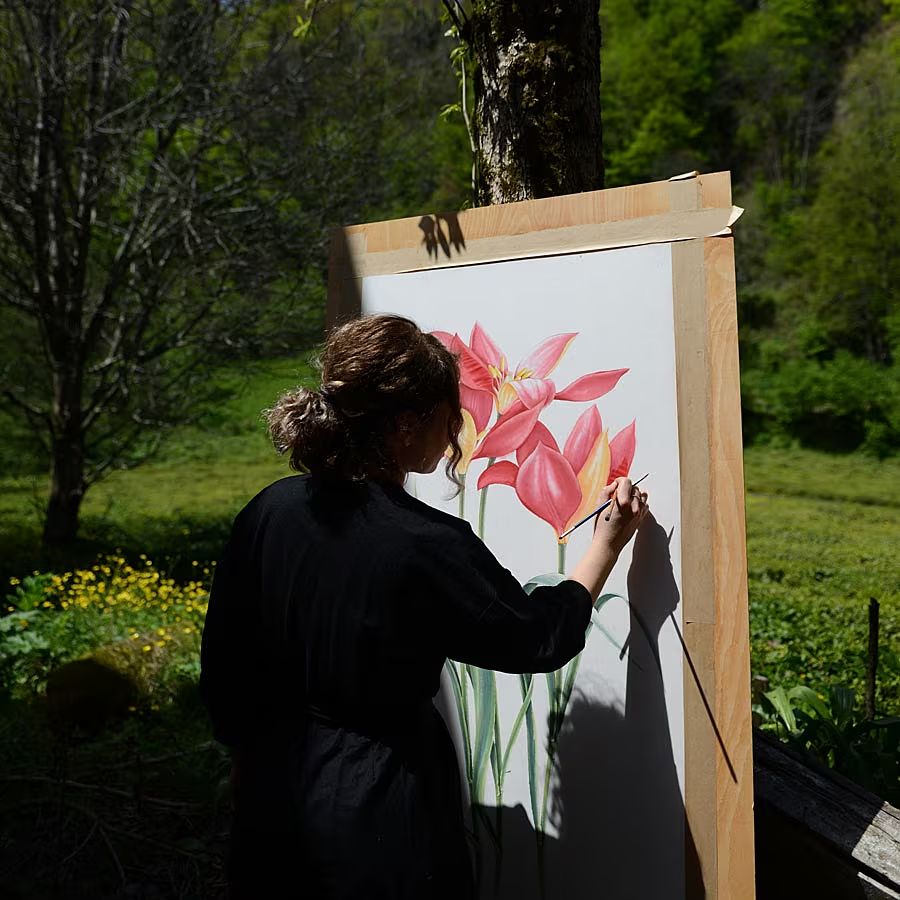
My advice would be to draw and paint as much as you possibly can. Repetition is one of the most effective ways to improve one’s skills. And if botanical illustration is your chosen subject, I would strongly advise you to look at and observe plants at every opportunity – even in moments when you’re not able to draw.
Need to know: Isik Güner is part of this year’s programme for The Festival of Gardens and Nature 2026 at Ballintubbert, Co Laois, offering a detailed talk and demonstration that explores the intersection of science and art. @isikguner.illustrations