A Truly Historic Exhibition: William Blake At The National Gallery Of Ireland
Curator of prints and drawing, Anne Hodge highlights William Blake’s unique style, and importance in art and literature …
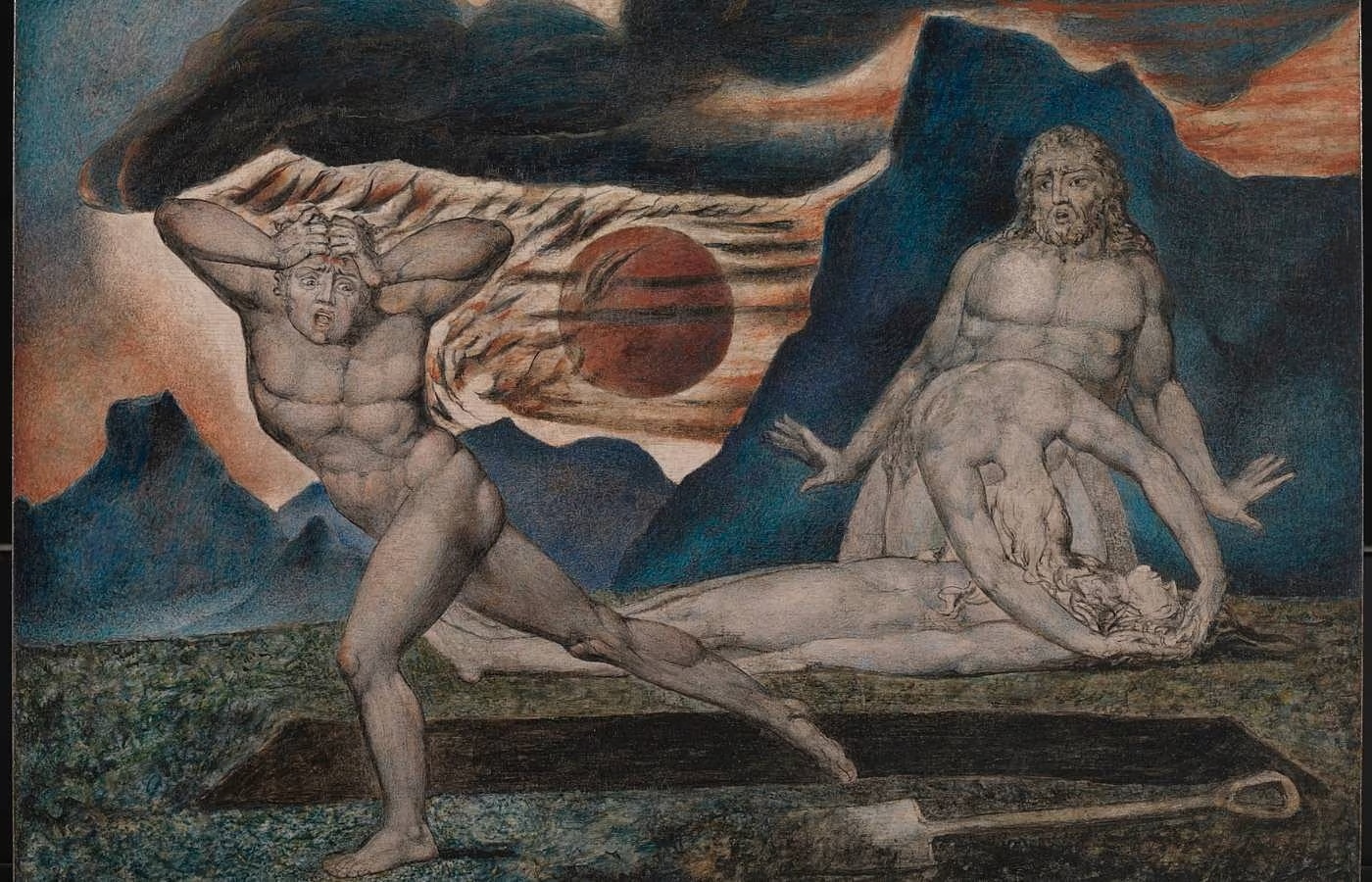
The Body of Abel Found by Adam and Eve
William Blake (1757-1827) is a towering presence in British art and literature. Many would be more familiar with his writings than his art, including the famous poem;
“Tyger Tyger, burning bright,
In the forests of the night;
What immortal hand or eye,
Could frame thy fearful symmetry?”
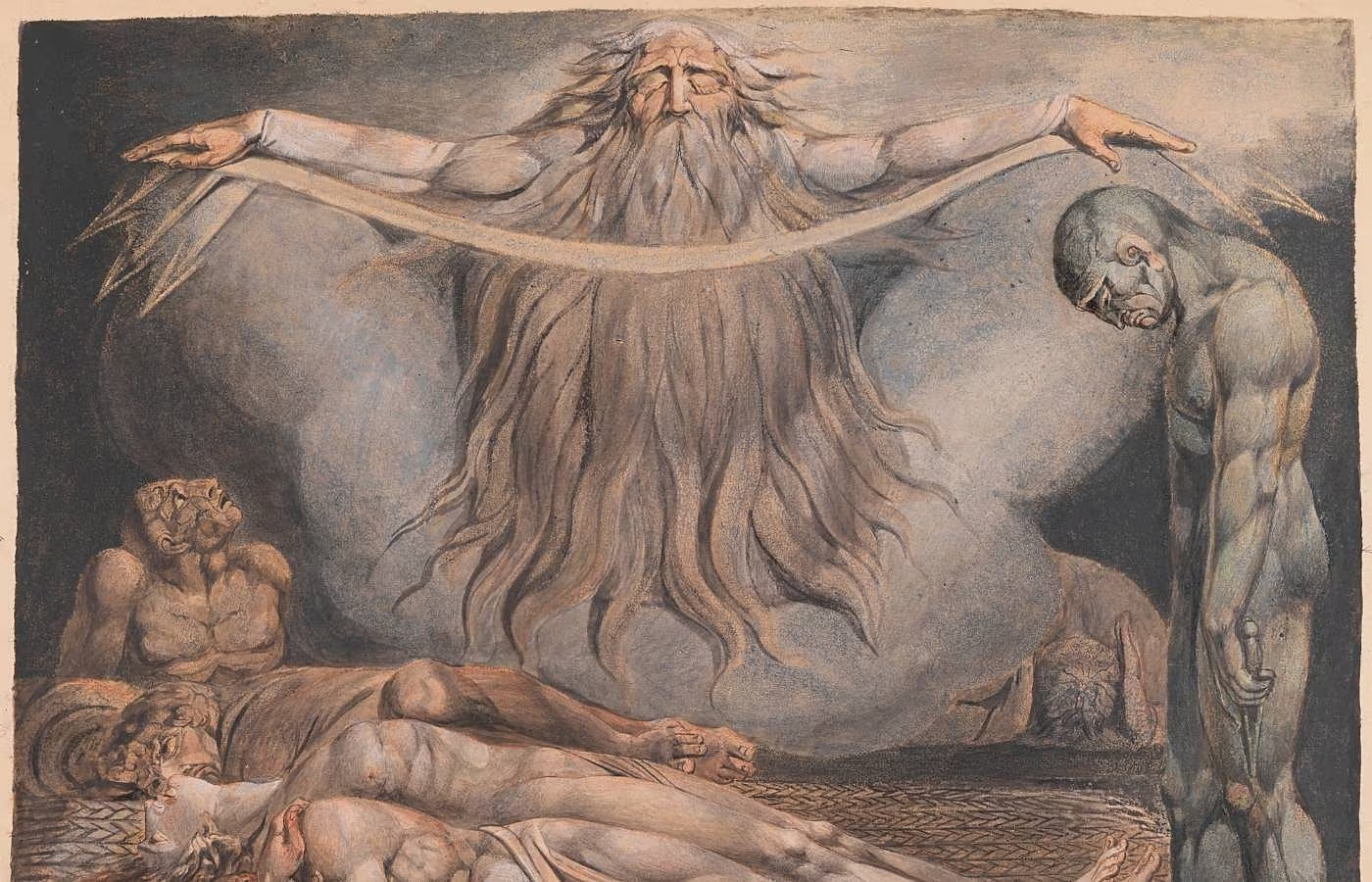
The House of Death
A controversial figure during his lifetime, his visionary works in painting, print and watercolour have made a unique contribution to world culture, inspiring generations of artists. Blake lived through a period of revolution when artists struggled to make sense of this time of change, pushing art into new imaginative territories. Wildly unconventional, his art presents the opposing forces of creation and destruction through a cast of characters of his own invention. The Gothic in visual art and writing presented new forms of spectacle and strange, often shocking subject matter. Blake’s contemporaries included Henry Fuseli, James Barry, JMW Turner and John Hamilton Mortimer. These artists created art that drew on the imagination, history and literature. This exhibition shows Blake in that context, alongside the artists he admired and those who were inspired by him, and allows a fascinating insight into a moment of extraordinary originality in late 18th century and 19th century art.
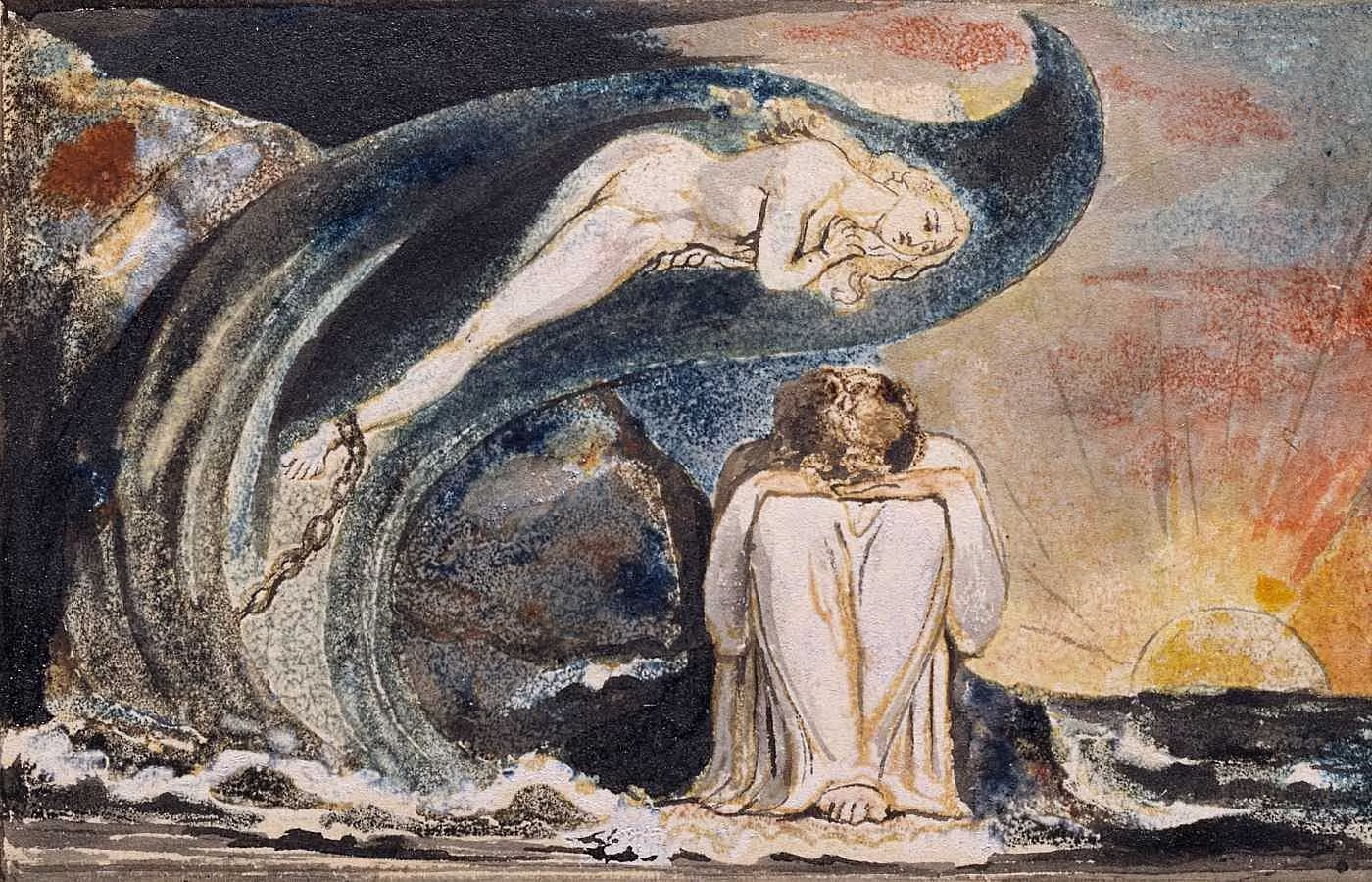
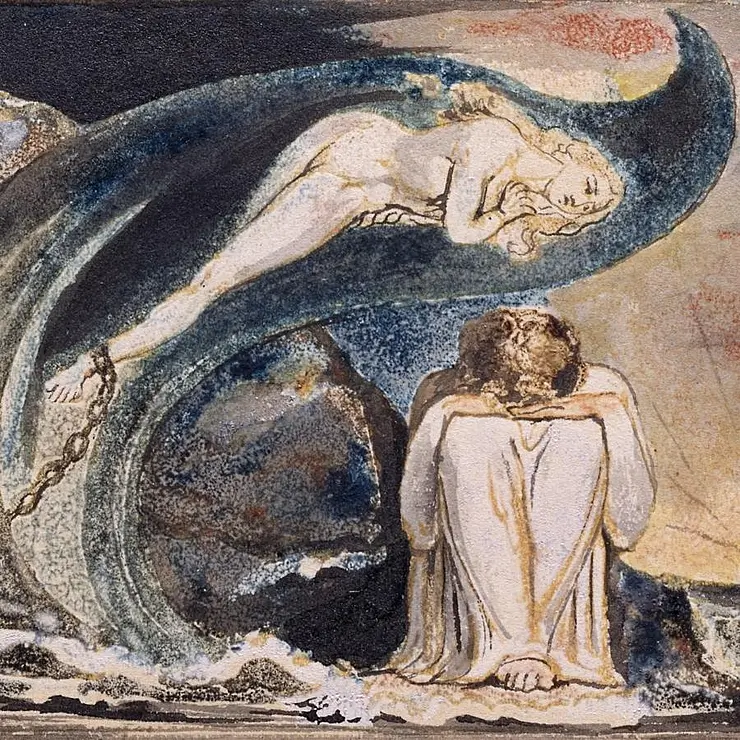
Plate 4 of Visions of the Daughters of Albion
Blake’s work is unlike any other artist’s before or since his time. Although he used a wide variety of media, including watercolour print and tempera, line was always key for him. His works feature strange creatures conjured up from his imagination, alongside characters drawn from the Bible and literature. They feature strong contours, rich colours and exaggerated expression.
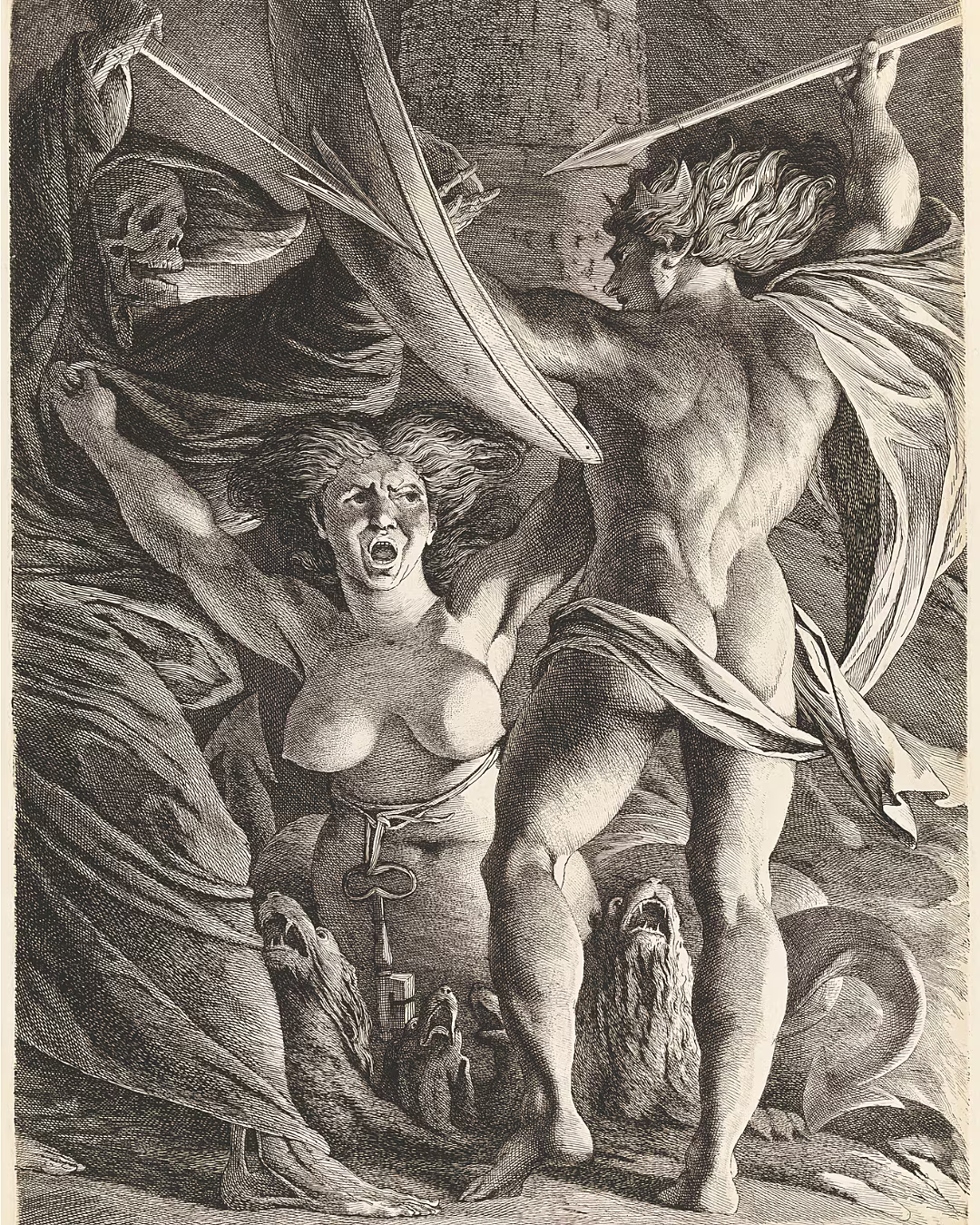
Satan, Sin and Death
As a young artist, Blake attended the Royal Academy’s drawing schools in London. Cork-born history painter James Barry was an important early influence. The contour lines and muscular bodies that populate Barry’s pictures have echoes in his work. Likewise, Blake’s writings show how he absorbed Barry’s example. For him, the essence of art was the line: ‘firm and determinate lineaments unbroken by shadows’. Like Barry, he had a lifelong love of what he called ‘the human form divine’.
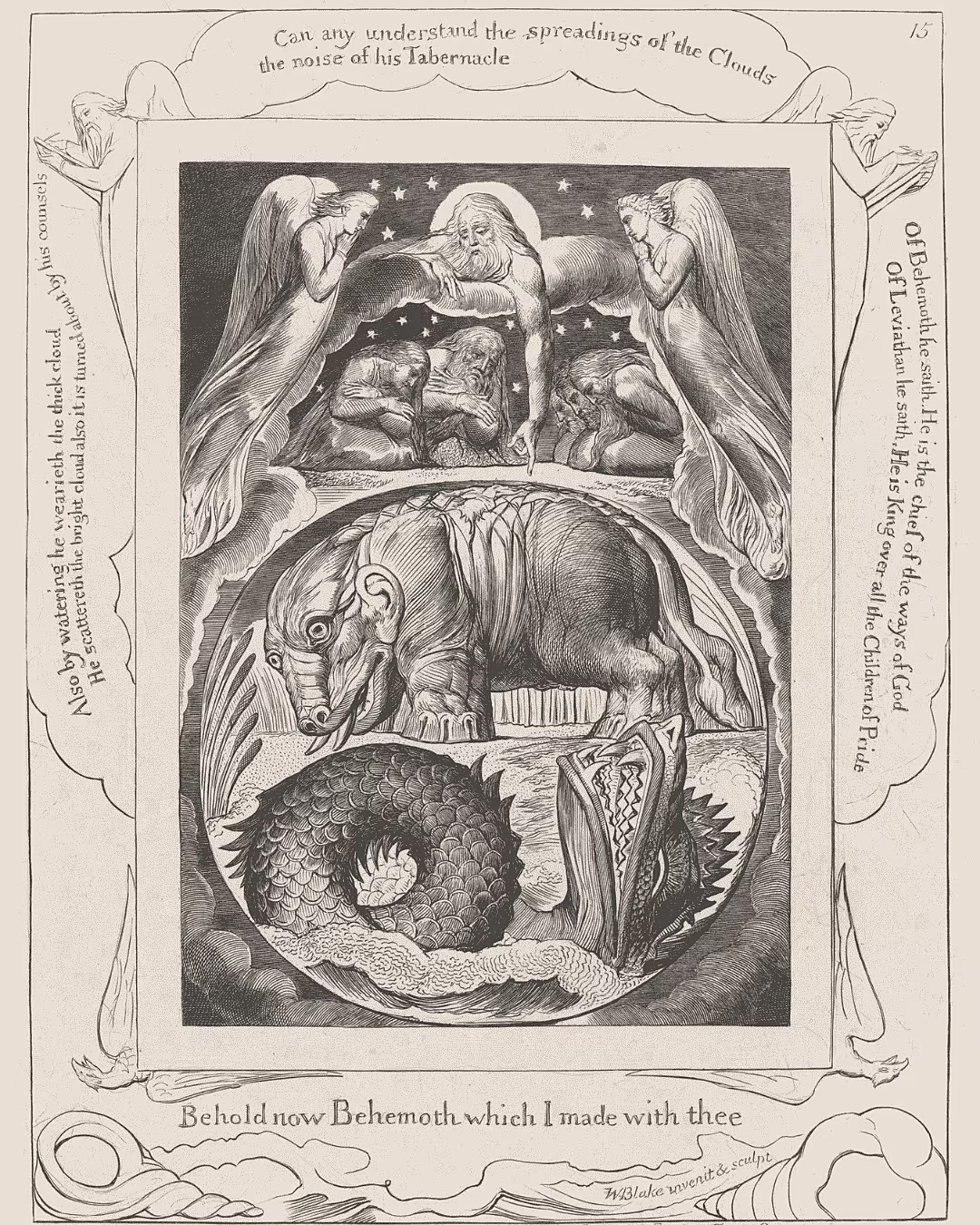
Behemoth and Leviathan, 1825, reprinted 1874
This exhibition is on loan from the Tate which holds the biggest collection of Blake’s work and has put on many major exhibitions, most recently William Blake Artist in 2019. Conceived by curator of British Art 1730-1850, Alice Insley, this touring exhibition has already been shown in Turin and Budapest.
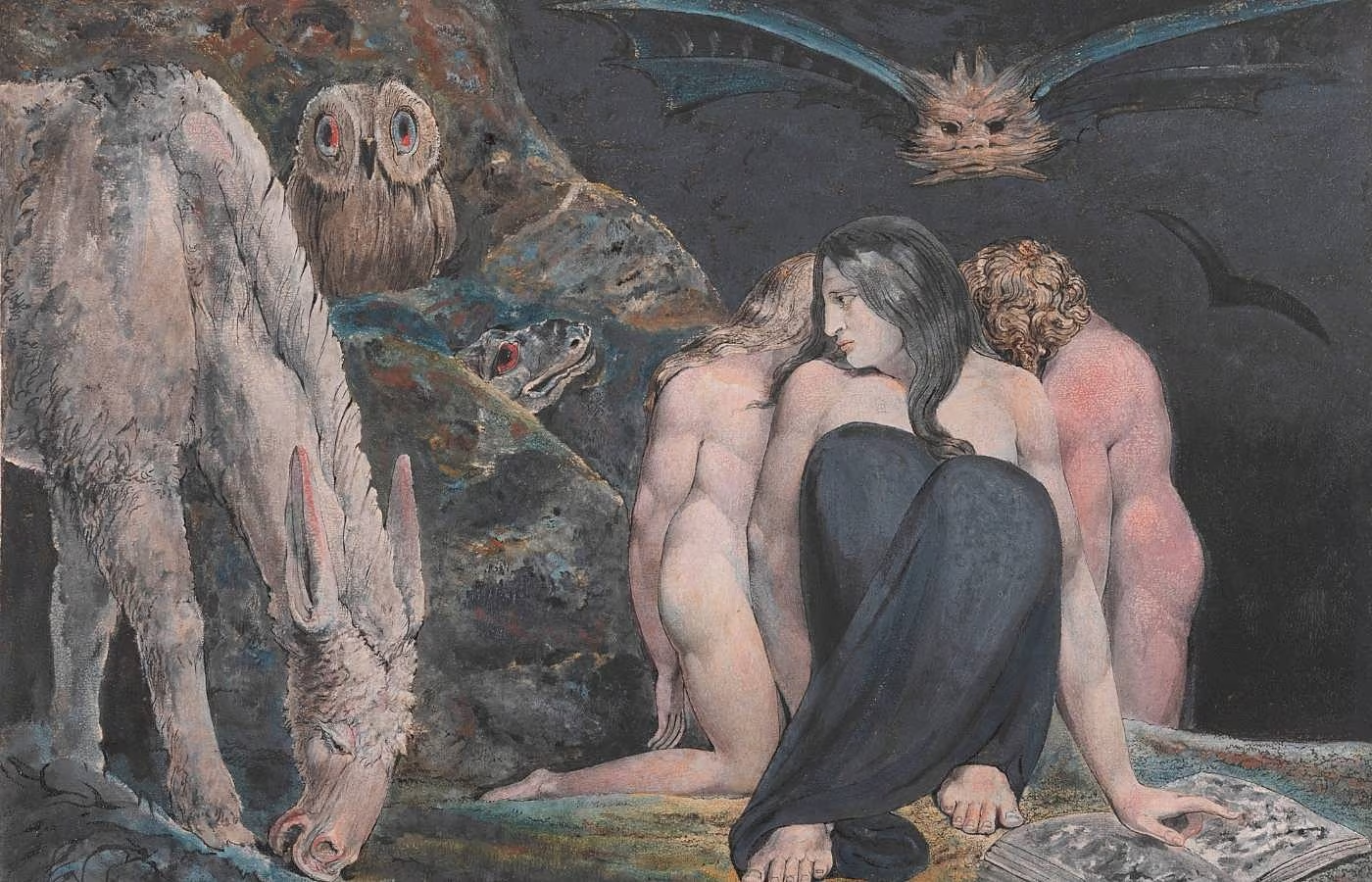
The Night of Entharmon’s Joy
In the first room of the show at the National Gallery, visitors will encounter the dark and mysterious image ‘The Night of Entharmon’s Joy’, c 1795, which shows Blake’s invented character, surrounded by owls, bats and other creatures of the night. Henry Fuseli’s ‘Lady Macbeth Seizing the Daggers’ is a truly frightening, ghostly painting. The last room finishes with six of Blake’s watercolour drawings that illustrate Dante’s Inferno. He made a series of over 100 drawings illustrating weird and wonderful scenes from Dante’s imagining of the circles of hell. It was his last artistic project and he carried on from his bed until the last weeks of his life. He loved working on the series and wrote to John Linnell, who commissioned the drawings, ‘I am too much attach’d to Dante to think much of anything else. I have … the Fighting devils ready for the Copper’ .
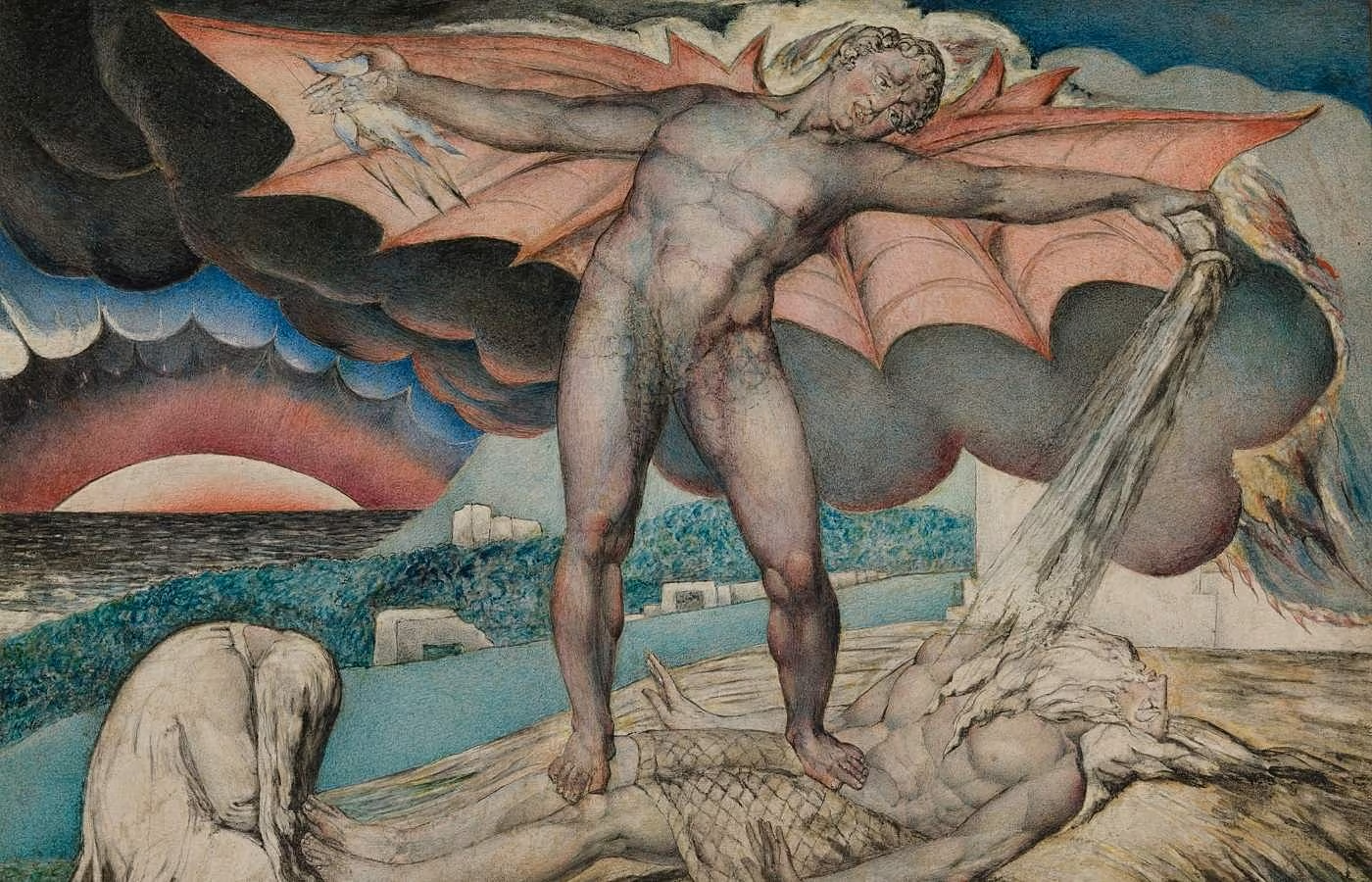
Satan Smiting Job with Boils
This show is a truly historic event as there has never been a public exhibition of William Blake’s art in Ireland. Being able to see 36 of his works in the company of a wide range of artists of the Romantic age gives us the opportunity to see just how individual he was, and how his vision of reality – both tangible and otherworldly – inspired generations of later artists. My favourite work is ‘Satan Smiting Job with Sore Boils’, c 1826. It’s jewel-like in terms of colour and full of energy, expression and drama.
Need to know: “William Blake – The Age of Romantic Fantasy” is on view at the National Gallery of Ireland until July 19. @nationalgalleryofireland
SEE MORE: This Exhibition Cements Queen Elizabeth II’s Fashion Legacy