




Before you go shopping for skincare, read this …
Working out what type of skincare regime works best for your skin and lifestyle can be confusing enough, before you even get to all the ingredients and information on our skincare labels. And yet understanding what we’re putting on our bodies should be as important as what we put in them. Nicola Connolly, green beauty expert and founder of Irish skincare brand Nunaïa, shares her top tips on how to decipher skincare ingredients like a pro …

1 Read the ingredients list
This is perhaps the best investment of time and energy you can make when researching if a product is right for you. In Europe, there is certain information that a product has to have on its label and that includes the INCI ingredient list. You’ll find it on the back of all skincare products and most product websites, and this is where to begin your research on any product.
Ingredients have to be listed in order of weight, from highest percentage to the lowest. This is how you can tell the true efficacy of a product. Read the ingredients that appear as the top two or three in the list, as ingredients at under 1 per cent in concentration can be included in any order – so any ingredients that come at the end of the list are in very small amounts.
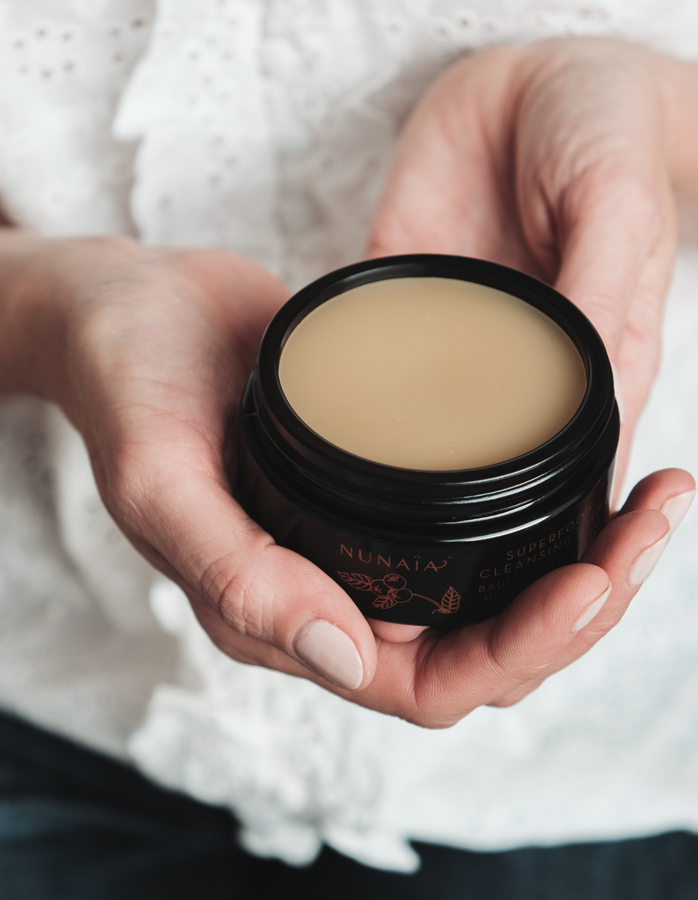
2 Size matters
These lower concentrations are perfect for ingredients like essential oils, tocopherol (a common form of naturally occurring vitamin E), and some actives like peptides, hyaluronic acid and retinol, as these are effective in small quantities. But just be aware that if the main ingredients marketed in the product are at the bottom of the list, not much of that ingredient is present.
Research ingredients for your skin type. Use one of the great free resources available online, like the Environmental Working Group Skin Deep Database, which can help you decode those scientific-looking words quickly and easily.
3 Certifications count
There is little regulation of terms such as natural, organic, vegan and cruelty-free. A brand can claim that it’s “natural” even with a small percentage of ingredients that fall under that umbrella. Look for genuine third-party accredited certifications like Ecocert COSMOS Organic, Soil Association, Natrue, Vegan certified and Cruelty Free International as these guarantee stringent audits of brands and products to ensure that these claims are genuine.
Many brands create their own certification logos for things like “vegan-friendly”, “natural” and “suitable for sensitive skin”, but beware as third-party accreditations are generally the only verified way to gauge whether or not this is true, unless it’s specifically mentioned on their website.
4 Check your claims
There are no standard definitions for claims like “hypo-allergenic”, “dermatologically tested” or “suitable for sensitive skin”. For example, “dermatologically tested” can mean anything from a dermatologist applying the product to their skin once to a more comprehensive patch test carried out in a clinical laboratory on a panel of at least 30 volunteers supervised by a dermatologist. If you’re unsure, check a brand’s website or send an email as any transparent brand will explain in detail any of their claims.
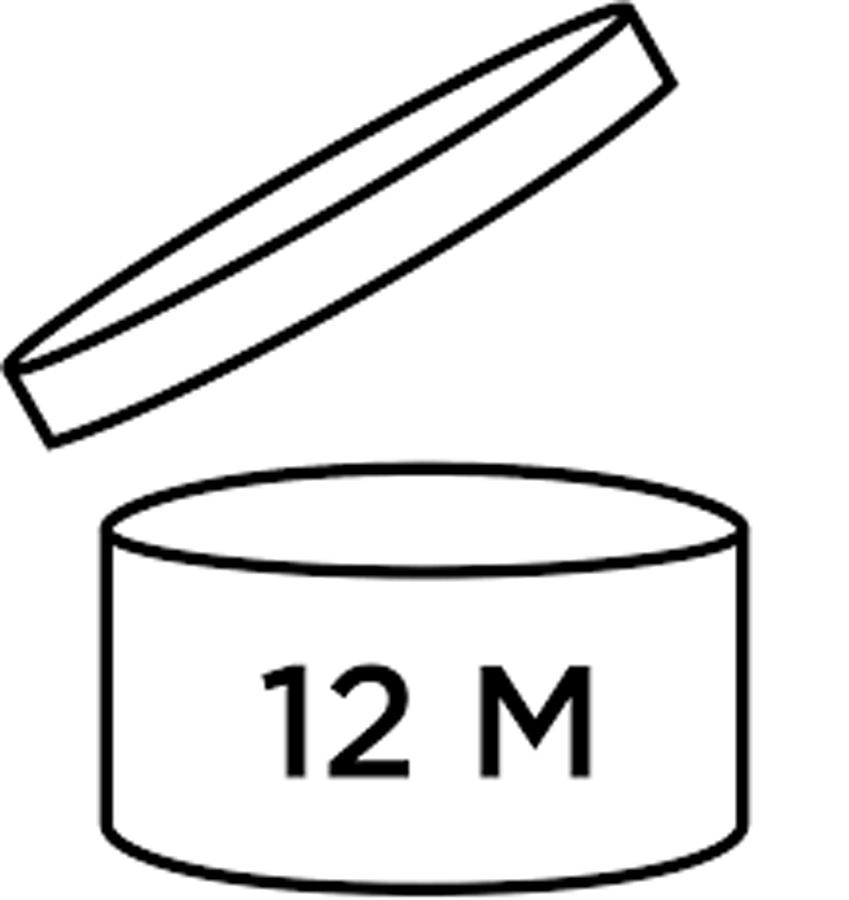
5 Explore your expiry date
We often forget to check if a product has an expiry date, and many of us have held on to products for years with no idea if they’re still good or not. A product will either give a best-before date (eg 09/22) or a period after opening. This will look like the symbol of a jar with a floating lid and the number “6M”(six months) up to “36M” (36 months). This indicates the number of months that you can use the product after opening.
6 Don’t shop by trends
Yes, social media-worthy skincare shelfies might be attention-grabbing, but don’t be fooled. The beauty industry is awash with “on-trend” products that are often created with minute concentrations of these “trendy” ingredients to sell their product – with very little proven efficacy.
Again, do your research: look at the ingredient list and ask questions, so you have all the information you need to determine if it’s the right product for you. Surely, you’d rather invest in something that you know will have an effective, real result on your skin rather than wasting money on a snazzy-looking jar that has little effect.
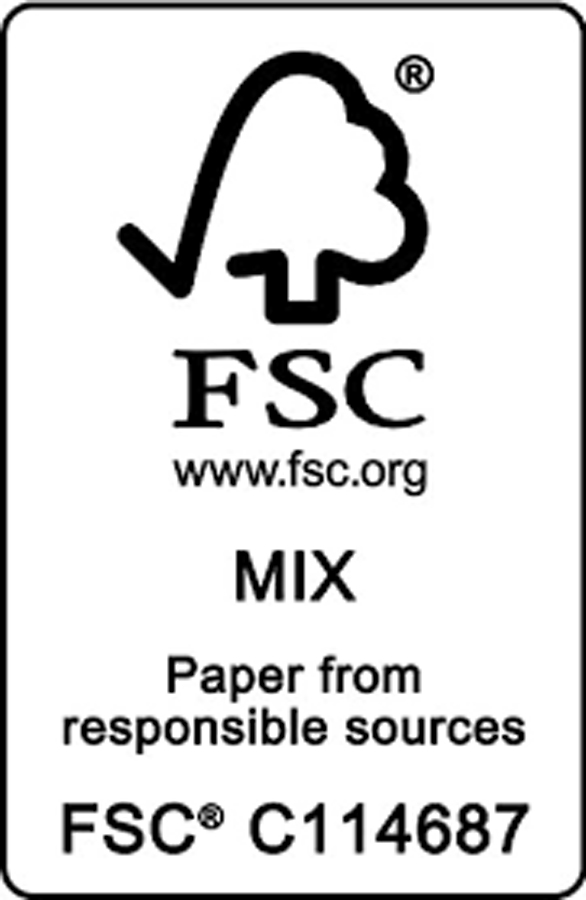
7 Green is in
If you’re interested in using more sustainable products – and let’s face it, this is something we should all be trying to do with all the current environmental challenges we face – look out for the FSC symbol on your product packaging. This means that the paper and card used in packaging materials is sustainably sourced.
Green brands tend to be very transparent about the materials they use, so read their websites to learn more. For example, at Nunaïa we use no plastic, our packaging is made with responsibly harvested FSC certified paper and card, and is designed to repurpose to avoid single use. Our bottles are fully recyclable and our products are biodegradable.
You can also keep an eye out for recycling symbols like this one that let you know if a product is recyclable:

Nicola Connolly is the founder of eco-luxe brand Nunaïa. Nunaïa’s award-winning Nourishing Radiance Serum delivers all the vitamins, minerals, essential fatty acids and phytonutrients that the skin needs, naturally: it’s made with 99.5 per cent certified organic and vegan plant botanicals, including cutting-edge bio-actives sacha inchi, maracuja and chia. Ingredients are sustainably sourced directly from growers, and a percentage of every product sold goes into the Nunaïa Community Fund, which supports educational programs for girls and women in the communities where the ingredients are grown in the Amazon Rainforest and Andes Mountains. @nunaiabeauty