

A romantic revival – in fashion, film and dating – is shaking us to our stays …
You could say that each generation gets the version of Emily Brontë’s Wuthering Heights it deserves. 1970 got Timothy Dalton’s impassioned glam rock Heathcliff, while 2011’s moody evocation of mizzly moorlands captured the austerity era. What does Emerald Fennell’s whip-cracking adaptation tell us about 2026?
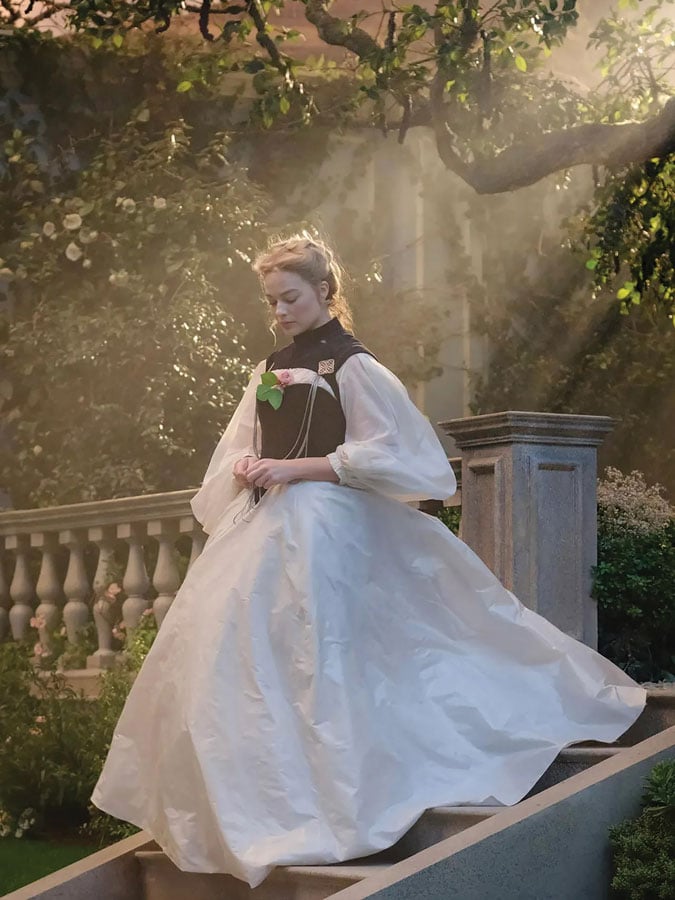
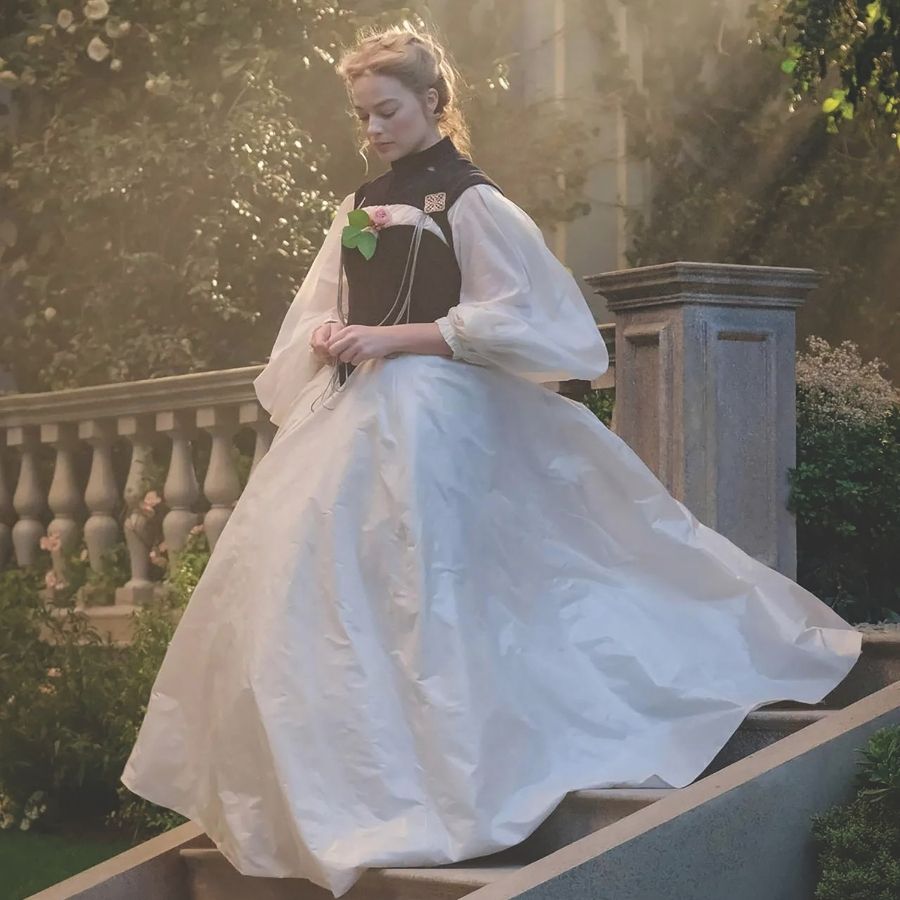
Margot Robbie plays Cathy in Emerald Fennell’s version of Wuthering Heights.
Uncompromising in its theatricality and emotional intensity, it heralds the return of full-fat romance. This is not romance of the polite dinner date kind, but a hearty, high-octane dark gothic fantasy, crawling across brambly knolls on hands and knees. “Kiss me,” Jacob Elordi’s Heathcliff utters to Margot Robbie’s Cathy in a deep Yorkshire brogue, “and let us both be damned.”
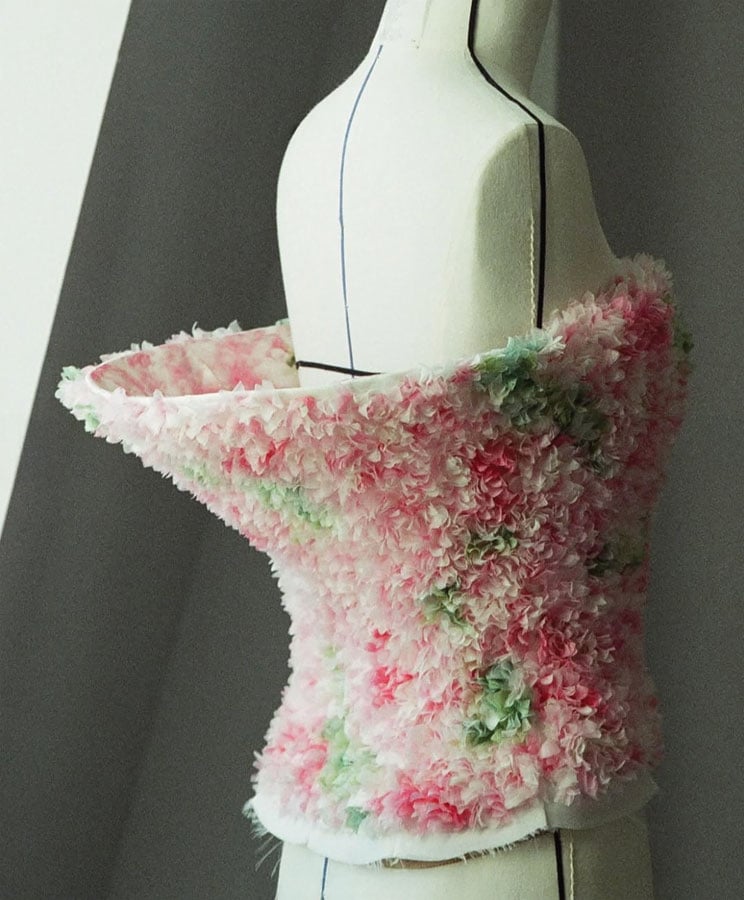
According to Google’s research, the word “romance” hit peak usage in 1824, enjoyed revivals in 1898 and 1926, then entered a decline, hitting rock bottom in 1977. But it’s on the rise again. The Instagram account @databutmakeitfashion reports worldwide searches for “romance” are up 27 per cent this year compared to the preceding five years. The influential account heralds the rise of romance as a big trend for 2026, citing deep, moody palettes and nature-inspired motifs in couture collections by Alexander McQueen, Schiaparelli, Dior and Chanel – and the new season of Bridgerton, of course.
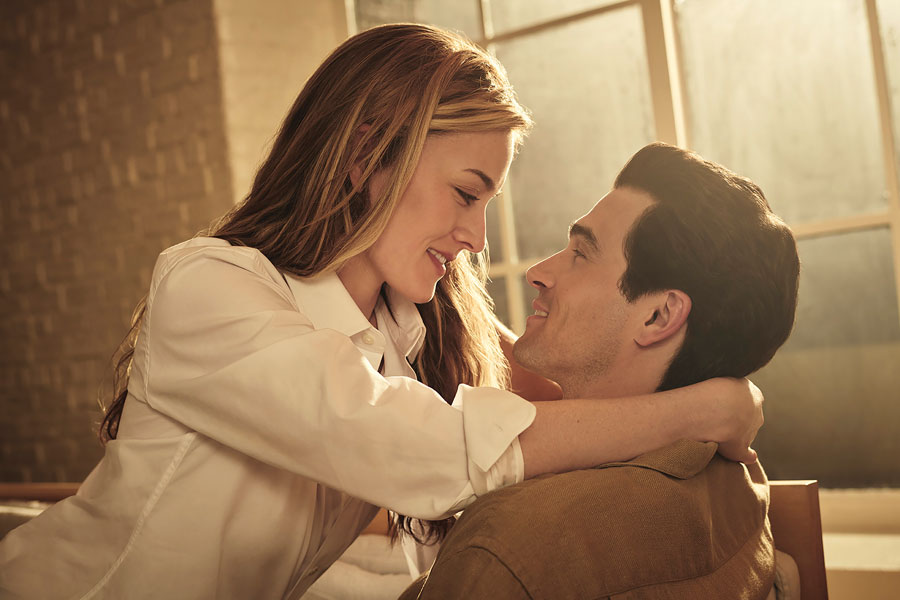
Ryan Murphy’s Love Story on Disney+ explores the romantic life of John and Carolyn Bessette Kennedy.
What does romance really mean in 2026, and why is it back with such gusto? Mystery, excitement and care are all used in common dictionary definitions of the word romance – but so is brevity. It’s coded in our language that romance is typically something exhilarating but short-lived, unsustainable, defined by intensity rather than endurance. We tend to think of romance as a feminine pursuit, the stuff of girlish fantasies, but the etymology leads us back to medieval tales of chivalrous knights performing heroic deeds. For centuries, romance was linked to adventure, will and fortitude. The meaning shifted to its current one, pertaining to matters of the heart, sometime in the 16th century, retaining only a mere echo of its windswept journey.
Then, of course, there’s Romanticism with a capital R, referring to the late 18th-century movement in the arts, literature and philosophy. Rebelling against the rationalism of the Enlightenment and the technological advances of the Industrial Revolution, Romanticists sought a return to primitive wisdom and unsullied nature. Though published in 1847, Wuthering Heights is set in the late 1700s, with Emily Brontë deliberately putting her earthy and sensuous characters in a pre-industrialised landscape. Though popularly thought of as a love story, it’s essentially a cautionary tale in which emotions, intuition, and social codes come into conflict. Fennell’s adaptation seeks to tap into the characters’ primal emotions and instinctive desires. Much like the 18th-century Romanticists, we seek an escape from collective anxiety around rapidly developing technologies and the fraught nature of global politics.
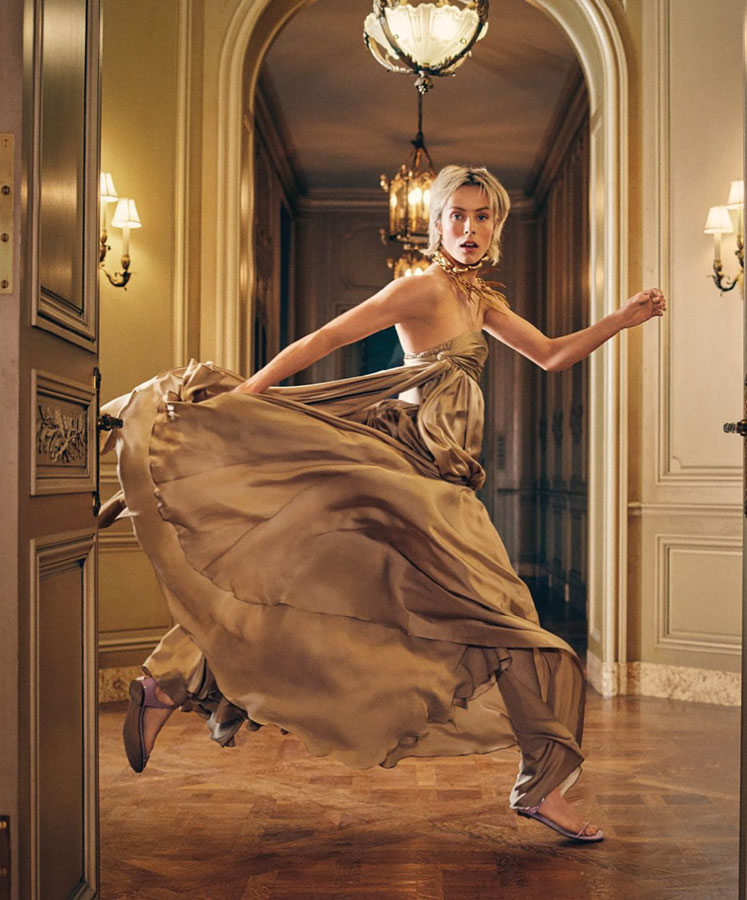
Edie Campbell for Zimmermann.
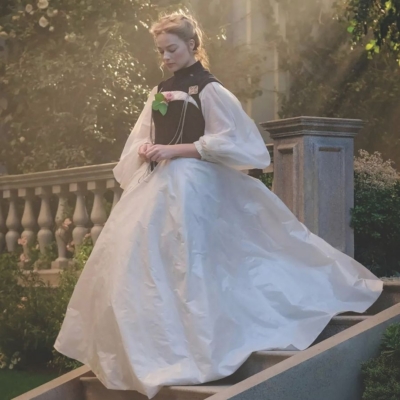
In fashion terms, the romance trend means all the things you would expect it to – ruffles, ribbons, billowing dresses and feminine details. Simone Rocha has long given a masterclass in romantic dressing, but for SS26 she turned up the volume with huge organza crinoline skirts and whole bunches of lilies stuffed into bodices. Blumarine offered an exploration of dark romanticism inspired by “gothic literature and love stories”, with tiered hems, frayed edges, butterfly and dragonfly motifs. A more historically grounded purview from Jonathan Anderson at Dior, featured structured pannier dresses, high collars, and dramatic, angular hats by Stephen Jones. Erdem blended romantic references from across the 16th, 18th and 19th centuries, including Renaissance-inspired cage dresses, Rococo-style embroidery, and Edwardian collars.
On a deeper level, the return of romance in fashion also signals the desire for a shift away from industrialised production and a renewed focus on craft, history and emotional connection. Erdem’s vintage lace and fabrics from the 1890s anchored his collection in the past. Dior’s couture collection incorporated antique cameos, an 18th-century miniature by Venetian artist Rosalba Carriera, and fragments of silks from the court of Louis XV to create truly one-of-a-kind pieces and redefine “luxury”. A growing number of young independent designers are using similar techniques of reusing (admittedly humbler) materials, creating fashion that speaks not only to sustainability, but continuity with the past. (The new MA Circular by Design at NCAD is poised to accelerate this trend: the first full cohort of graduates will showcase their collections in June this year.) It seems that in our increasingly dematerialised world, tactility, skill, provenance and the time spent creating a garment hold powerful appeal. With its embrace of craftsmanship and nostalgic vibe, romantic dressing puts these qualities in the spotlight.
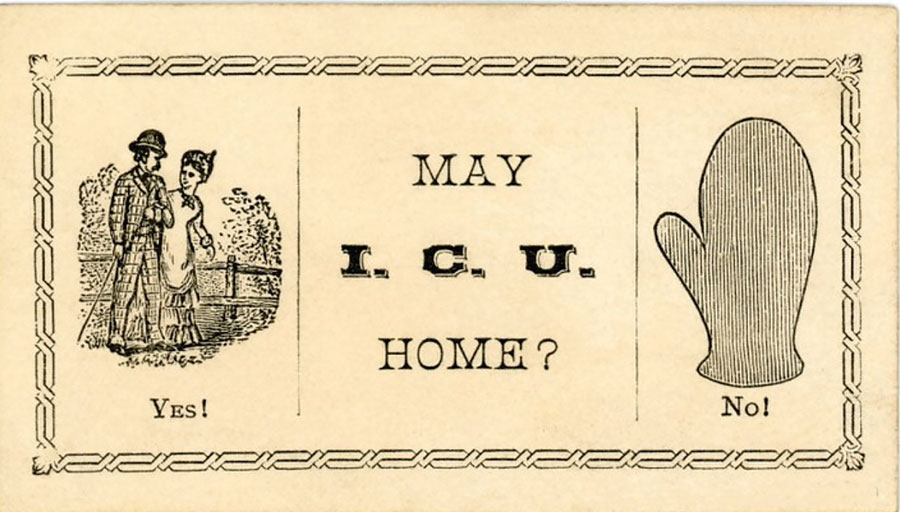
Old-school calling cards are back.
Our hunger for romance extends beyond fashion. Current dating trends also reflect a yearning for true connection – pivoting to analogue experiences that foreground the senses. After more than a decade of swiping left and right, it seems app fatigue has finally set in: singles of 2026 are seeking offline encounters, meet-cutes and so-called “y2k dating” (that is, pre-smartphone style). Founded in 2023, the Irish-owned Your Friend, My Friend offers speed dating and singles events in Dublin, Galway, Limerick and Cork. For those looking to really get their hearts racing, it also hosts a Singles Run Club – a 5k jaunt followed by drinks. After all, anyone can carefully pose and airbrush a photograph of themselves for a dating profile, but the running track demands a degree of authenticity. As with the gallant knights of yore, romance is fuelled by a shared challenge and endorphin rush – a much better way to test the chemistry between potential couples.
Online dating promised to broaden our romantic horizons, introducing us to a vast array of candidates. Instead, it landed us with the extra admin of responding to (often tedious) messages and an inscrutable new set of social codes. The horrors of “ghosting” (doing a disappearing act on a prospective partner) have long been documented. Equally pernicious, in my view, is “breadcrumbing” – stringing someone along to keep your options open, despite a lack of strong feeling: truly the antithesis of romance. Meanwhile, single women, in particular, are told that they have to work harder – to “put themselves out there” in order to meet a match, to give unpromising dates “a fair chance”, or to “work on themselves”. Instead of imbuing our lives with romance, women are essentially told to work overtime. In-person events offer a way to cut through the noise and create a sense of spontaneity that dating apps lack.
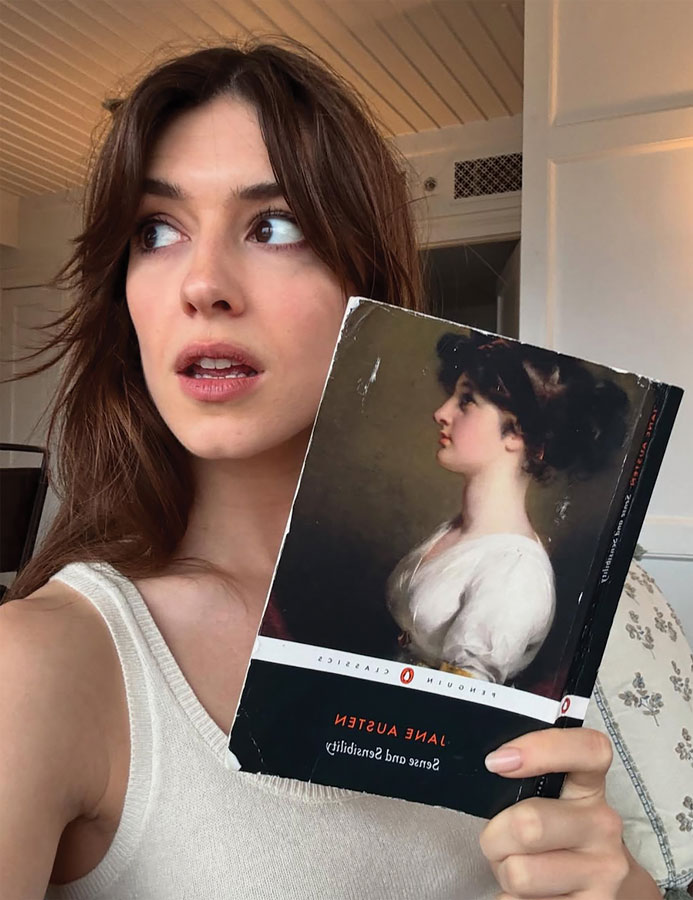
Daisy Edgar Jones stars in an upcoming adaptation of Jane Austen’s Sense and Sensibility.
If adventure and a hint of wildness are part of romance’s DNA, though, these are qualities we can all strive to build into our lives. In 1986, the actress Jane Seymour penned a self-help book and “guide to romantic living”. Scans of it circulate on social media from time to time – pored over with great bemusement by younger generations for its otherworldly aesthetic and antiquated advice. Much of it is terribly dated, of course – but I can’t help but think Seymour is onto something with her theory that romance is a mindset, rather than a one-off encounter; something we can imbue our lives with on a daily basis. “Romance is an attitude, a state of mind. Like all the best qualities it comes from within; you just have to look for it and know how to develop it,” she writes. “It’s wearing silky underwear beneath an expensive suit. It’s swimming naked at night in a warm pool. It’s realising that life is there to be altered, to be made more interesting, to be lived the way you want and dare to live it.”
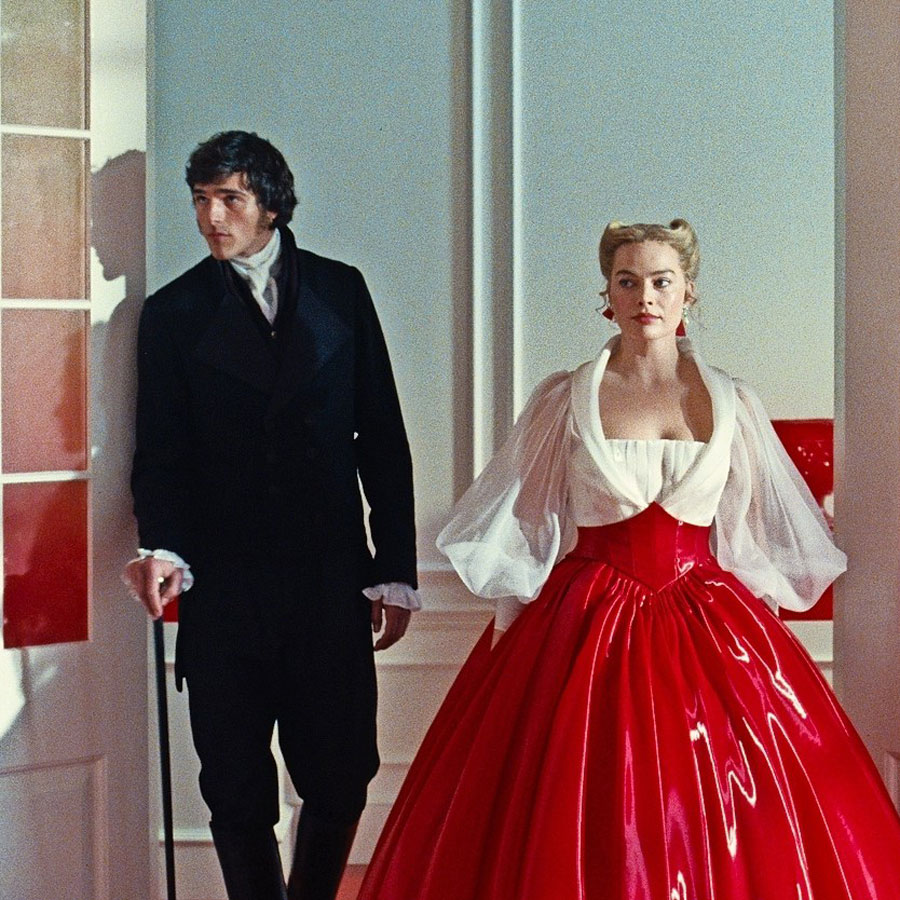
A red latex corset by costume designer Jacqueline Durran for Wuthering Heights.
The quest for romance could be an ongoing experiment in re-enchanting our lives, our relationships and our wardrobes with the extraordinary: the handmade piece of jewellery, the Hermès scarf passed down through generations, or the fragrance that evokes drama and intrigue. Romance in 2026 might entail spending time away from the screen and indulging our senses: soaking in the bath, exploring the natural world, setting the table rather than scoffing dinner in front of the television. It might manifest as seizing the moment and making spontaneous plans; or asking someone on a date for their infectious laugh, not because they know their best camera angle. Ultimately, it’s about cultivating and paying attention: choosing to do less, but to fully immerse ourselves in what we do. Granted, this isn’t quite the S&M-style cavorting of Fennell’s Wuthering Heights, but in seeking out small moments of joy, wonder and heightened sensorial experience we can all cultivate a sense of much-needed romance – red latex corset optional.