

Charting tweed’s origins in Donegal and Scotland …
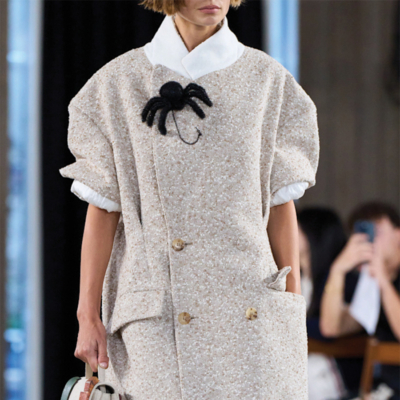
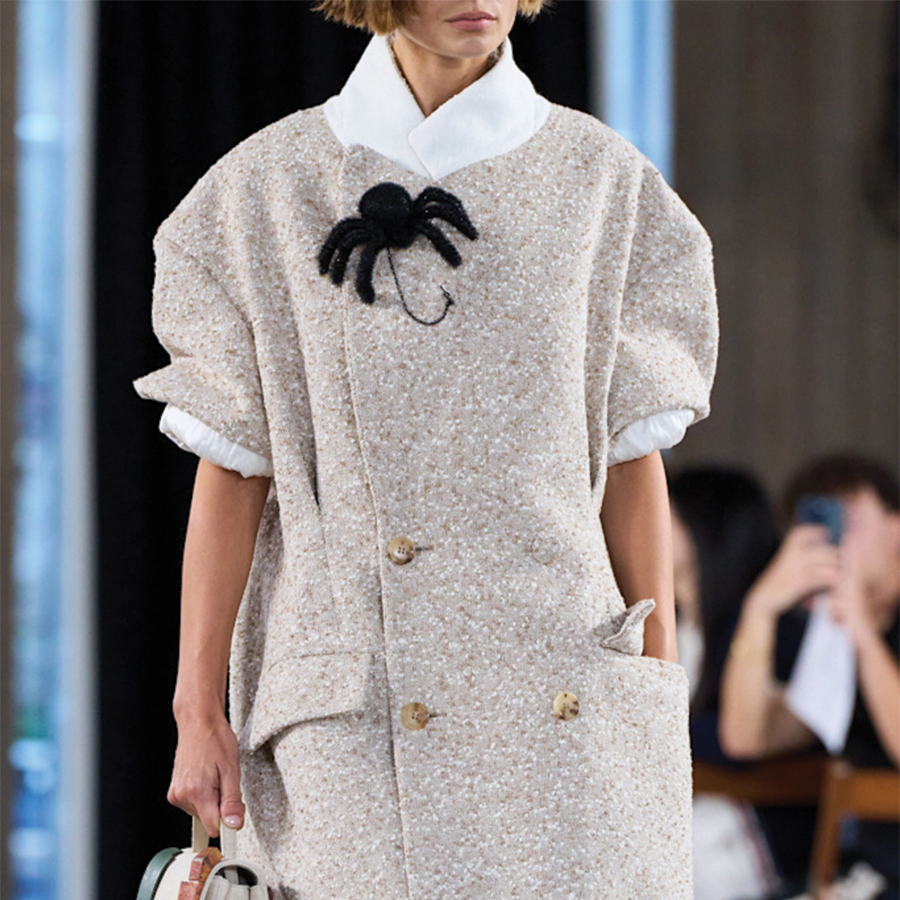
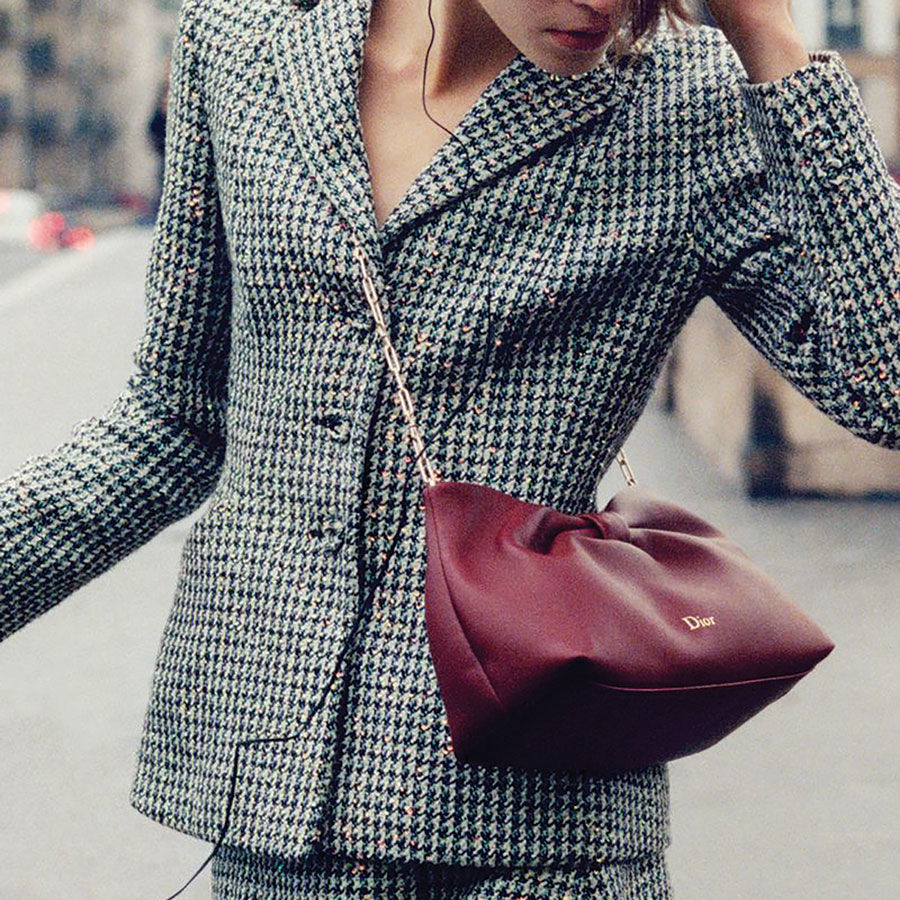
Tweed has much in common with the oyster: both were once basics for the poor that have been adopted by the well-heeled and become status symbols. Tweed began its career as rough workwear, but today it is right at home on the catwalk of Jonathan Anderson’s Dior show.
It is certainly having a moment, as they say in fashion, but my hunch is that it’s a moment that will last for a very long time because for two centuries tweed has never really gone away. It just comes into sharper focus at times, and this latest infatuation is symptomatic of a bigger cultural shift towards authenticity and heritage in a world where so much is artificial and new. Wool prices are rising, and so are sales of tweed fabric, as people rediscover the natural properties of woollen clothing: breathable, insulating, durable and naturally water-repellent.
Not so long ago, to describe someone as “tweedy” was not a compliment. The word conjured up conservative hunting-shooting-fishing types or fusty academics in flecked brown jackets with pipe in hand. Sadly, those flecks were not always part of the fabric (they could have been ash or dandruff), although a characteristic of Donegal tweed is a deliberate fleck made by adding small tufts of dyed wood during spinning to get a speckled, textured look. Anyway, it provided perfect cover for old dons.
Then a decade or two ago, quite suddenly it seemed, young men with Edwardian-style facial hair could be spotted cycling around Hoxton in London or Drury Street in Dublin in tweed jackets and plus fours. They looked like explorers from the Heroic Age or early mountaineers. Part of the fun was the blatant nostalgia – an apparent rejection of modernity, although you can bet they all had iPhones – and the deliberate irony, the way the old order was being subverted. This hipster movement (along with the Peaky Blinders’ effect) has given tweed a helping hand onto the stage for its latest comeback. Today, it is getting so mainstream that I find myself contemplating a nice tweed to reupholster a favourite armchair. And I can promise you that a few years ago I would definitely not have even considered that.
The intrinsic qualities of tweed, along with the historical associations it has gathered, make it more like a feeling than an object.
Tweed’s journey from lowly to luxury started in the Scottish islands and the Irish countryside, specifically Harris and Donegal. It was a robust, practical fabric worn by outdoor workers and farmers. By the 1820s, there was apparently a rising demand for it in London because it was then that a merchant’s clerk misread the word “tweel” (a Scots word for twill) as “tweed” and the name stuck. Or so the legend goes.
Credit for the sudden upward mobility of tweed at that time is in large part due to Walter Scott whose wildly successfully historical novels, such as Waverley and Ivanhoe, made him the first literary superstar of the modern age. He became a baronet in 1820 and popularised the wearing of tweed for country sportswear. In 1848, Prince Albert bought the estate of Balmoral and soon designed the Balmoral tweed for the stalkers and ghillies to wear (the natural colours also made good camouflage). Soon the fabric became synonymous with aristocratic outdoor pursuits, and before long the once-humble tweed found its way into the tailors’ shops of Savile Row.
So far, so male. And it is precisely because tweed was so strongly linked to masculinity that it was embraced by the so-called “New Woman” of the 1890s. She was an early feminist who believed in education and and equality for women and challenged Victorian norms. Tweed was more than merely practical for this new bicycle-riding, trouser-wearing class of independent women: it was a political statement that challenged gender codes. Later, Coco Chanel reimagined tweed for her suits with their cardigan-like jackets and, while these look formal to us today, they were at the time both elegant and liberating. To this day, tweed remains the trademark fabric of Chanel.
Tweed was a gift for fashion designers: Ralph Lauren used it to simulate tradition and class, in both fashion and furnishings, while Vivienne Westwood’s autumn/winter 1987 collection called “Harris Tweed” twisted it in new directions. Today it is ubiquitous, worn by celebrities to signal relaxed, chic sophistication and timeless style.
The intrinsic qualities of tweed, along with the historical associations it has gathered, make it more like a feeling than an object. So-called technical clothes made out of petrochemicals or wood pulp can never pull off the same trick. Tweed is comforting and reassuring, like a warm hug or an old teddy bear.