Women In Wealth: Goodbody Head Of Tax Catriona Coady - The Gloss Magazine
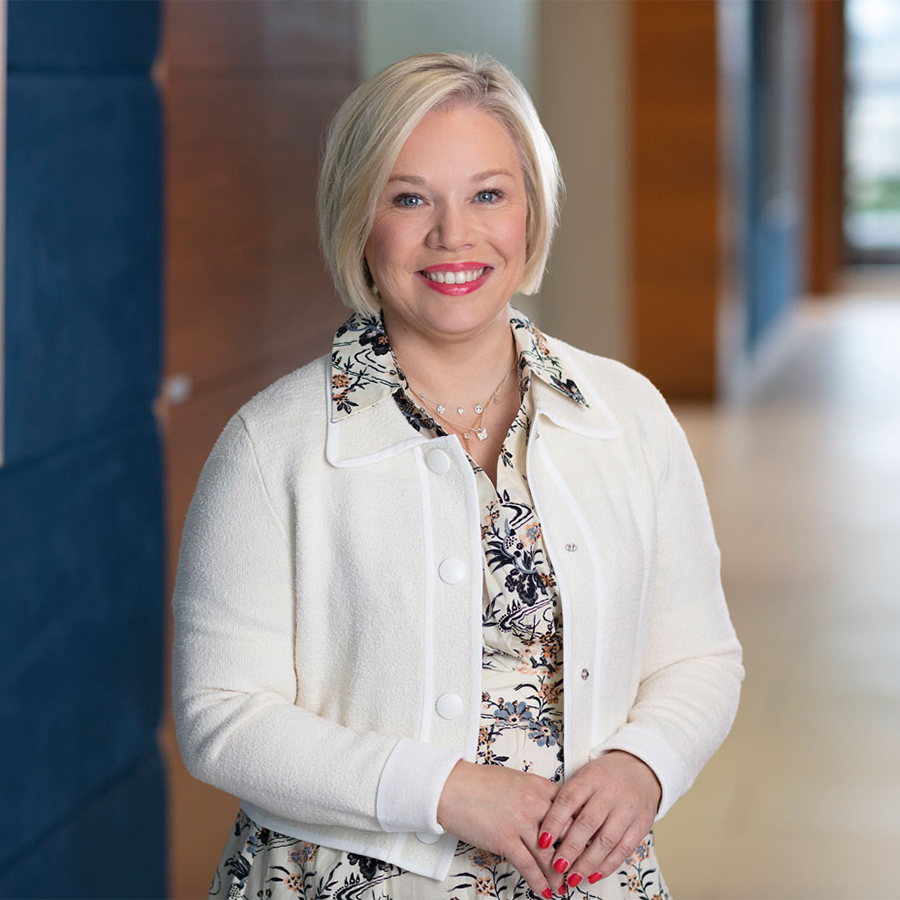
Women In Wealth: Goodbody Head Of Tax Catriona Coady

My journey to a career in financial services: Three weeks work experience as a TY student in Craig Gardner/Price Waterhouse (what is now PwC) – that’s where it all began for me. Following many years working in tax in Big4 firms where the experience gained was invaluable, I moved to Goodbody in 2015. The last decade has flown by and I have been given fantastic opportunities to put my tax background to work in a full-service investment-led financial services business.

Why do you believe looking at life in 10 year chapters can be so powerful for women? Financial decade thinking is about framing planning around life stages rather than isolated decisions. It recognises that financial priorities evolve over time – career building, asset accumulation, family responsibilities and succession planning. For women in particular, it’s powerful because it supports structured decision-making through non linear career paths, helping to maintain long-term direction while allowing flexibility for change.

Looking at this through the decades:

20s: typically involves building foundations – income growth, pension engagement, early investing and protection planning.

30s: are likely to be above balancing competing demands – mortgages, childcare, school fees, career progression and wealth accumulation.

40s: is often a period of consolidation – accelerating pension funding, managing investments more actively and beginning intergenerational planning.

50s+: becomes a period of transition – retirement readiness, income structuring and succession or wealth transfer planning.

The critical point is recognising transition moments early and adapting strategy accordingly rather than reacting late.

How can a decade approach help women adapt their financial planning through change rather than feel that they’ve gone “off track”? A decade-based approach provides a framework that absorbs change rather than being disrupted by it. Career breaks, part-time work or shifts in direction can be incorporated into a long-term plan without losing sight of objectives. It also encourages regular reassessment – revisiting pensions, investments and protection at defined intervals – so adjustments are proactive rather than corrective. This reduces the risk of disengagement or falling behind.

At the start of a new decade, what single financial question would you encourage women to ask themselves before making any major decisions? I’d encourage women to ask: Is my current financial structure aligned with the next phase of my life? This question prompts a holistic review – income, pensions, investments, protection and succession planning – ensuring that decisions are intentional and forward-looking rather than driven by inertia.

Pin It on Pinterest

Share This