


Better to be a real, raging woman than a sweet silent one …
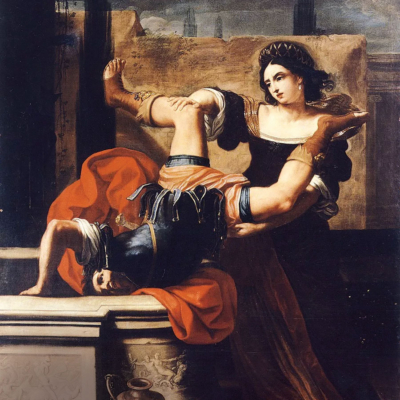
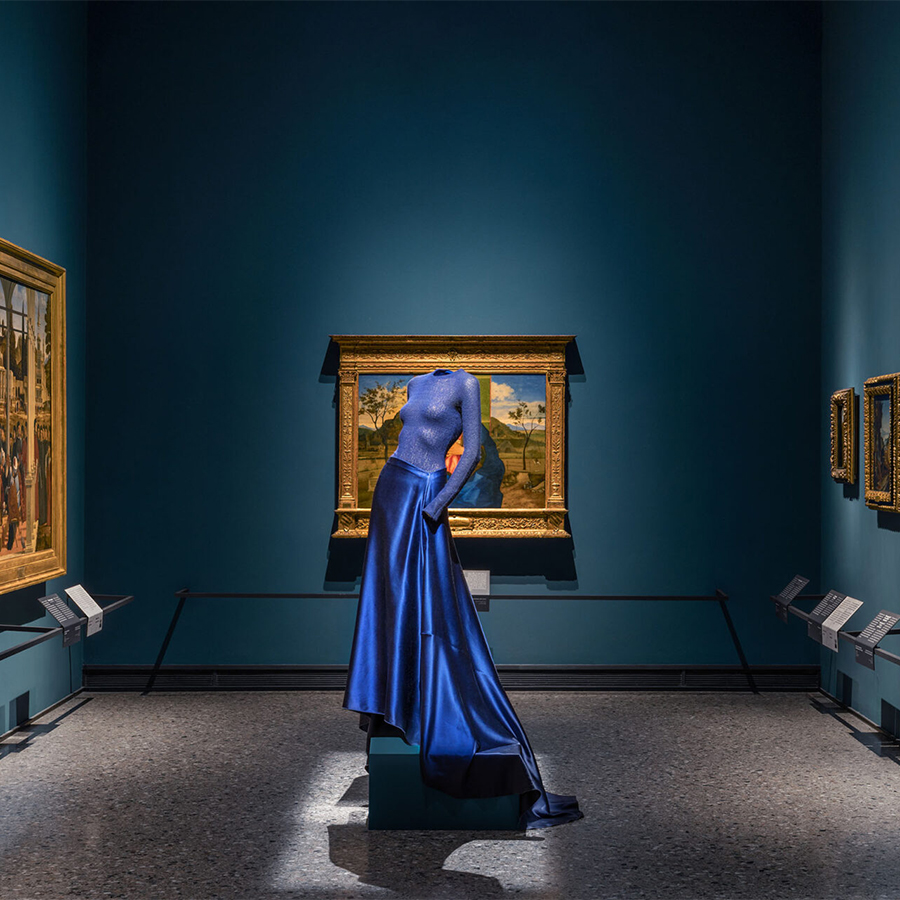
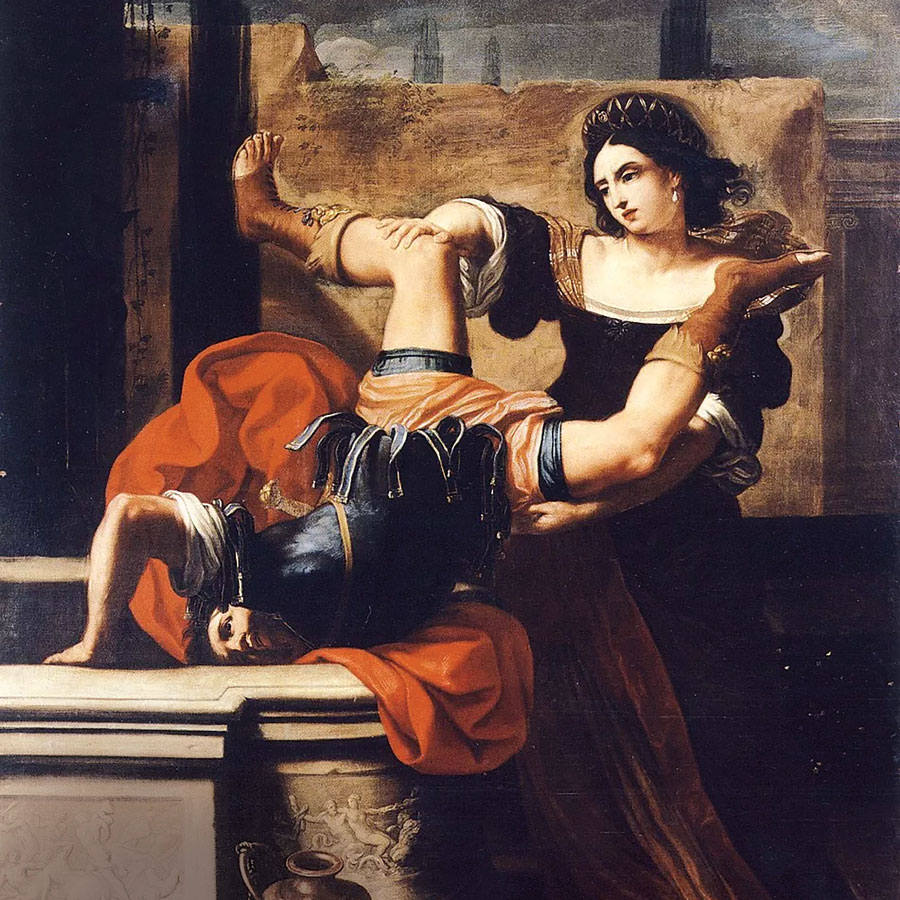
Image; Timoclea Kills the Captain of Alexander the Great (1659) by the Italian Baroque artist Elisabetta Sirani, part of the collection at National Museum of Capodimonte in Naples, Italy.
Apparently, I write “unlikeable” women. Which is ironic, considering how much of my life I spent trying very hard to be liked.
No one ever tells you not to do that. No one says: do not twist yourself into shapes for approval, it is a rigged game and it will hollow you out. You learn it slowly. Painfully. Trying to be liked is exhausting, and ultimately futile. No matter how careful you are, how agreeable, how well behaved, there will always be people who do not like you anyway.
Learning to live with that, to be genuinely okay with it, was one of the great unglamorous lessons of my life. It did not arrive as a revelation so much as a weary acceptance. And I think it is why I am drawn, again and again, to messy, spiky women on the page. Despite my best efforts to be pleasant in real life, I seem to have developed a knack for writing women who make people uncomfortable.
I came of age in 1990s Ireland, a country eager to call itself modern while still operating under the shadow of the Catholic Church. Girls absorbed the rules early: be pretty but not vain, ambitious but not threatening, clever but not loud. Anger was unseemly. Desire suspect. We learned to read rooms, manage tone, apologise in advance. There were exceptions, of course, Sinéad O’Connor tearing up the script, Dolores O’Riordan howling her way into public space, but for most of us, the codes held.
I was not invisible. I wanted attention and, like many women, I learned how to get it safely. By the time I became an actress, that instinct had calcified into a persona: charming when required, careful not to displease. I learned quickly which versions of myself were rewarded. I played the ingénue, the victim, the girl in need of saving. I cried prettily. I did not ask for too much. It suited everyone. Except me.
When those roles dried up in my late 30s, sweet mercy, something cracked open. There was grief in that moment, of course, and fear, but also a strange sense of relief. Writing arrived like a second act I had not planned for. On the page, I discovered a voice that startled me: angrier, funnier, far less accommodating. I could finally be reckless. Flawed. Bold in ways I had never allowed myself to be in life. It felt illicit at first, then oddly necessary.
Complexity, contradiction, even rage – they are essential to being fully human.
As a reader, the first complex women I encountered were often written by men: Emma Bovary, Anna Karenina, Hedda Gabler. Brilliant characters, bursting with desire and restlessness, and all of them punished for wanting too much. Two die by suicide. One is crushed by the moral machinery of her world. The message was hard to miss: a woman who asserts herself must pay.
That was not just a literary convention. It mirrored real life. In Ireland, women who stepped outside prescribed roles were not merely judged, they were managed. Unmarried mothers, sexually active women, those deemed troublesome or inconvenient could be hidden away in laundries or institutions, sometimes for decades. Being “too much” was not a personality trait. It was a problem to be contained. Growing up, we absorbed that warning instinctively, even if it was rarely spoken aloud. Wanting too much was dangerous. Silence, by contrast, was safe.
Later, I found something different in the work of women writers, especially Irish women. Reading Anne Enright’s The Gathering in my 20s, I felt a jolt of recognition so physical it almost frightened me. Something inside me shifted, something I had not yet learned to name. Here was shame, desire, grief and rage rendered without apology. Edna O’Brien, Nuala O’Faolain, Enright herself. These writers showed me that women could be contradictory, angry, ambitious, and still worthy of attention. Still beautiful on the page. Their work did not offer comfort so much as truth, and it felt quietly radical.
And yet, when I published my own novels, I discovered that freedom in fiction does not erase the double standard. Male antiheroes, ruthless, selfish, morally chaotic, are admired, dissected, celebrated. Their flaws are read as depth. Women who behave the same way are labelled “difficult”, “toxic”, “exhausting”. Their flaws are read as personal failures. As critic Anna Bogutskaya points out, women are far more likely than men to be called “bitches” or “mean” simply for refusing to soften themselves. “Unlikeable” is often shorthand for: you are not playing the game you were supposed to.
I saw it play out, predictably, on Goodreads. Yes, I looked. (I should know better.) Jessica in my book, The Wildelings, was described as “selfish”, “hard to sympathise with”, “a lot”. I nodded, muttered “here we go again”, and closed the tab. I had seen it before, with other female characters I had written. What those reviews were really saying was simpler: she refused the blueprint of a good woman. She did not soften herself for the reader. She did not make it easy.
The thing is, women writers are no longer asking permission. On the page, characters created by writers like Ottessa Moshfegh, Lisa Taddeo and Elizabeth Strout are messy, sharp-edged, sometimes infuriating. They sulk, rage, desire, disappoint. They behave badly. They are fully alive. Some readers bristle, but many more recognise something familiar, and oddly relieving, in that refusal to perform.
Difficult women matter because they remind us that we can take up space without apology …
On screen, we are finally seeing the same shift. Men behaving badly have been celebrated for decades, Tony Soprano, Don Draper, Kendall Roy. Women, historically, were expected to remain palatable. Now we have Fleabag, Deborah Vance in Hacks, the morally chaotic women of The White Lotus. Ambitious. Cruel. Tender. Funny. Inconsistent. Human. The medium is catching up, even if the “difficult” label still clings.
I do not write “difficult” women to provoke or shock. I write them because they feel honest. Because complexity is not a defect. Because anger, ambition, grief and desire deserve as much space as sweetness and grace. And because humour matters too. Recognising the absurdity of life softens the edge and reminds us that even rage can be entertaining, even ambition can be faintly ridiculous. And yes, sometimes it is hilarious watching someone fail spectacularly while refusing to apologise for being themselves.
There is a reason this matters beyond fiction. Suppressing the self, swallowing anger, shrinking desire, sanding down ambition, comes at a cost. Many women know that cost intimately. It shows up in anxiety, burnout, addiction, a low hum of dissatisfaction that can be hard to articulate. After a lifetime of trying to be good, I have learned the pleasure of letting women, fictional and real, be loud, flawed, contradictory. Messy. Magnificent. Unignorable.
Better to be a real, raging, “mad” woman than a sweet, silent one any day. Difficult women matter because they remind us that we can take up space without apology, that we can be contradictory and ambitious and still worthy of existence.
And perhaps that is the point. Life is far richer, wilder and more human when we stop editing ourselves for approval. @hardlinglisa