


Beautiful cities where nature and urban life combine in harmony …
Nature-first travel is in full bloom this year. Interest in the search term “greenest city in the world” surged by nearly 10,000 per cent in the past year, according to Google Trends. Travellers are seeking destinations that blend city exploration with outdoor relaxation in open green spaces. Iglu Cruise travel experts’ Green City Index identifies the top ten cities that satisfy three key factors: the share of accessible public green space, the percentage of greenery in each city and air quality. See the list of nature-focused cities to add to your bucket list below.
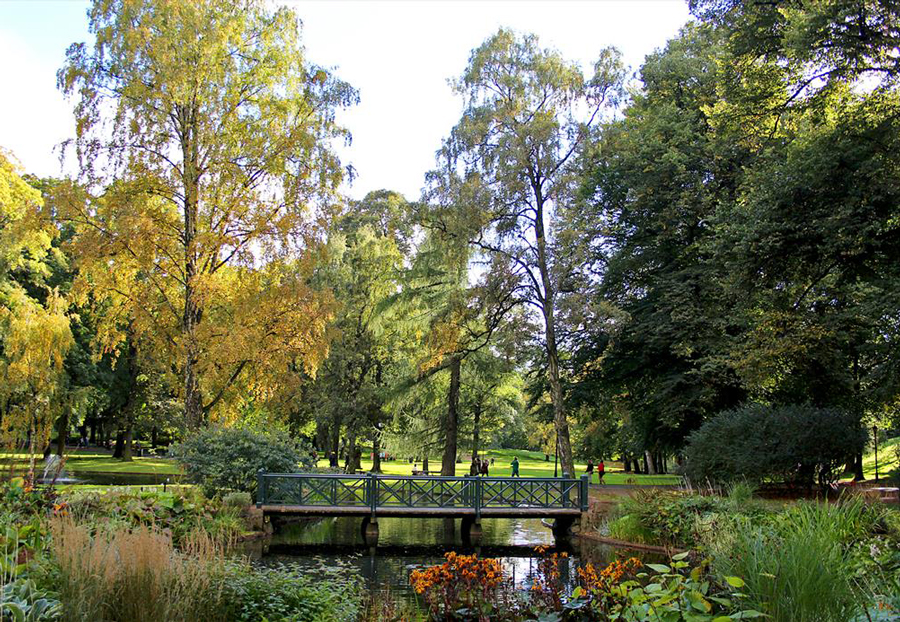
Oslo, Norway
77 Green Score: Oslo boasts the highest percentage of green spaces and public parks, hence its high air quality. An impressive 95 per cent of residents live within a 300-metre walk of a green area, making it one of Europe’s most walkable capitals. Visitors can explore “pocket parks” – community-led initiatives that transform old parking spaces into green areas in built-up cities – or the world’s first “bee highway” as a colourful corridor of flowers runs across the city’s streets. There are also well-known sites like the Royal Palace Park and Vigeland Park, the largest sculpture park in the world created by a single artist. A 20-minute metro ride from the city centre takes you to Oslomarka forest and the trails around Sognsvann Lake.
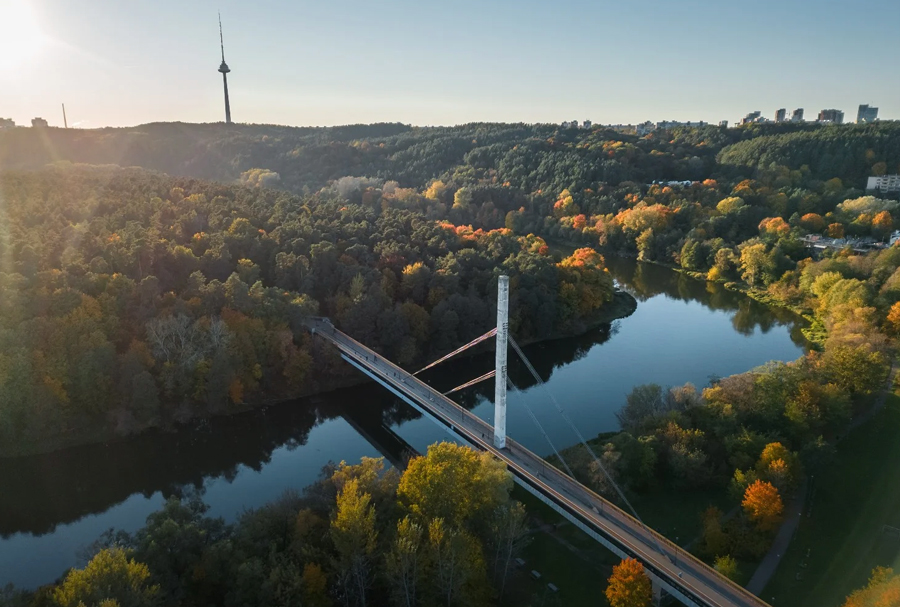
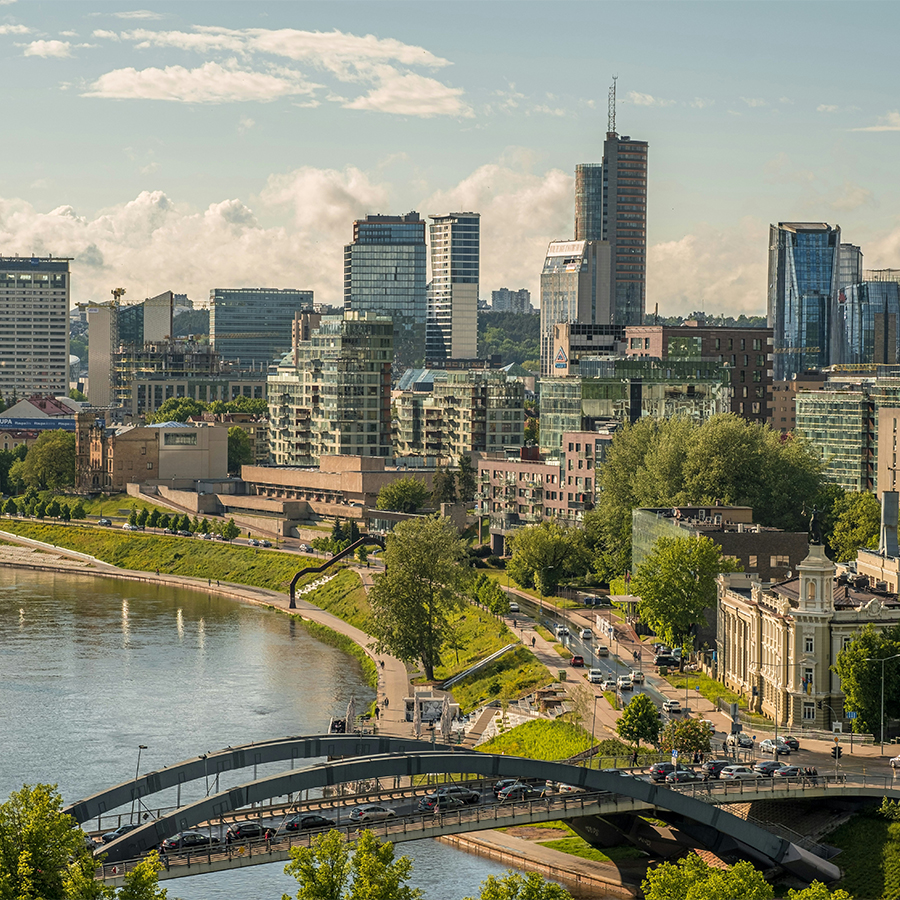
Vilnius, Lithuania
72 Green Score: Vilnius officially holds the title of European Green Capital for 2025 by the European Commission, highlighting the city’s commitment to sustainability and its high air quality. With 61 per cent of its territory dedicated to green space and a dense forest canopy covering nearly half the city, Vilnius is one of the few European capitals where hot air balloons are permitted to drift over the UNESCO-listed city centre, offering a rare aerial perspective. Visitors can explore the Bernardine Garden in the heart of the Old Town, Vingis Park or Pavilniai Regional Park. The Lithuanian capital boasts over 1,500km of walking trails, including a signature 100km loop around the city and an ever-expanding 140km network of bike paths. The capital’s goal is to become fully climate-neutral by 2030.
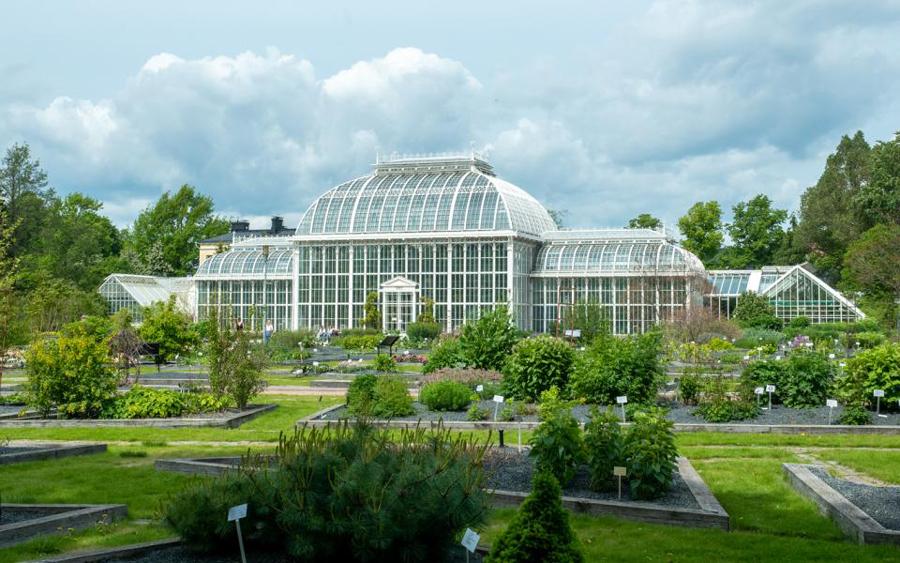
Helsinki, Finland
60 Green Score: Helsinki ranks as the third greenest city, celebrated for its “wild urbanism” and clean air. It was awarded the title of the world’s most sustainable travel destination in the Global Destination Sustainability Index for the last two years, making it an ideal destination for health-conscious travellers. The city features about 46 per cent of its area as green space, including Kaivospuisto (Central Park) which is a 10km stretch of forest starting from the city centre. Kumpula Botanic Garden and Haaga Rhododendron Park are must-visits, especially in June when the rhododendrons bloom. Helsinki boasts a Baltic Sea coastline and offers an impressive 340sqm of green space per resident. If you’re looking to explore beyond the city, Nuuksio National Park is accessible by public transport, with lakes and forests perfect for hiking.
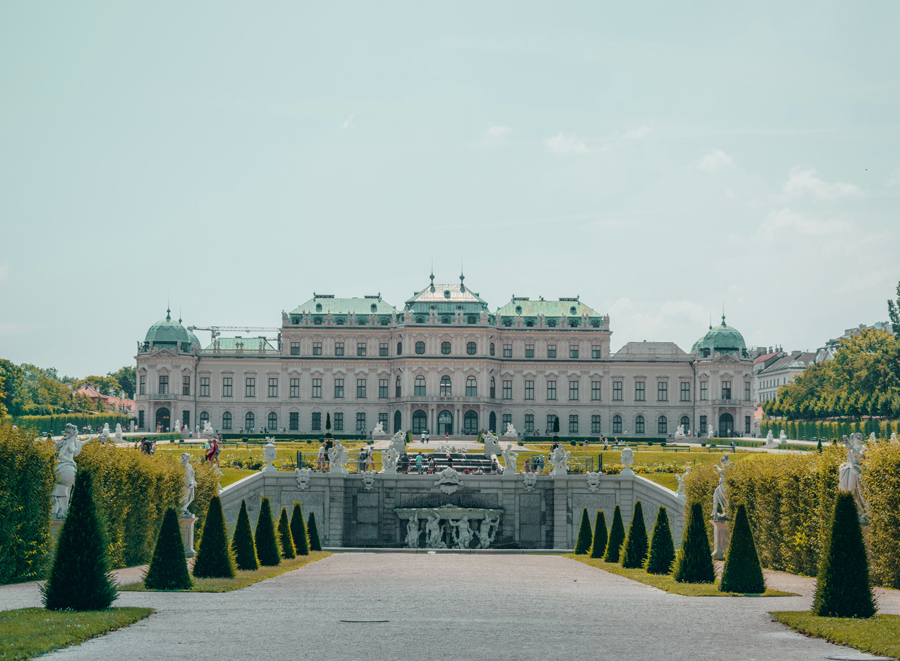
Vienna, Austria
59 Green Score: Vienna ranks fourth on the Green City Index, with over 50 per cent of the city designated as green space. This landscape includes everything from Schönbrunn Palace’s manicured gardens to the wilder, wooded hills of Leopoldsberg or Vienna Woods, a UNESCO Biosphere Reserve that features a network of paths easily accessible via public transport. Visitors can explore the 21km Danube Island for cycling and swimming or hike through the vineyards of Döbling for panoramic views of the Danube River. By integrating its heritage with a commitment to environmental preservation, Vienna demonstrates how a historic capital can function as a modern sanctuary.
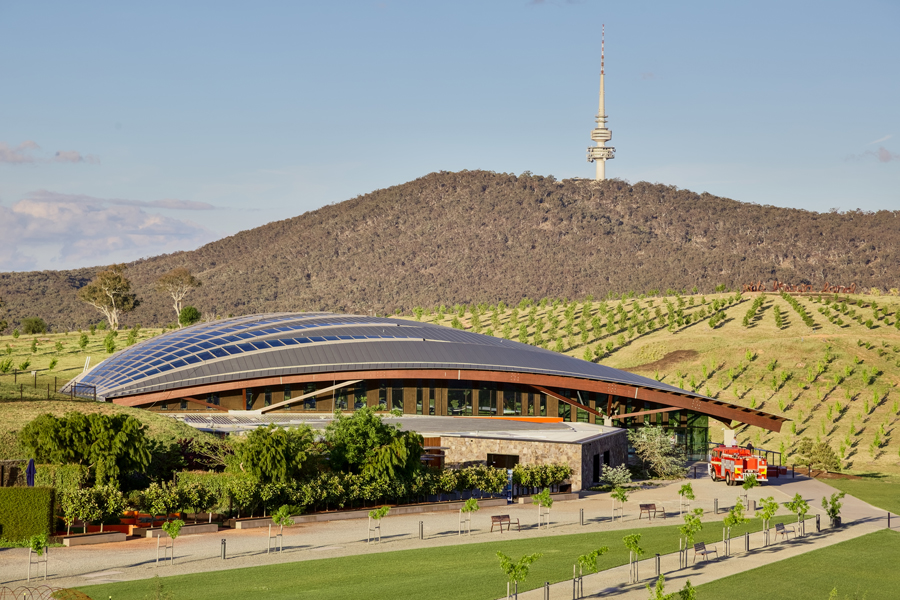
Canberra, Australia
58 Green Score: Often referred to as the “Bush Capital”, Canberra ranks as the fifth-most-nature-immersive city and holds one of the highest rates of urban green space per capita globally. Purpose-built in 1913 to blend urban living with the landscape, the city preserves 45 per cent of its area as protected national parks and nature reserves. Canberra’s “Garden City” layout offers an immersive outdoor experience as travellers can explore the National Arboretum, home to over 100 different forests featuring thousands of rare trees, and take in panoramic views from Dairy Farmers Hill. The city is centred on Lake Burley Griffin, a scenic waterfront path linking Lennox Gardens to the Black Mountain Peninsula. Powered by 100 per cent renewable electricity, Canberra stands as one of the world’s most sustainable capitals steps away from the wild Australian bush.
Sydney, Australia
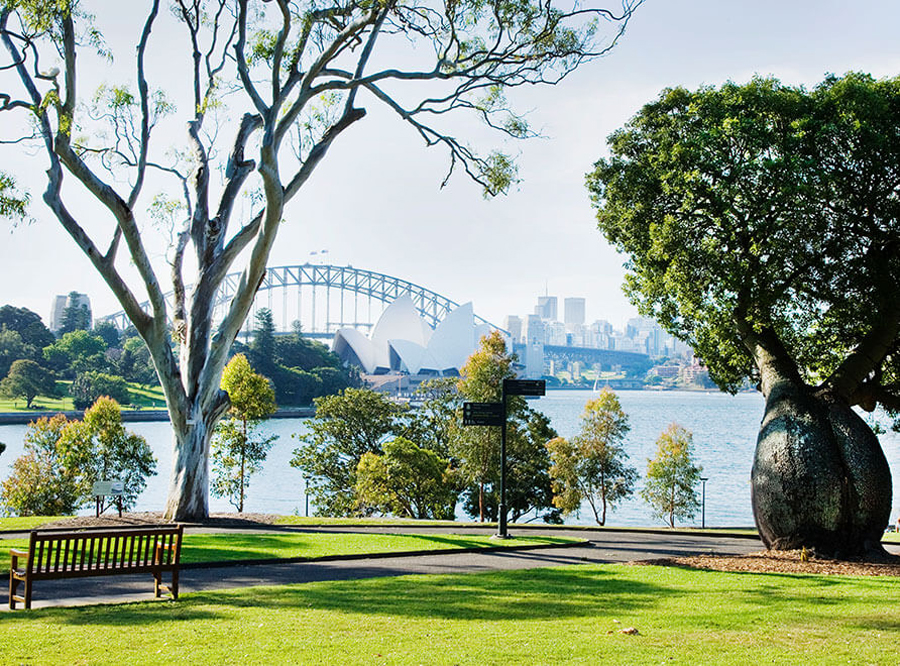
58 Green Score: Sydney ranks sixth among the world’s greenest cities with 46 per cent of public park space, demonstrating how a global hub can integrate nature. Through the “Rewilding Sydney” initiative, the city has already surpassed 173,000 native plantings to restore biodiversity, supporting a vision where every resident lives within a ten-minute walk of a park. Its iconic harbour is linked by a vast network of green walkways and cycle paths. Start at the Royal Botanic Garden, adjacent to the Opera House. The “green lung” of Centennial Parklands offers 890 acres of trails and lakes while Hyde Park, Australia’s oldest park, provides a shaded retreat in the heart of the business district. Adventure to Barangaroo Reserve, a former industrial site transformed into an area of 75,000 native plants, and the tranquil Chinese Garden of Friendship in Darling Harbour.
Singapore
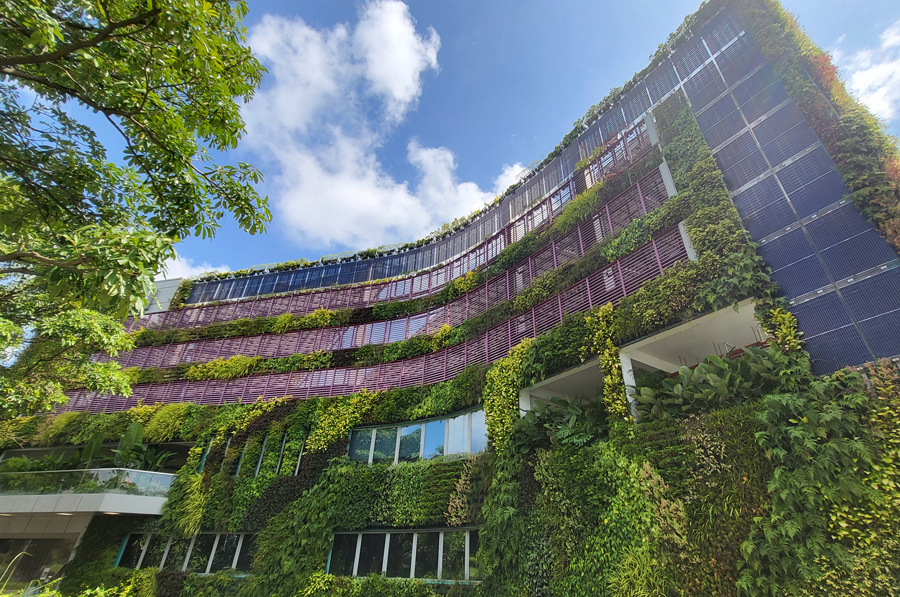
53 Green Score: Singapore ranks eighth among the top ten greenest cities globally, pioneering a “nature-first” model that features over 300 acres of Skyrise Greenery. Through the OneMillionTrees movement, which has planted over 700,000 trees toward its 2030 goal, the city ensures that 95 per cent of households are within a ten-minute walk of a park. This design provides an average of 66sqm of green space per resident, even in one of the world’s most densely populated hubs. Discover a 370km network of interconnected parks, linking the iconic “Supertrees” of Gardens by the Bay with the UNESCO-listed Botanic Gardens. From the tropical rainforests of Sentosa Island to the vertical gardens that scale its skyscrapers, by incorporating nature into every level of its architecture Singapore remains a leading contender for the title of the world’s greenest city.
Reading, UK
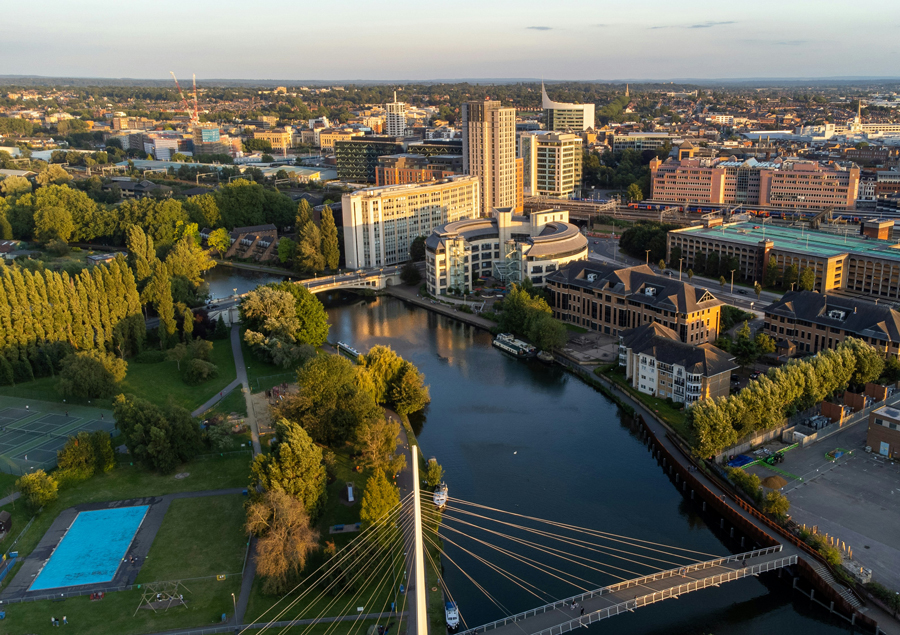
51 Green Score: Reading is recognised as the UK’s greenest destination with 35 per cent of its area dedicated to public green space. The city is defined by the “Rivers and Parks” initiative that connects the Thames and Kennet rivers directly to the town centre. The city’s central green space, the Abbey Quarter, blends historic ruins with the manicured landscapes of Forbury Gardens, Caversham Court Gardens or the tranquil Christchurch Meadows. The city’s outskirts feature the 80-acre Prospect Park, famous for its hilltop views, and the cycling circuits of Palmer Park. Supported by world-leading sustainability research from the University of Reading, the city has achieved a 57 per cent reduction in carbon emissions, successfully evolving into a model for a low-carbon urban economy.
Munich, Germany
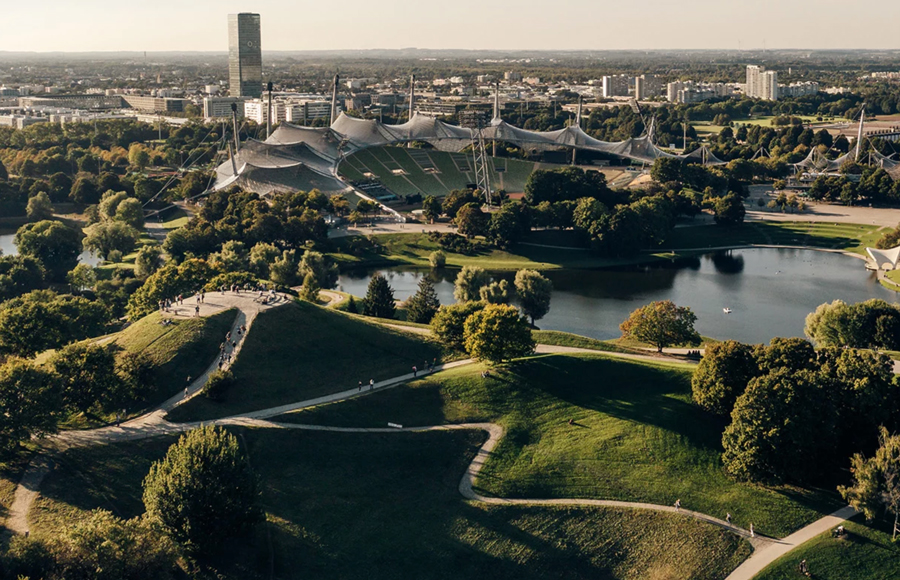
50 Green Score: Munich ranks tenth among the world’s greenest destinations and is recognised as the most walkable city on the planet, with a commitment to becoming climate-neutral by 2035. Its famous English Garden is larger than New York’s Central Park, while the “Park Miles” connects the urban centre to a 70km protected green belt. The Olympiapark, created for the 1972 Games, covers 395 acres of hills and lakes, while the Nymphenburg Palace Park is the city’s second-largest green space and offers a grand Baroque setting. Nature lovers can explore global plant species at the nearby Botanical Garden or hike up Luitpold Hill in Luitpoldpark for panoramic views of the city and Alps. From the famous Eisbach surfing wave in the English Garden to its world-class public transportation, Munich demonstrates how a modern economic centre can still connect to nature.