


Since English scientist Christopher Merret first documented the process of producing sparkling wine in 1662, the world of bubbles has only grown stronger …
Champagne, crémant, cava, franciacorta, prosecco, lambrusco, trento DOC, Sussex PDO (Protected Designation of Origin) – you name it. The world loves bubbles, and bubbles, unquestionably, make the world a better place. Open a bottle of champagne, pour a little into a flute, and watch. Bubbles gather along the glass, rise in delicate streams, then burst at the surface with an appealing crackling sound, releasing tiny droplets that tickle the nose. We all know this moment and it always brings a smile.
Did you know that a 75cl bottle of champagne contains, on average, five litres of dissolved carbon dioxide? That translates into roughly 80 million bubbles per bottle – or about ten million bubbles per glass. Assuming, of course, one were to let the glass sit long enough to go flat – a scenario that is highly unlikely in my home.
Last year, at a conference on cava which I attended, Gabriel Lepousez, a neuroscientist at the Pasteur Institute in Paris, said something that has stayed with me ever since: “CO2 is full of emotions.” After 20 years of lovingly drinking sparkling wines, it finally hit me: our collective love affair with fizz isn’t just about celebration or luxury. It is about the way millions of tiny bubbles – imperceptible until the moment we free them – awaken sensations and emotions no other wine can. Sparkling wines deliver a truly multi-dimensional sensory experience: they engage our sight, hearing, touch, and of course our senses of smell and taste.
Sparkling wine is endlessly versatile and never out of place.
It all begins the moment we lean in to smell the wine. As bubbles burst at the surface, they behave like tiny atomisers, gently tickling the nostrils and amplifying the release of aromas – just as a perfume disperses into the air when sprayed. Science supports this. In a 2008 study, Dr Koichiro Tamura, a researcher at Tokyo Metropolitan University, concluded that “from the brain’s perspective, 20–25 per cent of our tactile perception is concentrated in the oral cavity.” This helps explain why the quality of the bubbles, particularly their size, plays such a decisive role in our overall perception of sparkling wine.
We instinctively favour small, delicate bubbles over large, gaseous ones that burst aggressively in the mouth. Fine bubbles gently tingle, caress, and “massage” the palate, creating a lingering impression of refinement, pleasure, and even luxury.
From a tasting perspective, carbon dioxide itself is remarkably pleasant. Our tastebuds detect its refreshing prickliness, while the brain interprets it as a lift in acidity and freshness. This interaction enhances the mouthwatering effect of acidity and contributes to an overall sensation of vibrancy and purity.
And then there is the complexity brought by time. Sparkling wines – especially those aged for extended periods on their lees (the spent yeast cells that settle after the second fermentation) – can be remarkably intricate. This prolonged ageing not only encourages the development of beautiful pastrylike and subtle oxidative flavours, but also contributes to the emergence of umami.
Umami, which translates from Japanese as “the taste of deliciousness,” is a savoury depth that traditional method sparkling wines express in abundance. One of the purest forms of umami is MSG (monosodium glutamate), the same glutamate compound naturally found in foods such as parmesan, mushrooms, and soy sauce. These ingredients are famously craveworthy because of their rich umami profile – and sparkling wines share this subtle savoury appeal, adding yet another layer to their complexity, and perhaps even to their enduring popularity.
But beyond the science, there is something wonderfully democratic about sparkling wine. I have never heard of anyone suggest a glass of red wine on the first morning of a honeymoon – yet a glass of bubbly? Instantly appealing.
So, why save sparkling wine for special occasions, when sparkling wine is what makes occasions special? Let’s forget the “red or white” debate on a Friday night. From now on, the only question should be: “Darling, crémant or cava tonight?” And if you are worried about what to serve them with, don’t be. Pizza night on the sofa, or fish and chips with friends, are among the very best sparkling wine moments. As Oscar Wilde wisely said, “Only the unimaginative can fail to find a reason for drinking champagne.” @julie_dupouy
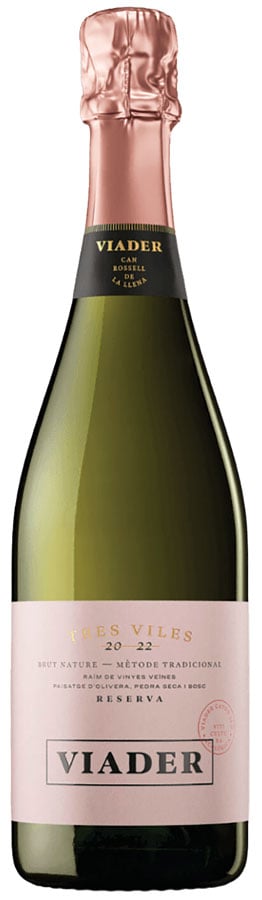
Muscandia Reserva, Rosat Pinot Noir, Celler Viader, Corpinnat, Spain, €34; www.clontarfwines.ie.
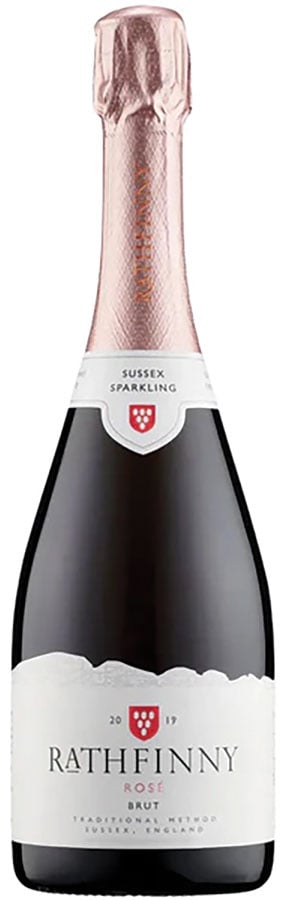
Rathfinny Rosé, Sussex, UK, €57.95; www.thecorkscrew.ie.
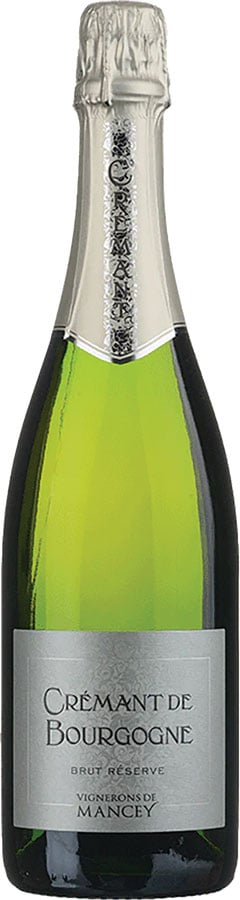
Crémant de Bourgogne, Mancey Réserve, France, €25.99; www.obrienswine.ie.
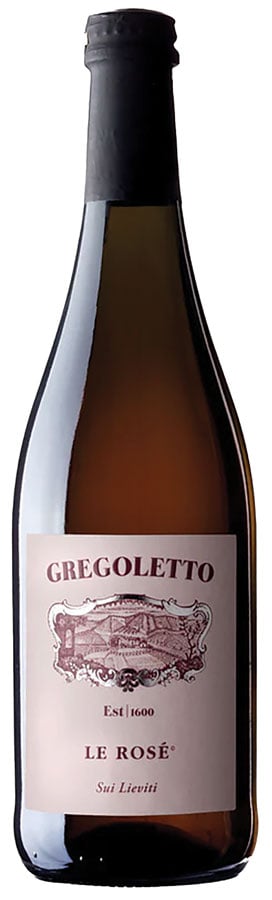
Rosato Frizzante “Le Rosé”, Gregoletto, Italy, €24.99; www.callmewine.com.
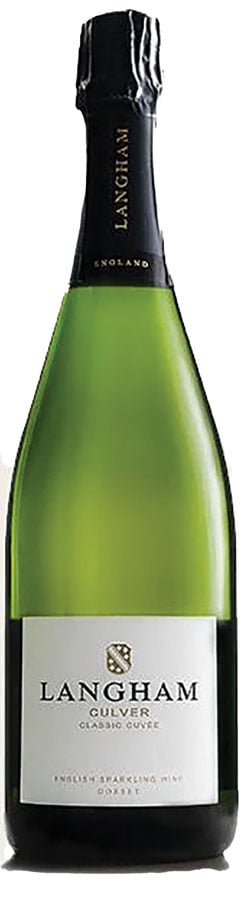
Langham Estate, “Culver” Classic Cuvée, Dorset, UK, €45; www.wineonline.ie.
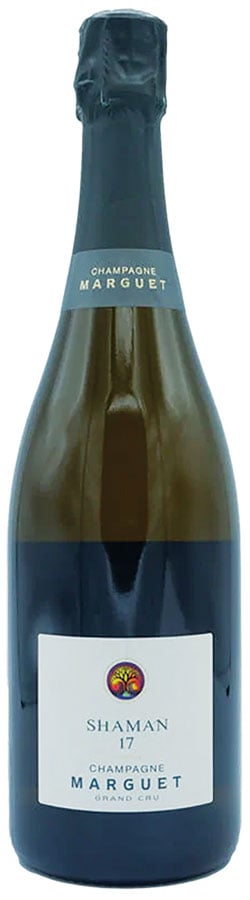
Champagne “Shaman”, Benoit Marguet, France, €80; www.64wine.ie.
We may earn a commission if you buy through affiliate links on our site.