Novelist Martina Devlin’s Guide To Rome
Five dazzling spots in the city …
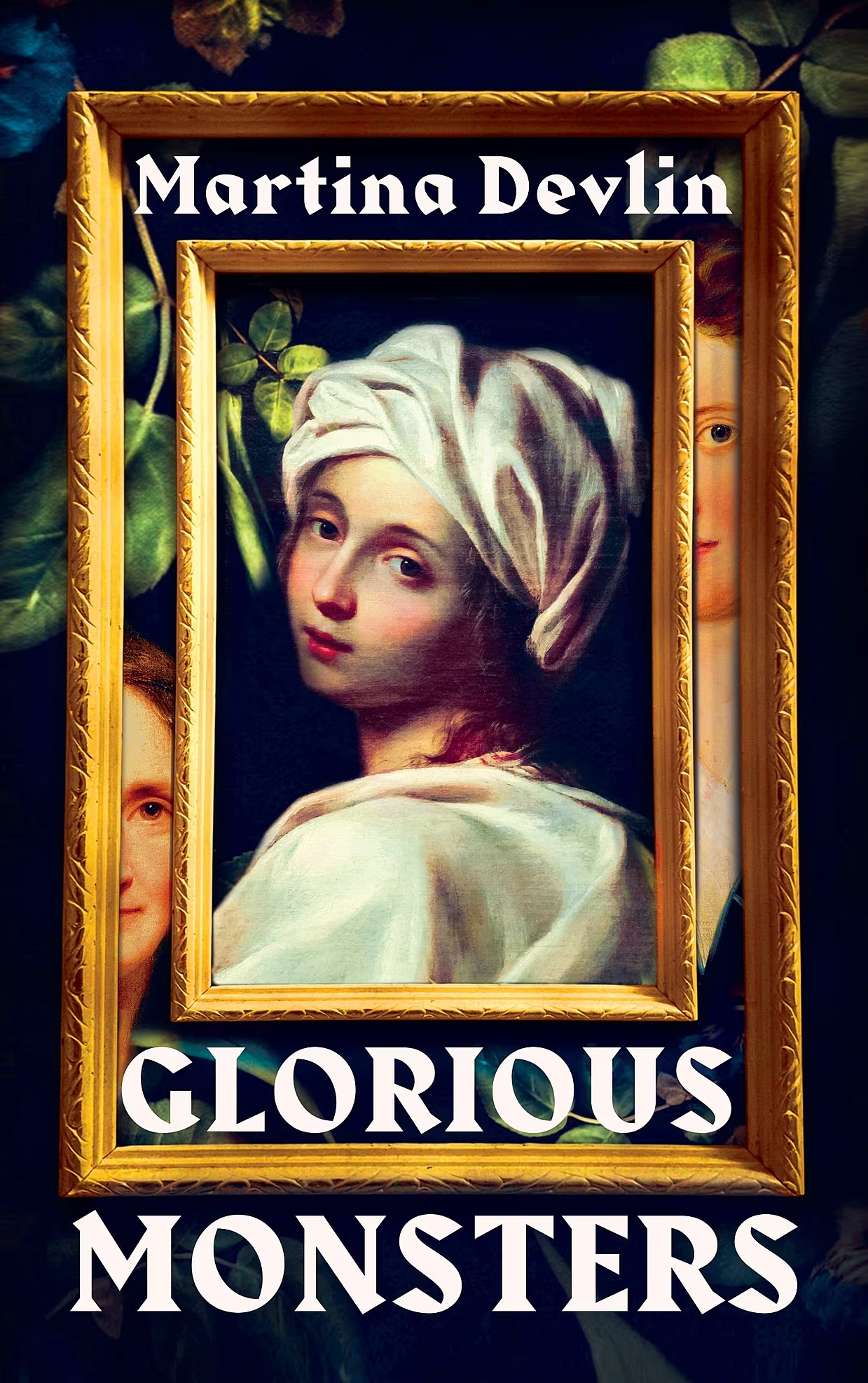
Dr Martina Devlin’s new book, Glorious Monsters, The Lilliput Press (€16.95), is set in the heart of Rome in the heat of the summer in the early 1800s. It’s inspired by a true story of scandal and tragedy, as writer Mary Shelley, her stepsister Claire Clairmont and poet Percy Shelley, Mary’s husband, live together in Italy in an unorthodox arrangement that was both scandalous and volatile. The trio moved from Naples to Rome in 1819, following the breakdown of Clairmont’s relationship with Lord Byron. The protagonist of Glorious Monters, Amelia Curran, was Irish. Her painting of Percy Shelley is the only one painted of him during his lifetime; it hangs in the British National Portrait Gallery in London. This true-life love triangle set in Rome is vivid and compelling.
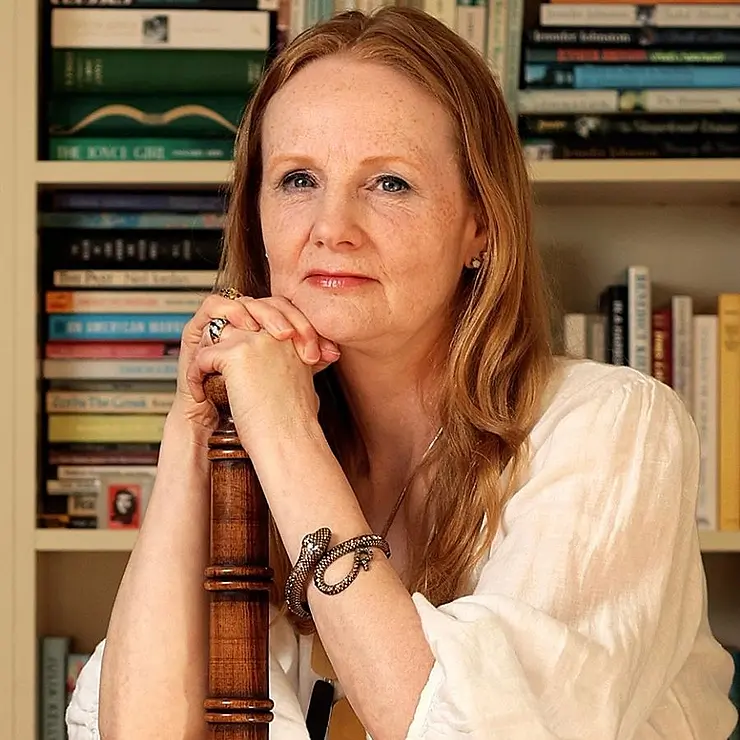
Devlin, who was born in Omagh, has published 12 books, including Charlotte: A Novel, about Charlotte Brontë. She travelled to Rome to research Glorious Monsters, and we asked for her recommendations on what to see and do in the Eternal City …
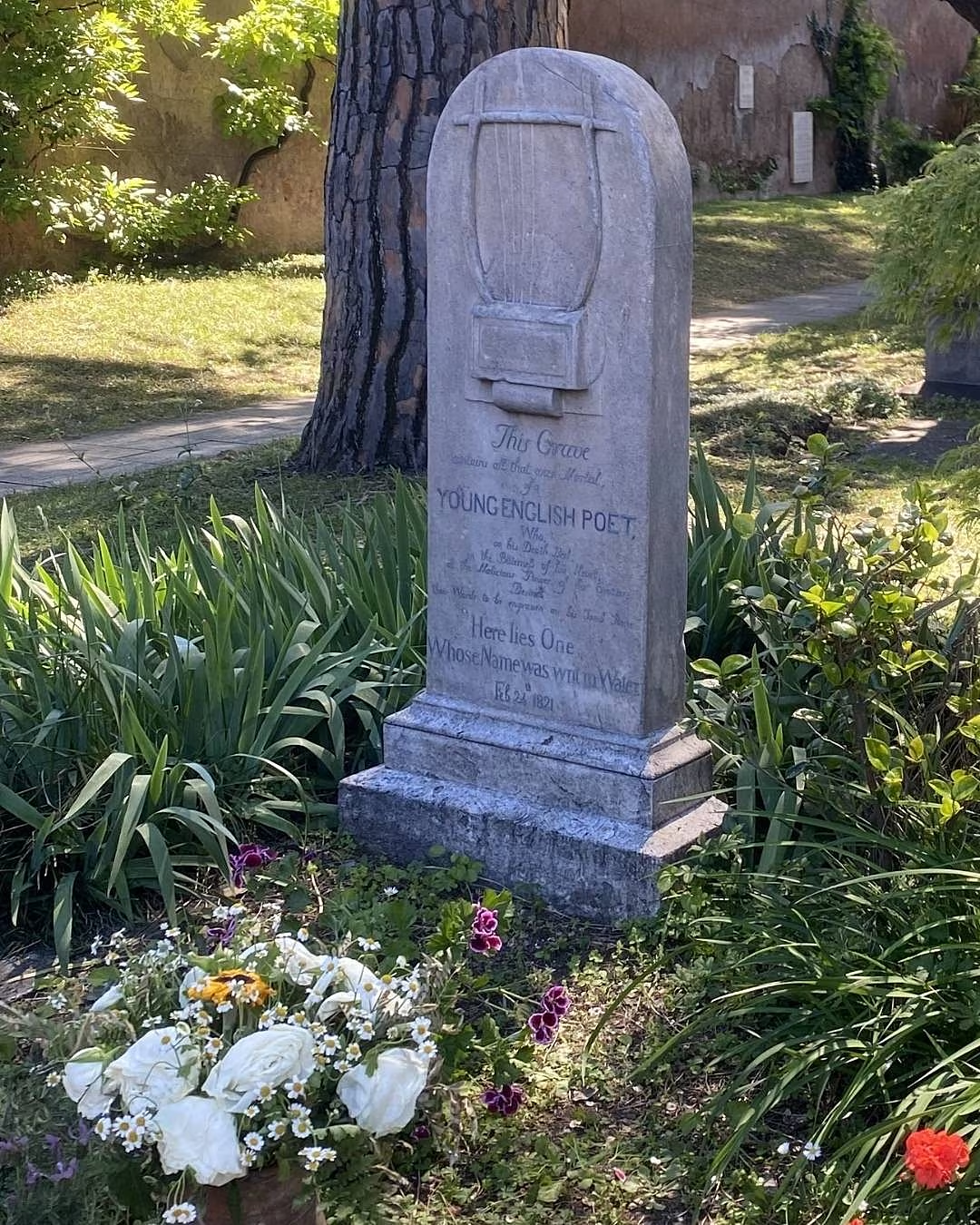
The literary pilgrimage
A must-see for anyone with literary inclinations, the tranquil Protestant Cemetery, also known as the Non-Catholic Cemetery, is an oasis lined with cypress trees in the heart of the city. Romantic poets Shelley and Keats are buried here – no wonder Oscar Wilde called it the “holiest place in Rome”. Incorporated into the graveyard’s walls is the unexpected (although rather wonderful) sight of the Pyramid of Cestius, itself a tomb, built in the Egyptian style between 12BC and 18BC. Visitors can hear the roar of the frenetic Roman traffic, yet by some trick of the graveyard’s atmosphere, that noise can also be filtered out. A cat sanctuary is housed here, and it is full of cats sitting, sprawling and curled up on headstones and grave markers.
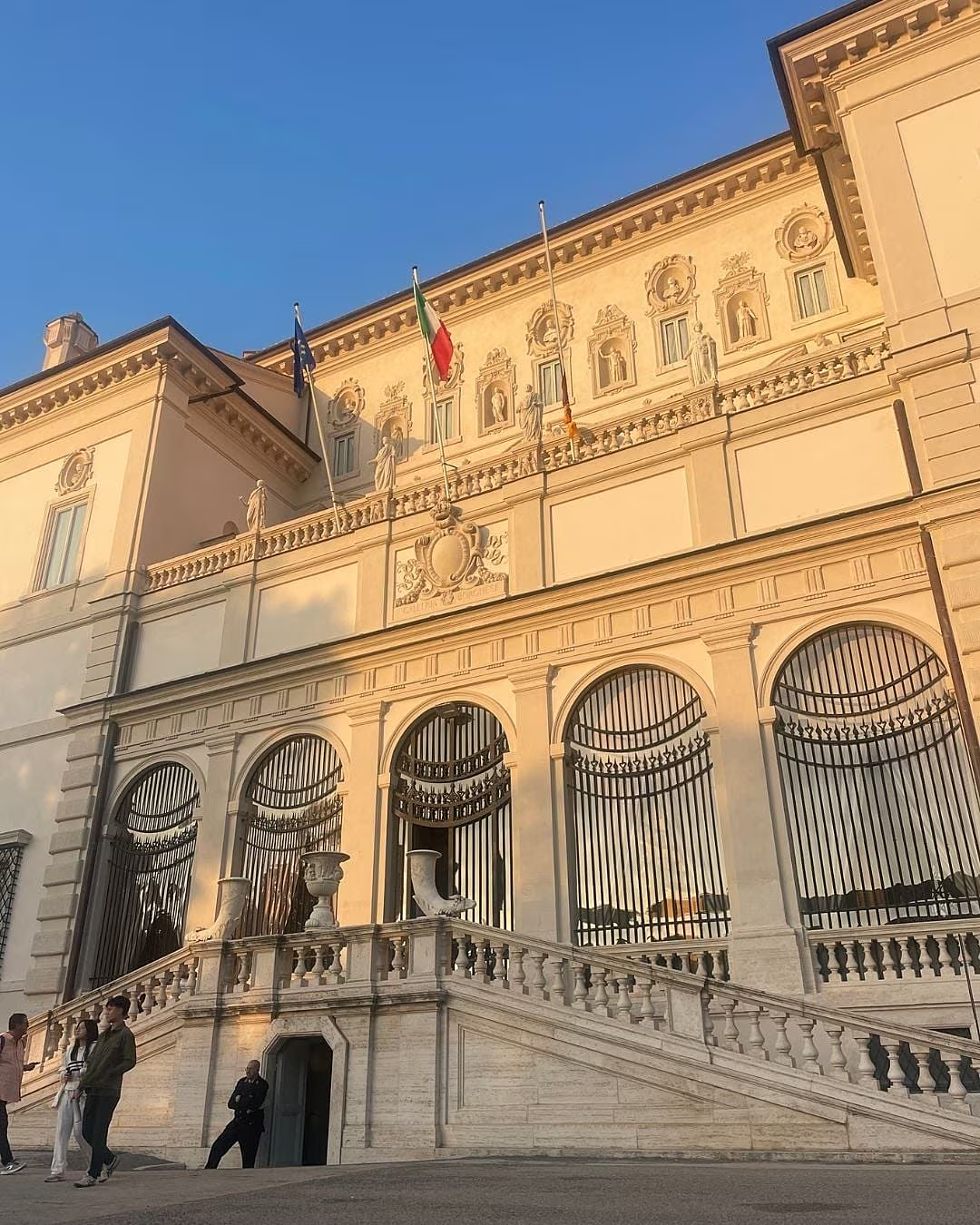
The Showstopper
Rome is full of spectacular marbles but one of my favourites is Venus Victrix (Venus Victorious), the lifelike statue of the convention-defying, pleasure-loving Pauline Bonaparte (the Princess Borghese), younger sister of Napoleon. A thing of outstanding beauty in a city crammed with beauty, the piece was sculpted between 1805 and 1808 by Canova, who made the marble appear to be as soft and alive as the human body. It caused a sensation because it showed her semi-nude, and was locked away for decades. The princess and her husband were estranged before the statue was completed. You’ll find it in the Villa Borghese. Incidentally, Pauline was fiercely loyal to Napoleon and was his only sibling to visit him in exile on Elba.
The art
Palazzo Barberini, the 17th century palace and art gallery, is a relaxed museum experience compared with queues for the Vatican. It has impressive ceiling frescoes, dramatic staircases and landmark art including Caravaggio’s Judith Beheading Holofernes and Holbein’s shock-and-awe swagger portrait of Henry VIII. But my highlight is a painting now recategorised as the work of a talented Baroque period female artist, Ginevra Cantofoli. One school of thought suggests that it depicts Beatrice Cenci, a character in my new novel, Glorious Monsters – she was an Italian noblewoman executed for having her father assassinated. The Shelleys knew her story and were fascinated by it.
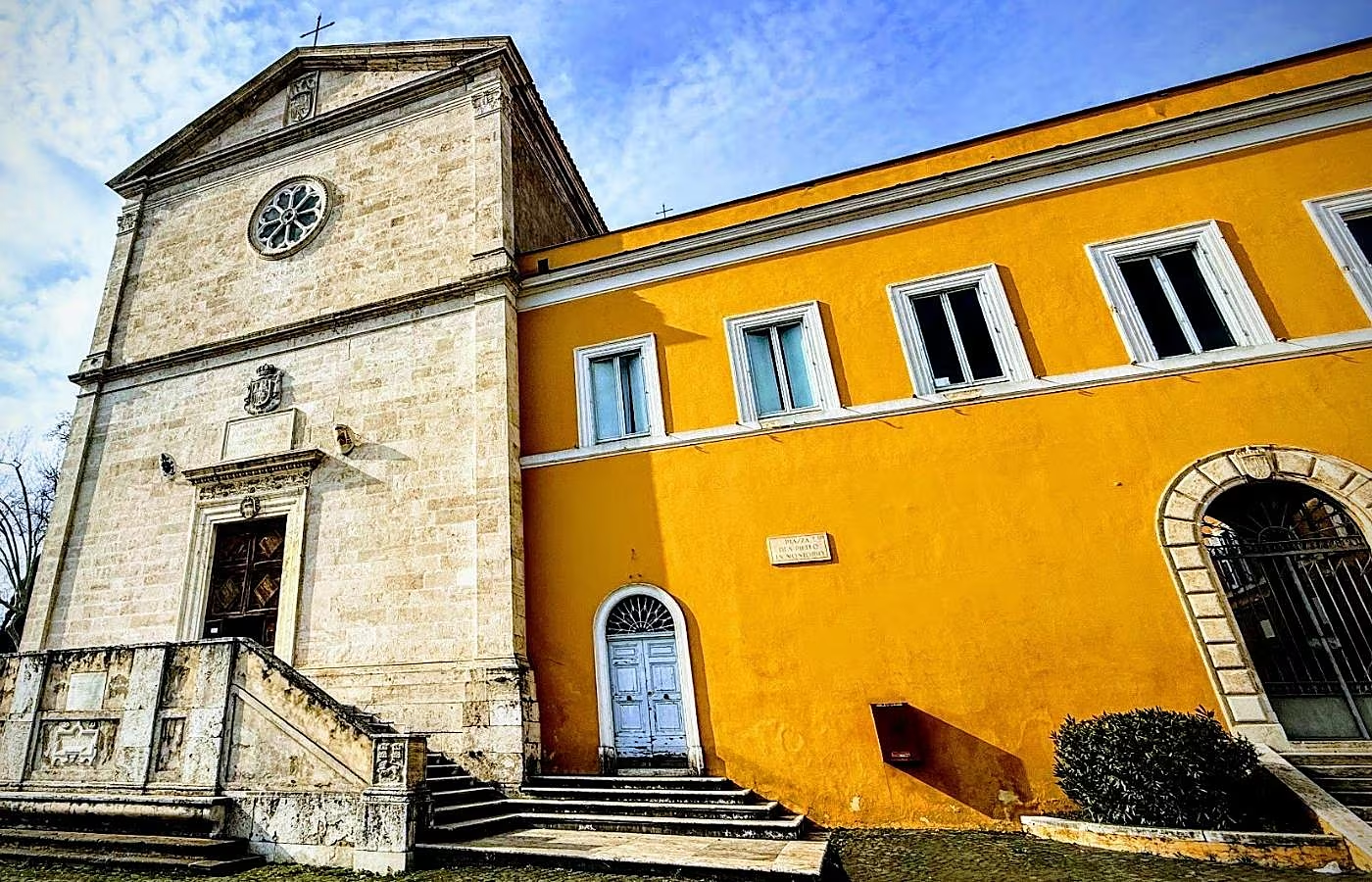
The view
Take a deep breath and mount multiple flights of steps to San Pietro in Montorio, a severely lovely church high on a hilltop above the Trastevere district. It is the final resting place of the two earls who sailed away from Ireland in 1609 in the Flight of the Earls, marking the end of the old Gaelic order. Buried here beneath the church floor are Hugh O’Neill, Earl of Tyrone, Rory O’Donnell, Earl of Tyrconnell, and members of their retinue. From the terrace outside there are sweeping, unobstructed views of historic Rome, well worth the climb.
The neighbourhood
Trastevere is Rome’s bohemian neighbourhood: a medieval labyrinth of hidden courtyards, archways, narrow alleys over which lean ochre-coloured buildings, and cobblestoned squares. It is impossible not to eat well here – the area is packed with family-run bakeries, pizzerias and restaurants serving no-nonsense, flavoursome peasant dishes. Delicious street food is also widely available: try a trapizzino, a triangular pizza dough pocket with a variety of filling.
Make your way to the Piazza di Santa Maria in Trastavere, a square bustling with outdoor cafés. But before placing your order, spare a few minutes to study the church from which the square draws its name. Famous for its glittering 12thcentury golden mosaics, its outside wall depicts a magnificent mosaic of the Virgin Mary breastfeeding the infant Jesus.
The Book
Finally, before, during or after a visit to the Eternal City, read Elizabeth Bowen’s A Time in Rome (Vintage Classics). Don’t think of it as a guidebook: this is an atmospheric, stream-of-consciousness, unpeeling of the city’s historical layers. The novelist shares her reflections on everything from vestal virgins to the Italian siesta. It doesn’t tell you where to go – but does convey a sense of the unexpected pleasures waiting around Rome’s corners for those willing to set aside their itinerary and just stroll out.
READ MORE: A Sparkling Launch of Five New Jewellery Collections.