Spain’s Crown Jewels: Discover the Country’s Most Beautiful Hidden Gems
By The Gloss
The Gloss in partnership with The Spanish Tourism Board in Ireland.
Spain’s royal heritage sites offer a fascinating journey into the country’s history …
For savvy travellers Spain’s Royal Heritage sites offer an opportunity to discover the people, architecture and traditions that helped shape modern Spain. Managed by Patrimonio Nacional, the Spanish National Heritage organisation, these are not simply grand buildings preserved behind velvet ropes; they are places that reveal how monarchs lived, governed, worshipped and shaped the landscapes around them. Art enthusiasts can admire historic paintings, tapestries, furniture and decorative craftsmanship. Architecture fans will discover everything from austere Renaissance design to exuberant Baroque interiors. Garden enthusiasts can wander through meticulously planned landscapes, while history lovers can trace the rise and fall of dynasties and the changing fortunes of the Spanish Empire. Many sites can be incorporated into day trips, making them accessible additions to any city break.
An ideal starting point is Madrid’s Royal Palace, overlooking the Campo del Moro, in the city’s charming historic centre. Built in the 18th century, the Palace houses more than 3,000 rooms, magnificent staircases, elaborate frescoes and sumptuous state apartments. Nearby is a trio of Royal Monasteries: La Encarnacion, a short distance from Plaza de Ópera and the Royal Monastery of Descalzas Reales, both architectural icons dating back to the Spanish Habsburg dynasty of the 16th and 17th centuries. The Royal Monastery of Santa Isabel showcases the work of royal architect Juan Gómez de Mora. For those interested in art history, another jewel in Madrid’s crown is the Hermitage of San Antonio de la Florida, adorned with frescoes by Francisco de Goya, where the famous artist was laid to rest.
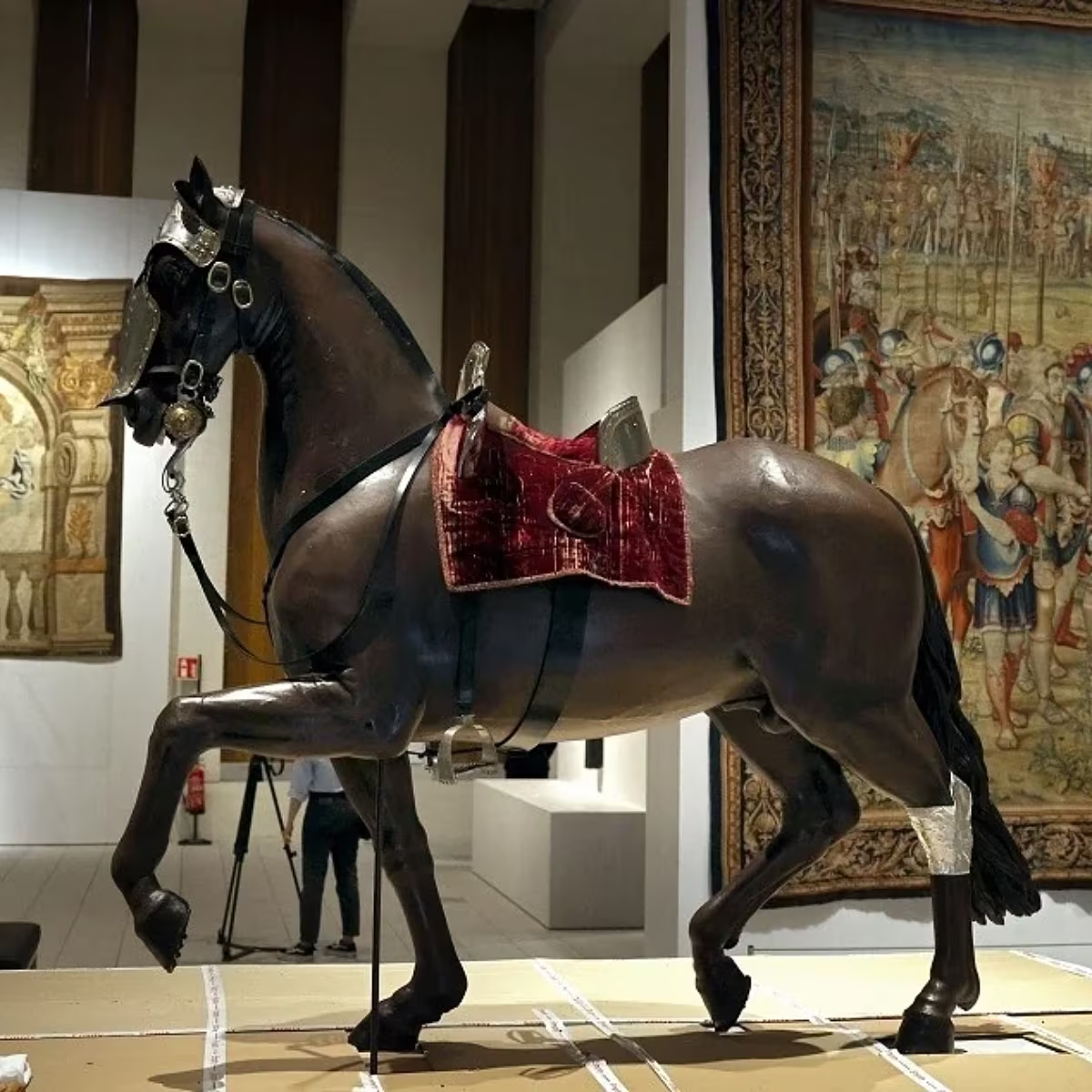
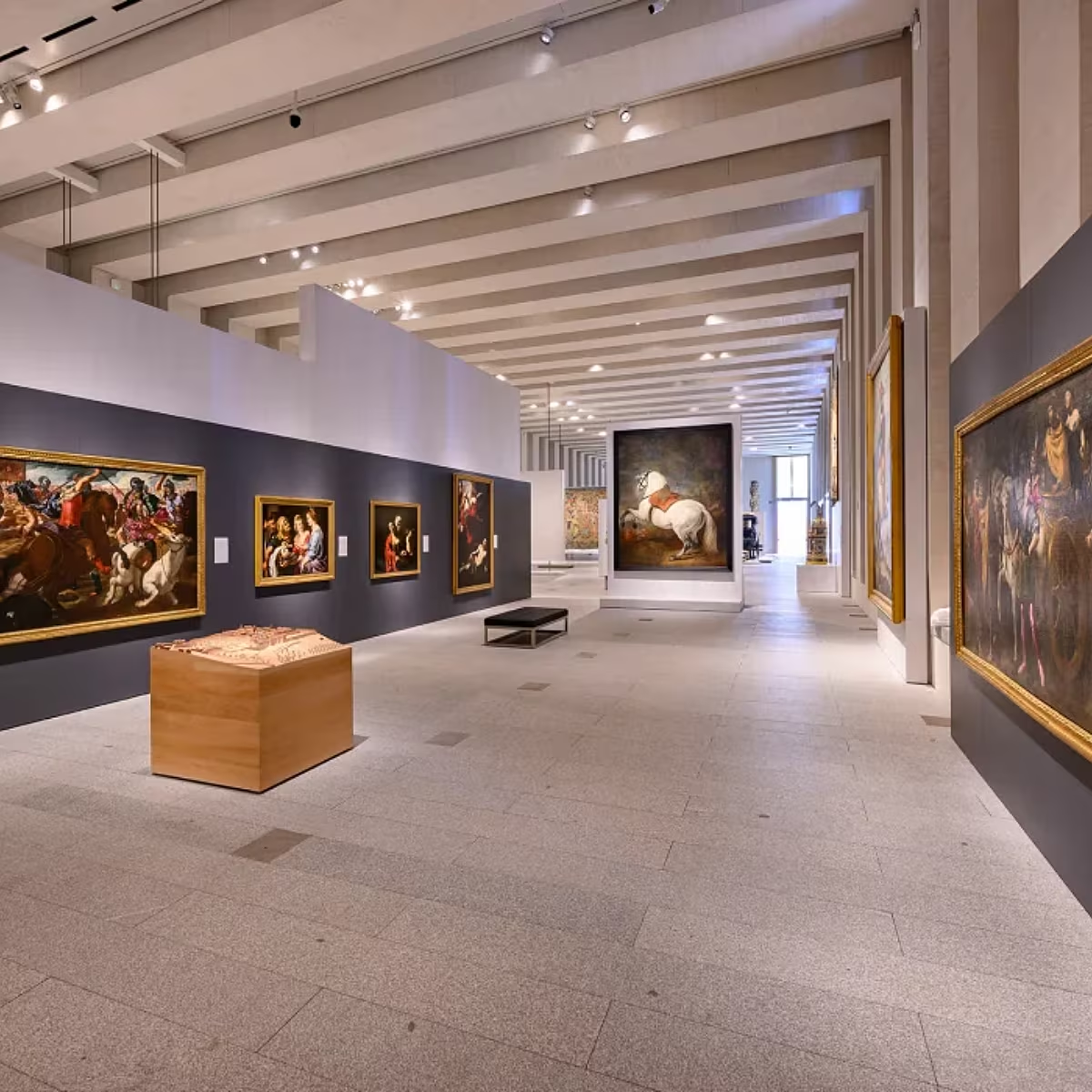
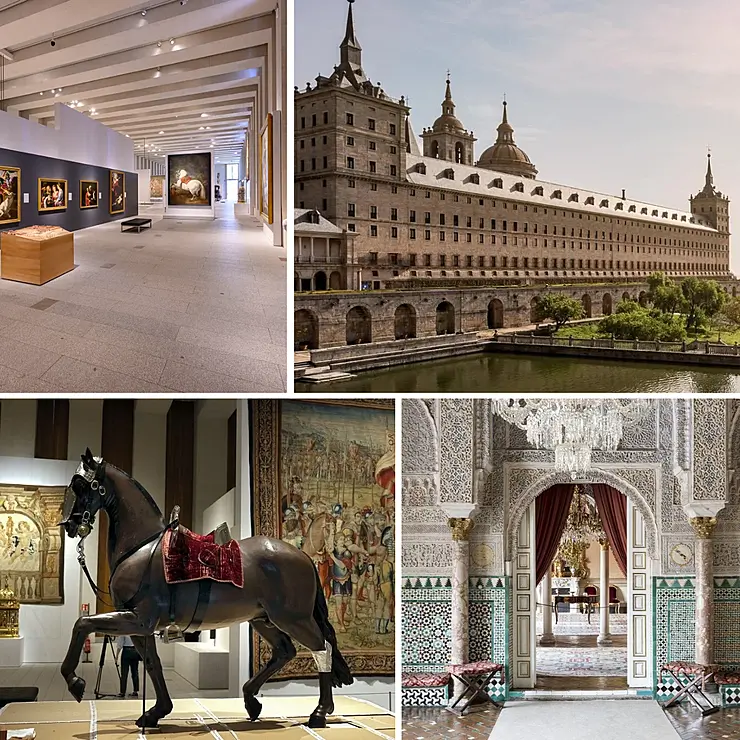
Don’t leave Madrid without visiting the Royal Collections Gallery, the city’s newest museum and a mecca for art lovers, which opened in 2023. It’s striking both inside and outside. With incomparable views over the city, the avant garde building was designed by architects Luis Mansilla and Emilio Tuñón and offers five centuries of history with over 700 items on display. The museum chronicles the art and patronage of the Spanish monarchy from the Catholic monarchs through to the Habsburg and Bourbon dynasties, bringing together luxurious items from 19 royal palaces and ten monasteries around Spain. These are displayed across three floors and include fans, clocks, tapestries, furniture, musical instruments and much more, juxtaposed with important paintings by all the greats including Caravaggio, Velazquez, Titian, El Greco and Goya. Unlike the Prado Museum, this is a very special gallery showing what successive kings and queens liked to collect. On the top floor is El Cubo, a cutting-edge immersive space that lets you wander through the Royal Heritage Sites and landscapes of the Patrimonio Nacional.
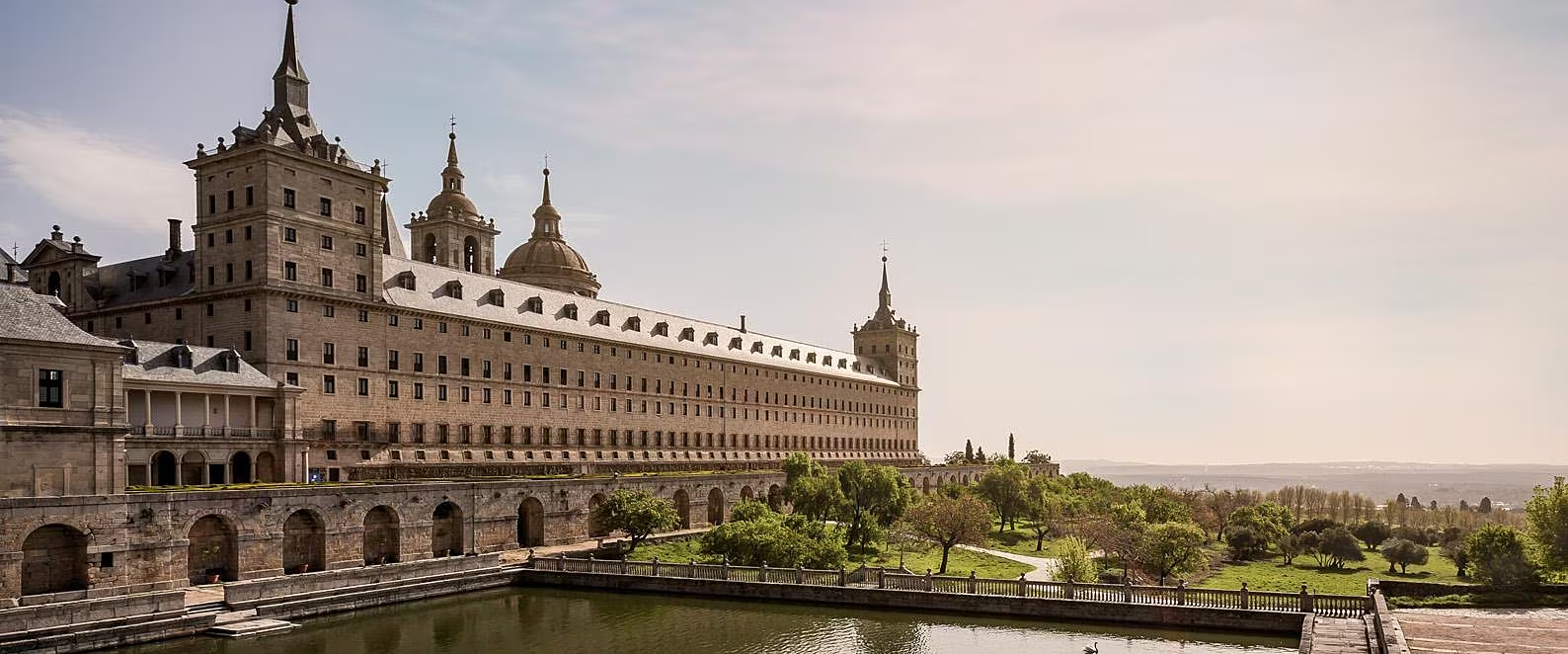
For a day trip from Madrid, take in the Royal Monastery of San Lorenzo de El Escorial, a UNESCO World Heritage Site. Commissioned by King Philip II in the 16th century, it served as a royal residence, monastery, library, basilica and royal burial place. Its austere architecture, by Juan Herrera, contrasts with the extravagance of many European palaces, reflecting Philip II’s deeply religious outlook.
Also recommended is the Royal Palace of Aranjuez, another UNESCO site, traditionally used as the country residence of Spanish monarchs, where it’s easy to spend an afternoon. This elegant palace is surrounded by extensive gardens, fountains, tree-lined avenues and carefully designed landscapes. Of note is its fascinating Porcelain Cabinet, Hall of Mirrors, and the Royal Barge Museum, which exhibits an impressive collection of royal barges.
If visiting Segovia, La Granja de San Ildefonso Palace is renowned for its Versailles-inspired architecture and formal gardens, commissioned by King Philip V in 18th century. The gardens are the real showstopper with elaborate fountains, mythological sculptures, geometrically arranged flowerbeds and wooded avenues all creating a theatrical landscape.
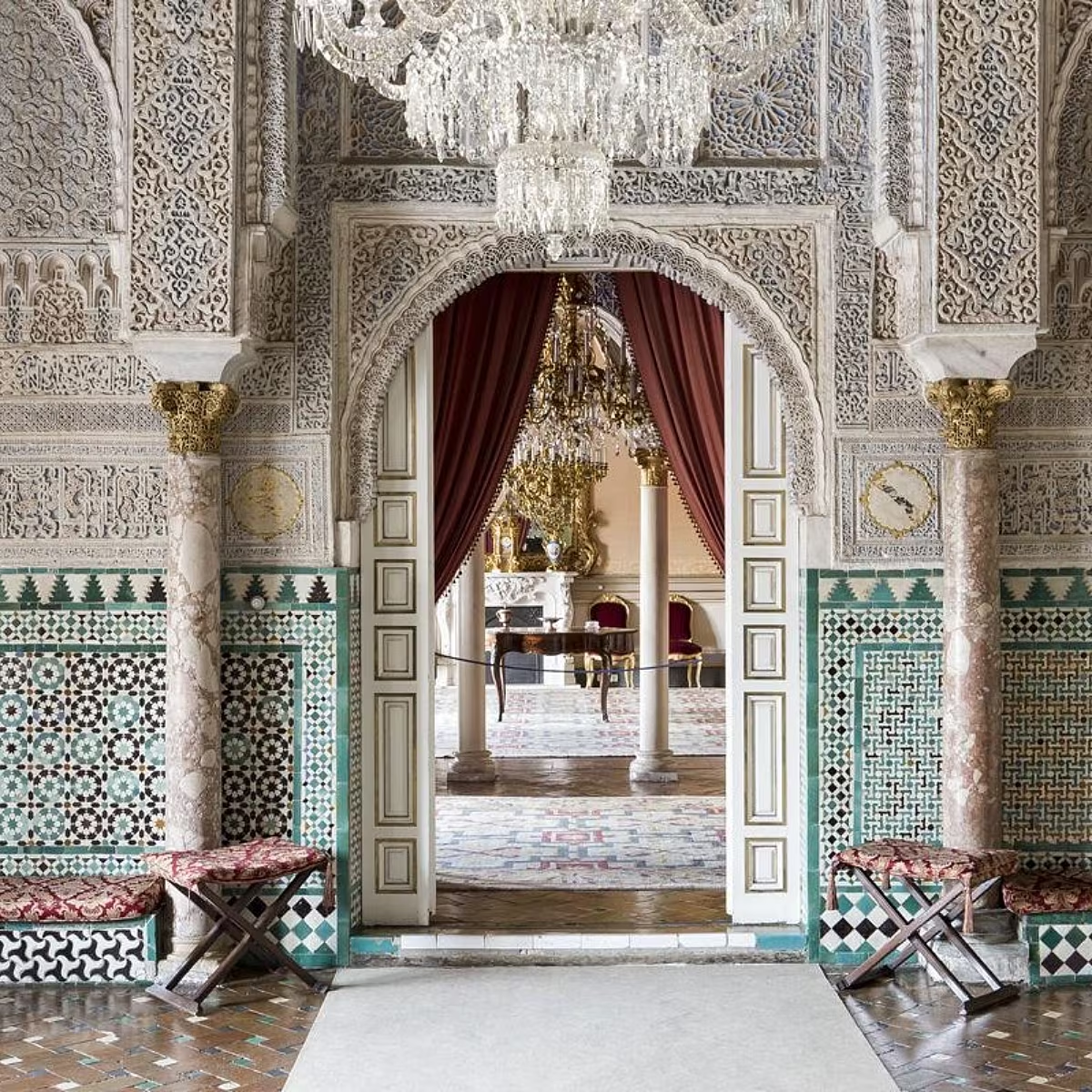
If walking the Camino de Santiago, stop off at Huelgas del Rey, in Burgos, where you’ll find the Monastery of Santa María la Real de las Huelgas, founded in 1187, with the Museum of Medieval Fabrics, one of its main attractions. And if taking an autumn break in Seville, make time to see the Cuarto Alto, which combines Nasrid, Toledo, Caliphate and Almohad architecture. It’s the official residence of King Felipe and Queen Letizia when they visit the city. This offers more than a glimpse of regal luxury. Like other Royal Heritage sites, this remarkable destination invites you to discover a richer, more unexpected side of Spain. The greatest reward is leaving with a deeper understanding of the country – and the feeling that, for a few hours, you have stepped into another world.
READ MORE: Travel Notes: Indulgent Stays In The Lake District