



Go beneath the surface …
There is something intangible and yet incredibly exciting about a new year. A wave of fresh energy that takes us forward and gives us a mental boost, whispering that everything is possible. Wipe the slate clean and start again. In the wine world, slate is not something to erase but something enduring that writes its own chapter, one vintage after another. It stores the warmth of the day, releases it back at night, and challenges roots to dig deeper, promoting strength and resilience.
So, the story I would like to tell begins beneath the surface. Wines produced from grapes grown on slate soils speak in a very unique tone. Sommeliers often talk about “minerality,” a term that sparks no shortage of debate among professionals. Minerality is a sensation rather than a flavour, something that can remind us of wet stones after summer rain, the crystalline freshness of a mountain stream, the powdery thrill of licking a piece of chalk as a child, or even the dark, gritty edge of volcanic rock.
It is intangible, emotional, and hotly discussed. A bit like faith: some believe in it wholeheartedly, others deny it exists. Yet some of the best tasters in the world can tell, in a single sip, exactly what kind of soil a wine has sprung from.
For advocates of minerality, wines originating from a slate terroir are perceived as sleek, precise and vibrant.
The most acclaimed of these terroirs is the Mosel region of Germany. Its name comes from the Mosel River, which carves dramatic S-curves between Trier and Koblenz. Riesling grown on these dizzyingly steep slopes achieves a unique finesse, class and energy. The combination of vertiginous vineyards, cool climate and slate soils results in some of the most complex, refined and age-worthy white wines on the planet.
In the Mosel, slate appears in four main hues: blue, grey, brown and red. About 50 per cent of the vineyard sites are planted on dark blue Devonian slate. These soils drain water efficiently and store warmth, releasing heat back to the vines during chilly nights. That natural regulation plays a crucial role in such a cool region. Rieslings from blue slate tend to be elegant, linear and focused, with distinctive flinty aromas.
Grey slate gives wines an extra stone fruit generosity punctuated by herbal nuances while still retaining thrilling energy. Red slate is the rarest expression, most famously found in the vineyards of Ürzig, resulting in powerful, spicy, even exotic wines that have remarkable ageing potential.
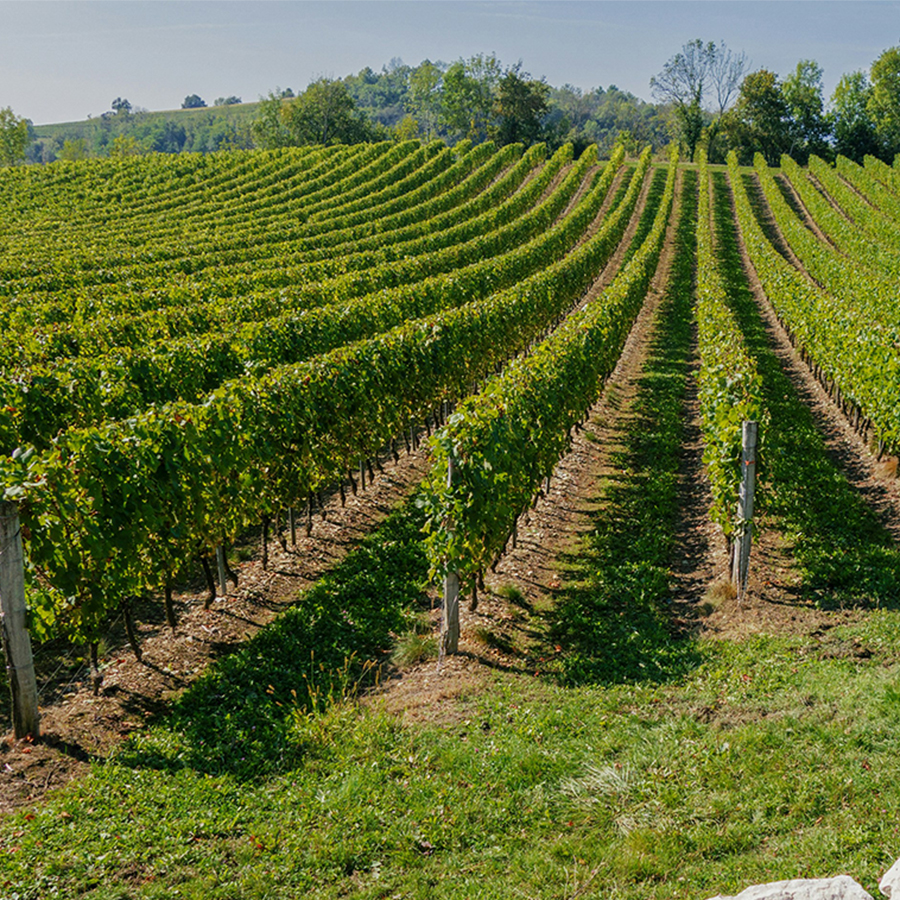
In the region of Priorat, in Catalonia, slate takes a darker shade of grey and is locally called “llicorella”. The landscape is fiercely dramatic, with vineyards carved into “costers” – the Catalan word for steep slopes – so steep that terraces are often the only way to make viticulture possible.
Just as we begin the year with a clean slate, these vineyards begin anew each season, rewriting their history one vintage at a time.
Long known for its powerful, structured, Garnacha and Cariñena-based red wines that express the dark side of slate with a graphite-like character, Priorat is now also producing world class whites that reveal the mineral soul of this rock with remarkable clarity. Priorat is a region that steals your breath, a wild mosaic of slate and vines with rugged charm, and whose wines captivate the palate with the same intensity that the landscape captures the eye.
Further west, and still in Spain, on the border between Castilla y León and Galicia, lie three wine regions deeply shaped by slate: Bierzo, Ribeira Sacra, and Valdeorras. All three share dramatic landscapes of steep slopes, terraced vineyards, and poor, stony soils where the vines must fight to survive – and, in doing so, produce wines of remarkable depth and energy. In Valdeorras, the dominant soil is locally called “lousa” – a term referring to decomposed slate. Interestingly, the region is also Spain’s largest supplier of roofing slate, exporting throughout Europe.
Across this north western trio, two native grape varieties are reaching star quality: Godello and Mencía. Godello shares several stylistic traits with Chardonnay: fine acidity, restrained aromatics, generous texture on the palate, and an affinity for oak maturation. Mencía, meanwhile, produces wine with haunting perfume and elegance, balanced by racy acidity, firm yet silky tannins, and a deep, pencil lead mineral core.
Slate’s influence stretches far beyond Europe. It is found in vineyards in all four corners of the world: from the Polish Hill River vineyards of South Australia to Aconcagua in Chile, from the Cederberg Mountains in South Africa to the Hua Hin Hills in Thailand – each terroir tells a different chapter of this mineral story.
Wherever it lies, slate connects the vines to the patient work of time. It reminds us that beauty often comes from struggle – from roots that dig deeper, from tension that transforms into harmony. @julie_dupouy
SLEEK AND VIBRANT BOTTLES
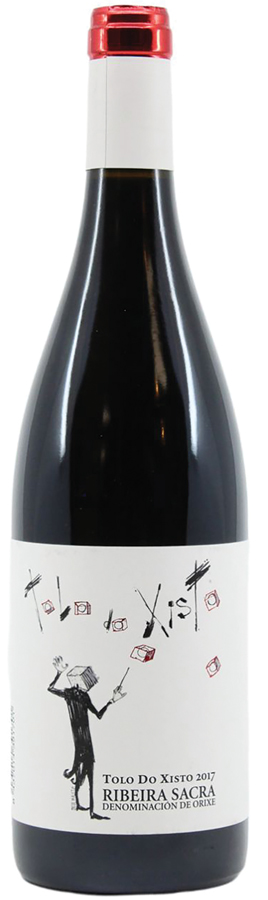
Ribera Sacra, Tolo do Xisto, Ribeira Sacra, Spain, €23.99; www.obrienswine.ie.
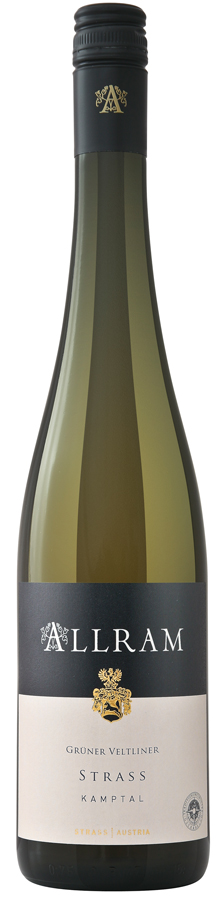
Grüner Veltliner “Strass”, Allram, Kamptal, Austria, €27.95; www.baggotstreet.wines.com.
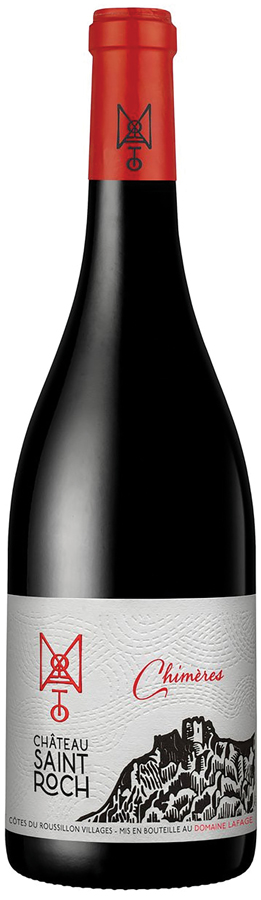
Côtes du Roussillon Villages “Chimères”, Château Saint Roch, France, €175; www.wineonline.ie.
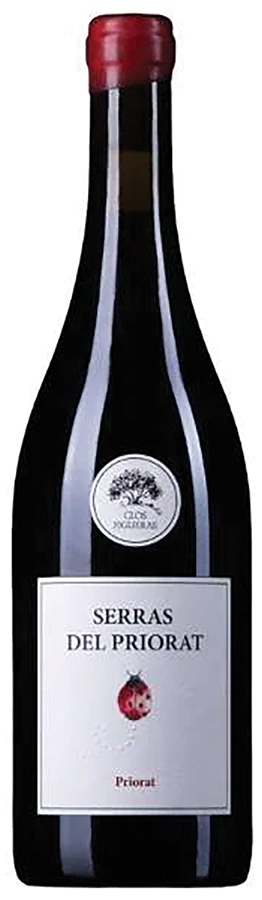
Priorat, Serras del Priorat, Clos Figueras, Spain, €28; www.clontarfwines.ie.
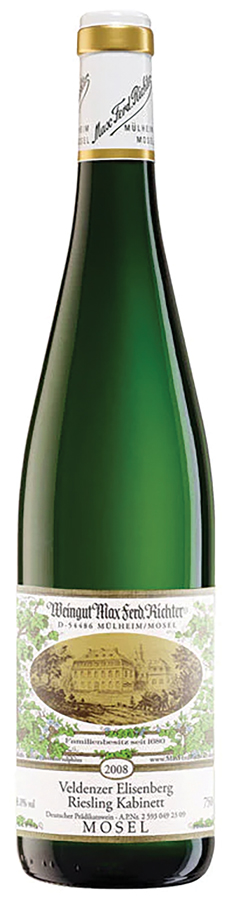
Riesling Veldenzer Elisenberger, Kabinett, Max Ferd, Richter, Mosel, Germany, €29; www.64wine.ie.
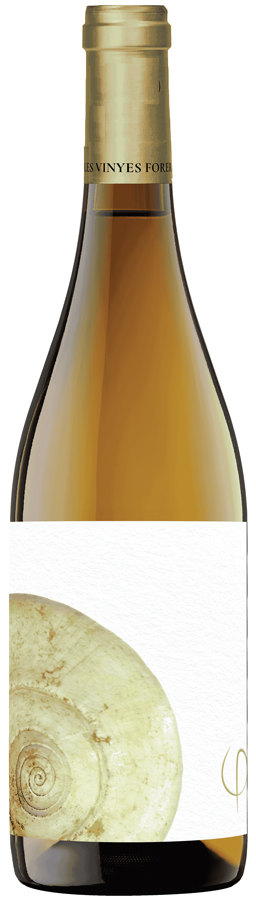
Priorat Blanco, Bellesa Perfecta, Les Vinyes Forer Massard, Spain, €38; www.baggotstreetwines.com.