

One of the 20th century’s most innovative fashion designers …
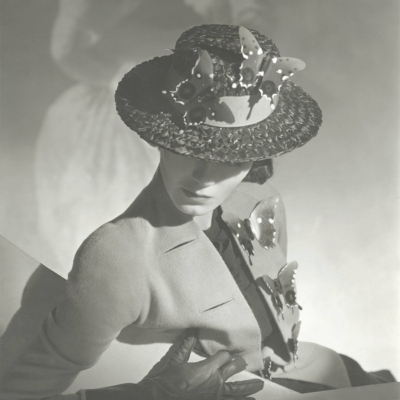
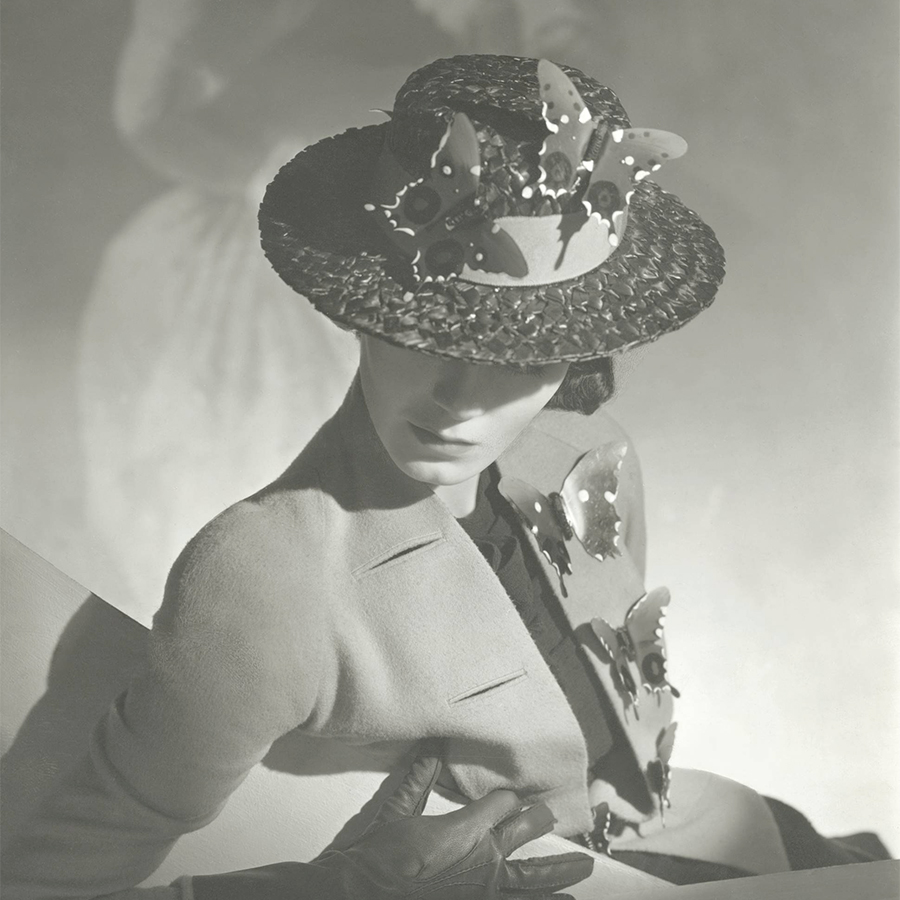
In 1936, Elsa Schiaparelli designed a Desk Suit, featuring a series of true and false pockets embroidered to look like desk drawers and buttons for knobs. It was typical of her witty approach to fashion. Designing was an art and her Desk Suit was based on drawings by Surrealist artist, Salvador Dali entitled “City of Drawers” and “Venus de Milo of Drawers”. Surrealism thrived in fashion during the 1930s; Elsa Schiaparelli was a key figure in the movement creating smart, sophisticated clothes that took the fashion world by storm.
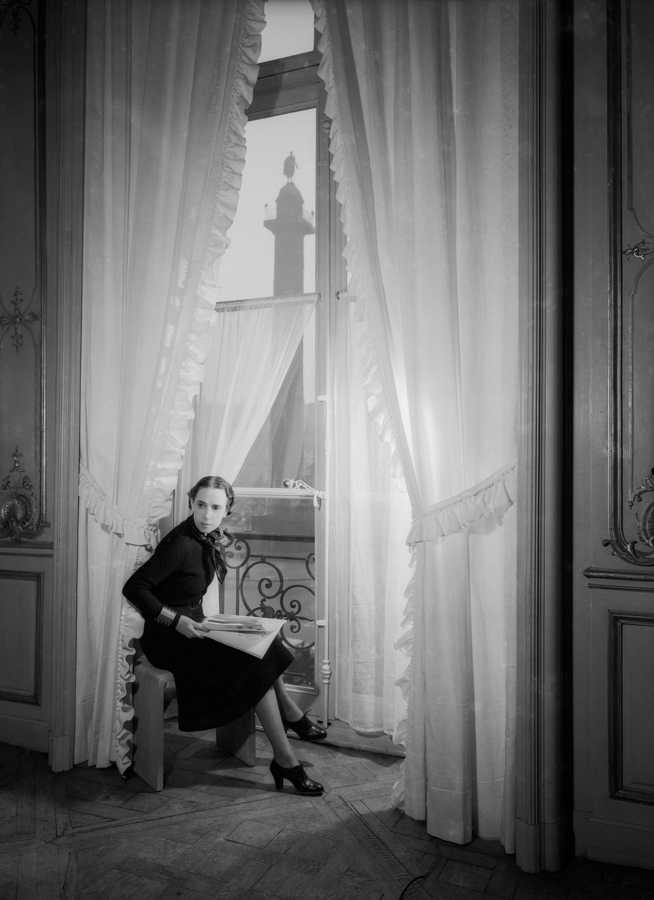
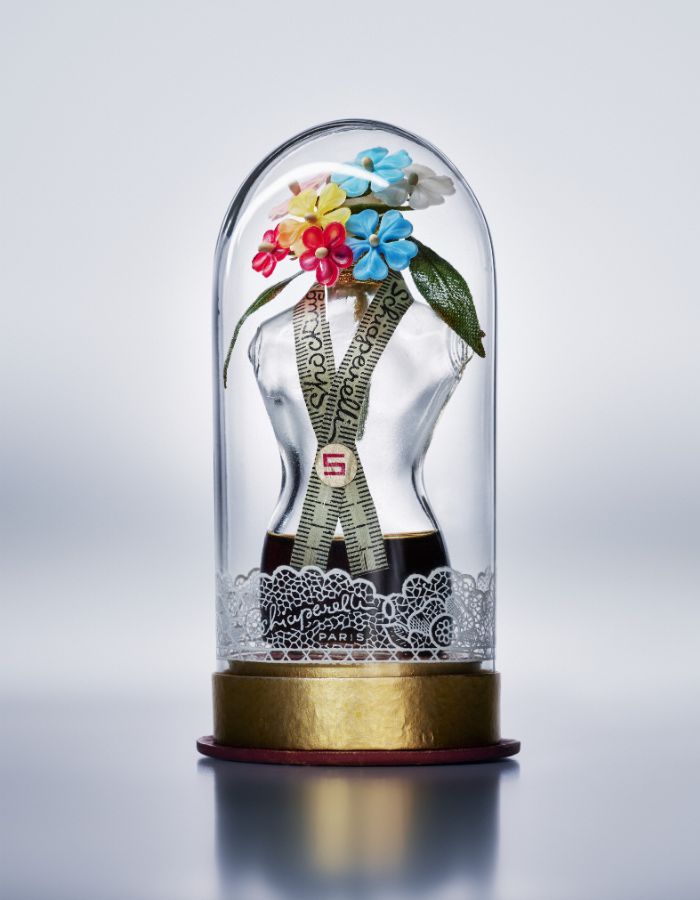
While her atelier at 21 Place Vendôme was and still is an iconic address, it’s interesting to note that Schiaparelli was considered an outsider in Paris. Born in Rome to an aristocratic family, she had a peripatetic life living in England, the south of France and the US. This international lifestyle exposed her to the arts as she studied philosophy at the University of Rome and published a book of poetry, Arethusa, before venturing into fashion. Self-taught, the designer Paul Poiret was an influence – some of her first successes were trompe l’oeil bow sweaters, fur scarves and a unisex perfume called S – the first of many successful fragrances. Most notable was Shocking, in a flacon resembling Mae West’s silhouette, and Snuff for men, in a Rene Magritte-inspired pipe-shaped bottle.
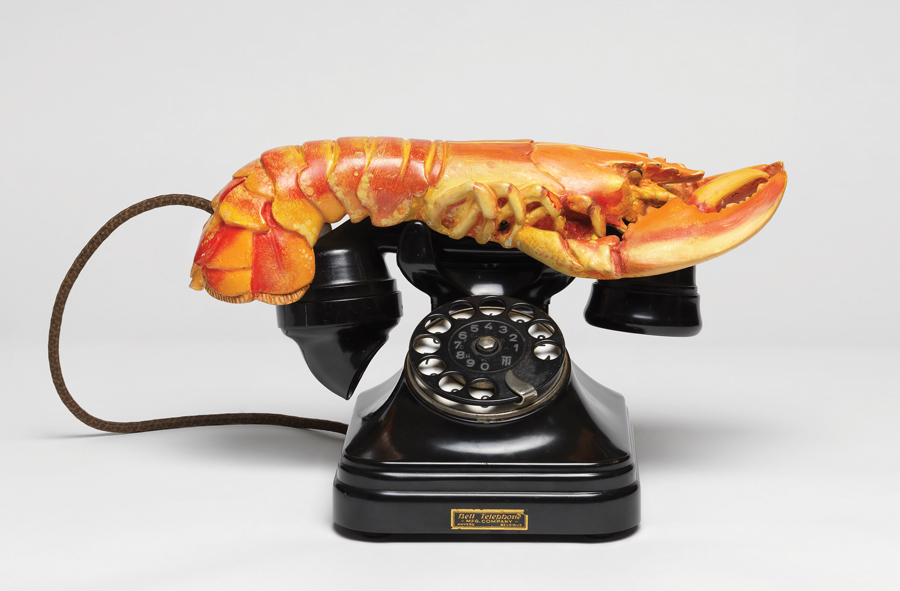
She commissioned artists such as Jean Cocteau, Christian Berard, Man Ray, Pablo Picasso, and Salvador Dali to design fabrics and embroideries for her – many of which can be seen at a new exhibition at London’s V&A Museum. “Schiaparelli: Fashion Becomes Art” is the latest in the V&A’s series of blockbuster fashion exhibitions, which have included Gabrielle Chanel: Fashion Manifesto; Christian Dior: Designer of Dreams; Alexander McQueen: Savage Beauty and The Glamour of Italian Fashion: 1945-2014.
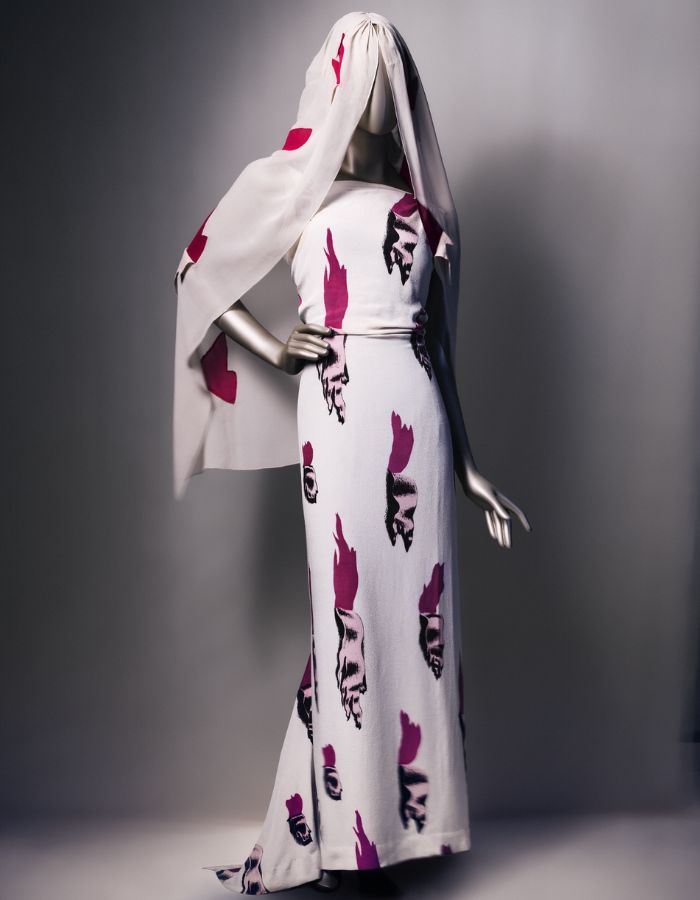
Curated by Sonnet Stanfill, Lydia Caston and Rosalind McKever, the exhibition charts the history and impact of Elsa Schiaparelli via 200 items of jewellery, paintings, photographs, sculpture, furniture and archive material. Included are some of Schiaparelli’s most radical designs – the ‘Skeleton’ and ‘Tears’ dresses, along with a hat shaped to look like an upside-down shoe, all conceived in collaboration with Salvador Dali. Creating during the interwar years, Schiaparelli was true to her belief, “In difficult times, fashion is always outrageous.”
The exhibition references the popularity of Schiaparelli’s designs for film and theatre productions, and documents her famous clients including Wallis Simpson who ordered many pieces for her trousseau. More importantly, it will show Schiaparelli as a dynamic female entrepreneur and spotlight the London branch of Schiaparelli, and its independent clients.
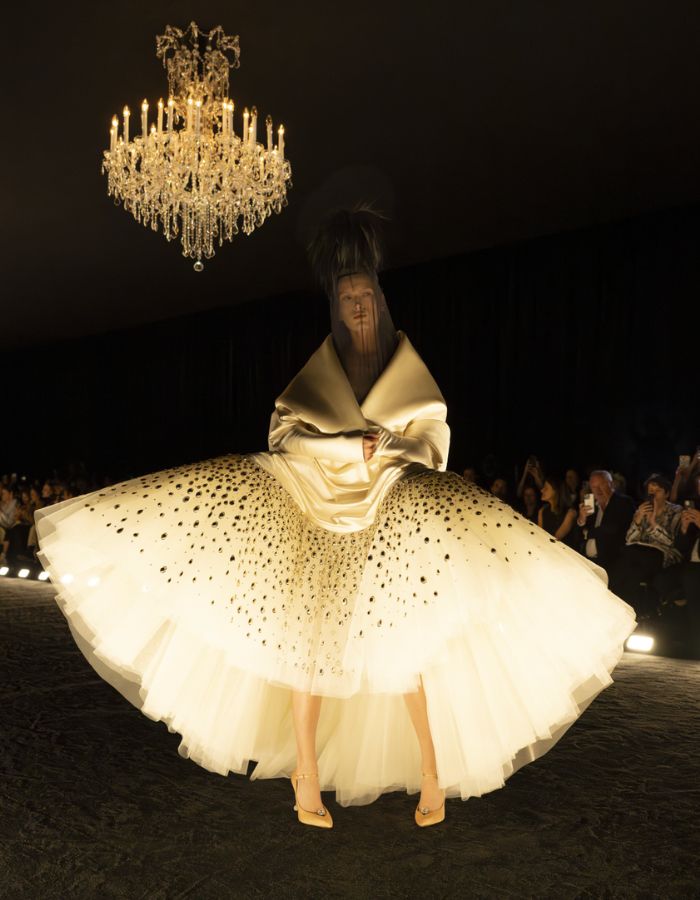
There’s a clear link between Schiaparelli’s famous collections and those of the house’s current creative director Daniel Roseberry who took on the role in 2019. His collections continue to shape, shock and inspire. The starting point of his SS26 Couture collection was a visit to the Sistine Chapel in Rome, entitled The Agony and The Ecstasy. It nods to Elsa Schiaparelli’s well known fascination with animals, birds and fish.
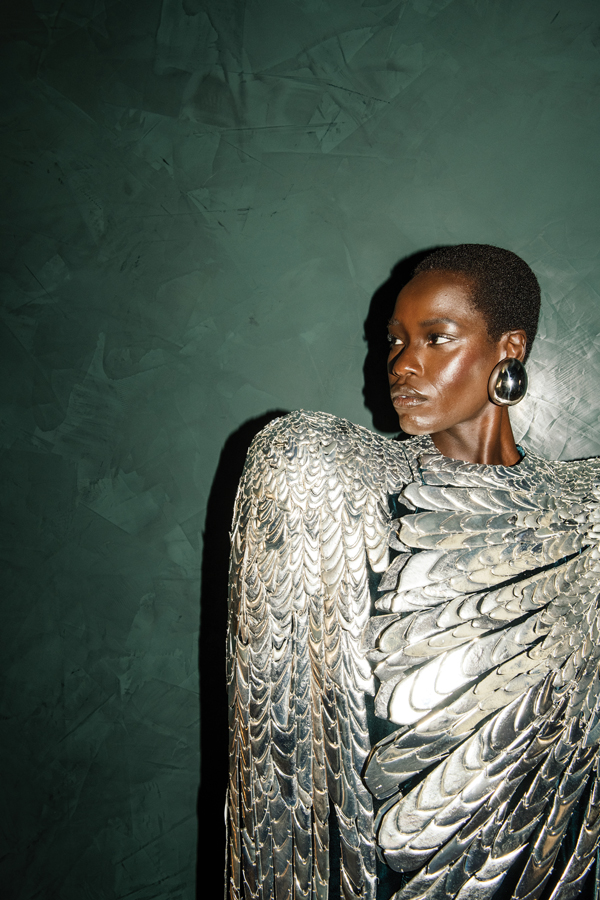
Of the exhibition, Delphine Bellini, CEO of Schiaparelli, says: “Elsa Schiaparelli’s fearless imagination and radical vision redefined the boundaries between fashion and art. This exhibition elebrates her enduring influence through iconic collaborations with 20th-century masters, and a pioneering fusion of creativity and commerce. With its unparalleled collections, expertise in fashion and design, cultural reach, and ability to bridge tradition and innovation, the Victoria and Albert Museum offers the perfect setting to showcase her legacy alongside Daniel Roseberry’s creations, which carry her surrealist spirit forward blurring lines with bold, sculptural designs that both honour and reinvent her vision for a new century.”
Need to know: The exhibition runs from March 28 to November.