What To Look For When Buying Quality Firewood?
By The Gloss
IN PARTNERSHIP WITH ONE STOP FUEL
Six top tips to choose quality firewood …
When buying firewood, it’s easy to get ripped off as sellers take advantage of new buyers by selling them poor-quality wood that burns badly. Whether you’re buying wood for your chiminea, stove or fire pit, you need to know how to identify quality wood. Moisture content, colour, wood species and storage conditions all impact how well the wood will burn.
Check The Moisture Content
Well-seasoned firewood, like the wood available at OneStopFuel, comes with a low moisture percentage. You shouldn’t buy firewood that has a moisture content above 20 per cent. Dry wood is perfect for burning as it creates minimal smoke, ignites easily and burns efficiently. Well-seasoned wood uses almost all of its energy to create a warm, even heat. Freshly cut or otherwise damp wood, on the other hand, is inefficient as it wastes energy evaporating water before it can create heat. It also creates excessive smoke and contributes to creosote build-up inside chimneys.
Use A Wood Moisture Meter
If you’re unsure of the wood’s moisture levels, you can use a wood moisture meter to test for yourself. These handheld devices can measure the total water content of the wood relative to its size and weight. When buying firewood, you could use a pin-type meter. These devices come with two sharp pins that can be inserted directly into the wood. The current flowing between the pins calculates the moisture content.
Choose The Correct Wood Species
Different types of wood create different types of heat. To start a fire, you need good softwood such as pine, spruce or fir. These woods ignite and burn quickly, so they’re not appropriate for long fires as they burn fast and require regular refueling. Hardwoods, on the other hand, burn slowly and create more consistent heat. Ideally, you should buy oak, maple, hickory, ash or beech wood. Overall, understanding the differences between hard and soft woods will help you buy correctly.
Inspect The Firewood’s Appearance
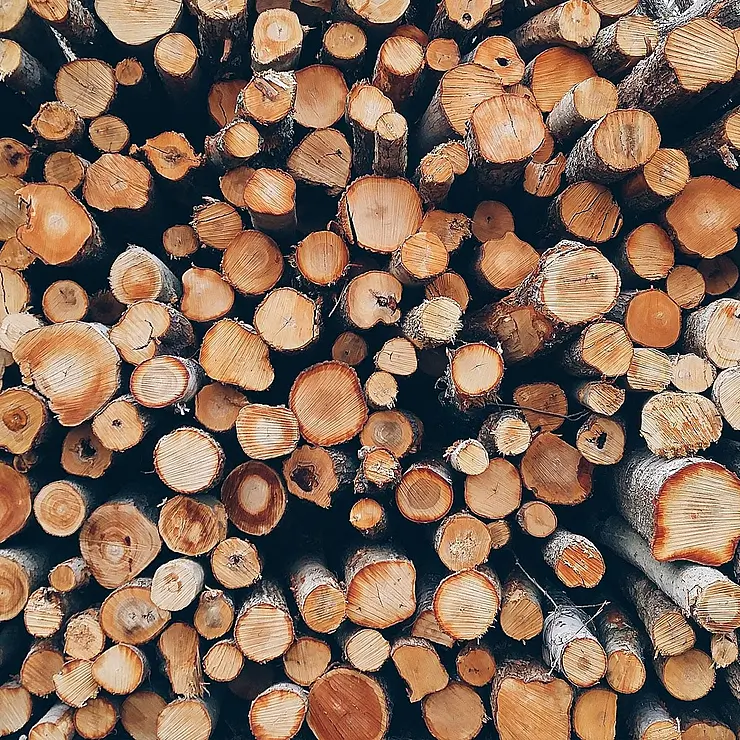
The wood you buy should be a dull grey or brown colour as it suggests that the wood has been properly seasoned and dried out. In addition to the colour, well-seasoned wood also has visible cracks and loose or peeling bark. If the wood doesn’t have any of these visual clues, you shouldn’t buy it. At the same time, you should avoid buying any wood that has obvious signs of mould, fungus, excessive moisture or insect infestations. These aspects can impact burning performance massively.
Inspect The Firewood’s Weight
On top of being a dull grey colour, the perfect firewood should also be light. If the wood has been well-seasoned, around 80 per cent of the internal water will have evaporated. This means that seasoned firewood is noticeably lighter than freshly cut, unseasoned firewood. You could go a step further by knocking two pieces of firewood together. Dry, ready-to-burn wood will produce a sharp and hollow sound. Wet wood, on the other hand, will make a dull thud.
Buy From A Reputable Seller
The best thing you can do is to buy wood from a trustworthy source. Sellers want to secure long-term customers rather than one-time purchasers. They want to sell you the best-quality wood they’ve got, so they’ll be upfront with you about wood moisture levels, seasoning practices and storage facilities. To select a reputable buyer, read customer reviews beforehand. Be sure to ask the seller plenty of questions when you visit the store in person and base your purchasing decision based on their answers.