
Success – and the idea of being empowered to succeed – can mean different things to different people. Here, we turn to some of fashion’s most powerful women to see what drives them …
The idea of being empowered by clothing is not a new one. In fact, you could argue we live in the most democratised moment of fashion right now: it’s no longer about following a trend didactically, it’s about wearing clothes that make you feel your best self. “Women are no longer interested in rules – they want to wear what they love and what makes them feel great,” Michael Kors said recently to British Vogue. Kors is referring to the sea change in the industry right now, a new sense of empowerment that models like Emily Ratijowski and Precious Lee are leaning into. But what about the people – precisely, the women – who make these clothes: what makes them feel empowered?
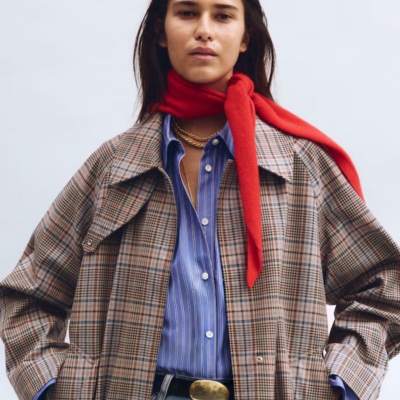
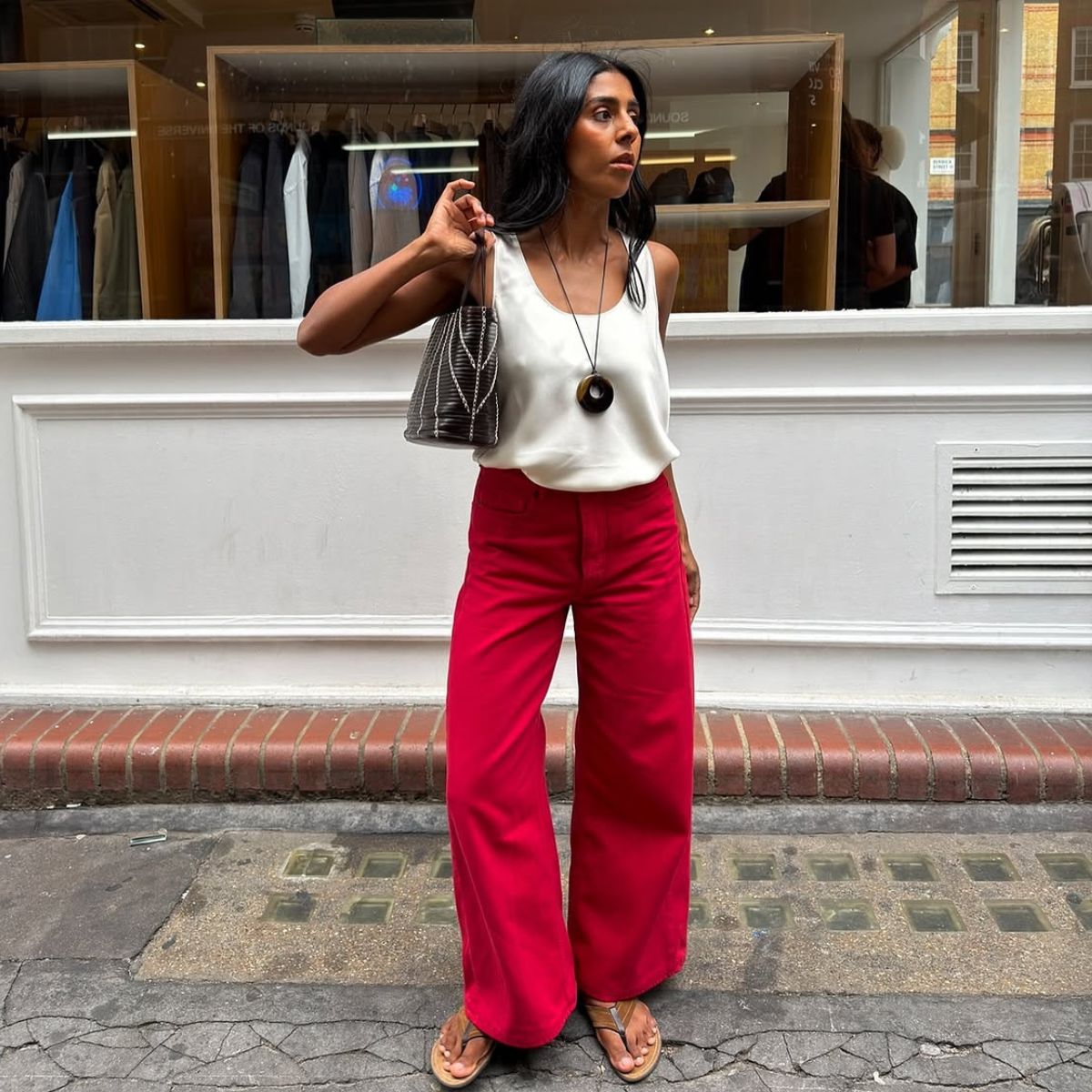
For Australian designer Kym Ellery a feeling of success and affecting change came from designing the kind of clothing she wished to see herself in the industry. It was, essentially, a merging of practicality and polish. “There are so many expectations on us as women today so I want to empower them to feel good but also be comfortable enough to get done what they need to get done,” she told Harper’s Bazaar.
Dublin-born Simone Rocha sees success as the ability to be authentic. “When I’m designing, it has to mean something to me, otherwise, it’s just clothes,” she says. Rocha describes the joy of her work as the moment “when things come together, and it means something so personal to me – that, and sharing all the highs and lows with my loved ones”.
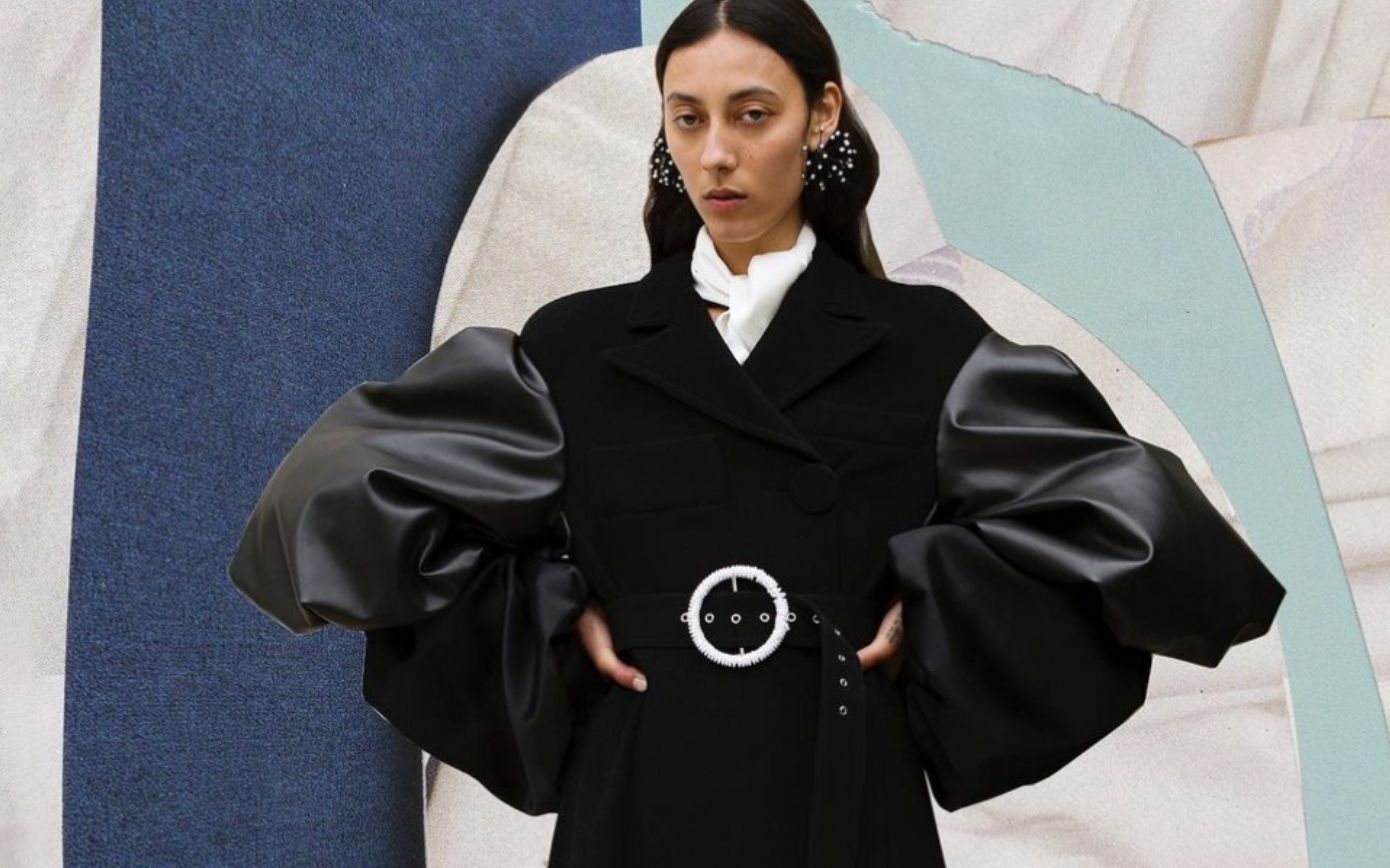
Main image: Instagram @elleryland.
There are so many expectations on us as women today so I want to empower them to feel good but also be comfortable enough to get done what they need to get done.
Sometimes success is about giving yourself the go ahead to pause – to take stock. Molly Goddard, whose frothy tulle dresses gained an entirely new level of success when worn by Jodie Comer as the female assassin Villanelle in the hit show Killing Eve, sees this in herself. “I never have time to stop, look back and think ‘wow’. But sometimes I look around and see everyone here doing something with their hands, bright colours everywhere – that makes me so happy. And I’m desperate for those days, just making clothes.”
Miuccia Prada has always been reticent about celebrating her phenomenal success but in 2012, on the eve of a major exhibition celebrating her work alongside that of Elsa Schiaparelli at the Metropolitan Museum of Art Costume Institute, she said: “Now I’m comfortable because I see that my work is an instrument for so many other things and that people love fashion in general. It’s a popular medium. So through the brand – through being known because of the clothes – I can do things that I couldn’t do otherwise.”
Often, it’s about a fearlessness – the ability to go after what you want and to enjoy it. Lauded fashion designer Diane Von Furstenberg credits her fearlessness to her Greek Jewish mother, who survived the concentration camps at Auschwitz. “I believe that fear is not an option, so I always try to face it and not be afraid,” she asserts.
“That’s really who I am. I think it had to do with the fact that my mother was in the camps. I think it must. And my children are like that, and my grandchildren are like that. So I think that it’s probably a little bit in our genes, and then certainly in our education.” Undoubtedly, it’s her recipe for success. In 2012, the designer, who is worth more than $1 billion, was the highest ranked woman in fashion on the Forbes 100 Most Powerful Women list.
Standing in your own power is often about facing your own personal demons, too. When Donatella Versace took the reigns at her brother’s business after his death, the task was loaded with painful memories. Brimming with talent, wit and determination, Donatella found the courage to grant Versace an indestructible legacy.
“At the beginning, after my brother’s terrible death, all the iconography was like a sanctuary, so special, it felt untouchable, I had to find my own voice. It was only after his death that I realised how difficult the job was. With him it had been exciting and easy but all of a sudden it was completely different. You also have to remember that it was the end of the 1990s … We all moved away from the bling we were famous for – it was too sexy, not in line with the general mood – but now, certainly in 2012, it’s back. People are having fun with fashion again, so I had to find the courage to look at the past in a new perspective. Suddenly when I looked at his last collection, of 1997, I started not to be afraid any more.”
Sometimes, most fittingly, success is about changing the way you see yourself. This was the case for supermodel Amber Valletta, who opened up to British Vogue about how her perspective altered when she had children. Her body ceased being a commodity, and instead was a thing of power.
“Everything changed when my son was born,” Valletta says. “My awareness of my body completely transformed – my body that created and nourished this person. And then, through the process of ageing that awareness has transformed again and again. Sometimes, yeah, it’s me looking at younger models on sets and reslising, ‘Oh my god, I’m old. My skin!” But it’s also understanding: this is the one body I get on this journey; it’s been with me the whole time. My body is my life.”
LOVETHEGLOSS.IE?
Sign up to our MAILING LIST now for a roundup of the latest fashion, beauty, interiors and entertaining news from THE GLOSS MAGAZINE’s daily dispatches.