



Julie Dupouy thinks the next big thing in fashion could be Austrian wines …
Where exactly does Austria sit in the ranking of wine-producing countries in your mind? I would expect this answer to vary greatly from person to person and understandably so. For anyone reluctant to consider Austria as a top-tier nation for wine production, you may very well be missing out on some of the most reliable and best quality-for-price wines in Europe.
Sadly, the Austrian wine trade had some very dark days in the 1980s after the brief but catastrophic “anti-freeze” scandal. Diethylene glycol, an ingredient used in the production of anti-freeze, was found to have been added by some unscrupulous wine producers to their dessert wines to add sweetness and body. Overnight, the Austrian wine market collapsed, and it took more than 15 years to earn back the trust and respect that the rest of their wines deserved.
From only 45,000 hectares – about one third of the size of the production area of Bordeaux – Austrian vintners are crafting some unique, terroir-driven wines, ranging from dry to sweet, expressing their craft through a multitude of grape varieties.
The country is divided into four main wine regions: Lower Austria, Vienna – which is the only capital city in the world to have its own commercial vineyards – Burgenland and Styria.
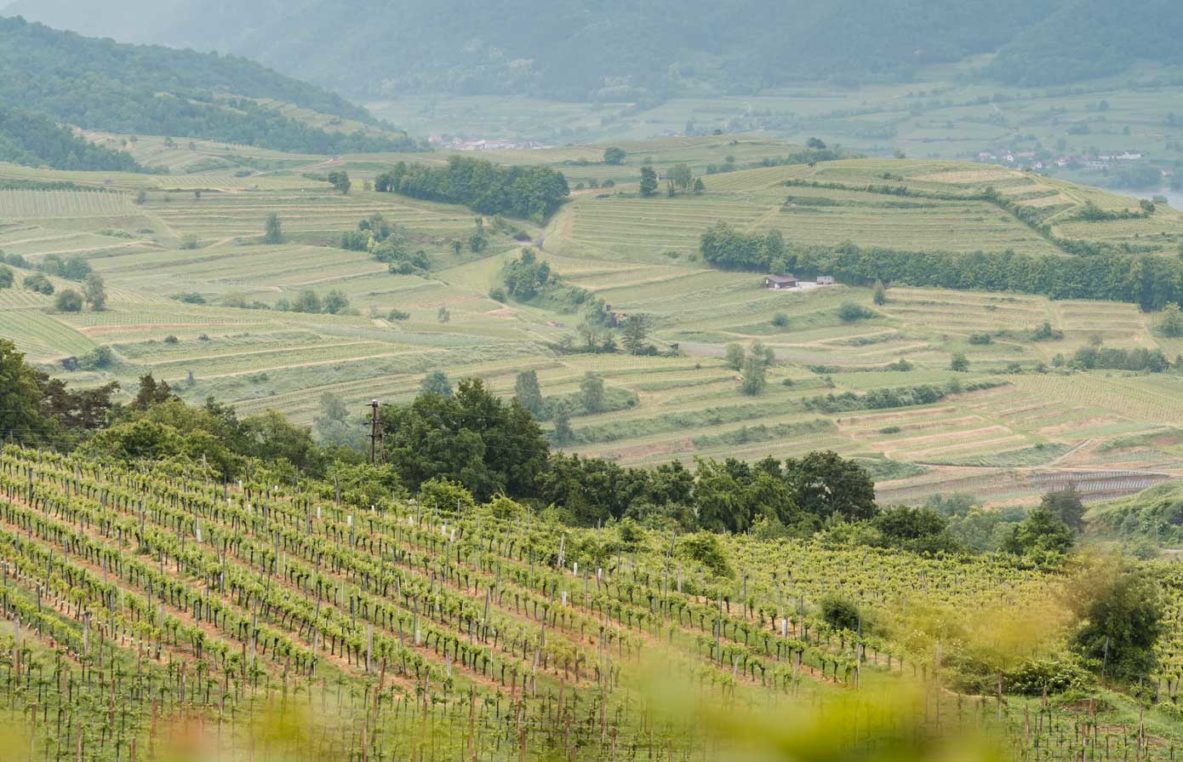
Lower Austria is the largest wine-producing area and is bisected by the Danube, which makes it one of the most scenic wine regions in the world. The region is world famous for its white wines, produced in the sub-regions of Wachau, Kamptal and Kremstal, where the Grüner Veltliner and Riesling grapes reign supreme. GV is the most planted grape variety nationally and produces wines which range from lightish and spicy to full-bodied, creamy, honeyed, mineral and incredibly complex with superb ageing potential. Wonderfully versatile when it comes to pairing with food, GV is often my choice when considering pairings for complex dishes, packed with flavours, textures and even spices.
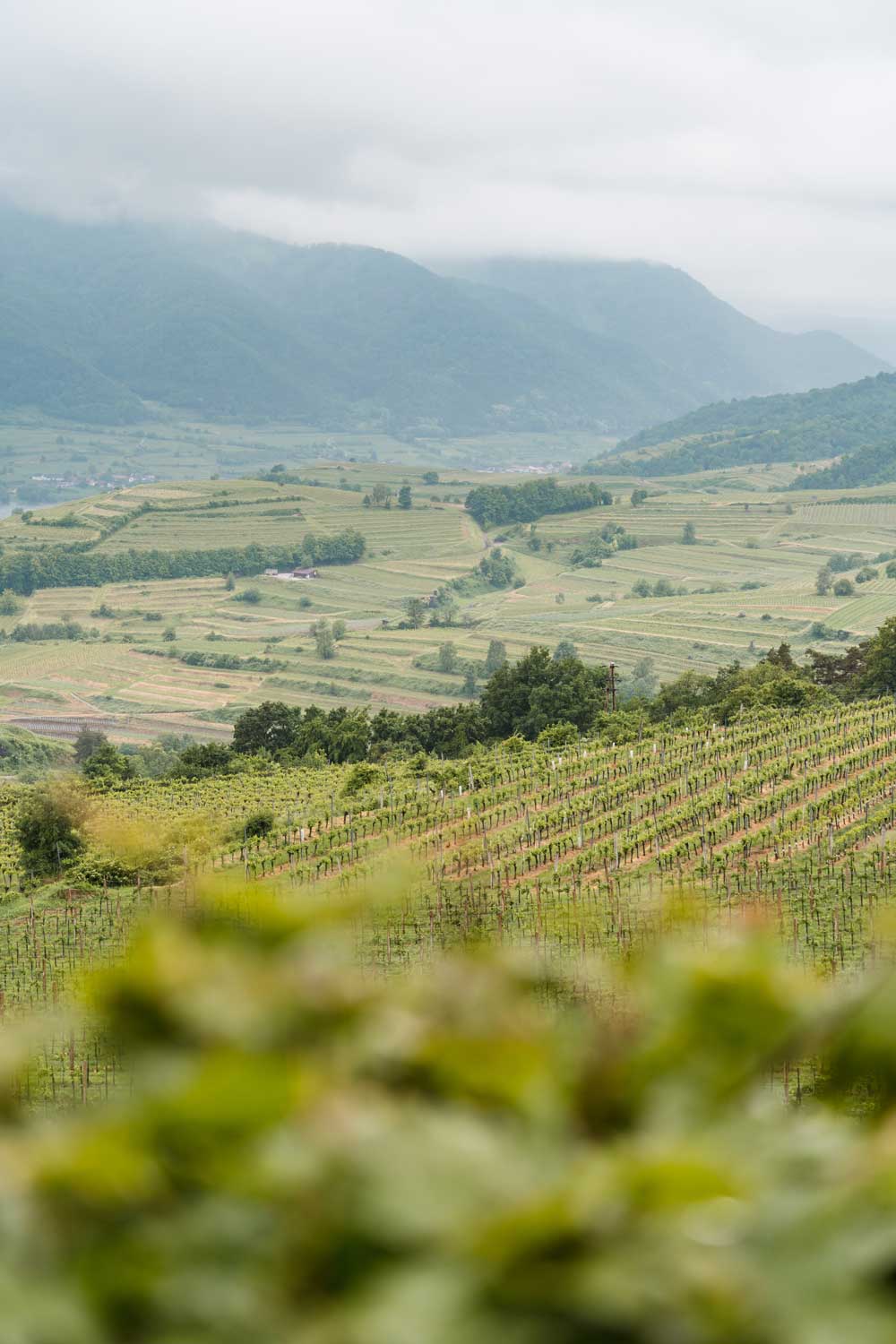
Wachau Valley, Austria
Lower Austria is also a beautiful destination for oeno-tourism. From Vienna airport, which is only two hours flight from Dublin, you can rent a car and head west towards the region of Wachau. From there you can cruise the Danube to discover the magic of the UNESCO-classified Wachau Valley while sipping a glass of chilled Riesling or GV. Heading back towards Vienna, Schloss Graffeneg’s outdoor auditorium is a must-visit for classical music and opera lovers. Warm summer nights are ideal for listening to the masterpieces of Schubert or Mozart while gazing at the stars. An hour east of Vienna, within the region of Carnuntum, famous for the quality of its red wines, the Carnuntum Roman museum is also an incredible archeological park that is well worth a stop when visiting the region.
Keep in mind that GV and Riesling are not the only options available to discover the beauty of Lower Austria. The region has some fabulous native and non-native options such as Neuburger, Röter Veltliner, Weissburgunder (Pinot Blanc) and Rotgifler. I urge you to roll the dice if you are lucky enough to happen upon them. Discovery is one of life’s great adventures, after all.
Vienna offers some delicious wines from the vineyards of its surrounding hills. Here, the traditional style “Gemischter Satz”, is a wine made from co-fermenting several grape varieties. Vineyards are typically home to a multitude of varieties which all end up in the crusher. The results can vary depending on producers and blends so ask your local wine expert for some guidance. In the East, bordering Slovakia and Hungary, lies the region of Burgenland. The area is world famous for its sweet wines from the shores of lake Neusiedl. This vast shallow lake contributes to the development of noble rot on grape berries. The city of Rust specialises in a unique style called “Ausbruch”, a sweet wine produced from noble, dried berries, harvested by hand, usually in the middle of November. The wines are luscious, vibrant and complex – a real treat.
Look out for red Burgenland wines from the spicy, mineral, savoury and mouth-watering Blaüfrankisch, or the bright, pulpous, and leathery Saint Laurent. Zweigelt offers fleshy, dark fruit and inky wines with superb drinkability. The generous, high-quality fruit balanced by lively acidity is a great starting point for any wine enthusiast.
Bordering Slovenia in the South, the beautiful and volcanic, hilly region of Styria focuses on white wine production from grapes such as Muskateller, Chardonnay and Pinot Blanc. Styria also commands spotlight time for its Sauvignon Blanc. The wines combine finesse, power, freshness, complexity and for some, they can be cellared for many years before being enjoyed. An absolute must-try for Sancerre lovers.
You won’t find anything on the Austrian wine shelf for less than ¤15 but the least expensive wine you do find will always deliver. Even at an entry price point, you are in safe and accomplished hands. At the other end of the scale, the very best Austrian wines almost all lie within reach for the average wine consumer, while the quality equals the most prestigious comparative styles throughout Europe. If you want to try seriously top-quality wines without the eye-watering price tags, pick up some apfelstrudel, head to your local wine shop and start discovering.
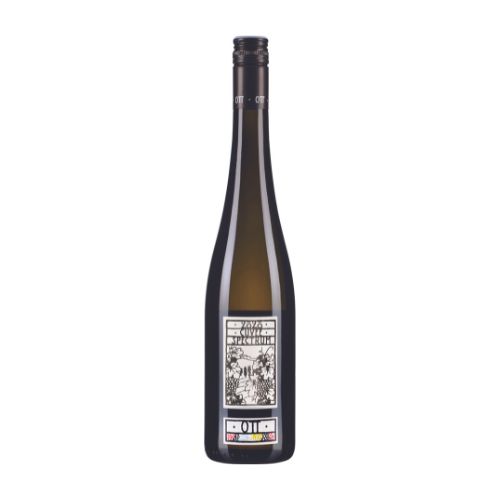
Cuvée Specrum, Bernhard Ott, €23; www.thelamplight.ie.
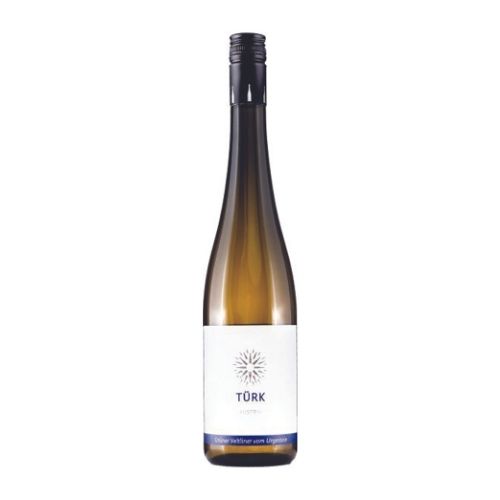
Kremser Grüner Veltliner, vom Urgenstein, Türk, Kremstal, €23 (€20 until March 31); www.whelehanswines.ie.
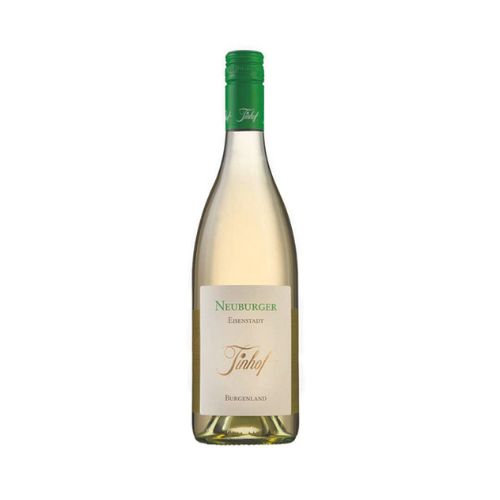
Neuburger, Tinhof, Burgenland, €25.50; www.baggotstreetwines.com.

Heidi Schröck Junge Löwen Burgenland Blaufränkisch/ St Laurent, €21.99; www.blackrockcellar.com.
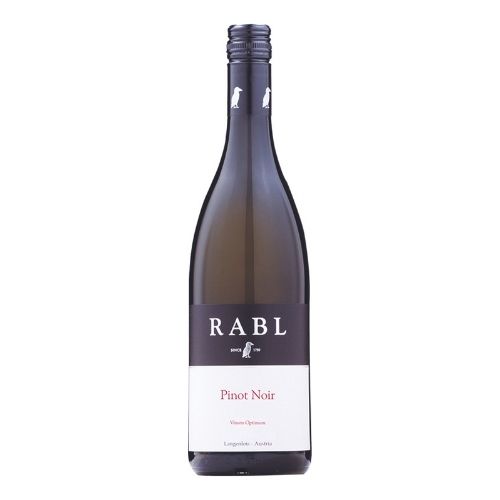
Pinot Noir, Vinum Optimum, Weingut Rabl, €29.99; www.obrienswine.ie.
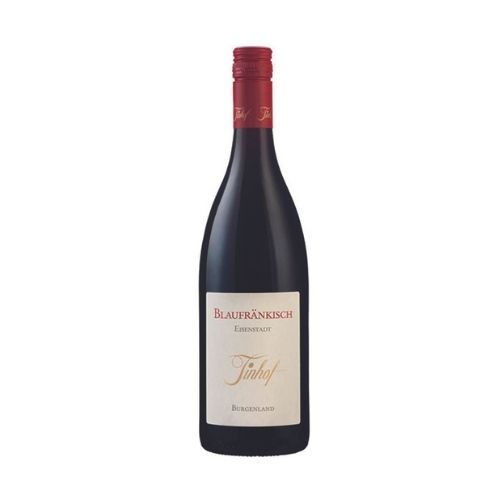
Blaufränkisch, Eisenstadt, Tinhof, Burgenland, €23.50; www.h2gwines.ie.
LOVETHEGLOSS.IE?
Sign up to our MAILING LIST now for a roundup of the latest fashion, beauty, interiors and entertaining news from THE GLOSS MAGAZINE’s daily dispatches.