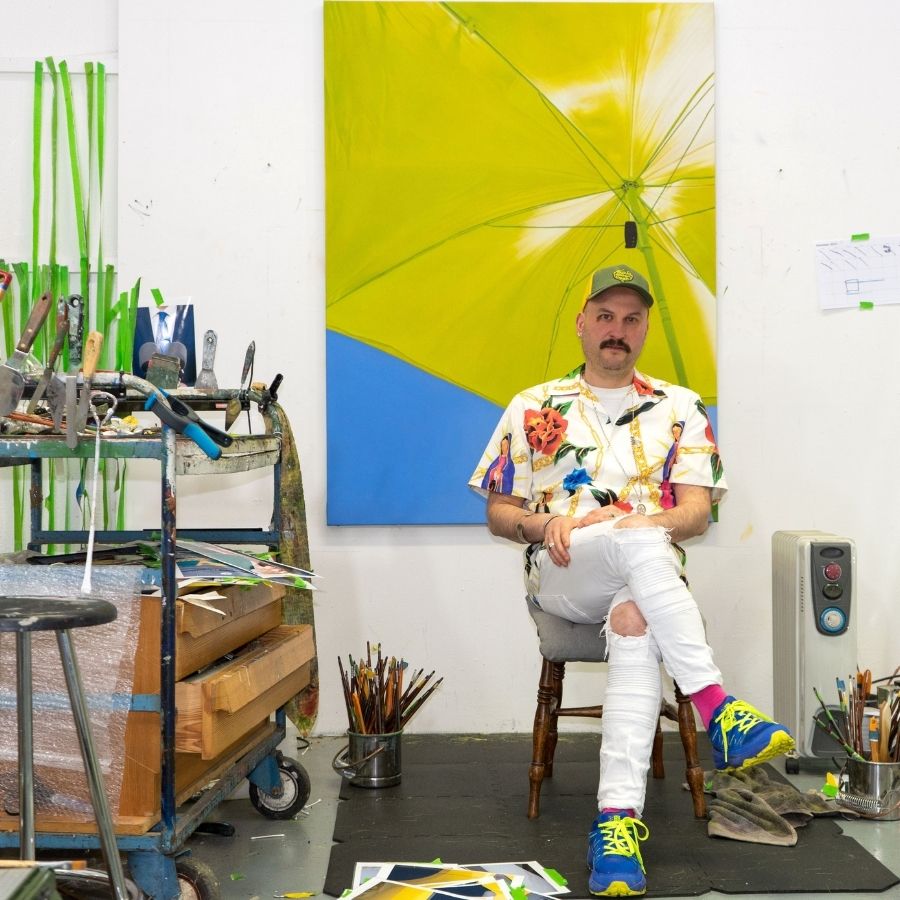


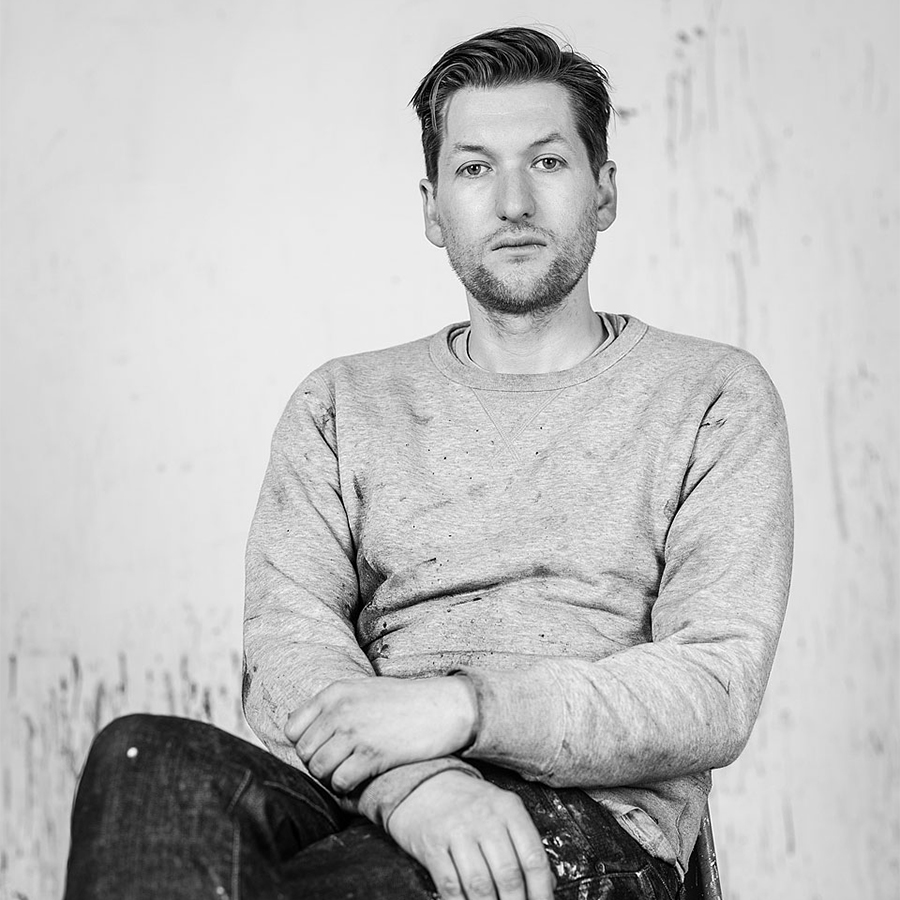
Described by art critic John Yau as “one of the great painters of his generation” …
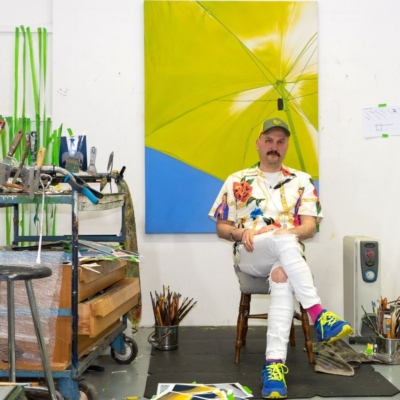
Tell us about your exhibition, Deep Waiting: I’m always in the middle of something, so this exhibition at the Kerlin Gallery in Dublin was already in its making before I knew the actual event would exist. I was in the process of reflecting upon the work I had made previously and trying to address a different painterly route into it. I’m constantly painting, so exhibitions act as a frame for where the work happens to be in that moment.
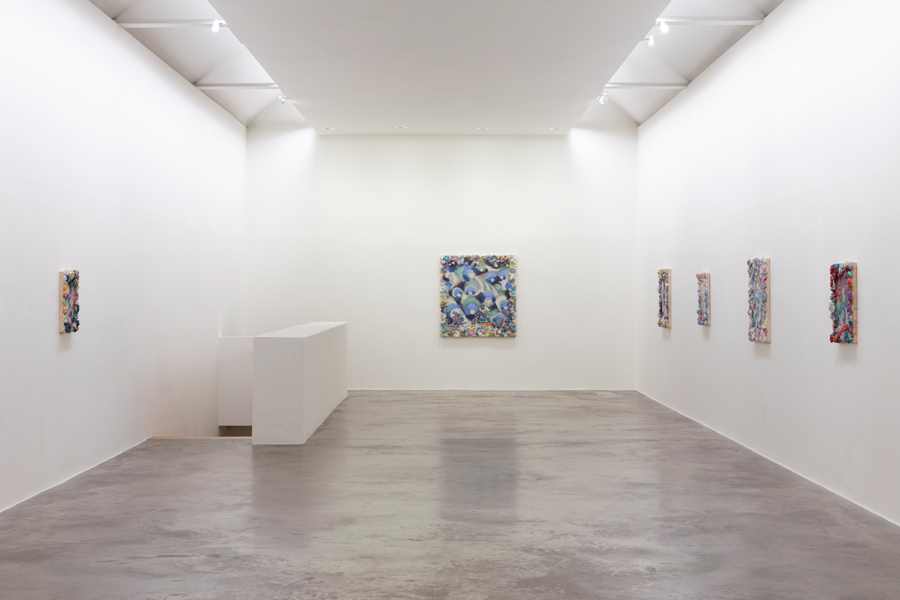
My paintings are a fuller expression or translation of my drawings, importantly incorporating painterly material, and a more thoughtful use of colour and surface. This triad of motif, material and colour are the painting’s building blocks. These are assembled by the current attitude I bring to the making of the painting. Attitude is important and slowly shifts from year to year.
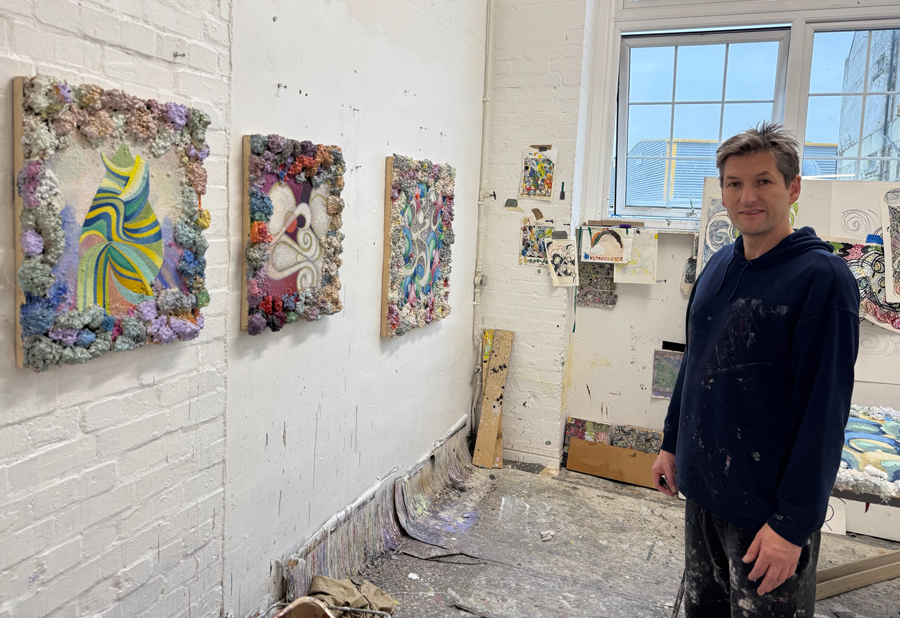
How do you work? The starting points of my paintings come from a few trajectories. The motifs are generated from many years drawing with felt pens on ivory card. This is a crucial aspect of my practice. I’ve collected hundreds of felt pen drawings over the past 24 years – a history of my own curiosities.
These sources naturally need to fully percolate, or even sometimes need to be totally forgotten and then re-found. It’s rare these days that a drawing will be made and immediately translated into a painting – they have to hang around, cool down a bit for a few months or even years before their use can be realised.
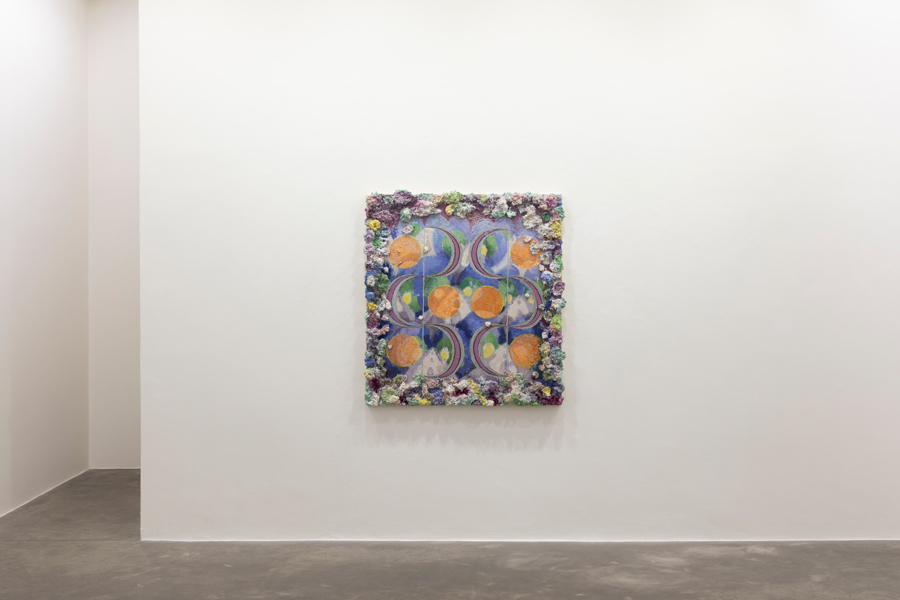
The other important trajectory is the materials I use. Subtle changes in medium, paint type or the surfaces I paint on all lead to important differences and approaches to image making. Again, these things are rarely planned in minutiae, but are more a result of unplanned circumstances or vague hunches. For example, a good friend paints in egg tempera and 20 years ago when I visited their studio I was fascinated by the pots of dry pigment they were using. Down the line, I visited an art shop to buy oil paint and bought some dry pigment to see what it was like to work with. These paintings at the Kerlin incorporate this dry pigment and it has had a huge effect on their making. It’s like playing a familiar melody on an unfamiliar instrument.
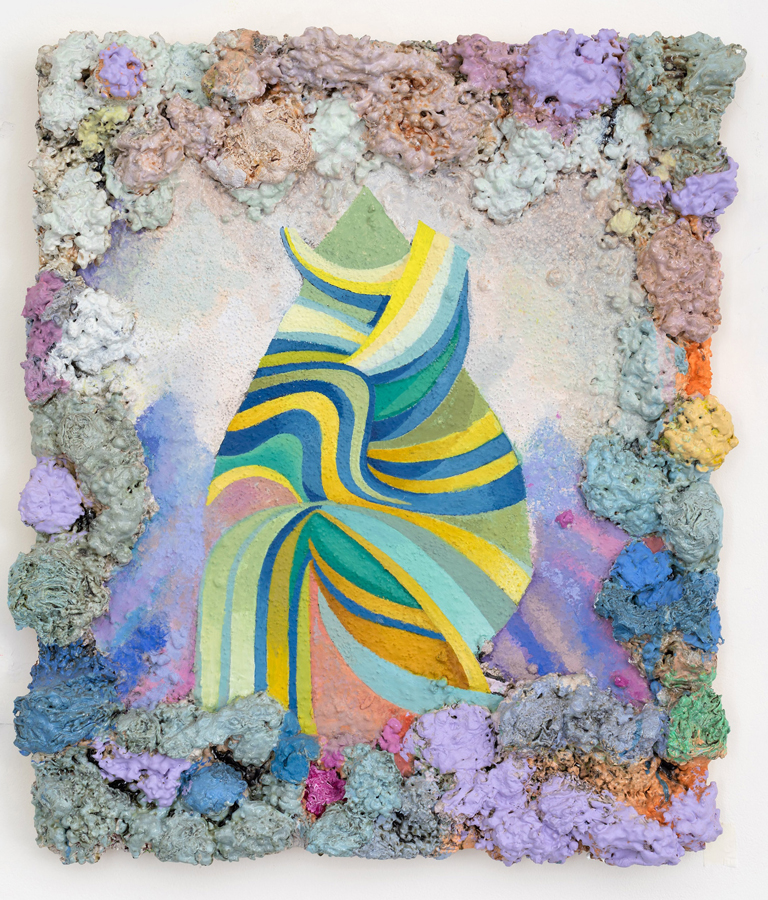
What do you enjoy most about the process? My painting practice has constantly evolved. It’s hard for it to stand still. As I get older, my attitude to making paintings is very different from what it was in the past. You realise your limitations, what you’re attracted to and which approaches become ingrained in you. Within these developing parameters, change may become less marked – the stepping stones may be closer to each other – but to stand still is difficult.
The thing that I enjoy the most is the intellectual challenge of how to make a blank surface interesting. This is not so simple a task as it incorporates so much other stuff and exposes you to a world of deep thinking by others. It’s enjoyable, but very often challenging.
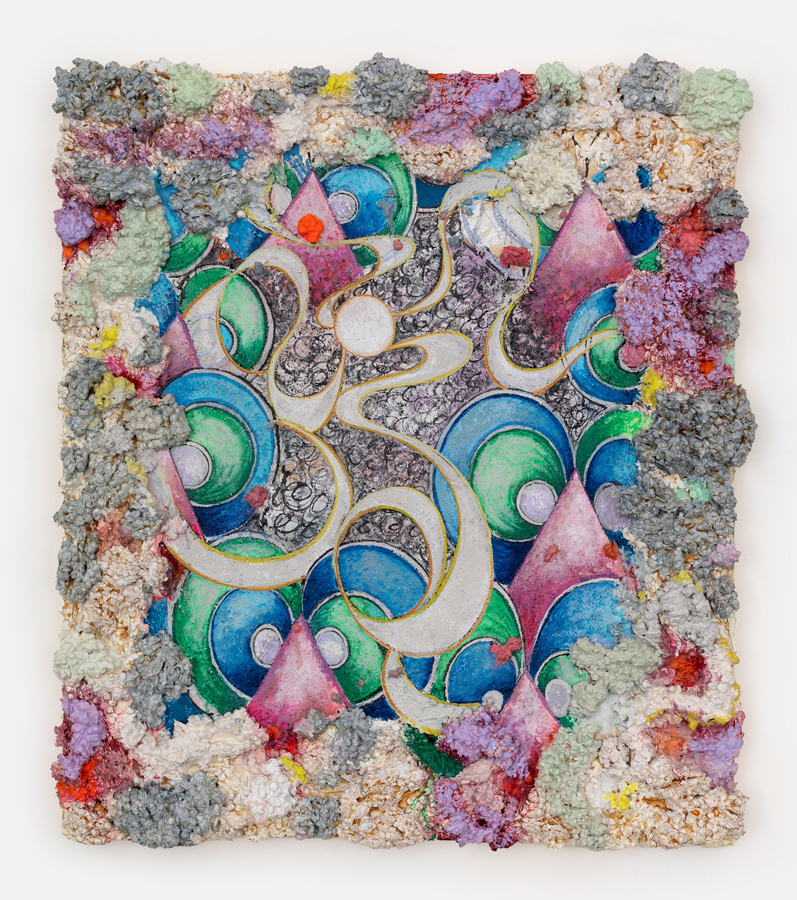
What advice would you give to other young artists contemplating a solo career? To have patience and realise that it can be a bumpy ride, but get into the habit of investing in your practice wherever or whatever that may be, and see what happens. And be part of a community – that’s where the oxygen can come from.
Need to know: Deep Waiting runs at the Kerlin Gallery until March 7. @kerlingallery @philallen33
SEE MORE: Artistic License – Mary Moorkens