
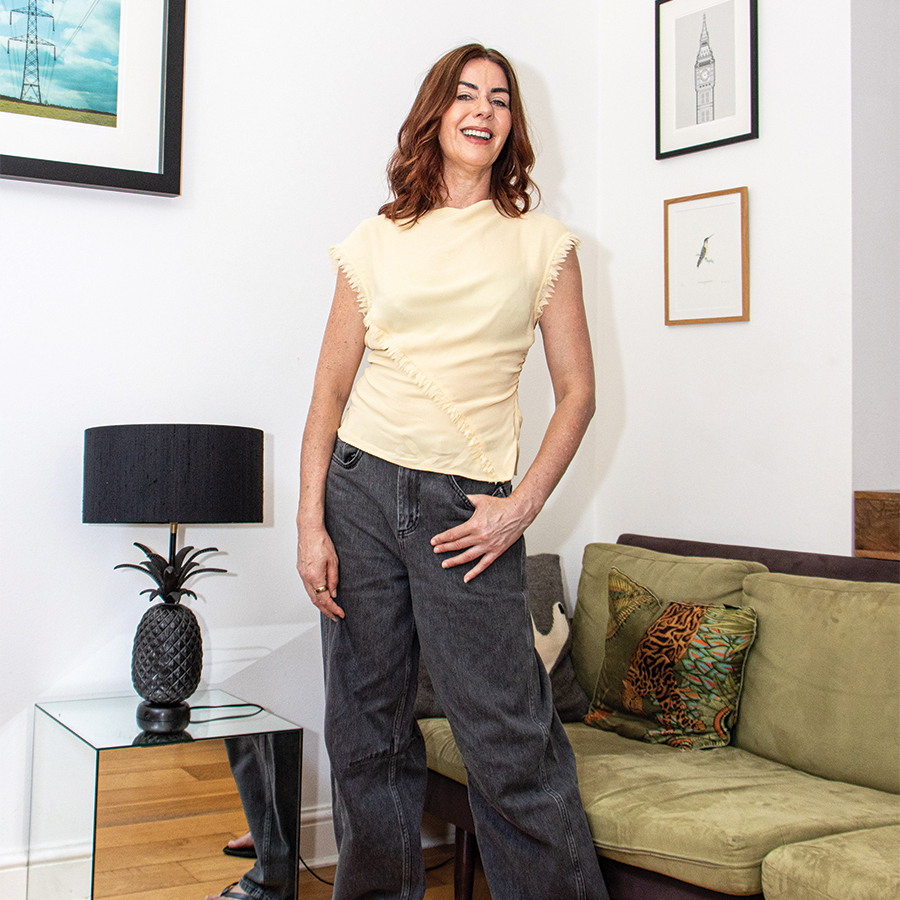
Putting my Oura ring on time out …
Is the desire for a clean bill of health driving us a bit mad? I ask because I think I’ve definitely flirted with madness – a disruptive anxiety, at least – while attempting to optimise my wellness, or whatever terminology it is we’re currently using to describe the escalating communal desire to be really, really, really well! To cut ALL illness off at the pass, possibly even live to 200, like Silicon Valley biohacker Bryan Johnson, who spends $200m a year pre-emptively healing his 47-year-old self. I watched the Netflix documentary about him, The Man Who Wants To Live Forever, when it came out earlier this year, and found myself simultaneously shaking my head in exasperation at the sort of physical narcissism, the effort and the money … while also: taking notes.
I think this is where many of us find ourselves, no? Overwhelmed by information about our health, perpetually bombarded by protocols, ideas, warnings and horror stories, torn between wanting to do the very best for our bodies, and thinking it’s all a bit ridiculous. When do we actually get the time to live, in between all the supplements we’re taking, red light therapy we’re bankrupting ourselves with, alcohol we’re trying not to drink. But also: do please pass the creatine! Where’s the balance? Is balance even possible?
I realised I’d slightly lost my mind to my personal pursuit of good health, about a month ago. At the beginning of 2025, I came into possession of an Oura ring, a pretty piece of wearable tech which sits on my right index finger and monitors my biometrics, everything from heart rate to sleep quality to fluctuating stress. It’s just one of many pieces of technology flooding the market as this communal desire to be definitively well surges through us – leaving us a wide-open goal, commercially speaking.
I got my Oura ring because I was intrigued. I’ve spent the last decade becoming more and more interested in physical fitness, spent the last two years writing a book about women’s bodies. Plus I kept seeing them – Ouras – on the fingers of celebs, and people in the wellness biz, little totems of health, signifiers of it – wedding rings for the wellness era.
I got one, charged it, popped it on … and a tumultuous relationship began.
My Oura began feeding back immediately, via an app on my phone: how well I was sleeping (far better I’d assumed), how much it thought I was moving, and – not even kidding – whether I was having enough fun (it tells me off periodically for having too regulated a life, suggesting I make time for – its words – “something fun”). It immediately proved itself terrifyingly accurate.
If I slept less well than usual, it suggested I’d drunk some alcohol and/or eaten dinner later than usual, and it was always right. If I was on a frenzied deadline, it showed my stress peaking. If I felt a little non-specifically out of sorts, it showed me that my HRV – my heart rate variability, the regularity of my heartbeat – had fallen undesirably. When I got Norovirus, it seemed genuinely concerned (‘Something in your body is straining! Go easy!’). When I binged too long on Vanderpump Rules, it pinged a message: ‘Hey! Time to stretch your legs?’ Overall, I was impressed. I especially liked that it enabled me in resting at times; reassured me that I wasn’t being, for example, lazy for skipping a workout, when my biometrics suggested I’d overdone it the day before.
A couple of wellness professionals – one physio, one acupuncturist – observed it on my finger, then said: “Just be careful you don’t get obsessive, eh? We’ve seen it before”, or something similar. “Oh, I’m not that kind of gal!” I replied. “Anyway, it thinks I’m great! It’s always giving me Optimal scores!”
For whatever reason, my scores started falling. And falling.
But then, things started getting choppy. I don’t know why. I didn’t change anything, lifestyle-wise. Maybe it was related to the end of summer, longer, darker nights, more blustery weather? Or some accumulation of individually barely noticeable stresses? My sleep scores dropped from Optimal, to Good, to sometimes just Fair (the C-minus of sleep. No one wants a Fair). Same for Readiness – my Oura ring’s assessment of how rested and physically capable I seemed to be. Worst of all, for some reason (who knows why our obsessions settle on one issue, over any other), that suddenly precious HRV score really faltered.
Oura gave me gentle, then not so gentle, warnings. “Your stress levels have risen,” it said. “LITERALLY THE ONLY THING STRESSING ME OUT IS YOU!” I shouted back at it – an inanimate object, which couldn’t hear me, but could certainly monitor my stress levels as they rose, further yet. I got to a point where checking in with my Oura first thing, waiting for the app to translate calibrations from the ring itself into scores on my phone, felt like waiting for exam results as a kid. I grew convinced my falling scores were a symptom of something really wrong. I’d delayed an advised MRI scan of my head – because I’m claustrophobic – but finally booked in for it. Was my Oura detecting a brain tumour (I know, I know!)? The build-up to the MRI was so stressful, my Oura scores grew worse. I got through it of course, my results were fine. And still, my Oura was not happy! Still, my scores trembled between merely Good and Fair.
Eventually, we went on a break, my Oura and me. I got to a place where things couldn’t continue as they were, I needed some time, some distance. I went to Marrakesh for a week with some mates – and without it. By the time I got home, and (gingerly) put the ring back on, what do you know? Scores all shiny and Optimal again! HRV, good as gold.
“Just check in with it once or twice a week,” my physio suggested when I revealed I had, after all, become obsessive about the ring. “They’re brilliant for giving a general overview of where you are, but you really don’t need to check in with them 20 times a day.”
And this, now, is my policy. Acquire a reassuring, overarching sense of trends in sleep, activity, heartrate and so forth – and ignore that Bryan Johnson claims to get twice my Deep Sleep, every night, because I don’t think I want to live til 200, anyway. Do you?
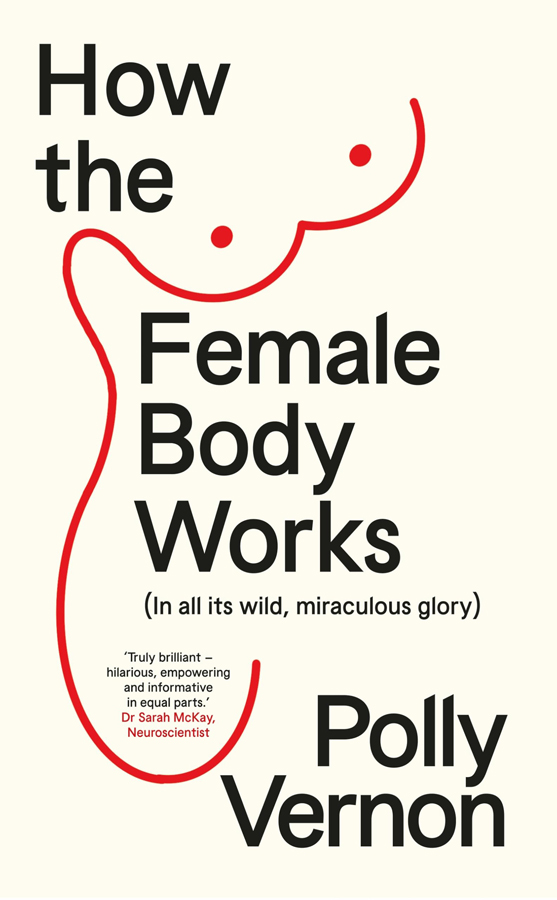
How The Female Body Works by Polly Vernon (New River) is out now.