

The Emmy-nominated costume designer on her colourful career to date …
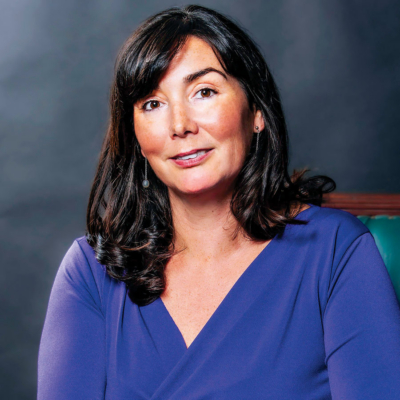
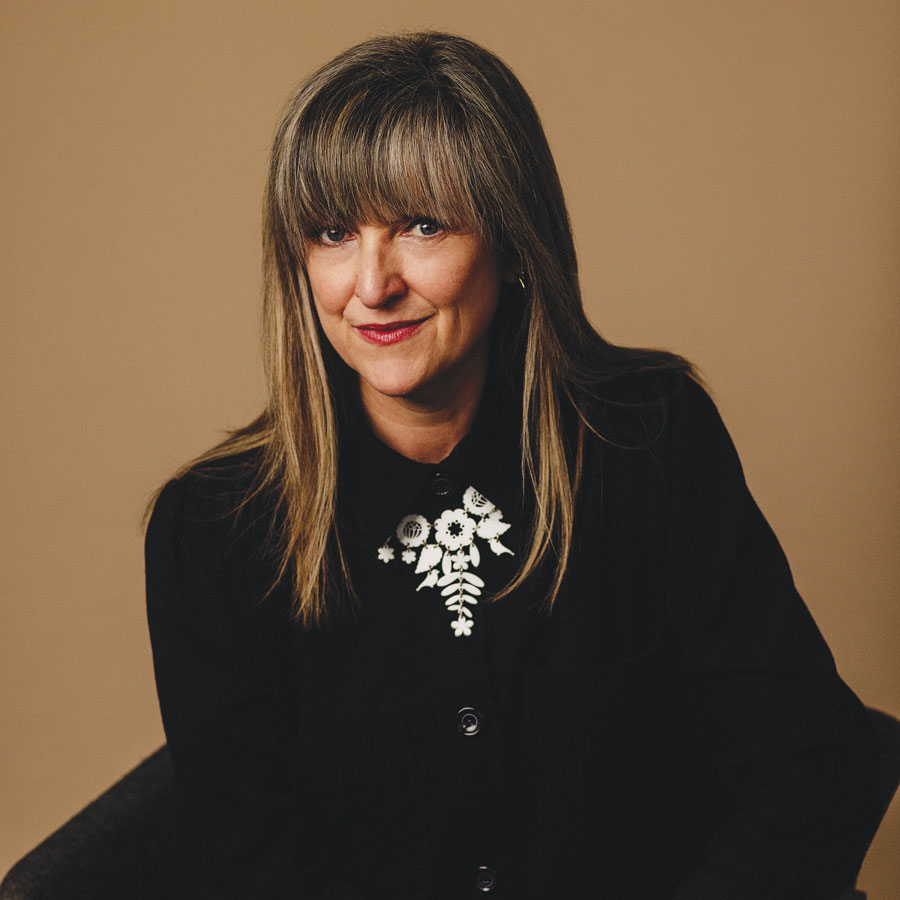
Marion Boyce is an internationally acclaimed costume designer known for her work in film and television, famous for featuring rich textures, vibrant colours and meticulous period accuracy. She was nominated for an Emmy and a Costume Designers Guild Award for her work on The Starter Wife, and won a CDG Award for her work on The Dressmaker with Kate Winslet.
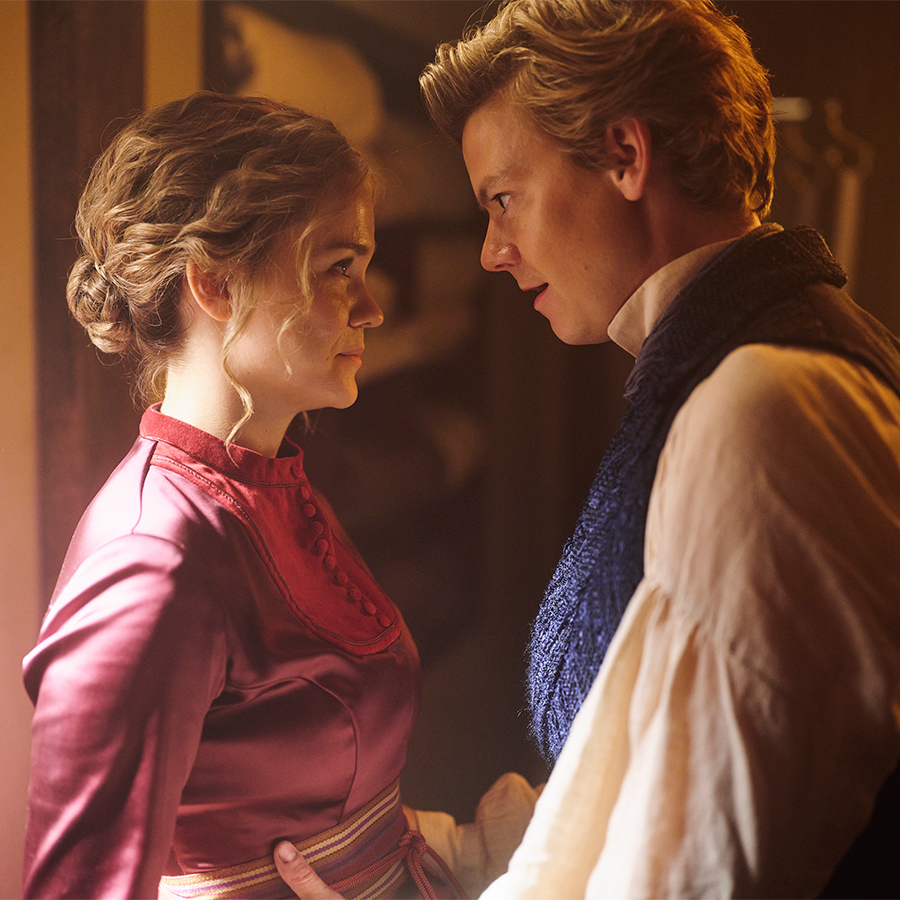
Her latest work on The Artful Dodger (exclusively on Disney+) involved just eight weeks of preparation, with each garment custom-made. Marion also had to create costumes for large ensemble scenes such as a Venetian ball, while her design serves as a history lesson on how populations around the world adapted European fashion, including the English in Australia.
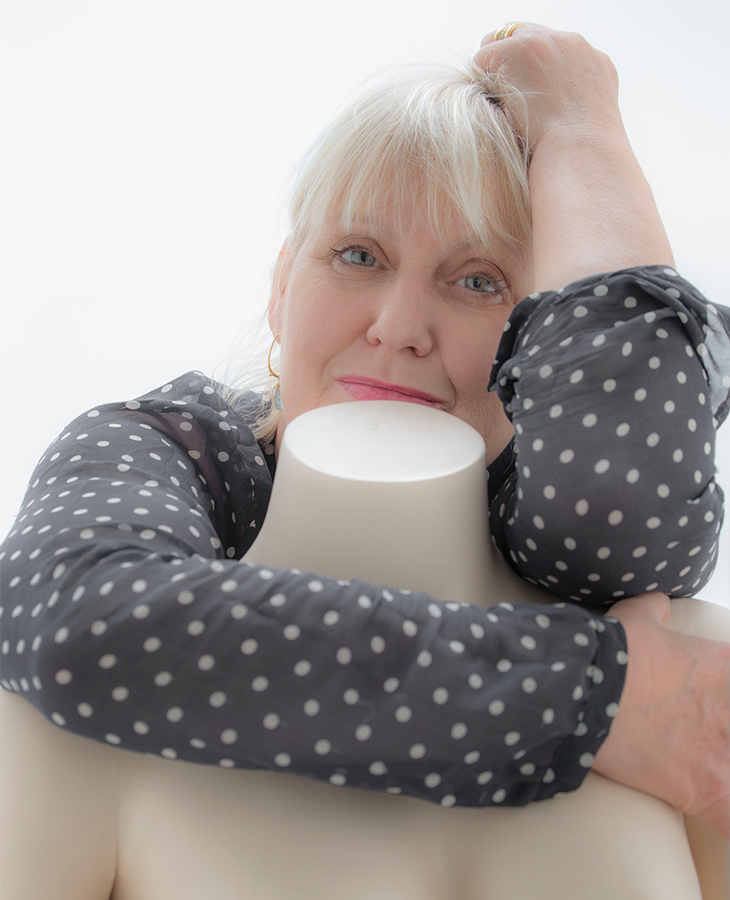
How did you become a costume designer? I started in fashion design, and found my way to becoming a costume designer,through a producer and director who saw my work at a fashion show. They asked me to do a film. I was 21 and realised that I’d found my tribe. I never wanted to be in mainstream fashion, but it was a really great background to have.
I then went for an interview with Barbara Veitch, who was head of Channel 10 in the UK, for a show called Young Talent Time. They made all these costumes every week and it was a big musical production, so it was a lot of fun in terms of costuming. I got the job, but it was going to be on Prisoner instead – a show about women in jail that was the exact opposite of what I expected! After six months, I was headhunted by Crawford Productions in Australia that did a lot of period pieces, which provided me with the most extraordinary education.
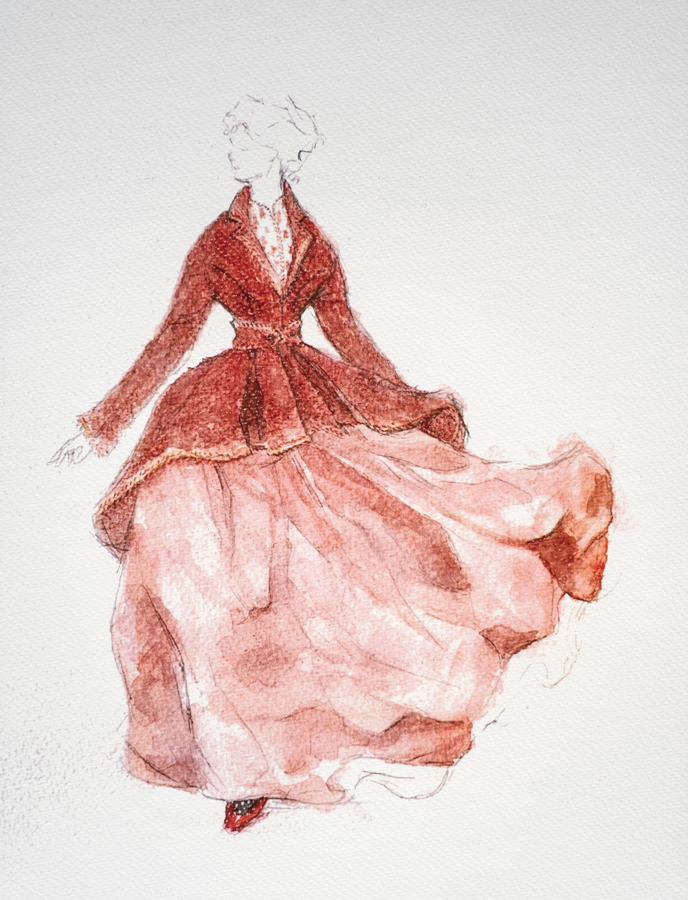
Marion’s illustrations for The Artful Dodger.
What are some of your favourite projects to date? There are many that I’ve loved for many reasons, but Miss Fisher’s Murder Mysteries was a really great experience. The 1920s is a period that I love, with strong women and high fashion. Also, The Dressmaker because it’s a complex story about how clothes can transform you, based on a book by Rosalie Ham.
What’s your process? From the very first time I read a script, I start getting a feeling about the colours of the piece and people. I often equate it to playing tennis against yourself as you’re hitting a ball back and forth with all these ideas until it finally clicks. It’s a fabulous moment when you find the hook as to how all the characters work with each other. Then I create a colour palette.
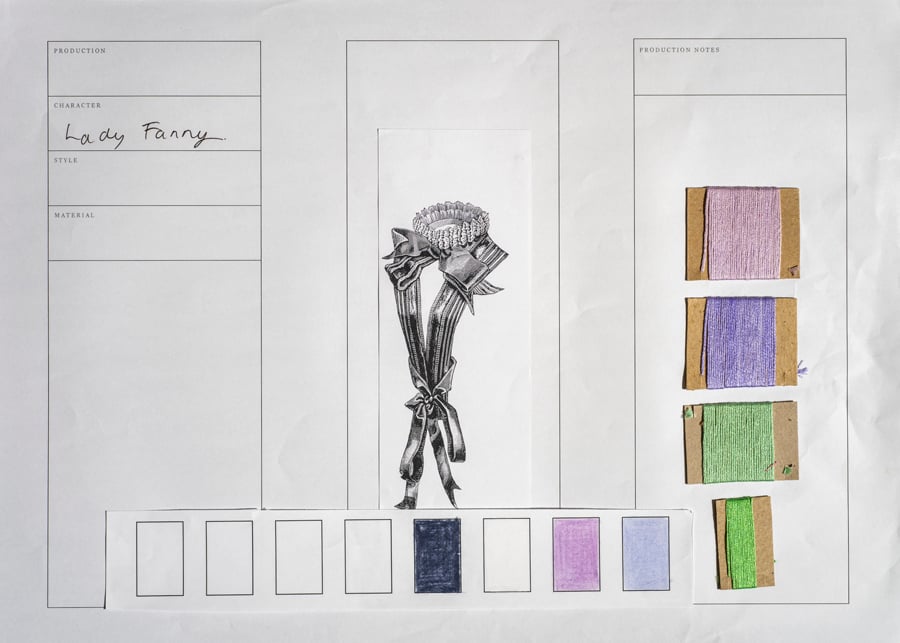
What do you enjoy most about your work? When you’ve designed a piece, especially if it relies heavily on the movement of fabric, and it moves in the exact same manner in filming. It comes to life. It’s joyful when something plays out exactly how you’ve conceived it.
What designers do you like to work with? I love design that you can manipulate to your needs instead of it controlling the look. There’s an enormous number of designers who I truly love, including Jonathan Anderson and Yves Saint Laurent, who was a true genius.
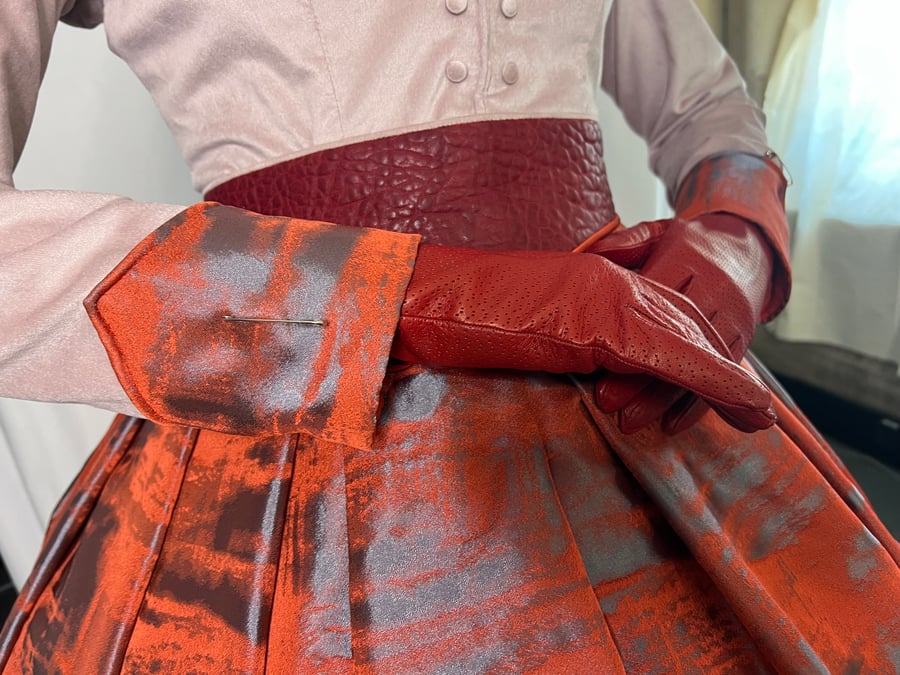
Tell us about The Artful Dodger? When I was first asked, within a few days I found out that they wanted to do an enormous Venetian ball with costumes styled for a century before – a story within a story. It had to be achieved within a very short space of time as Disney wanted to see my concepts for the ball and its direction quite quickly. They were incredibly excited about it because it was such a big piece. So, there was a lot of anxiety about it in a way, but I loved the results.
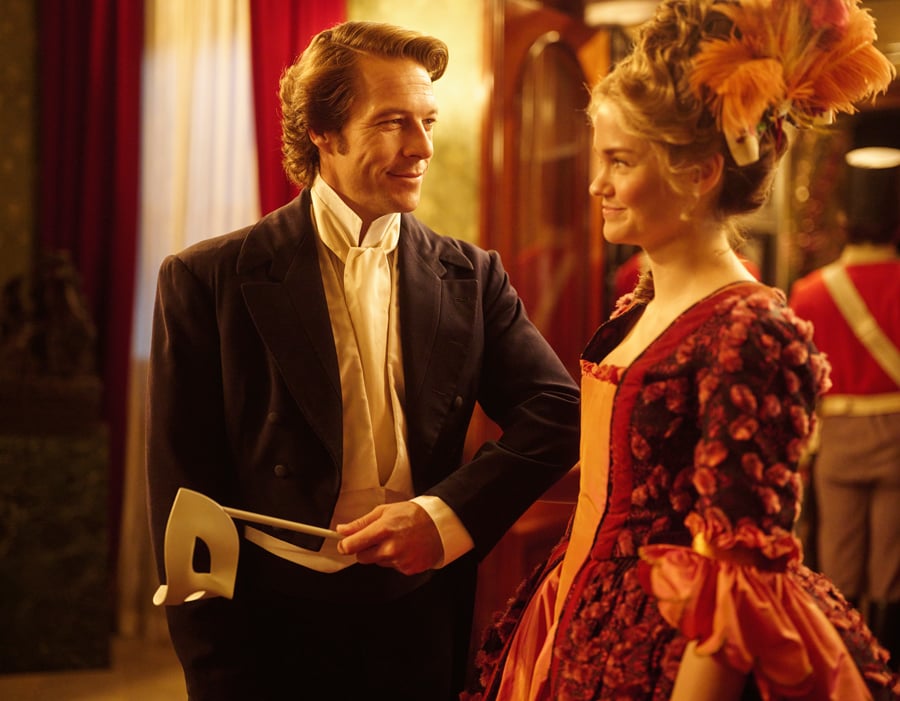
How did you manage creating so many period pieces? I wanted to be intentional with the colour palette. I always go back to the Australian sun because it’s intense, especially in Sydney. We’re filming in this amazing place called Callen Park where all of the buildings are from the mid-1800s. It was lovely being on set all day, watching the sun change colours on the stone, especially its intensity at different times of day. It was perfect to work out a palette within that environment.
In terms of scope, I ended up using a lot of different makers. We worked in Sydney with a workroom in Brisbane and tailor in Adelaide. You have to make a large number of pieces, so you’ve got to find a way forward to deliver them.
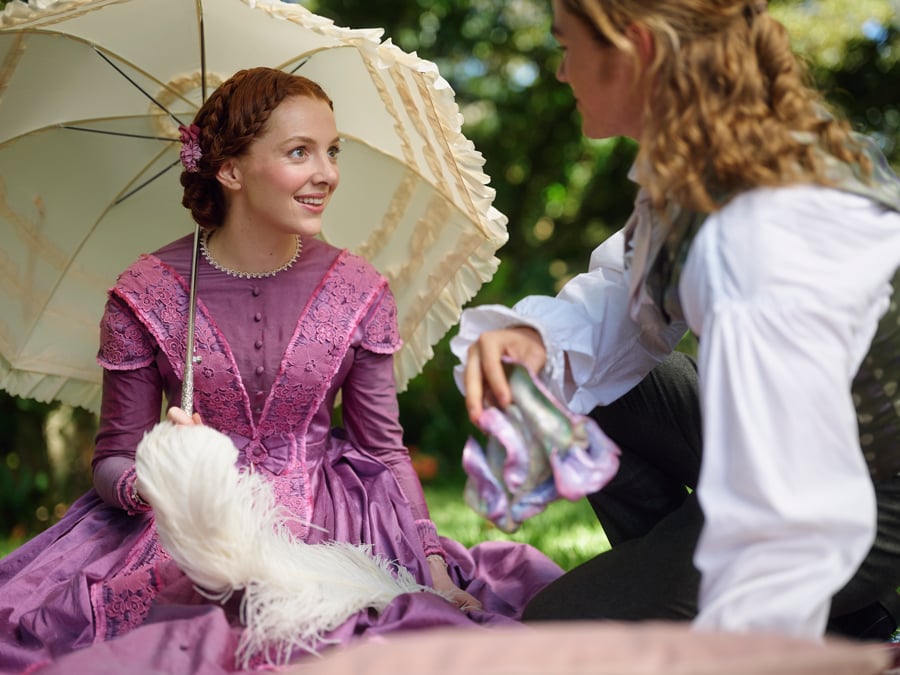
What are you excited for audiences to see? There’s a whole lot of characters and a real story arc for all of them – some beautiful, some joyful and some sad – which is reflected in the accoutrements in each costume. I’ve had a beautiful hanky for a long time that’s the most ridiculous handkerchief you could ever imagine. It’s only probably got a three inch square of fine lawn in the middle and the rest of it is lace. I gave characters like Fanny those little details, like feathers with no real use except for flirting. Many pieces that were available for people in that time were quite extraordinary in that sense. Handkerchiefs and tiny little purses that make you smile because the idea of them in this day and age is so ridiculous, but it conveys an enormous amount about the period.
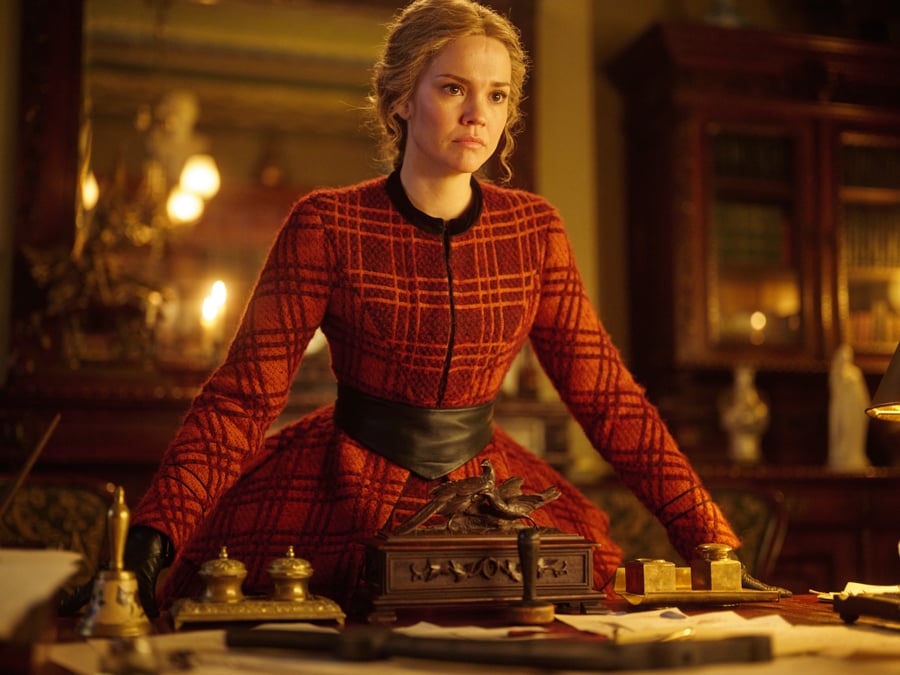
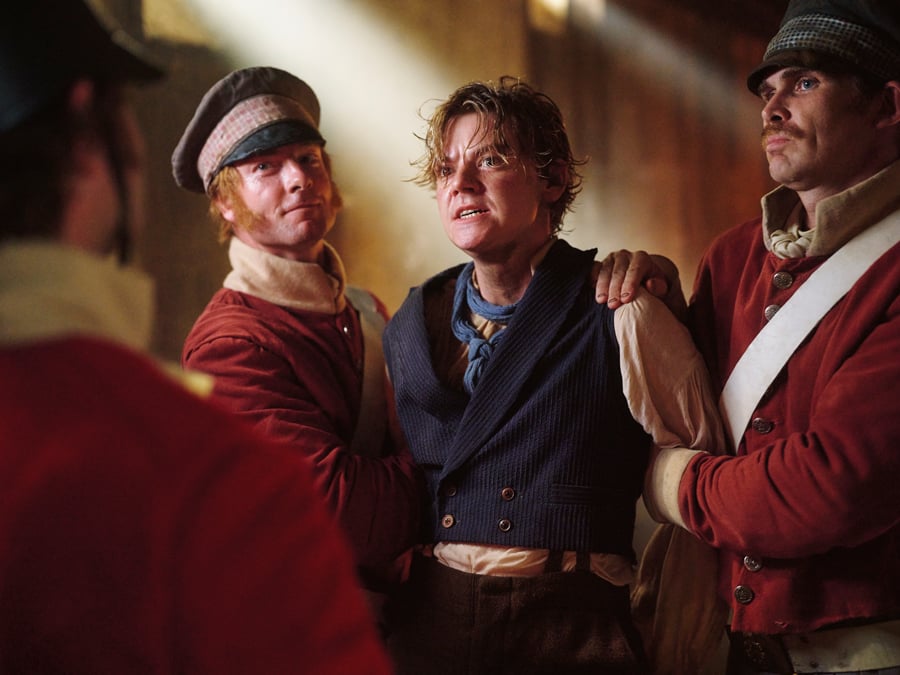
How did you approach wealth disparity through costumes? The English adhered to class dressing norms while Australians adapted with wider hat brims and fabrics more suitable for the climate. Cloth has has always been quite expensive, so high classes have big hoops, crinolines, acres of petticoats, corsetry, shirts, jackets and all of the accessories like shawls handbags and umbrellas. The “Devil’s Elbow” setting in the show is the other end of the scale, with colours leached out of their clothes. You’ve got to feel the depravity, which comes from the texture of the cloth and inadequate clothing cover such as the shortness of skirts and pants, with ineffective footwear. There was a scene meant to be muddy, but before filming there was an enormous amount of rain in Sydney, so it became something else in terms of mud. We had to walk on boards around the set as it was actually difficult not to sink into the mud! It proved to be a harsh environment as just lifting your feet became difficult, so it felt real.
What’s been the most memorable moment of your career so far? Working with Donald Sutherland on miniseries Salem’s Lot. He wasn’t available to chat beforehand, so we met a few days before filming. He had a scenario for his character that was different from what the director, producers and I planned. Ultimately, it was the same in terms of the character, but came from a different place. I started this journey with him, taking him to the tailor and working it all out. He wanted to come shopping with me every day for fabric, shoes, everything. He organised his time around my schedule and we had the best time. Watching him finally put it all on and completely dissolve into the character in front of me was one of the most powerful moments that I’ve ever had. It was a real privilege.
How would you describe the current landscape for creatives? In one way, it’s fabulous because everyone’s trying to make something different and quirky. There’s quite a lot of imaginative period pieces out there, but I sometimes find the characters a little thin, which I think is to do with being nervous about going out on a limb and revealing too much about ourselves.
What’s next for you? I’m working on a project that’s completely different to anything that I’ve done before. It’s a modern piece with a twist, which is always the most fun. I’m also still learning, which is thoroughly enjoyable. I love the process.
Photography courtesy of Disney