All You Need To Know About The Hilma af Klint Exhibition at The National Gallery of Ireland
Discover more about the major monographic exhibition of the pioneering Swedish artist …
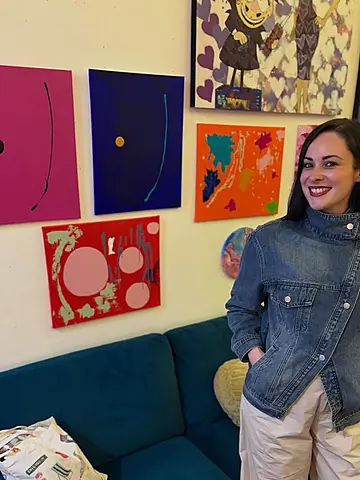
Janet McLean, curator of modern art at the National Gallery and curator of “Hilma af Klint: Artist and Visionary”, shares her insights into the exhibition and pioneering Swedish artist.
On the exhibition …
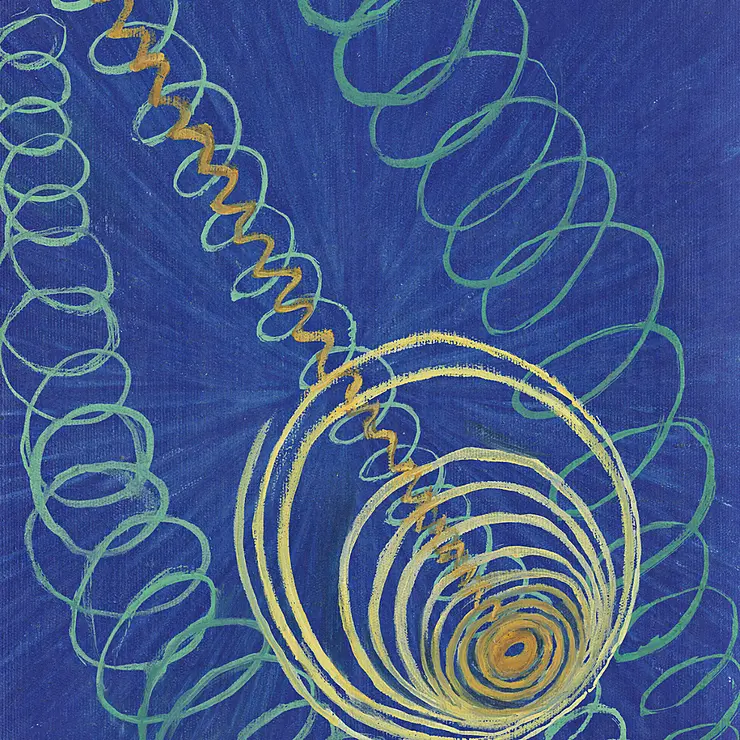
“The exhibition presents drawings and paintings dating from 1882-1932. All the works come from the collection of the Hilma af Klint Foundation – we have worked closely with it for five years to bring the exhibition to Ireland. It includes a broad range of af Klint’s work – academic studies drawn when a student, portraits of friends, idyllic island landscapes, plant studies, meditative watercolours, and significant works from the Paintings for the Temple series. The selection includes a mystical map dating to 1932, which features Ireland. Several of the works have not been exhibited before. It was my aim to show af Klint as a woman who lived in the world yet looked beyond it. I am mindful of the unique spiritual nature of her art, and hope that the exhibition invites contemplation and reflection.
On Hilma af Klint’s background …
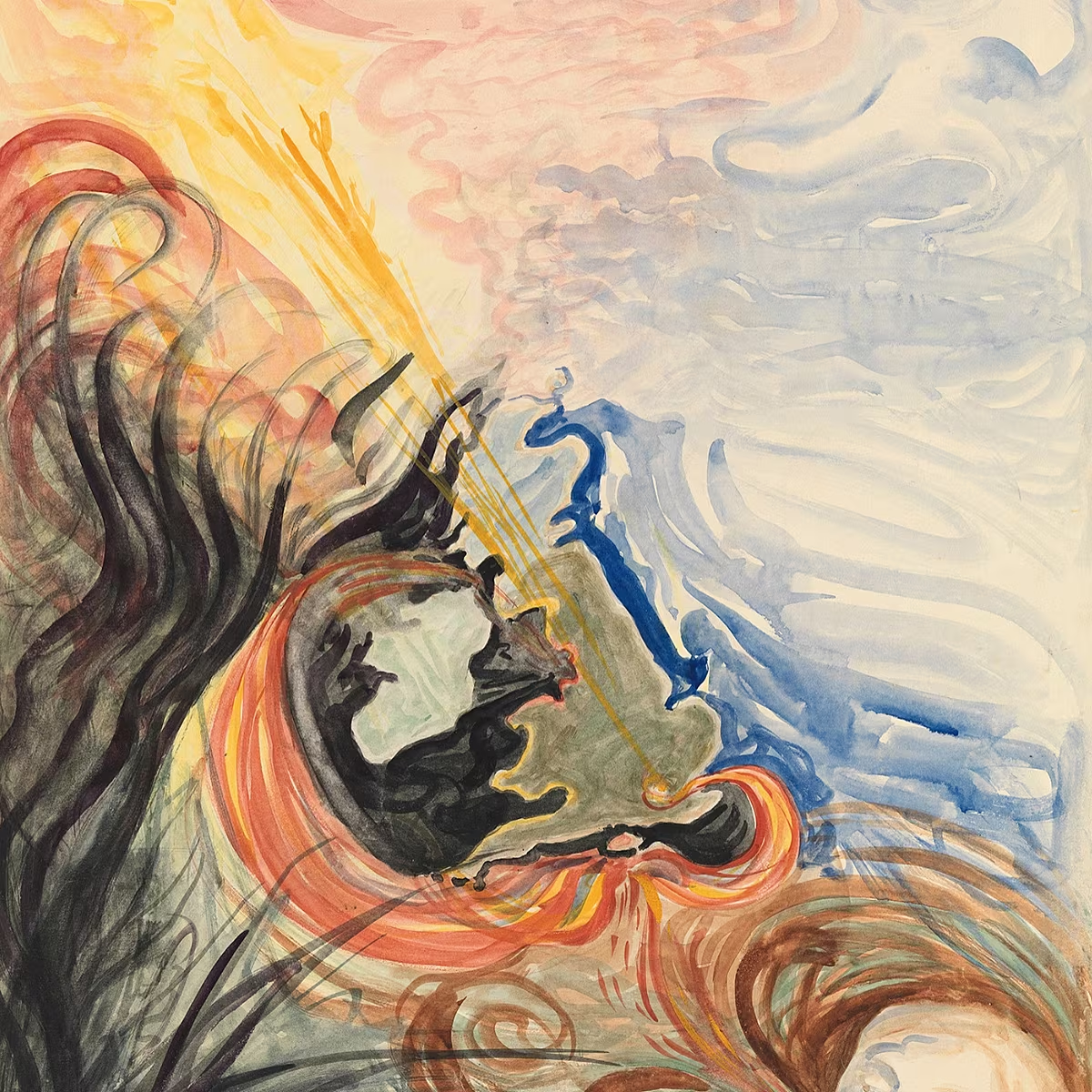
“Hilma af Klint (1862-1944) grew up in Sweden where she developed a love of nature and fascination with science from childhood. Following her academic art training, she made illustrations and exhibited naturalistic landscapes and portraits. In parallel with this, she created a vast body of spiritual art including 193 works known as the Paintings for the Temple. Af Klint did not make these spiritual paintings for sale or for acclaim in the art world. They were intended for a higher purpose – to communicate messages from the spirit world.
“During her lifetime she exhibited several at Theosophical and Anthroposophical exhibitions but it was not until the late 20th century that these extraordinary paintings came to be known. Af Klint is often described as an abstract artist, but in fact she is much more than that. In making art, she looked to nature, mathematics and science; to Rosicrucianism, Theosophy and Anthroposophy; to world religions and non-Western art. We can draw parallels with Mondrian and Kandinsky, who were too influenced by Theosophy. In terms of art history, af Klint defies categorisation. She is important in prompting us to look beyond what we know or what we think we know. Af Klint was very prolific and made around 1,300 paintings, 124 notebooks, and over 26,000 pages of writing. There is still much to learn about her ideas and influences and in a sense her art can be seen as a portal to many interesting pathways.
On her artistic technique …
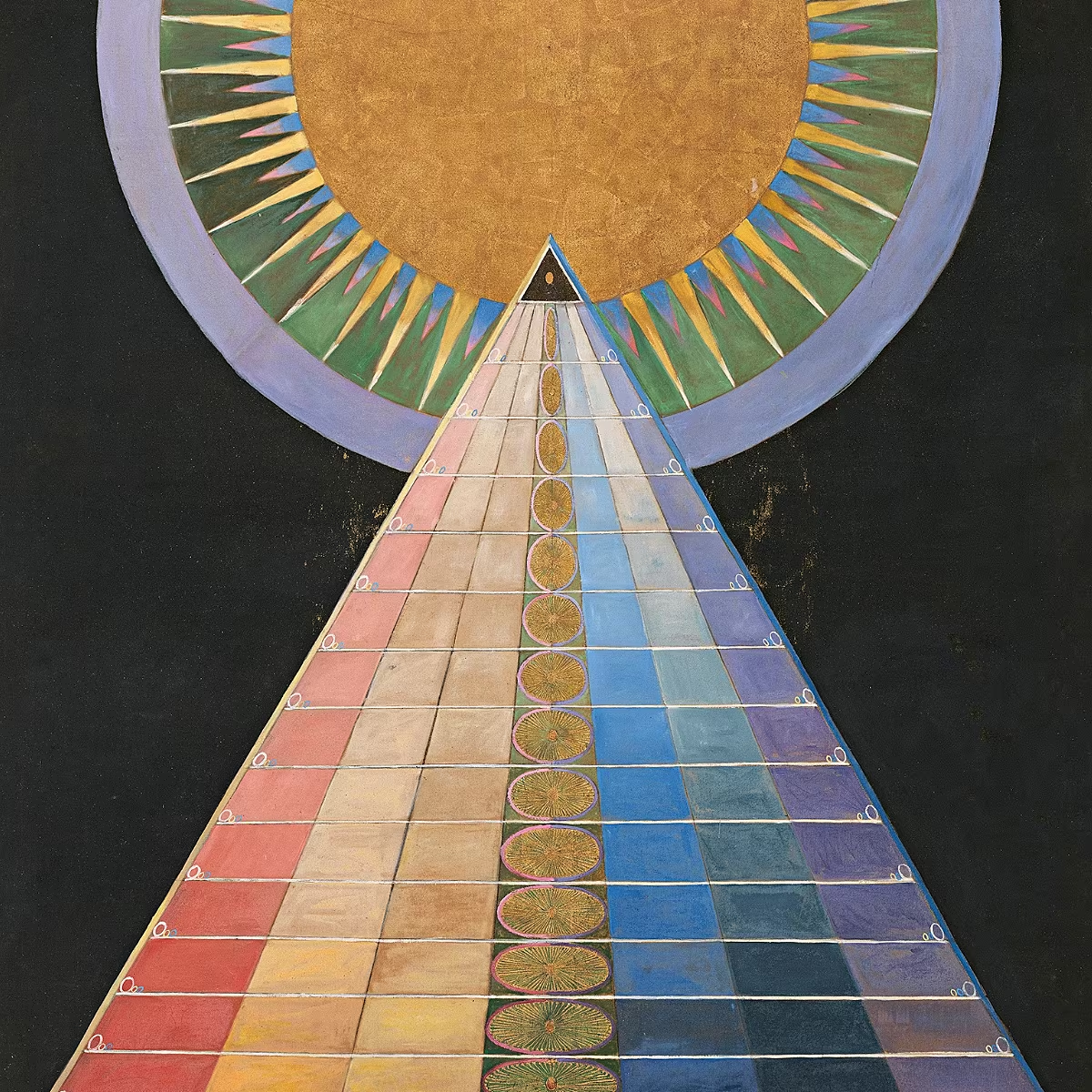
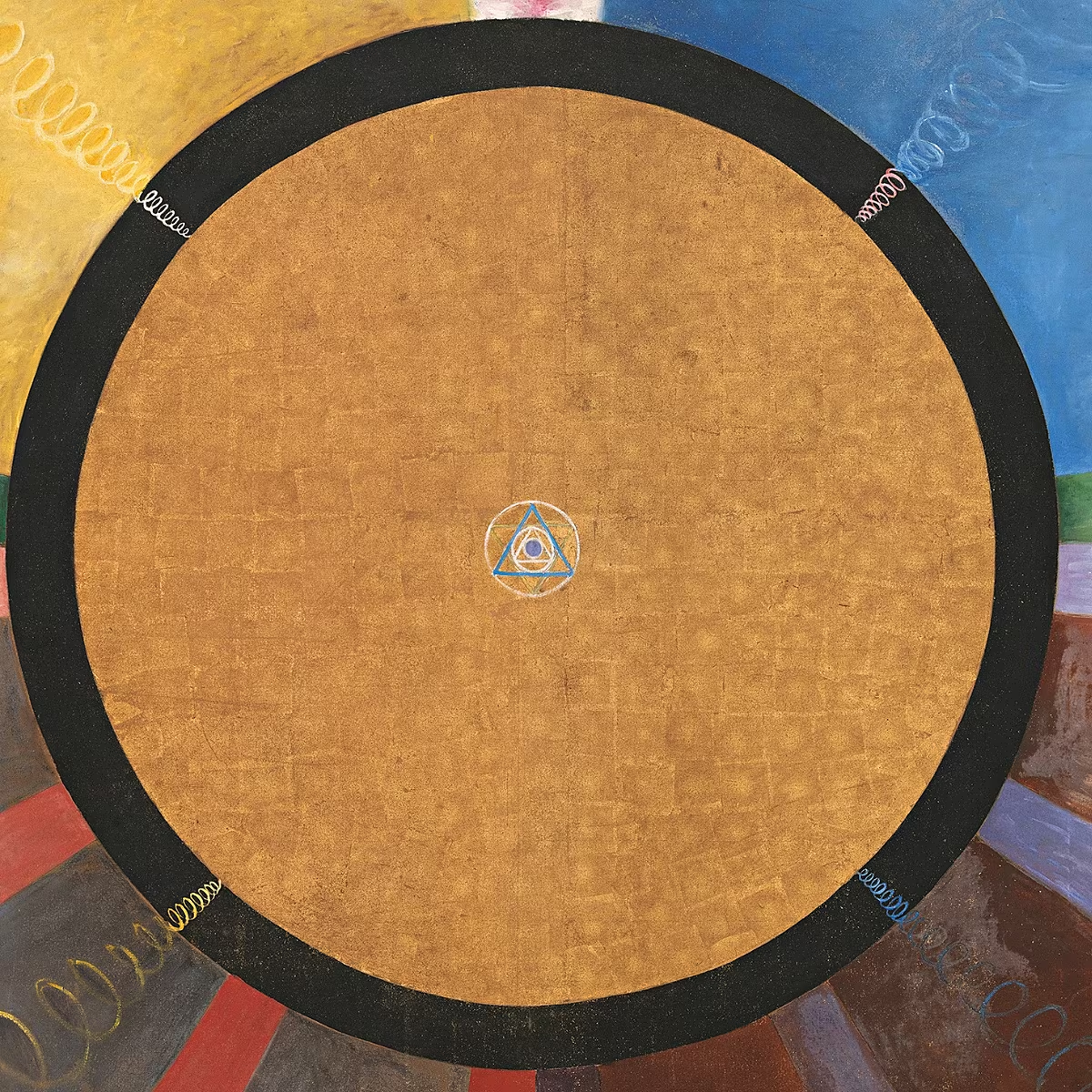
“Colour is a very powerful element of af Klint’s work. In reproductions and on screens, her work might seem graphic and decorative. When you experience her art in person, you cannot help but be struck by the way in which she layers and contrasts colour – whites are opalescent, yellows radiate, reds suggest spiritual intensity. Her compositions are like musical arrangements. In certain paintings, af Klint used colour symbolically, eg blue, yellow and green. In many paintings blue represents the female spirit and yellow represents the male sprit, green (a mix of blue and yellow) conveys the idea of harmony and oneness. In the Altarpiece paintings, she used heightened colour and metallic leaf to indicate their spiritual significance.
On the Swan series …
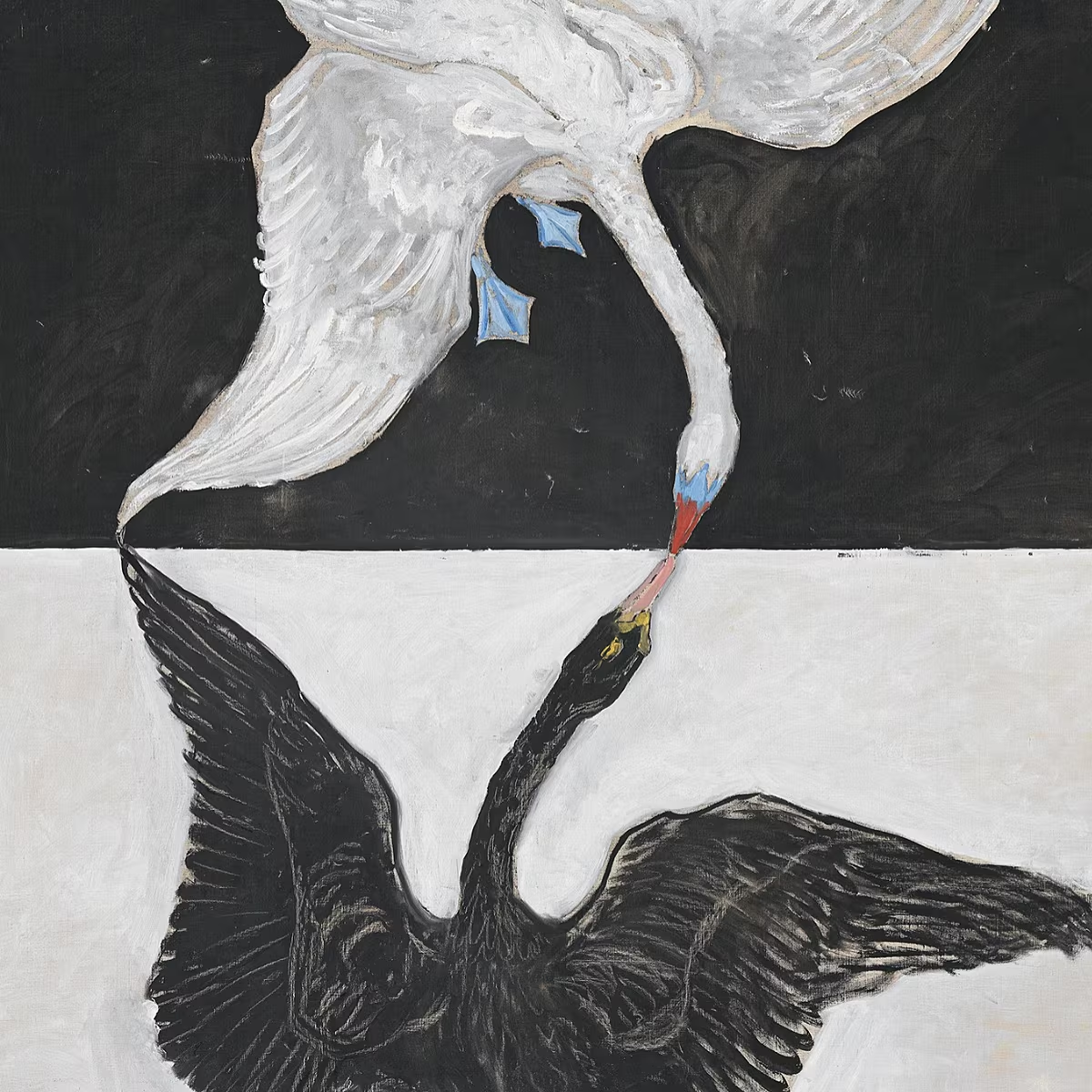
“Af Klint painted the 24 large canvases in The Swan group between October 1914 and March 1915. We are fortunate to include seven in the exhibition as I think they hold a special significance for us in Ireland. In myth and in folklore, swans have long been associated with majesty, purity and transformation. Helena Blavatsky, founder of the Theosophical Society, which af Klint joined in 1904, wrote that the swan symbolised “the grandeur of the spirit”. These paintings were made at the beginning of the First World War. In the first painting, a white female swan and its male counterpart reference dualities: light and darkness, female and male, life and death. Through the series the recognisable figurative forms evolve and come together in abstract geometric forms. It is a powerful group of paintings, made not long before WB Yeats was mediating on the wild swans of Coole.
On her fascination with spiritualism …
“Af Klint participated in several spiritualist groups before founding The Five (De Fem) with four female friends in 1896. They held séances and via automatic drawings and writing, recorded the messages they received from spirits. In 1906, during a séance, a spirit guide offered af Klint a commission to paint the Paintings for the Temple, her most significant work. She undertook this with the initial collaboration of The Five and completed it in two phases by 1915.
“Participating in séances and other forms of esoteric activity was not as unusual as it might sound. Af Klint belonged to a generation that saw immense changes taking place during their lifetimes. Industrialisation, advances in science, and the emergence of evolutionary theories, and war were among the factors that prompted people to question established belief systems. Like many, she found meaning and purpose in looking at the world from different angles and visualising the unseen.
Curator Janet McClean’s favourite series …
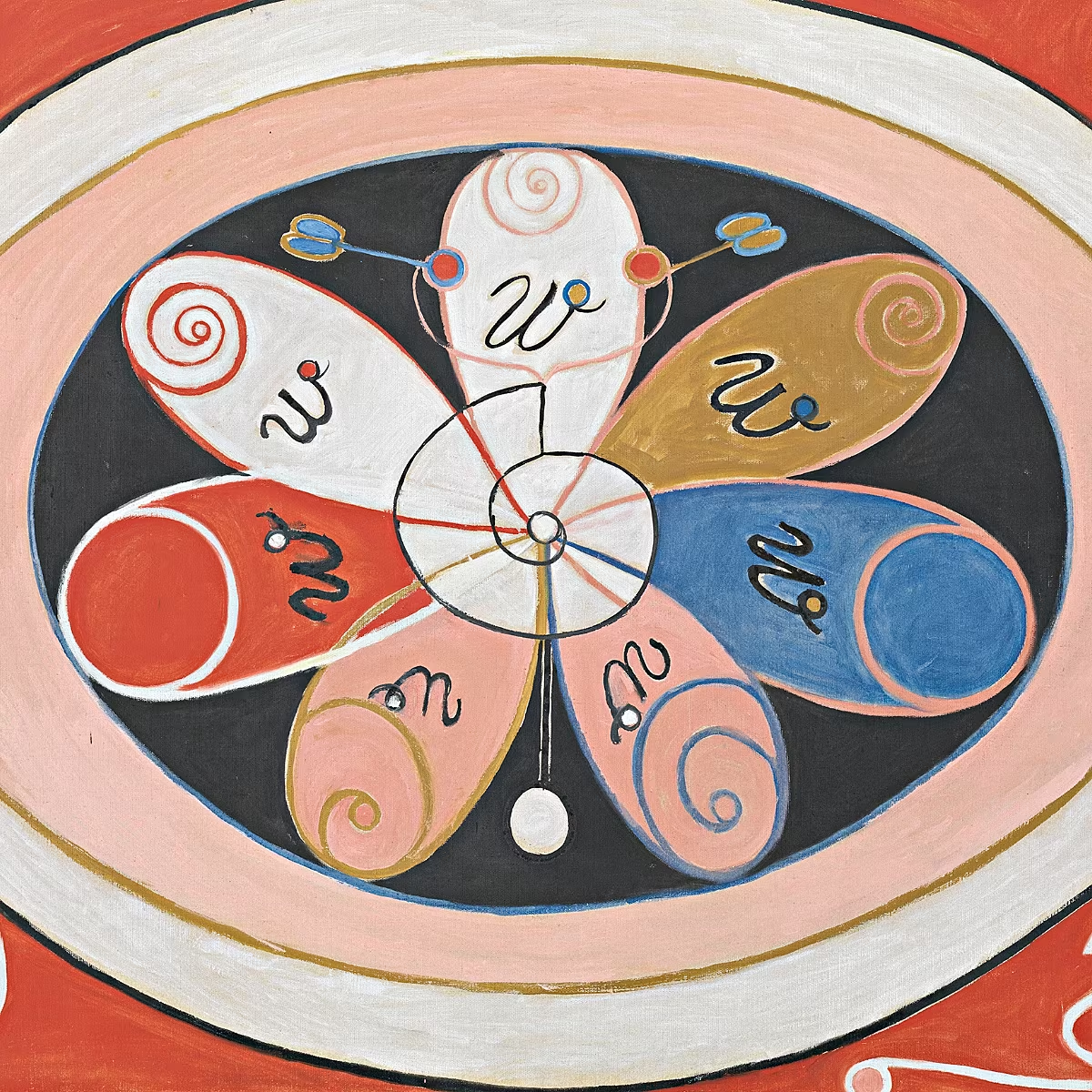
“I am fascinated by On the Viewing of Flowers and Flowers (1922), a group of more than 70 watercolours that af Klint made when she was 60 years old. There are 14 on display in the exhibition. Af Klint painted them in a meditative manner, in keeping with the anthroposophical teachings of Rudolf Steiner. The process involved looking at a plant with intention, then closing her eyes to visualise its spiritual essence. Af Klint painted on wet paper allowing the aura of the specific plant to take form. The plants she painted in this way include marigolds, rosehips, wheat, ferns and honeysuckle. When I look at these paintings, I can feel the echo of af Klint staring at the modest plant that inspired it. The watercolour sheets are small in scale, but each one holds and opens a universe.”
Need to Know: “Hilma af Klint: Artist and Visionary”, curated by Janet McLean is at the National Gallery of Ireland until February 7, 2027. Janet will lead an event with Julia Voss, Klint’s most significant biographer, in the Gallery Lecture Theatre on November 19. Tickets for the exhibition cost from €16 with concessions. There is free entry to the exhibition for all on Wednesday mornings until 11.30am. www.nationalgallery.ie