


From frugal retreats to luxury escapes, convents and monasteries offer unique sanctuaries near and far …
One of the trends of 2025, as noted by The New York Times, was “the vow of silence summer”, when many travellers booked into monasteries and convents, assured there would be no phones buzzing, no emails requiring attention, and no small talk. Should you choose to stay in a working monastery, peace and quiet are guaranteed, and prayer is optional. Rooms may be functional but the welcome is genuine. MonasteryStays.com and goodnightgodbless.com are useful starting points. In Rome, St Patrick’s Catholic American Parish has an online directory of convent accommodation throughout Italy, while Spain’s paradores include hotels housed in historic convents and monasteries; www.paradorsofspain.com.
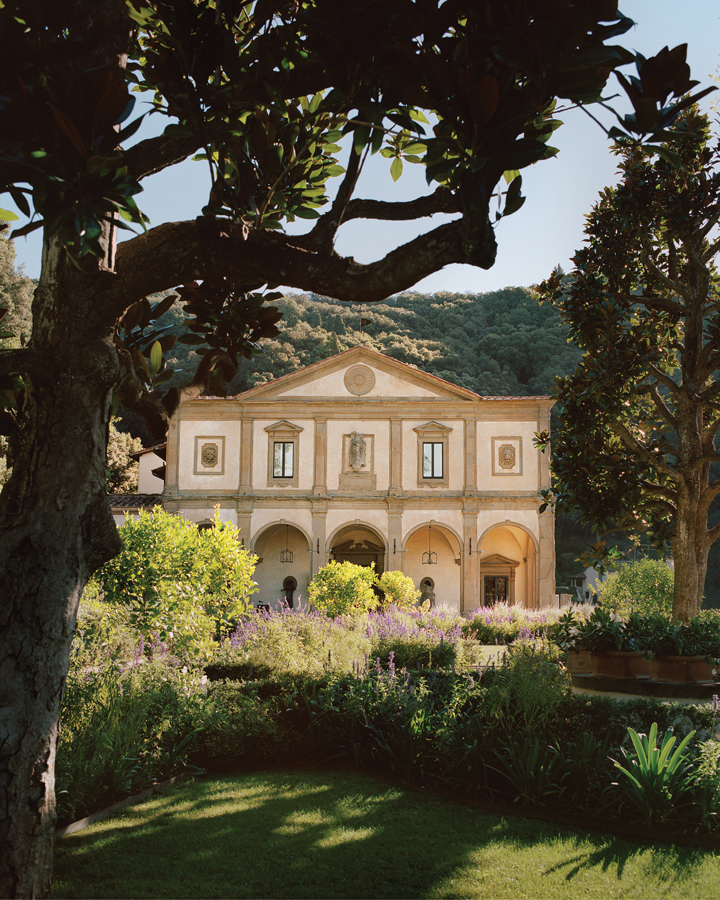
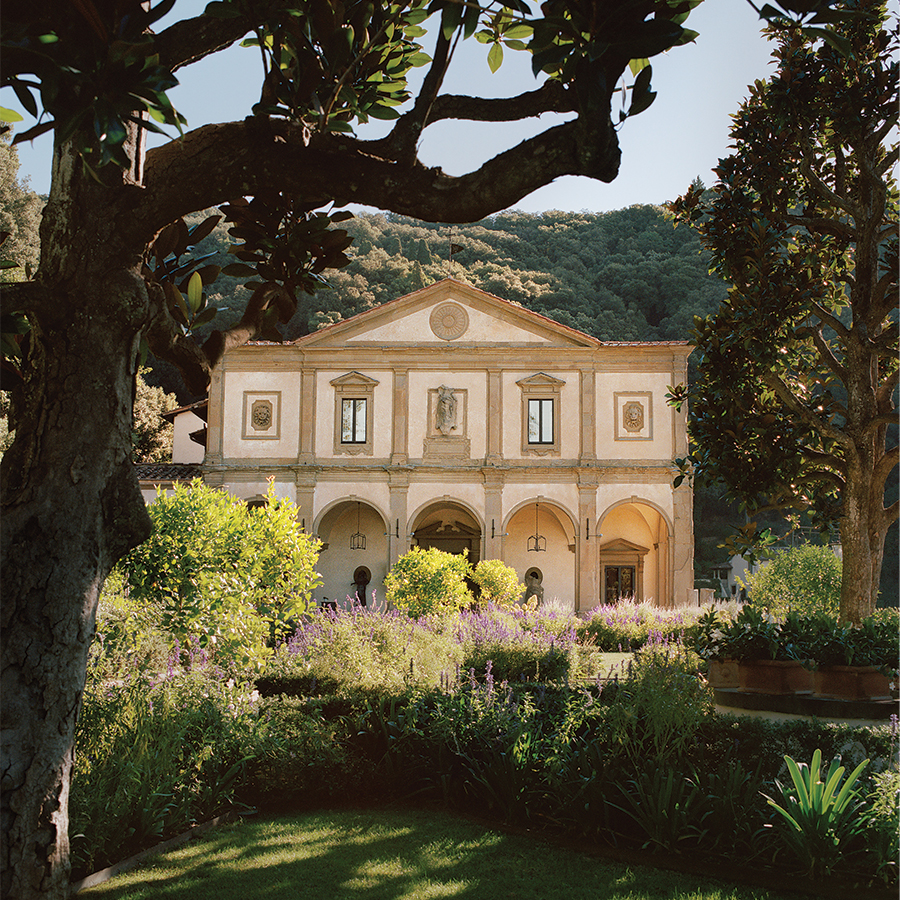
The posh Belmond hotel group was one of the first to develop spectacular hotels in former monasteries, as seen in Portofino (Hotel Splendido), Peru (Hotel Monasterio Cusco) and Florence (Villa San Michele). Originally a 15th-century Franciscan monastery, Villa San Michele is celebrated for its Michelangelo-inspired façade, original chapel, frescoes, loggias, cloister and terraced gardens. Currently undergoing extensive renovation, look out for the hotel reopening in 2026. It promises a new Guerlain spa, a special nature-immersive programme and an extended season (from spring through winter), all part of a slow luxury experience inviting guests to disconnect from the everyday.
Here are some other options …
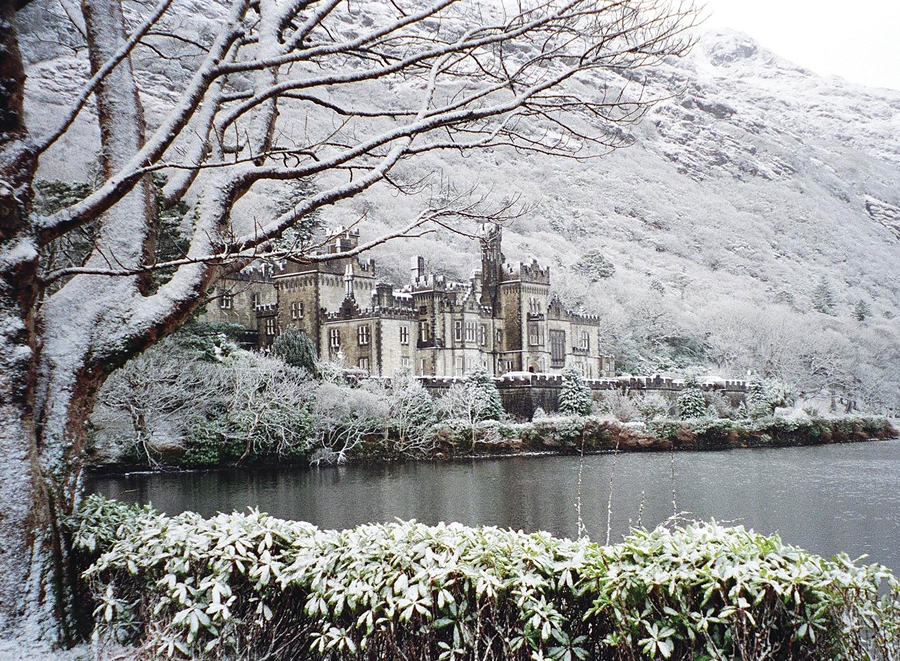
SISTER ACT: Kylemore Abbey, Co Galway, Ireland
If you haven’t yet watched The Hill’s Are Alive: A Year at Kylemore Abbey on the RTÉ Player, the three-part documentary is perfect fireside viewing. It follows the 15 resident Benedictine nuns – among them sisters from India, the Philippines and China – as they keep both the monastery and the estate running with a small army of lay staff. I enjoyed the insights into the nuns’ daily routine as they live out the Benedictine ethos of Ora et Labora – Prayer and Work. Also shown is the opening of the new monastery by Axo Architects (winner of the prestigious 2025 RIAI Public Choice Award). The design is a serene and timeless structure that quietly complements the landscape. Guests can stay here in light-filled rooms. The Benedictine Community offers a range of guided and self-led, day and residential retreats, from lace-making to Advent preparation and Easter Triduum. Those wishing to make solo or group spiritual retreats are welcome. Retreatants have full access to the grounds, and can participate in the community’s liturgical gatherings. There is no set charge for these stays, other than a donation, in line with the belief that Kylemore is for everyone, regardless of means or background. Pop in over the festive period for some stocking fillers – I love the Abbey’s signature soap, and always savour the chocolates, handmade by Sister Genevieve and her team.
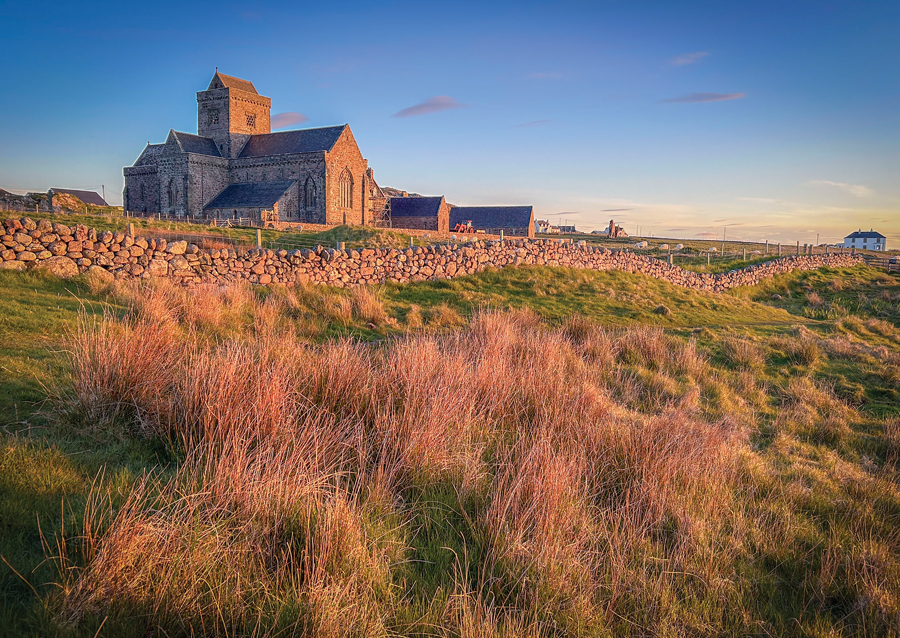
RADICAL HOSPITALITY: Iona Community, Scotland
For an immersive and rewarding stay, the tiny island of Iona, off Scotland, is home to Iona Abbey, founded in AD563 by Irish monk Saint Columba, the burial ground of Scottish kings for hundreds of years. Today, the abbey is the heart of the Iona Community, an international Christian movement, whose ethos is one of radical hospitality, sanctuary and challenge. Guests and volunteers stay in the restored accommodation. Participation in daily worship is optional, but guests need to help with cooking and cleaning (stays include all meals). There’s time and space to explore the island’s sandy beaches or take a boat trip to Staffa, with its basalt cliffs.

SPLENDID ISOLATION: Monastero Santa Rosa Hotel & Spa, Amalfi, Italy
Perched dramatically on the edge of a cliff above the Bay of Salerno and village of Conca dei Marini, is a 17th-century monastery, now a boutique hotel. Each of its 20 suites are former nun’s quarters, and are named after herbs grown in the gardens. Rather than renouncing pleasure, the hotel has embraced it. There’s a Santa Maria Novella-stocked spa and the hotel’s restaurant, the Michelin-starred Il Refettorio, opens onto a spectacular terrace. Guests can take the complimentary shuttle service to Amalfi. Do visit Ravello where the gardens of Villa Rufolo and Villa Cimbrone, and the 11thcentury Duomo, are the settings for classical concerts.
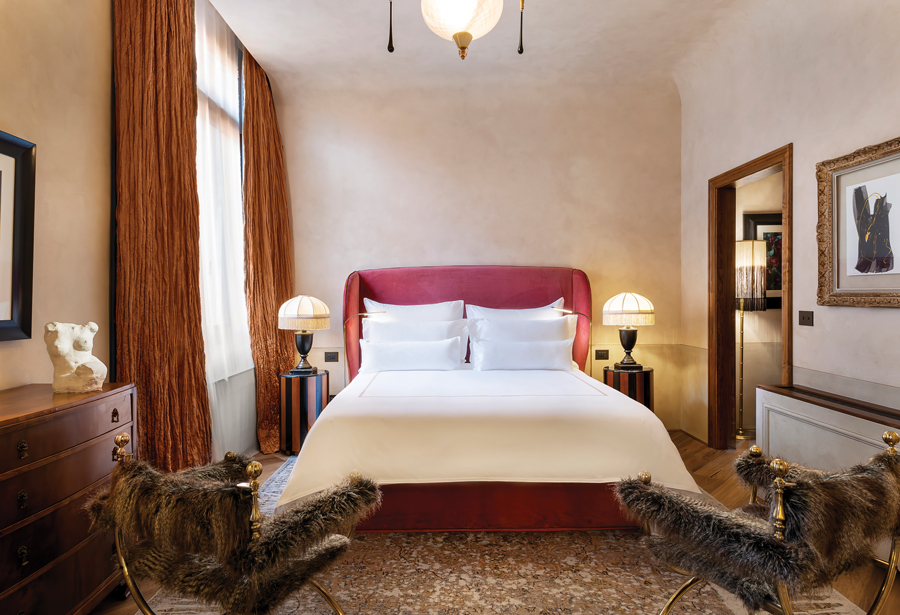
FLORENTINE FINESSE: James Suite Hotel Firenze 1564, Italy
Irish artist Loreto Reilly is hosting two residential painting courses next June in Florence (from June 6-12, and 14- 20), during which guests will stay in a working convent. “The religious order of the Suore Oblate dell’ Assunzione Borgo Pinti has been in residence since 1926 and regularly hosts groups and individuals visiting Florence with varying interests,” explains Loreto. “The gardens are perfect for gentle yoga and relaxation sessions led by Marie Finn, while painters are spoiled for choice. The tranquil Bardini Gardens is one of the many ideal places to observe and paint this beautiful city with the backdrop of Tuscan hills, all within a few minutes’ walk. The Duomo, the Uffizi, Ponte Vecchio and many artistic sites are within walking distance. As for the accommodation, there are frescoed ceilings and numerous sitting rooms in which to relax, read, or sketch.” www.loretoreilly.com. Also worth visiting is the new James Suite Hotel Firenze 1564. Originally a convent, the building has been reimagined by James Cavagnari, owner, architect and designer, who was responsible for Salvatore Ferragamo and Bulgari boutiques. Dine in the glasshouse-like restaurant or enjoy a candlelit cocktail in the 1564 Lounge Bar.
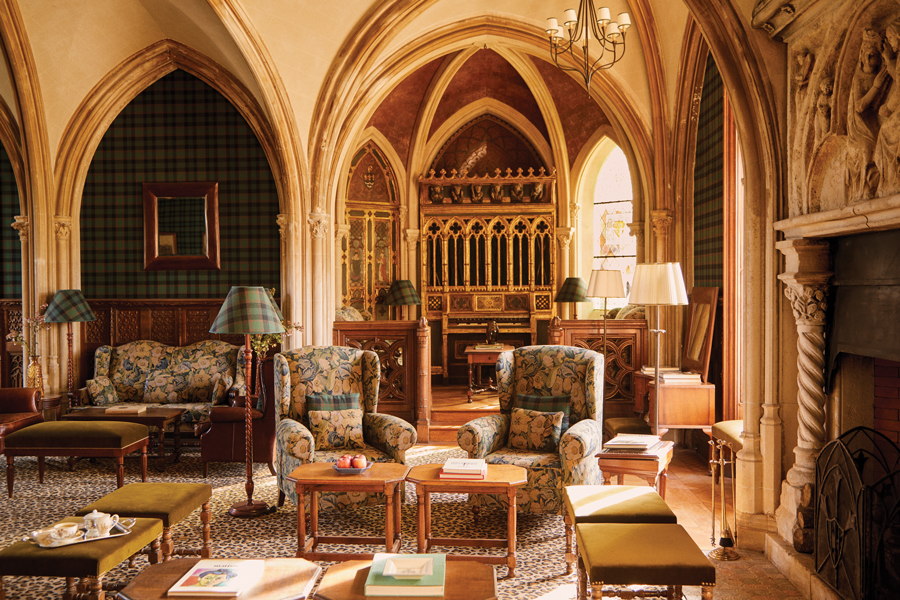
DIVINE DIOR: Abbaye des Vaux de Cernay, Cernay-la-Ville, France
Just 45 minutes from Paris and close to Versailles, this restored 12th-century Cistercian Abbey has undergone a four-year restoration and redesign by Cordélia de Castellane, Artistic Director of Dior Maison and Dior Baby. There’s nothing ascetic about her playful interiors in colourful, delicate patterns complementing the estate’s history. Artist Baroness Charlotte de Rothschild was a former chatelaine who rebuilt the estate preserving its Romanesque grandeur while adding her own creative touch. Surrounded by lakes and woodlands, the Abbaye’s estate poses just one problem – too many choices! There’s so much to do, from boating and fishing to art workshops, a cinema room, spa with Tata Harper products and a Kids’ Club from French brand Tartine et Chocolat.
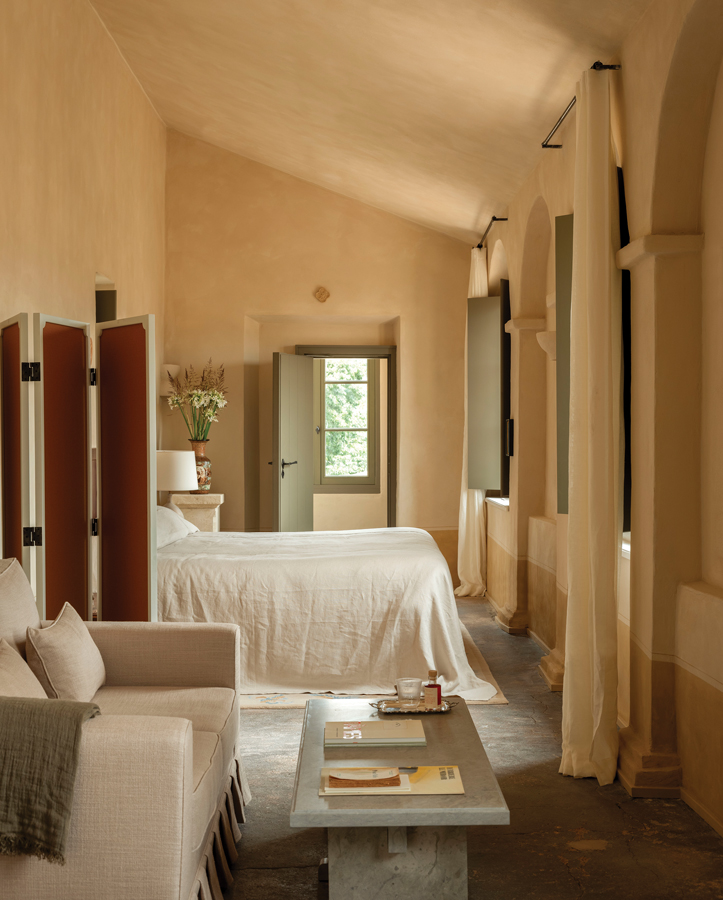
URBANE OASIS: Hôtel du Couvent, Nice, France
Central yet secluded, Hôtel du Couvent is an impossibly chic former 17th-century convent built by the Poor Clare sisters in Nice’s Old Town, meticulously restored over a ten-year period by Valéry Grégo, founder of Perseus Group. It’s a few minutes walk from Nice’s daily food and flower market and the Promenade des Anglais. Since opening last year, it has won accolades for its design and amenities. Of note are the gardens, designed by Tom Stuart-Smith, the Romaninspired thermal baths, resident herbalist, its reinstated original bakery, and menus fed by the gardens and the hotel’s own farm. A fabulous library features books on “L’École de Nice” art movement and there are paintings by Picasso and Matisse on the walls. Rooms and suites sleep two to five guests; all are spartan and soothing with calm artworks and no televisions.
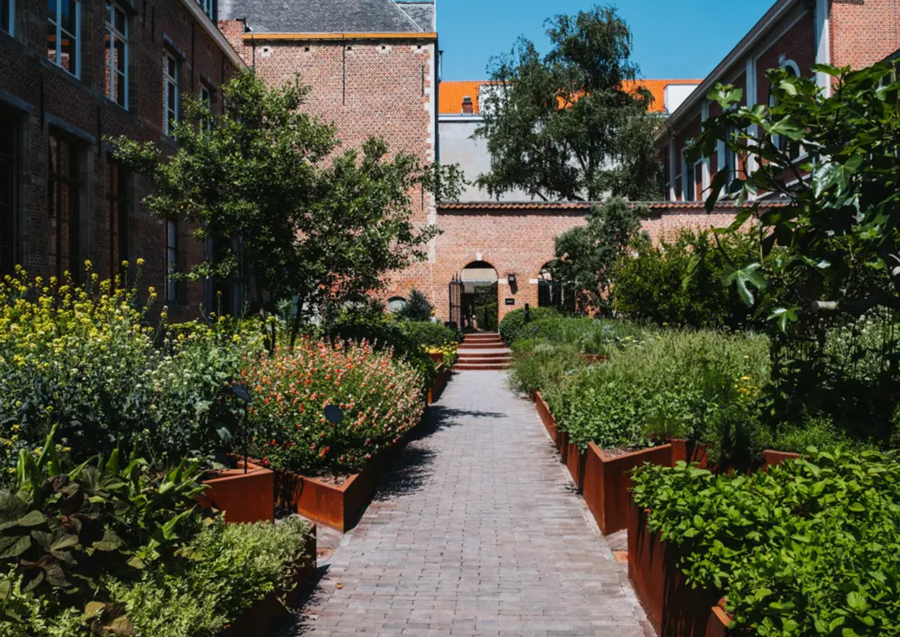
FLEMISH FLOWER: Botanic Sanctuary Antwerp, Belgium
Dynamic, designer-laden and dripping in diamonds, Belgium’s “second” capital has much to offer. Its cobblestone streets, Renaissance architecture and food-and-drink scene impress (there are 17 Michelin-starred restaurants). Spend a day exploring the city’s antique districts, marvelling at the Flemish artistry in the Royal Museum of Fine Arts or shopping the boutiques of the “Antwerp Six” – comprising designers Martin Margiela, Dries Van Noten, Ann Demeulemeester, Walter Van Beirendonck, Dirk Bikkembergs, Marina Yes and Dirk Van Saene. As a base, book Botanic Sanctuary Antwerp, set within the city’s botanical gardens and housed in a restored 13th-century monastery. Its former infirmary and chapel are now a striking backdrop for parties. Rooms are designed according to the Japanese wabi sabi principle of embracing imperfections – think gently rumpled linens, roughly plastered walls, poured concrete floors and wooden furniture. Rather than flawed, they are serene havens, as is the destination spa which offers everything from acupuncture to osteopathy and has its own apothecary offering Saint Charles skincare. Also restorative are the hotel’s four restaurants which boast four Michelin stars between them.
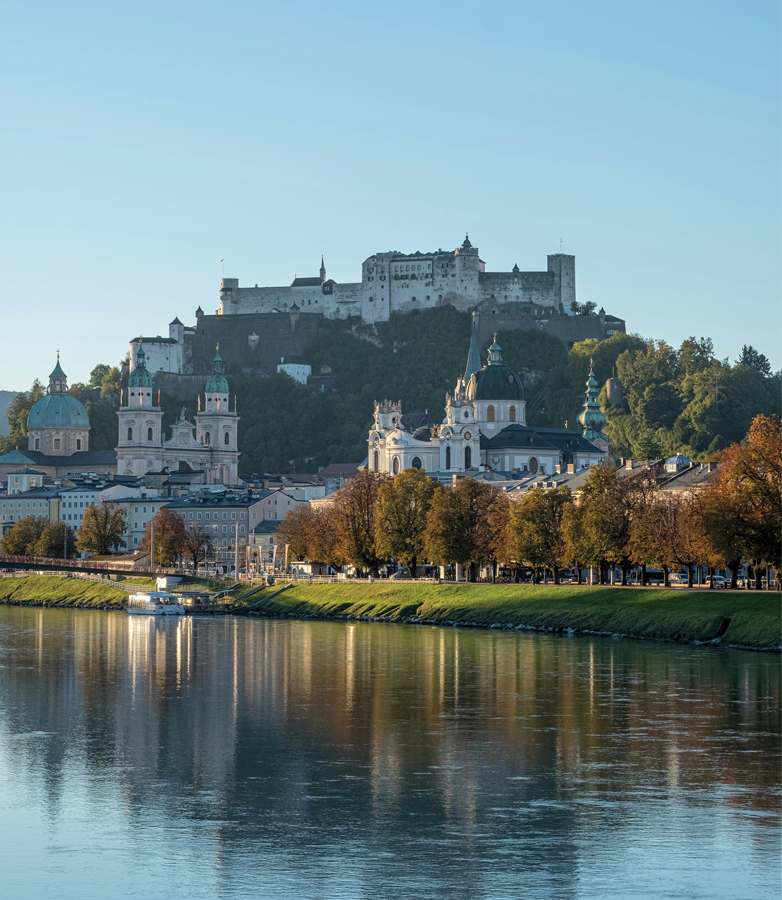
CINEMATIC CHARM: Haus St Benedikt, Salzburg, Austria
Nowhere does Christmas markets better than Austria in my opinion. The historic Salzburg Christmas Market held on Cathedral Square in the Old Town is one of the oldest and most beautiful in the world, dating back to the 15th century. Also in this UNESCO World Heritage Site is Haus St Benedikt, part of the monastery of the Austrian Benedictine Congregation. The guesthouse offers value and comfort close to numerous restaurants, cafés, shops and tourist attractions. A must-visit is Nonnberg Abbey, one of the oldest convents in Europe, made famous in The Sound of Music, which is still an active religious community. Each morning, the nuns sing Gregorian chants and in the evening visitors can attend sung Vespers, which creates a serene, spiritual atmosphere within the abbey. www.goodnightandgodbless.com.
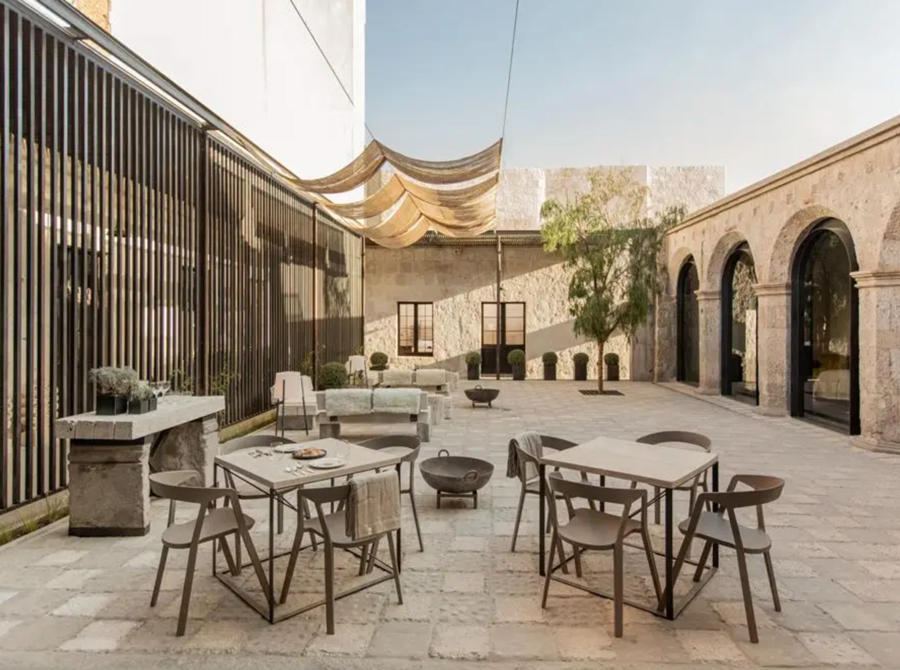
PERUVIAN POISE: Cirqa, Arequipa, Peru
Peru’s second largest city, Arequipa, referred to as the White City, may not get as much attention as Lima, Cuzco or Machu Picchu, but it’s a stunning destination. There are over 500 grand colonial-era houses in the historic centre – a UNESCO World Heritage Site – which take visitors back to the fusion between European and Andean traditions, expressed in the city’s vaulted roofs and arches of white stone, made from the local volcanic rock known as “sillar”. For a special stay, Cirqa is an eleven room retreat where accommodation balances contemporary elegance and monastic minimalism. Outside the calm walls are dozens of traditional restaurants, or “picanterías”, where stone mortars and clay pots are used to prepare the local delicacies of stuffed peppers and shrimp chowder.
SEE MORE: Doing A Stretch In India – Time Training As A Yoga Teacher