

The intimacy of baking scents, with sugar and spice, is what we’re craving now, says Sarah Halliwell…
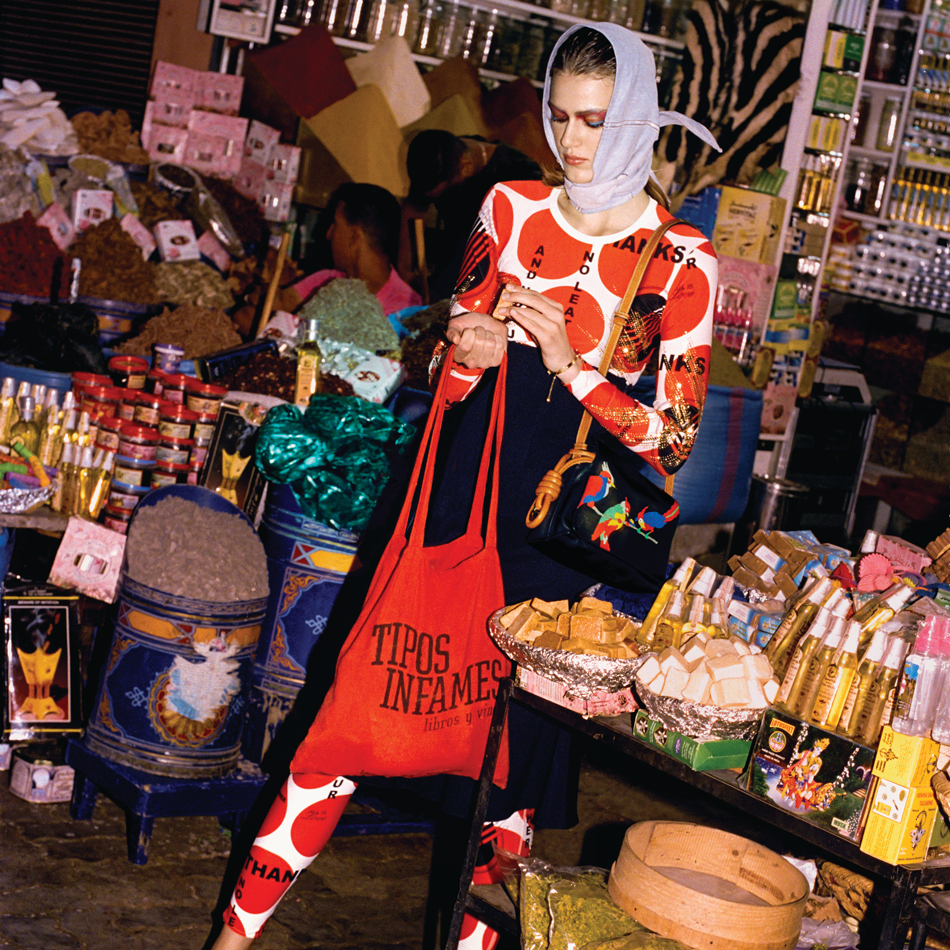
When did we all become such gluttons for gluten? There are queues for artisan bakeries all over town, from Bread 41 to hipster Scéal in Dublin 7 (yes, the cardamom buns are worth the wait); coffee breaks demand a Portuguese tart, and we trade tasty secrets (such as Breadman Walking, a home bakery in Rialto). This craving for sweet and spicy treats extends to beauty, too. For me, a yearning for delicious scents is a spin on the ‘lipstick index’ (the spike of cosmetics sales during a recession): when the going gets tough, we crave comfort and warmth. “Edible” scents hit that spot. “Perfumes are a reaction to the world,” muses perfume expert Frédéric Malle. “We always react to everyday life, without even knowing it.”
We’ve long had an appetite for perfumes that smell good enough to eat. “Gourmand scents can transport us through the power of olfactory memory,” notes Olivier Cresp, master perfumer behind Thierry Mugler’s Angel, created in 1992, with its groundbreaking overdose of sweet praline. “This edible worldwide trend is becoming so popular because we all enjoy the pleasure of eating – it’s simply the pleasure of life.” Tasty scents tap into nostalgia and joy, childhood memories of baking and sweet treats.
Tasty scents tap into nostalgia and joy, childhood memories of baking and sweet treats.
Now, we’re going beyond sweetness. We’re craving liquid highs, from bitter coffee to whiskey and rum, and intriguing notes such as roasted almond and chestnut, as in Dries Van Noten’s elegant Soie Malaquis. D.S. & Durga’s Pistachio perfume is the year’s indie hit, its nutty warmth triggering waiting lists. Spices like green cardamom, cinnamon and nutmeg deliver a redolent warmth and texture, twists of heat that linger on the skin.
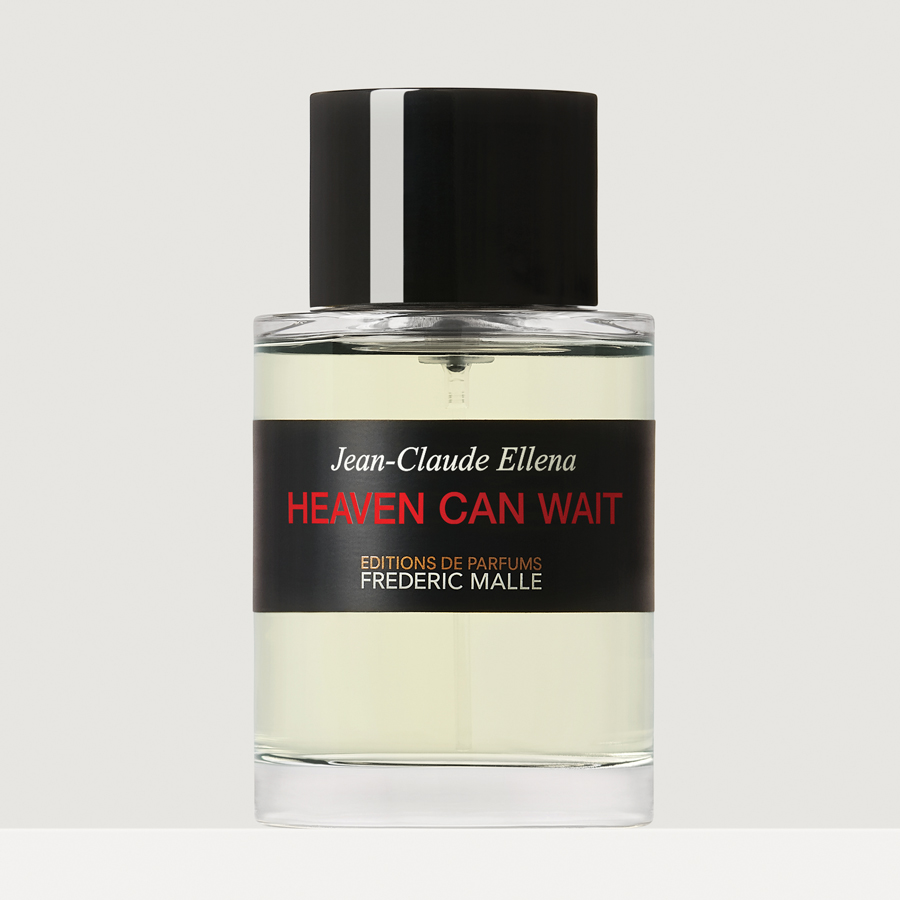
The new Frédéric Malle perfume, Heaven Can Wait, is a sophisticated celebration of warm spices – and an elegant new way of using them. It’s a departure for the perfumer, the legendary Jean-Claude Ellena, who usually uses cold spices (ginger, coriander, cardamom), as top notes, explains Malle. “Artists always have something new to say. This time, Jean-Claude wanted to work on a warm spice, which has more heart and bigger volume. We started with clove, nutmeg, ambrette (a seed, rather than a spice), pimento and carrot seed – a spice bouquet.” After adding iris, “we kept on jamming, and added musk – which is not something Jean-Claude uses much, because he’s so precise, and musk is almost like the pedal on a piano; it makes everything slightly unfocused, like a dimmer.” And finally, vetiver and elements of peach, via milky, creamy lactones. The result? Subtle and beguiling, each spice vibrating on your skin.
“It’s funny – at the beginning it was about the ingredients, the warm spices, and then in my mind it became about warmth and somehow intimacy,” muses Malle. “It’s of its time – it is so intimate, and addictive; the fact it was composed during Covid is no accident. In the world that we’re in today, which is so uncertain, we want intimacy and our private world. We want something that’s reassuring, because there’s so much violence, too many extremes.”
Malle would rather break new ground than pander to the mass market. And it’s a winning recipe. “As with chefs, many perfumers are so hesitant that one thing becomes similar to another – because they don’t have the guts to say something different. We give so much freedom to perfumers, we can use any ingredients, and we use materials that are too expensive to be copied.” A delicious spice perfume, rather than something bland? Lead us into temptation …
Discover our favourite spice hits of the season at www.thegloss.ie.